
Have you ever wondered what happens when a species of birds moves into a new, nonnative habitat? This isn’t just a simple change of scenery—it can shake up the entire ecosystem in surprising ways.
You might think it’s just about birds finding a new home, but the reality is much more complex. Understanding how these birds adapt, interact, and impact their new environment could change the way you see nature around you. Keep reading to discover the unexpected effects and fascinating stories behind this natural shift.
New Bird Arrival
The arrival of a new bird species in a nonnative habitat often sparks curiosity and excitement among bird enthusiasts and ecologists. This phenomenon is not just a spectacle of nature but a reminder of the intricate connections within ecosystems. Witnessing such an event invites us to ask: what brings these feathered travelers to unfamiliar lands?
Species Profile
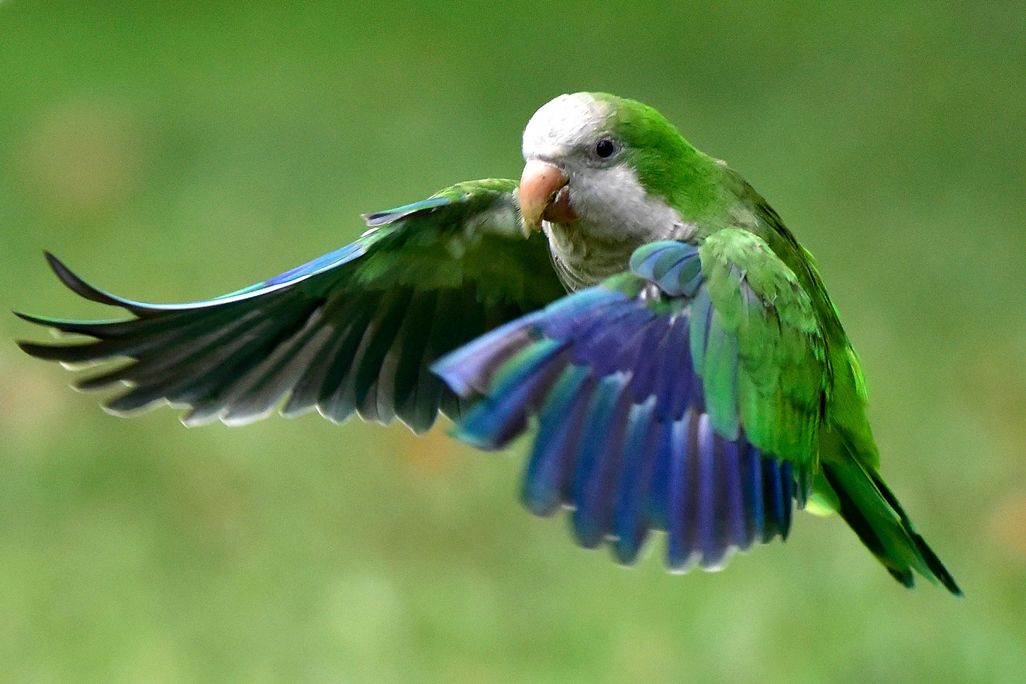
Understanding the new bird species begins with a detailed profile. Take, for example, the vibrant Red-crowned Parrot. This species is known for its striking green plumage and distinctive red forehead.
Originally from northeastern Mexico, these parrots have surprisingly adapted to urban environments in Southern California. Their diet primarily consists of seeds, fruits, and flowers, making city parks and gardens ideal new homes.
Reasons For Migration
Birds migrate for several reasons, often related to survival and reproduction. One compelling reason is the search for food sources that may be scarce in their native habitat. Changes in climate and habitat destruction can also drive these migrations.
Sometimes, these movements are accidental, resulting from storms or human interference. Have you ever wondered how these changes influence local ecosystems? The introduction of a new bird species can alter the balance, affecting native birds and plant life.
Migration is not just a journey of survival but a testament to the resilience and adaptability of birds. As observers, you can play a role in this story by documenting sightings and supporting conservation efforts. Are you ready to become part of the narrative of these avian adventurers?
Credit: www.smithsonianmag.com
Habitat Changes
When a species of birds enters a nonnative habitat, the environment they face changes drastically. These changes affect their survival and behavior. Understanding habitat changes helps explain how birds cope outside their natural home.
Environmental Conditions
The new habitat may have different weather patterns. Temperatures can be hotter or colder than the birds’ original home. Rainfall levels might vary, affecting water sources and plant growth. Food availability changes as the types of insects, seeds, or fruits differ. The terrain and vegetation structure also impact shelter and nesting sites. These conditions shape how well birds can live and reproduce in the new area.
Adaptation Challenges
Birds face many challenges adapting to unfamiliar surroundings. They must find new food sources and learn to avoid predators they never met before. Nesting habits might need adjustment due to different plants or ground conditions. Competition with native species for resources can be tough. Some birds might struggle with the climate or diseases unique to the new habitat. These challenges demand quick learning and flexibility for the birds to survive and thrive.
Ecological Impact
The arrival of a nonnative bird species in a new habitat can ripple through the ecosystem in ways you might not expect. These changes affect the balance of local wildlife and the natural order you’ve come to recognize. Understanding the ecological impact helps you see the bigger picture of how delicate these environments truly are.
Effects On Native Species
Nonnative birds often compete directly with native species for resources like food, nesting sites, and territory. This competition can push native birds into smaller areas, making it harder for them to survive and reproduce.
In some cases, the newcomers might introduce diseases or parasites that native species have no defense against. Have you noticed changes in bird populations around you? Those shifts could signal deeper problems caused by these new arrivals.
Food Chain Disruptions
Introducing a new bird species can upset the existing food chain. These birds might prey on insects or small animals that native birds rely on, reducing food availability.
On the other hand, if the nonnative birds become prey for local predators, it might change predator behavior or numbers. This can create a cascade of effects, altering the entire ecosystem’s balance.
Think about your local environment—how might these changes affect the plants, insects, and animals you see every day? Your attention can help identify early signs of ecological imbalance and guide protective actions.
Credit: bendbulletin.com
Human Influence
Human actions have a significant impact on the movement and establishment of bird species in new environments. Changes in land use, urban growth, and conservation decisions shape where birds can thrive. Understanding how we influence these shifts helps you appreciate the delicate balance between nature and development.
Role Of Urbanization
Urban areas create new habitats that some bird species find attractive. Buildings, parks, and gardens provide food and shelter that were not available before. You might notice pigeons and sparrows adapting well, but other species struggle to survive.
Urban growth often replaces native habitats with concrete and asphalt. This forces birds to either adapt quickly or move elsewhere. Have you ever seen a bird species in your city that wasn’t there a decade ago? That’s urbanization changing the natural order.
Some birds exploit urban environments by feeding on human waste or nesting on buildings. This can lead to unexpected population increases, sometimes causing conflicts with humans. Knowing this, you can support urban planning that balances development with green spaces.
Conservation Efforts
Conservation plays a crucial role in managing how nonnative birds settle in new areas. Projects that restore native plants and protect wetlands help maintain natural bird habitats. These efforts give native species a better chance against newcomers.
Sometimes, conservationists must control nonnative bird populations to protect local ecosystems. This might include humane relocation or habitat modification. You can participate by supporting local conservation groups or creating bird-friendly spaces in your backyard.
Public awareness campaigns also educate people about the consequences of releasing pet birds into the wild. Small actions from individuals can prevent nonnative species from becoming invasive. How could you contribute to keeping your local bird populations healthy and balanced?
Unexpected Findings
When a species of birds enters a nonnative habitat, the results can be surprising. Scientists often expect some changes, but the real outcomes frequently challenge their assumptions. These unexpected findings open new doors for understanding how species adapt and affect their new environment.
Behavioral Shifts
Birds in unfamiliar places often change how they behave to survive. They may alter their feeding habits, choosing different foods than in their original home. You might see them becoming more aggressive or cautious, depending on the local predators or competition.
One striking example is a species that started nesting in urban areas rather than forests. This shift showed how flexible their habits can be when faced with new challenges. Such changes can teach you a lot about adaptability and resilience in wildlife.
Long-term Consequences
The effects of birds living outside their native range don’t stop with immediate behavior changes. Over time, these species can impact the local ecosystem in significant ways. They might compete with native birds for food and nesting spots, sometimes leading to declines in native populations.
Have you ever wondered what happens when an introduced species disrupts a food chain? In some cases, this leads to reduced biodiversity or altered plant growth patterns because certain birds help spread seeds or control insect populations. Watching these dynamics unfold helps you appreciate how interconnected nature really is.

Credit: www.wildlifenomads.com
Future Outlook
The future outlook for a species entering a nonnative habitat depends on careful observation and action. This shift can affect the new ecosystem and the species itself. Understanding these changes helps protect native wildlife and balance nature.
Monitoring Strategies
Monitoring the new species is key to tracking its impact. Scientists use tools like:
- Regular field surveys to count populations
- Camera traps to observe behavior
- GPS tracking to study movement patterns
- Data collection on food sources and nesting sites
These methods provide clear information about how the species adapts. They also show any threats to native animals and plants.
Management Plans
Management plans guide actions to control or support the species. Plans often include:
- Habitat restoration to support native species
- Controlled removal if the species harms the ecosystem
- Public education to prevent human harm
- Legal protection for endangered natives
These steps help maintain ecological balance. Careful planning ensures the species’ presence causes minimal disruption.
Frequently Asked Questions
What Causes Birds To Enter Nonnative Habitats?
Birds enter nonnative habitats due to food scarcity, climate change, or habitat loss. They seek resources and safety in new areas.
How Do Nonnative Birds Affect Local Ecosystems?
Nonnative birds can disrupt local ecosystems by competing with native species for food and nesting sites. They may also spread diseases.
Can Nonnative Bird Species Become Invasive?
Yes, some nonnative bird species become invasive. They can multiply rapidly and harm native wildlife and plant communities.
How Do Scientists Track Nonnative Bird Species?
Scientists use banding, GPS tracking, and observation to monitor nonnative birds. This helps study migration patterns and ecological impacts.
Conclusion
Birds living in new places can change the local environment. They may bring new habits and food needs. This can help some plants and animals, but also harm others. Watching these birds helps us learn about nature’s balance. Scientists and people should work together to protect native wildlife.
Understanding these changes is important for the future. Nature is always changing. We must pay attention and act wisely.