
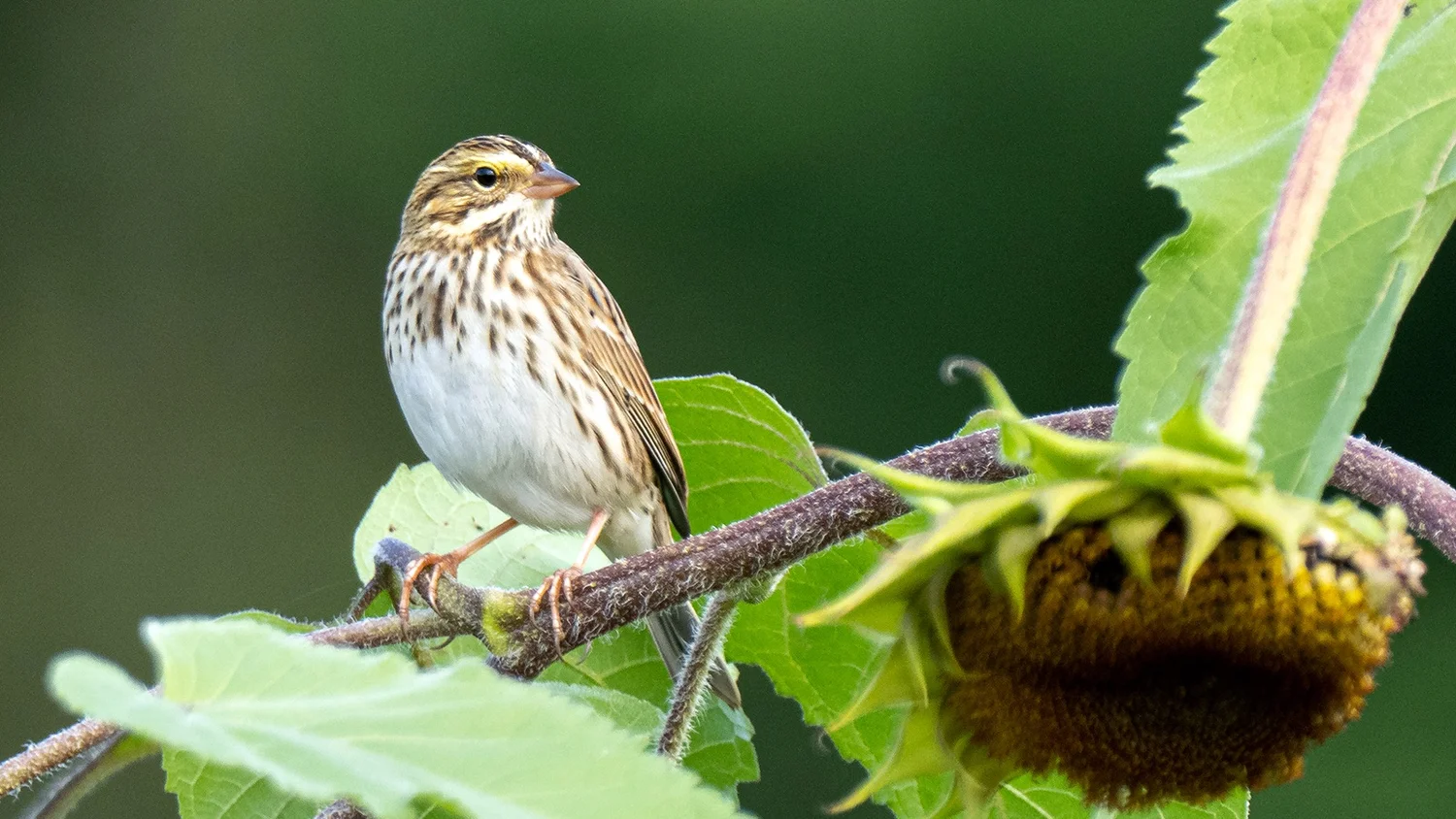
Have you ever wondered why some birds suddenly leave their home while others stay behind? When a subset of a bird population decides to leave its habitat, it’s not just a random event.
This movement can reveal surprising secrets about nature, survival, and change. Understanding why this happens can help you see the natural world from a fresh perspective. Keep reading to discover the fascinating reasons behind this behavior and how it might even affect your environment.
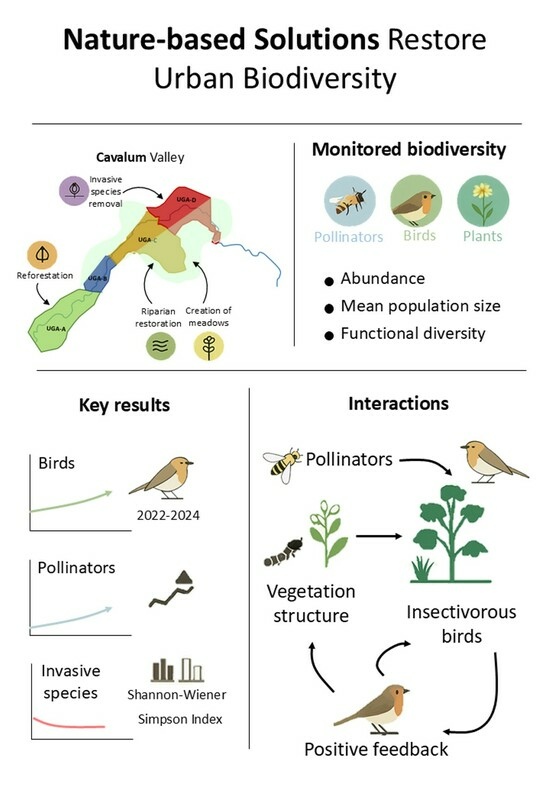
Credit: www.mdpi.com
Bird Migration Patterns
Some birds leave their home to find better places for food and safety. This group moves together, following the seasons. Migration helps them survive in changing environments.
Bird migration is a fascinating phenomenon. Birds travel thousands of miles across the globe. They follow specific patterns and routes, known as migration patterns. These journeys are critical for their survival. Understanding these patterns helps us protect our feathered friends.Common Routes And Destinations
Birds often follow established routes. These paths are called flyways. Flyways help birds navigate safely. The Atlantic Flyway is one of the most popular. It stretches along the eastern coast of the Americas. The Pacific Flyway runs along the western coast. Birds also travel across the Central Flyway. This path crosses the Great Plains. Each flyway connects various habitats. Birds find food and rest along the way. Common destinations include warmer regions. These areas offer abundant resources during harsh seasons.Seasonal Triggers
Migration is triggered by seasonal changes. As days grow shorter, birds prepare to leave. Changes in temperature also play a role. Food availability is another crucial factor. Birds rely on rich food sources during migration. Hormonal changes prompt birds to start their journey. Internal instincts guide them as well. These triggers ensure timely departures. Birds reach their destinations at the right moment. Understanding these triggers is essential. It helps in preserving their natural habitats.Reasons For Partial Migration
Partial migration happens when only some birds leave their habitat. This behavior depends on many things. Birds do not all act the same way. Some stay, while others move away. Understanding why helps us learn about their survival strategies.
Environmental Factors
Changes in weather often trigger partial migration. Cold winters or dry seasons push some birds to find better places. Not all birds react the same to these changes. Some can tolerate harsh weather, so they stay. Others need warmer or wetter areas to survive.
Genetic Influences
Genes play a big role in partial migration. Some birds inherit the urge to migrate. Others inherit a preference to stay. This mix of traits causes only part of the population to move. Genetic diversity helps the species adapt to different conditions.
Resource Availability
Food and water availability affect bird migration too. If resources become scarce, some birds leave to find more. Others stay because they can find enough food locally. This split depends on how well birds compete for resources in their area.
Behavioral Changes In Migrating Subset
When a subset of birds leaves its habitat to migrate, their behavior shifts noticeably. These changes help them survive long journeys and find new places to live. Studying these behaviors reveals how birds adapt to new challenges during migration.
Flight Timing And Duration
The migrating subset often changes when and how long they fly. They may start flying earlier in the day to avoid heat. Flight sessions can last longer than usual to cover more distance. Birds rest strategically between flights to regain energy. These timing shifts improve their chances of reaching safe destinations.
Group Dynamics
Social behavior changes as the group prepares to migrate. Birds form tighter flocks for better protection against predators. Leadership roles emerge, with some birds guiding the group. Communication increases through calls and body signals. These dynamics help the group stay coordinated and safe during travel.

Credit: www.allaboutbirds.org
Impact On Original Habitat
When a subset of a bird population leaves its original habitat, the area they leave behind doesn’t stay the same. Changes ripple through the ecosystem, affecting everything from food availability to nesting sites. Understanding this impact helps you appreciate how delicate these natural balances are.
Population Density Shifts
With fewer birds around, the population density in the habitat drops. This shift can reduce competition for resources like food and space. But fewer birds might also mean less protection against predators for the remaining population.
Imagine a forest where a flock of woodpeckers leaves. The reduced bird numbers might allow other species to move in or expand. But it also changes the social structure and breeding patterns of the birds that stay.
Ecological Consequences
The departure of birds can disrupt the food chain. Birds often control insect populations, so their absence might lead to insect outbreaks. This can stress plants and other animals relying on the same habitat.
Birds also play a role in seed dispersal. When some leave, certain plants might struggle to spread and grow, affecting the entire plant community. Have you noticed how a missing piece in nature often leads to unexpected changes?
These shifts show how interconnected life is. By observing these changes, you can better understand the importance of every creature in an ecosystem and what happens when one part moves away.
Tracking And Research Methods
Studying how a subset of birds leaves its habitat requires careful tracking and research. Scientists use different techniques to gather accurate data. These methods help understand bird movements, behavior, and environmental impacts. Reliable tracking supports conservation efforts and informs habitat protection.
Satellite And Gps Tagging
Researchers attach small devices to birds to follow their journeys. Satellite and GPS tags send location data in real-time. This technology tracks long-distance flights and migration paths. Tags are lightweight, so they do not harm the birds. Data from tags helps identify stopover sites and new habitats.
Field Observations
Scientists also study birds directly in their environment. They watch and record bird behavior using binoculars and cameras. Field observations capture details like flock size, feeding, and nesting. This method provides context that technology might miss. Teams often visit sites regularly to monitor changes over time.
Unexpected Findings
Scientists observed surprising changes in bird behavior. A part of the bird population left their usual habitat without clear reasons. This shift puzzled experts and sparked new studies. The unexpected movement led to discoveries about their new choices and survival tactics.
New Migratory Destinations
These birds chose routes far from their known paths. Instead of heading south, some traveled east or west. New places offered different climates and food sources. Many settled near urban areas, showing flexibility in habitat selection. These changes hint at shifts in environmental conditions or resource availability.
Adaptation Strategies
The birds showed quick adjustment to new surroundings. They altered feeding habits to match local food. Some changed nesting sites to avoid predators or harsh weather. Social behaviors also shifted, with smaller group formations. These strategies helped them survive and thrive outside their original home.
Future Implications
Future changes in bird populations can affect ecosystems and human life. A subset of birds leaving their habitat shows shifts in nature. These shifts bring important consequences for wildlife and people.
Conservation Challenges
Birds moving away cause gaps in local ecosystems. Plants that rely on birds for pollination may suffer. Predators that eat birds might lose food sources. Conservation efforts must adapt to these changes.
Protecting new habitats becomes urgent. Conservationists need to track bird movements closely. They must create safe areas in new locations. Local communities should join in protecting bird life.
Climate Change Effects
Climate change drives birds to find cooler places. Warmer temperatures and changing rain patterns force moves. These shifts can upset the balance of nature.
Birds may arrive in areas where they compete with native species. Some birds might not survive the journey or new conditions. Understanding climate impacts helps prepare for future changes.
Credit: www.nature.com
Frequently Asked Questions
Why Do Some Birds Leave Their Habitat?
Birds leave their habitat to find better food, shelter, or breeding sites. Environmental changes and predators also drive them away.
How Does Habitat Loss Affect Bird Populations?
Habitat loss reduces food and nesting areas, forcing birds to relocate. This can lower their survival and reproduction rates.
What Triggers A Subset Of Birds To Migrate?
Changes in climate, food scarcity, and breeding needs often trigger bird migration. These factors push some birds to leave their home.
Can Bird Migration Impact The Ecosystem?
Yes, migrating birds help pollinate plants and control insects. Their movement also supports nutrient distribution across habitats.
Conclusion
Birds leaving their home shows nature’s constant change. This movement affects both the birds and their environment. It helps some birds find new food and safer places. At the same time, it changes the balance in the original habitat. Watching these patterns helps us understand wildlife better.
It reminds us how all living things stay connected. Nature’s story is always moving, with new chapters ahead.