
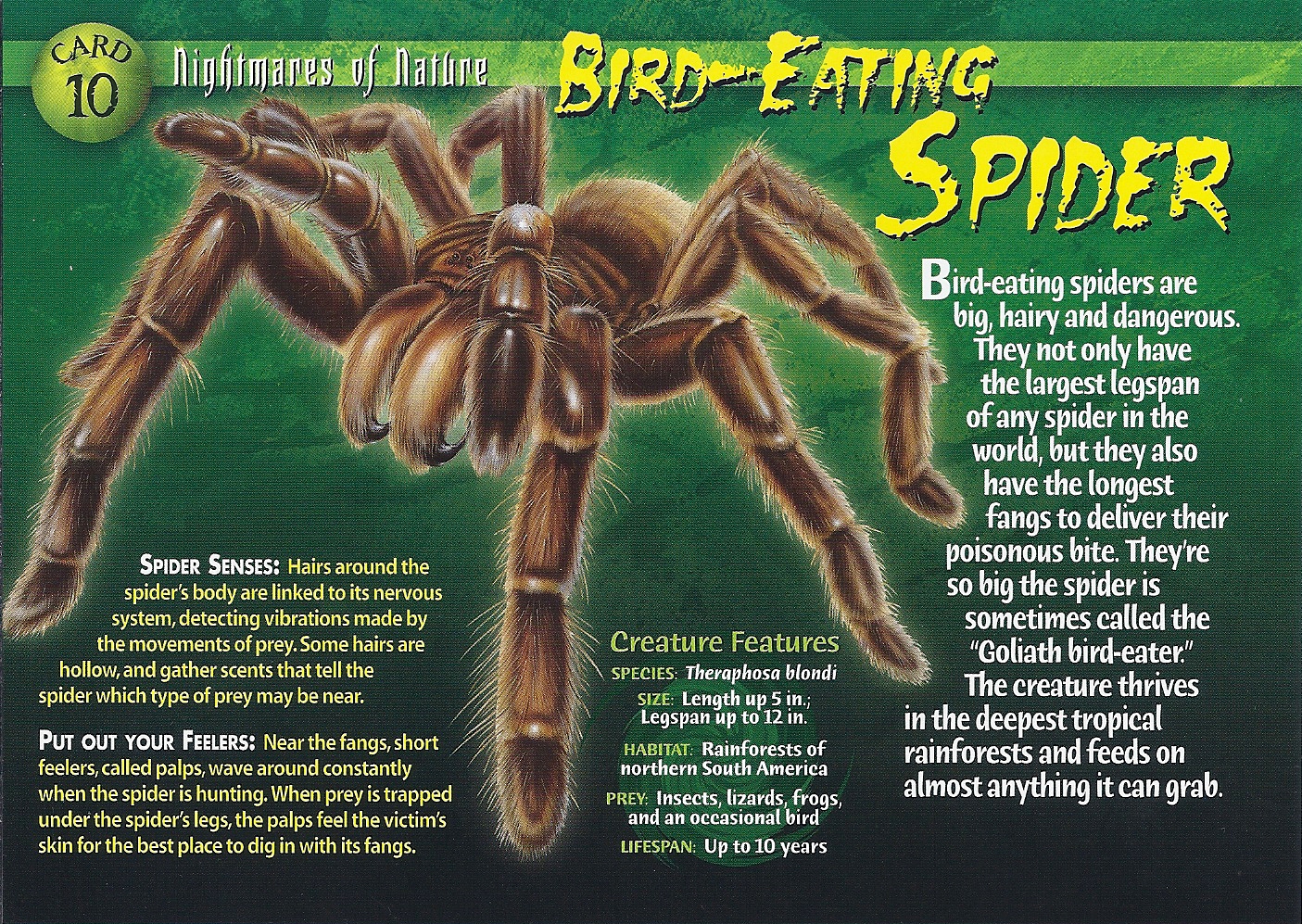
Have you ever wondered where bird-eating spiders live? These giant spiders might sound like creatures from a scary movie, but they actually have specific places they call home.
If you want to know where you might find these fascinating yet intimidating spiders, you’re in the right place. Understanding their habitat will not only satisfy your curiosity but also help you stay safe and appreciate the amazing world of nature.
Keep reading to discover exactly where bird-eating spiders make their homes and why these spots are perfect for them.
Credit: timesofindia.indiatimes.com
Spider Species That Eat Birds
Bird-eating spiders captivate many with their unique hunting habits. They thrive in diverse habitats around the globe. These spiders, known for their size, possess intriguing adaptations. They hunt small birds, insects, and small mammals. Understanding their traits helps appreciate their role in nature.
Notable Bird-eating Spiders
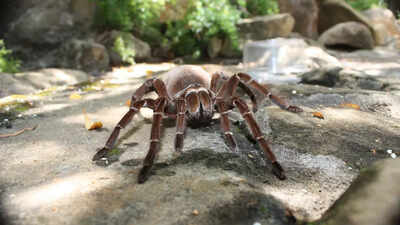
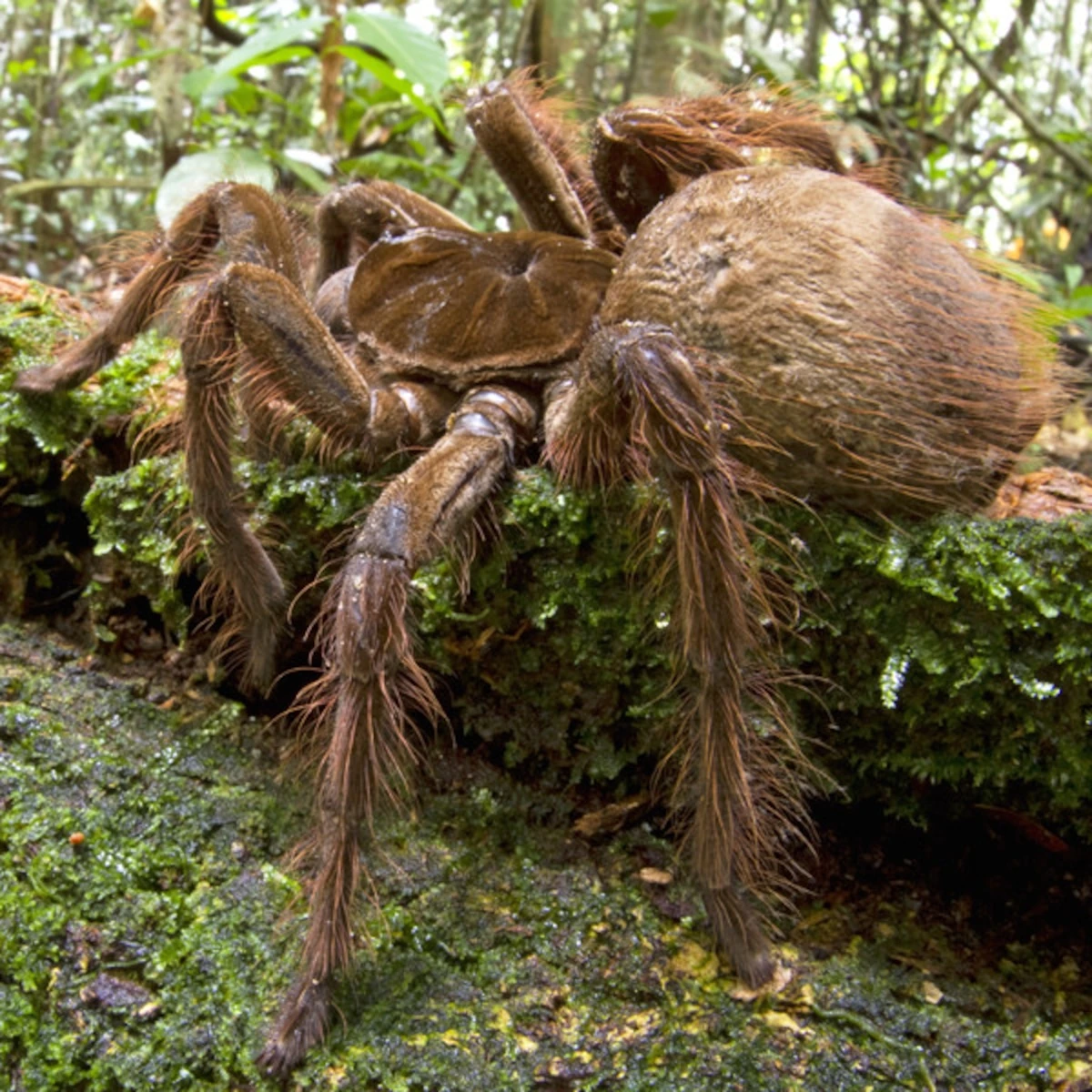
Several spider species are known for eating birds. One famous example is the Goliath birdeater. This giant tarantula resides in South American rainforests. Another noteworthy species is the Huntsman spider. Found in Australia, it is known for its speed and agility. These spiders rarely consume birds. But their size and strength make it possible.
Physical Traits And Adaptations
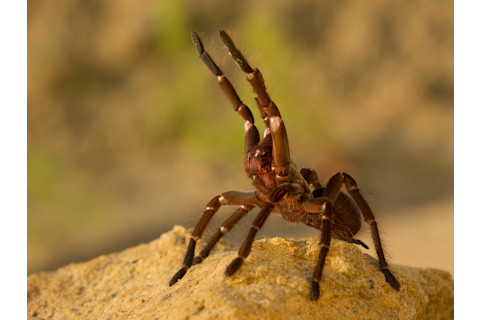
Bird-eating spiders have unique physical traits. Their large fangs deliver venom to prey. This venom incapacitates their victims quickly. Their strong legs help in capturing prey. Adaptations allow them to climb trees and ambush birds. They rely on stealth and strength for successful hunts. Their hairy bodies detect vibrations, alerting them to approaching prey.
Preferred Climate Zones
Bird eating spiders prefer certain climate zones where they thrive best. These spiders need warm, humid environments to support their growth and hunting habits. The climate affects their activity and survival. They are mostly found in areas with stable temperatures and enough moisture to keep them active.
Tropical Rainforests
Tropical rainforests offer ideal conditions for bird eating spiders. These forests have high humidity and warm temperatures all year. Dense vegetation provides many hiding spots and prey. The constant moisture helps spiders keep their bodies hydrated. Many species of bird eating spiders live in these lush forests.
Subtropical Regions
Subtropical zones have warm summers and mild winters. These climates support spider populations well. The spiders find shelter in bushes, trees, and underground burrows. Seasonal rains keep the environment moist enough for their survival. Bird eating spiders adapt well to these areas but prefer places with less cold.
Temperate Areas
Temperate areas are less common habitats for bird eating spiders. They can survive in warmer parts of temperate zones. These spiders avoid cold winters by hiding in protected places. They become less active or enter a dormant state during cold months. Temperate climates with mild winters can still support some species.
Typical Habitats
Bird-eating spiders thrive in diverse environments across tropical and subtropical regions. Their habitats offer shelter, food, and breeding sites. These spiders adapt to places that protect them from predators and harsh weather. Understanding their typical habitats reveals how they survive and hunt.
Ground Burrows And Holes
Many bird-eating spiders live in burrows dug into the ground. These holes provide safety and a cool, dark place to hide. The spiders line their burrows with silk to strengthen the walls. They wait at the entrance to catch passing prey. Burrows help them avoid extreme heat and predators.
Tree Canopies And Foliage
Some species prefer living high in trees. They build silk retreats among leaves and branches. Tree canopies offer many insects and small animals to eat. The dense foliage provides good cover and hunting grounds. These spiders use the height to avoid ground threats.
Leaf Litter And Forest Floor
Leaf litter on the forest floor is a common habitat. The thick layer of leaves hides the spiders from enemies. It also holds moisture, which the spiders need to stay alive. They use the leaf litter to ambush prey. This habitat offers both shelter and hunting chances.
Credit: fictionrulezforever.fandom.com
Nesting And Web Construction
Nesting and web construction are vital to the survival of bird-eating spiders. These spiders don’t just spin webs randomly—they create structures that protect them, catch prey, and support their young. Understanding how they build their homes reveals much about their behavior and habitat preferences.
Burrow Architecture
Bird-eating spiders often dig deep burrows to live in. These burrows can be several inches long and are lined with silk to reinforce the walls. The silk lining helps prevent the soil from collapsing and keeps the burrow dry.
Many species add a silk trapdoor at the entrance. This door blends with the surroundings, providing camouflage and protection. Have you ever wondered how a spider can sense prey passing outside without leaving its safe spot? The trapdoor transmits vibrations, alerting the spider to nearby movement.
Inside the burrow, spiders create silk mats or nests where they rest and lay eggs. These cozy spots offer safety from predators and harsh weather. If you have a garden, try spotting small silk-covered holes and imagine the spider’s hidden world beneath.
Web Types And Placement
Unlike typical orb-weaving spiders, bird-eating spiders use webs mainly around their burrow entrances. Their silk threads extend outward, forming trip lines or snares. These lines act like a security system, signaling when prey is close.
The placement of these webs depends heavily on the spider’s environment. In dense forests, webs might be placed near fallen logs or leaf litter where insects are common. Open areas encourage spiders to build more extensive trip lines to maximize their chances of catching prey.
Interestingly, some bird-eating spiders do not rely much on webs for catching food. Instead, they depend on their strength and speed to ambush prey at night. This raises a question: Would you expect a spider that can hunt birds to still need a web? Their strategy shows how adaptable they are to different habitats.
Geographical Hotspots
Bird eating spiders, also known as tarantulas, thrive in specific geographical hotspots around the world. These areas provide the right climate, shelter, and food sources that support their survival. Understanding where these spiders live can help you appreciate the diversity of their habitats and their role in local ecosystems.
South America
South America is home to some of the most famous bird eating spiders, especially in the Amazon rainforest. The warm, humid environment offers plenty of prey and hiding spots.
You might be surprised to learn that countries like Brazil, Venezuela, and Colombia have dense populations of these spiders. If you ever visit these jungles, watch your step—tarantulas often dwell under logs or in burrows.
Southeast Asia
Southeast Asia’s tropical forests provide an ideal habitat for several bird eating spider species. Countries such as Thailand, Malaysia, and Indonesia boast rich biodiversity that supports these large spiders.
In this region, the spiders often live in humid lowland forests and sometimes near human settlements. Their presence raises an important question: how do these spiders adapt when their natural habitats shrink due to deforestation?
Australia And Oceania
Australia and surrounding islands in Oceania are less known but still significant homes for bird eating spiders. The Australian rainforest and grasslands shelter unique species with fascinating survival strategies.
Here, spiders often inhabit burrows or tree hollows. If you venture into these regions, you’ll notice how these spiders have adapted to both dry and moist environments, showing their incredible versatility.
Environmental Factors Influencing Habitat
Bird eating spiders choose their homes based on several key environmental factors. These factors affect their survival and ability to thrive. Understanding these helps explain why they live where they do. Each factor plays a role in shaping their habitat preferences.
Temperature And Humidity
Bird eating spiders prefer warm and humid climates. They thrive in tropical and subtropical regions. High humidity helps them stay hydrated and supports their silk production. Temperatures between 70°F and 90°F suit their activity levels best. Too cold or dry conditions limit their survival chances.
Availability Of Prey
These spiders need a steady food supply to survive. They hunt insects, small reptiles, and sometimes birds. Their habitat must have enough prey to support their diet. Dense forests and areas with rich biodiversity provide ample hunting grounds. Scarce prey forces spiders to move or face starvation.
Predator Avoidance
Safety from predators is crucial for bird eating spiders. They prefer habitats with hiding spots like thick leaf litter and tree bark. Underground burrows and dense foliage offer protection. Staying hidden reduces risks from birds, snakes, and larger mammals. This factor strongly influences their habitat choice.
Human Impact On Spider Homes
Human activities have a significant impact on the habitats of bird-eating spiders. These spiders rely on specific environments to survive and thrive, but changes caused by humans can disrupt their homes. Understanding these effects helps you see how your actions might influence these fascinating creatures.
Deforestation Effects
Cutting down forests removes the natural shelters and hunting grounds bird-eating spiders depend on. Without dense foliage and tree cover, these spiders lose both protection from predators and access to prey. You might not realize it, but even small-scale logging can fragment their habitat, making survival harder.
Have you ever noticed fewer insects or spiders in areas where trees were cleared? This decline directly affects the food chain and spider populations.
Urbanization Challenges
Building cities and roads replaces natural spider homes with concrete and asphalt. Bird-eating spiders struggle to adapt to noisy, polluted, and brightly lit urban areas. Often, their usual hiding spots disappear, forcing them into less ideal environments.
However, some spiders find ways to live near humans, hiding in gardens or old buildings. What can you do to help create safe spaces for them in your neighborhood?
Conservation Efforts
People around the world are working to protect spider habitats through reserves and habitat restoration. Planting native trees and reducing pesticide use can make a big difference. You can support these efforts by choosing sustainable products and participating in local conservation projects.
Imagine if everyone took small steps to protect these spiders’ homes—how much better could their future be?
Credit: www.discovermagazine.com
Frequently Asked Questions
Where Do Bird Eating Spiders Usually Live?
Bird eating spiders primarily inhabit tropical rainforests in Central and South America. They prefer humid, warm environments with dense vegetation. These spiders often dwell in burrows or under logs and leaf litter, providing shelter and hunting grounds. Their habitats offer protection and ample prey availability.
What Type Of Environment Suits Bird Eating Spiders Best?
Bird eating spiders thrive in humid, tropical climates with abundant cover. They need moist soil for burrowing and dense foliage for hiding. Rainforests with stable temperatures and high humidity create ideal conditions. Such environments support their survival and hunting behaviors effectively.
Are Bird Eating Spiders Found Outside Rainforests?
Bird eating spiders are mostly restricted to tropical rainforests but can also be found in nearby grasslands or savannas. However, they rarely venture far from humid and sheltered habitats. Their survival depends on specific climate and environmental conditions present in these regions.
How Do Bird Eating Spiders Adapt To Their Habitat?
These spiders adapt by creating burrows to avoid predators and extreme weather. They use camouflage to blend with forest floors and are nocturnal hunters. Their large size helps them catch a variety of prey, maximizing chances of survival in dense habitats.
Conclusion
Bird-eating spiders live mostly in warm, tropical places. They prefer forests and places with lots of plants. These spiders like dark, quiet spots where they can hide. They build webs or burrows to catch their prey safely. Understanding their habitats helps us respect their role in nature.
These spiders are important for keeping insect numbers down. Watching them can teach us about wildlife and ecosystems. Their homes show how life adapts to different environments. Nature is full of surprises, like the bird-eating spider’s home.