
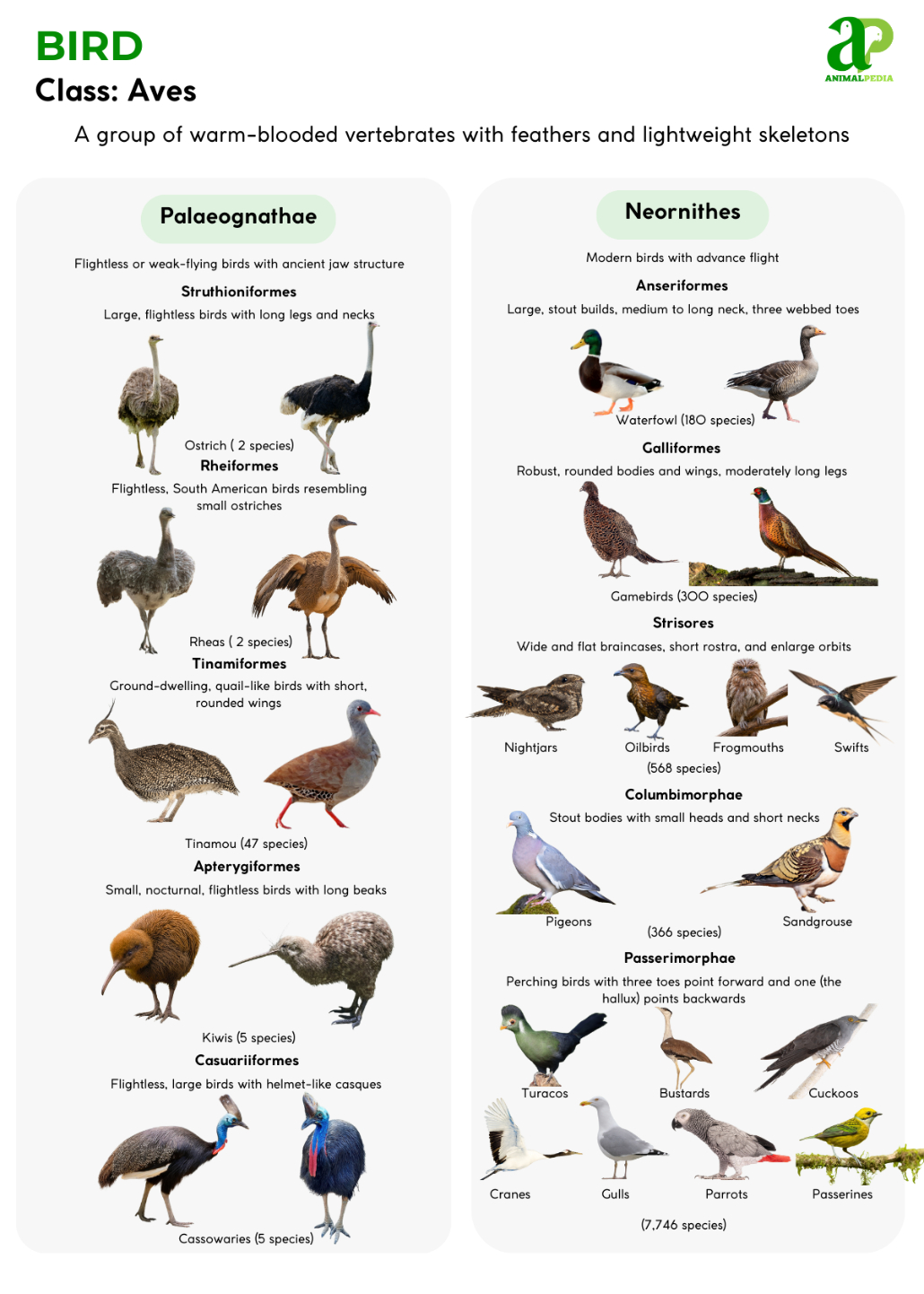
Have you ever wondered where birds feel most at home? Understanding the types of habitats birds live in can change the way you see the world around you.
Whether you’re a casual bird watcher or just curious, knowing where birds thrive helps you connect with nature on a deeper level. You’ll discover the different places birds choose to live and why those environments matter. Keep reading to unlock fascinating insights about your feathered neighbors and how their habitats shape their lives.
Credit: animal-pedia.org
Bird Habitats Around The World
Birds live in many habitats like forests, deserts, wetlands, and cities. Each bird chooses a home that fits its needs for food and safety. Habitats shape how birds find shelter and raise their young.
Birds are fascinating creatures that have adapted to thrive in a wide array of habitats across the globe. These habitats not only provide birds with food and shelter but also serve as breeding grounds and safe havens from predators. Understanding the diverse environments where birds live can offer insights into their behaviors and survival strategies. Let’s explore the fascinating world of bird habitats around the world.Forest Habitats
Forests are home to an incredible variety of bird species. From the lush rainforests of the Amazon to the dense woodlands of North America, each forest type offers unique resources. Have you ever wondered why the haunting call of an owl is often associated with the night? Many forest birds, like owls, have adapted to become nocturnal, using the cover of darkness to hunt and avoid daytime predators.Wetland Habitats
Wetlands are some of the most productive ecosystems for birds. They provide an abundance of food sources like fish, insects, and plants. Picture a graceful heron standing still, its eyes focused on the water. Wetland birds have developed specialized hunting techniques, with some able to stand motionless for long periods, waiting for the perfect moment to strike.Desert Habitats
While deserts might seem inhospitable, they host a surprising number of bird species. Birds like the roadrunner have adapted to survive in these extreme conditions, with behaviors and physical traits that help them conserve water. Imagine a bird racing across the hot sand, using its speed to catch lizards and insects. In deserts, every drop of water and every bit of shade counts.Grassland Habitats
Grasslands, with their wide-open spaces, are ideal for birds that require ample space to forage and nest. Species like the majestic crane or the swift-flying falcon thrive here. These birds often display spectacular aerial displays during courtship and hunting. Next time you see a bird gliding effortlessly over a field, consider the precision and skill honed over generations in these open habitats.Urban Habitats
Cities and towns might not seem like natural habitats, yet many birds have successfully adapted to urban environments. Pigeons, sparrows, and even peregrine falcons have made cityscapes their homes. How do they cope with noise and pollution? Urban birds often exhibit remarkable adaptability, using buildings as nesting sites and feeding on human scraps. Birds are a testament to the adaptability and resilience of nature. As you observe them in various habitats, think about the unique challenges and opportunities each environment presents. What might these birds teach us about survival and adaptation in changing environments?Forests As Bird Homes
Forests provide some of the richest and most diverse habitats for birds. These environments offer shelter, food, and breeding grounds that suit a wide range of bird species. Understanding the different types of forests helps you appreciate how birds adapt and thrive in various conditions.
Tropical Rainforests
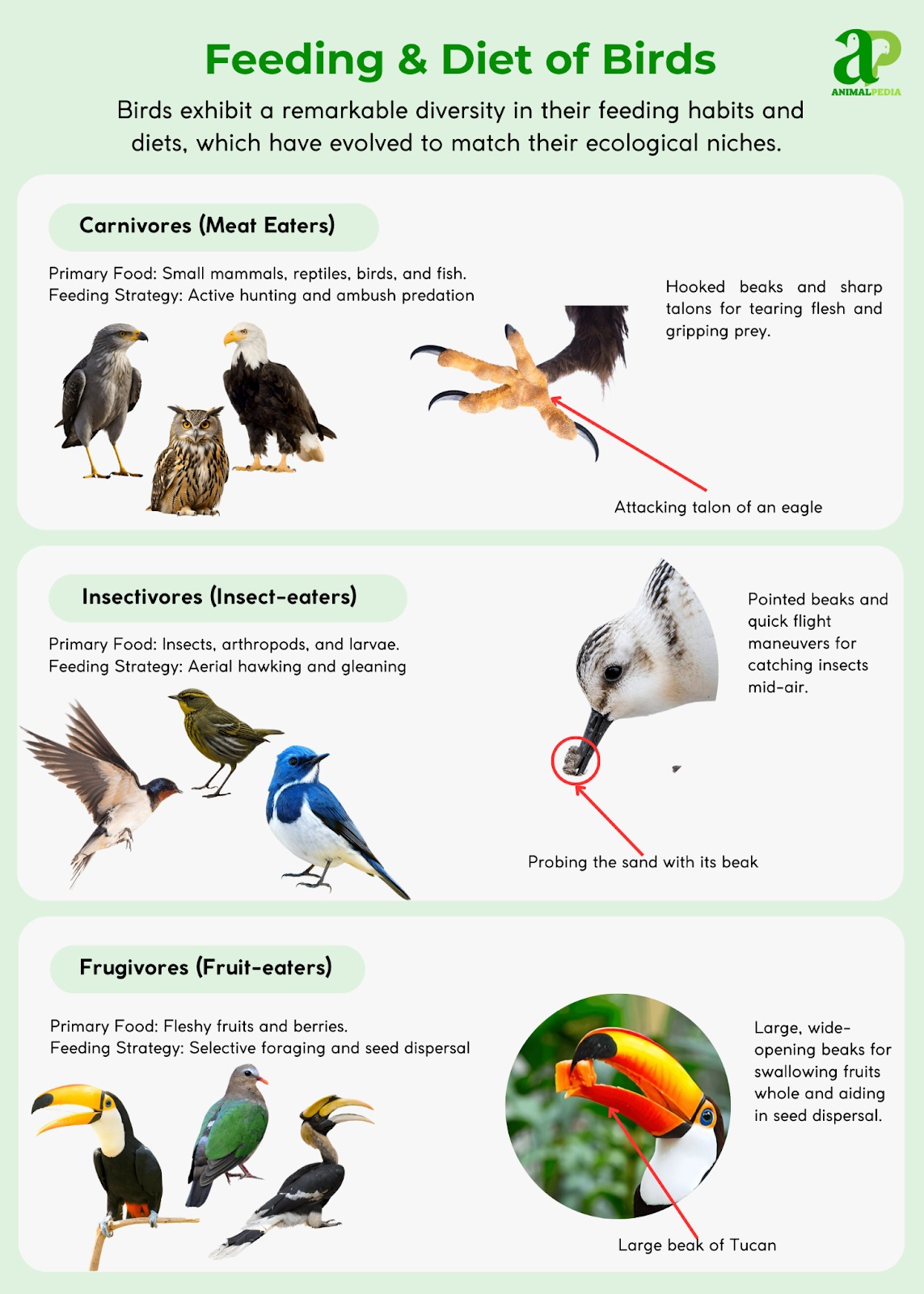
Tropical rainforests are bursting with life, hosting thousands of bird species. The dense canopy creates multiple layers, each with unique birds like toucans, parrots, and hummingbirds. You might be surprised how some birds use the thick foliage not only for shelter but also to hunt insects and fruits.
These forests stay warm and wet all year, which supports a constant food supply. If you’ve ever listened to the dawn chorus in a rainforest, you know it’s an orchestra of color and sound. Have you noticed how some birds here have bright feathers? That’s their way to stand out in the dim light under the canopy.
Temperate Forests
Temperate forests experience seasonal changes that impact bird behavior. You’ll find woodpeckers, owls, and warblers here, each adapted to colder winters and warmer summers. The falling leaves create a thick layer on the ground, offering insects and seeds that many birds rely on.
During migration seasons, these forests serve as crucial stopover points for birds to rest and refuel. Think about how you prepare for a long trip—birds do the same by eating more in these forests. Do you wonder how they remember the best spots to find food year after year?
Boreal Forests
Boreal forests, or taigas, stretch across northern regions and endure long, harsh winters. Birds like the spruce grouse and boreal chickadee have special adaptations to survive the cold. Their feathers provide insulation, and some species change their diet based on the season.
In summer, these forests become breeding hotspots for migratory birds taking advantage of the abundance of insects. Imagine the energy it takes for birds to migrate here and back each year. What strategies do you think help them navigate such vast distances?
Wetlands And Waterbird Habitats
Wetlands and waterbird habitats are vital for many bird species. These areas provide food, shelter, and breeding grounds. Birds thrive in these watery environments filled with rich plant life and abundant insects. Waterbirds depend on wetlands for survival and daily activities.
Marshes And Swamps
Marshes and swamps are wetlands with shallow water and dense vegetation. They offer excellent cover for birds to hide from predators. Many waterbirds, like herons and ducks, feed on fish and insects found here. These habitats support nesting sites and resting areas for migrating birds.
Lakes And Ponds
Lakes and ponds are freshwater habitats that attract various bird species. Birds such as swans, geese, and kingfishers rely on these waters for food. The calm surface allows birds to swim, dive, and hunt for fish and plants. Shores around lakes and ponds provide safe nesting spots.
Mangroves
Mangroves are coastal wetlands with salt-tolerant trees. They protect shorelines and serve as nurseries for many aquatic creatures. Birds like egrets and ospreys hunt fish and crustaceans here. Mangroves offer secure nesting sites above the water, safe from many land predators.
Grasslands And Open Plains
Grasslands and open plains are vast spaces filled with grasses and few trees. These habitats support many bird species that thrive in wide, open areas. Birds here adapt to the open sky and ground cover for food and safety. Their behaviors and appearances often reflect the needs of these expansive environments.
Savannas
Savannas are warm grasslands with scattered trees. Birds here use trees for nesting and open ground for feeding. Many species feed on insects, seeds, and small animals. Birds like hornbills and larks are common residents. They often soar high to spot prey or predators. The mix of trees and grass creates a rich habitat for diverse bird life.
Prairies
Prairies are flat or rolling grasslands mostly found in North America. Birds in prairies rely on grasses for shelter and nests. Species such as meadowlarks and sparrows build nests on or near the ground. Many prairie birds feed on insects and seeds. The open space allows easy flight and quick escape from danger. These birds are well adapted to windy, open conditions.
Deserts And Arid Regions
Deserts and arid regions are some of the toughest places for birds to live. These areas have very little water and extreme temperatures. The landscape is often sandy or rocky, with sparse vegetation. Birds in these habitats must find ways to survive with limited resources. Many have special traits to cope with heat and dryness. They also find unique food sources and places to nest.
Adaptations For Dry Habitats
Birds in deserts have special adaptations to stay alive. Many can go long periods without drinking water. They get moisture from the food they eat, such as insects or plants. Their bodies lose less water through waste. Some birds have light-colored feathers to reflect sunlight and keep cool. They often rest during the hottest parts of the day. Strong legs help them walk on hot sand. Sharp eyesight helps them spot prey from far away.
Bird Species In Deserts
Several bird species thrive in deserts and dry areas. The roadrunner is a fast runner that hunts small animals. The cactus wren builds nests in thorny plants for protection. The sandgrouse can fly long distances to find water. Some owls, like the burrowing owl, live in underground holes to escape heat. These birds have unique ways to live in harsh desert conditions.
Credit: learn.birdscanada.org
Urban And Suburban Areas
Urban and suburban areas offer a surprising variety of habitats for birds. These environments combine natural and human-made elements, creating unique spaces where different bird species can thrive. Understanding where birds live in these areas helps you appreciate their adaptability and might even encourage you to support local wildlife.
Birds In Cities
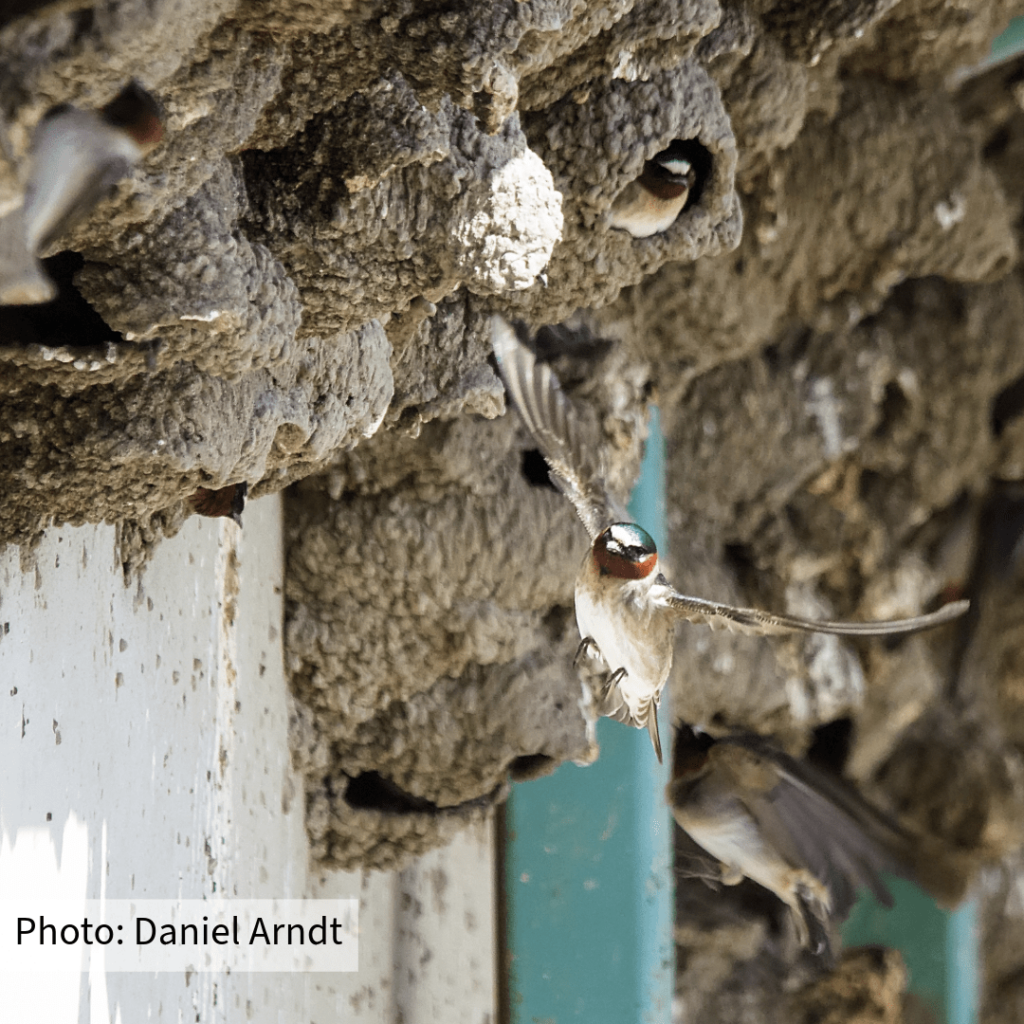
Cityscapes might seem hostile to wildlife, but many birds have adapted well to these busy environments. Pigeons, sparrows, and starlings are common sights, often nesting on building ledges or in small green pockets between concrete structures.
Have you noticed how some birds use streetlights or traffic signals as perches? These elevated spots give them a clear view for spotting food and predators. You can encourage city birds by providing water sources or planting native shrubs on balconies or rooftops.
Gardens And Parks
Gardens and parks act as vital refuges for birds in urban and suburban settings. They offer food, shelter, and nesting places that are often scarce in densely built areas.
If you want to attract more birds to your garden, try planting a mix of native trees, flowers, and shrubs. These plants provide berries, seeds, and insects, which are essential for different bird species. Adding bird feeders and birdbaths can also make your outdoor space a welcoming habitat.
Mountain And Alpine Zones
The mountain and alpine zones offer some of the most challenging habitats for birds. These areas are defined by steep slopes, colder temperatures, and thinner air as you go higher. Despite these tough conditions, many bird species have adapted to thrive here, showing incredible resilience and specialized behaviors.
High Altitude Birds
Birds living at high altitudes face low oxygen and cold weather daily. Species like the Himalayan Snowcock and the Andean Condor have strong lungs and efficient blood flow to survive. You might spot these birds soaring effortlessly, using rising warm air currents to glide with minimal energy.
Many high altitude birds also have thick feathers to retain heat and strong feet to grip rocky surfaces. Have you ever wondered how these birds find food when plants are scarce? They often rely on a varied diet, including insects, small mammals, and carrion.
Forest-mountain Transitions
The forest-mountain transition zone is where dense forests slowly give way to sparse alpine vegetation. This area supports diverse bird life, including species like the Mountain Chickadee and various woodpeckers. These birds use the trees for shelter and nesting but can also venture into open alpine areas to feed.
As you hike through these zones, listen for the distinct calls of birds adapting to both forest and mountain life. Their presence indicates how ecosystems blend and support wildlife in unique ways. What changes do you notice in bird behavior as you move from thick forest to open mountain slopes?
Credit: lakeconews.com
Coastal And Marine Environments
Coastal and marine environments host a rich variety of bird species. These habitats offer abundant food and safe nesting sites. Birds living here have unique adaptations to survive salty air, strong winds, and changing tides. They thrive on beaches, estuaries, and open ocean areas.
Seabirds And Shorebirds
Seabirds spend most of their time over the ocean. They feed on fish, squid, and other sea creatures. Examples include albatrosses, gulls, and terns. Shorebirds live along the edges of water, such as mudflats and sandy beaches. They hunt for insects, crustaceans, and small fish. These birds have long legs and beaks to help them search for food in shallow water.
Cliffs And Rocky Shores
Many birds nest on cliffs and rocky shores. These spots protect them from predators. Birds like puffins and cormorants build nests in crevices or ledges. Rocky shores provide food like mollusks and small fish. The rough terrain suits birds that can cling and fly skillfully. These environments are crucial for breeding and raising young birds safely.
Impact Of Habitat Changes
Bird habitats face many challenges that affect bird populations worldwide. Changes in land use and climate disrupt the places birds call home. These shifts can reduce food, nesting sites, and safety. Understanding these impacts helps us protect birds and their environments.
Habitat Loss
Birds lose homes due to deforestation, urban growth, and farming. Trees and plants that provide shelter disappear. Birds must travel farther to find food and shelter. Some species cannot adapt and may die out. Habitat loss reduces biodiversity and weakens ecosystems.
Climate Change Effects
Climate change alters temperature and weather patterns. Birds face shifts in migration timing and breeding seasons. Some habitats become unsuitable due to heat or drought. Rising sea levels flood coastal nests. These changes force birds to move or face survival risks.
Conservation Efforts
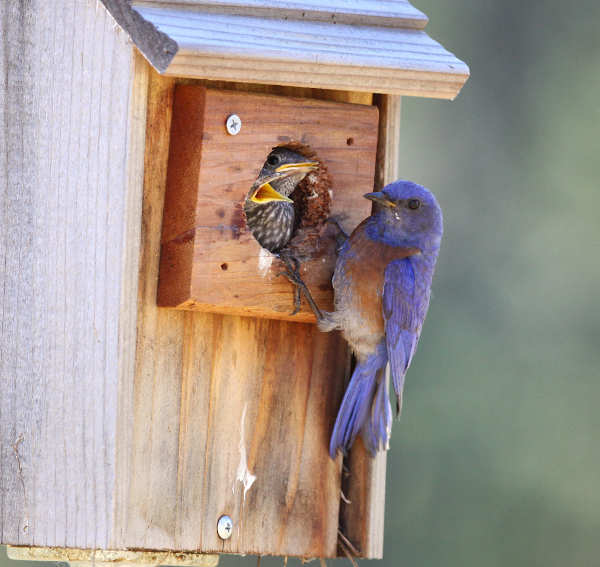
Many groups work to save bird habitats. Protected areas and parks help preserve natural homes. Planting native trees restores lost habitats. Laws limit hunting and land destruction. People also build birdhouses and feeders to support local birds.
Frequently Asked Questions
What Types Of Habitats Do Birds Prefer Most?
Birds live in diverse habitats like forests, wetlands, grasslands, and urban areas. Each species adapts to specific environments for food and shelter.
How Do Birds Adapt To Different Habitats?
Birds develop unique traits like beak shape and nesting habits to survive. Adaptations help them find food and protect against predators in their habitats.
Can Birds Live In Urban Habitats?
Yes, many birds thrive in cities. Urban areas offer food sources and nesting spots, though challenges like pollution exist.
Why Are Wetlands Important For Bird Habitats?
Wetlands provide birds with abundant food and nesting sites. They support migratory and resident bird species by offering water and shelter.
Conclusion
Birds live in many types of habitats, from forests to deserts. Each bird chooses a place that suits its needs. Some prefer trees, others open fields or wetlands. Habitats provide food, shelter, and safety for birds. Protecting these places helps birds survive and thrive.
Watching birds in their homes teaches us about nature’s balance. Every habitat is important for the life of birds. Understanding where birds live helps us care for them better. Nature’s variety makes the world more beautiful and alive.