
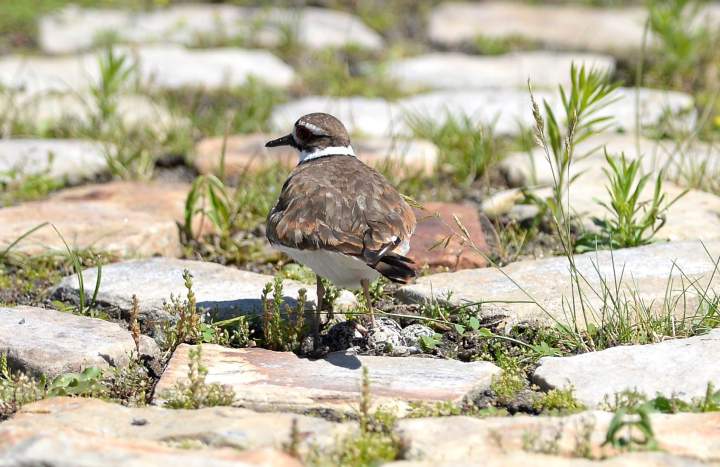
Have you ever spotted a Killdeer bird darting across an open field and wondered how you could help create a safe place for it to nest? Building the perfect Killdeer nesting habitat isn’t as hard as you might think.
By making a few simple changes to your outdoor space, you can attract these unique birds and watch their fascinating nesting habits up close. You’ll discover easy steps to create an ideal environment that encourages Killdeer to settle and raise their young right in your backyard.
Keep reading, and you’ll learn how to make your space a welcoming home for these striking birds.
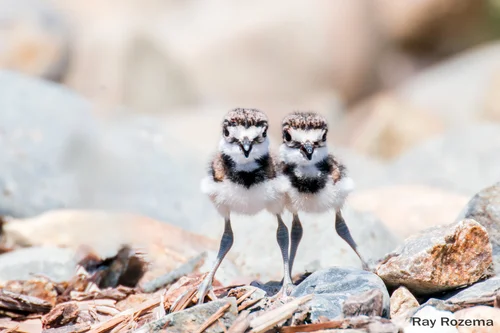
Credit: www.sacramentoaudubon.org
Killdeer Nesting Basics
Creating a safe, open space with gravel or bare ground attracts Killdeer birds to nest. Avoid disturbing the area to help eggs and chicks stay protected. Simple changes in your yard can support their natural nesting habits.
Creating a welcoming environment for killdeer birds to nest can be a rewarding project. These charming birds are known for their distinctive calls and fascinating nesting behaviors. Understanding their basic needs is key to fostering a successful nesting habitat in your area.Killdeer Habitat Needs
Killdeer thrive in open spaces with short vegetation. They prefer areas where they can easily spot predators. Your backyard or a nearby field can be ideal if you maintain low grass and minimal shrubbery. These birds need to be near a water source. A small pond or a simple bird bath can do wonders. Ensure there’s plenty of loose gravel or sandy soil, as killdeer use these materials to create their nests.Nesting Season Timing
Timing is crucial for creating a killdeer nesting habitat. They typically nest from March through August. Plan your habitat setup a month or two before this period to give them time to explore the area. Keep an eye out for their arrival by listening for their call. Once they arrive, they often return to the same nesting spots each year, making it easier to plan future seasons.Typical Nest Sites
Killdeer are ground-nesters, choosing sites that are flat and open. They often pick gravel roadsides, open fields, or even your driveway. This might seem odd, but their camouflaged eggs blend well with these surfaces. Consider roping off an area in your yard to mimic these conditions. A small gravel patch can be a perfect spot for them to lay eggs. Keep disturbances to a minimum to make the site as inviting as possible. Have you ever considered how your everyday environment impacts local wildlife? Creating a killdeer nesting habitat not only supports these birds but also enriches your connection with nature. Try adapting these insights and see how many killdeer families you can welcome this nesting season!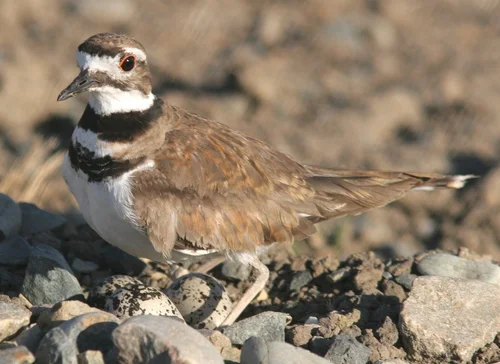
Credit: www.sacramentoaudubon.org
Choosing The Right Location
Choosing the right location is crucial when creating a nesting habitat for Killdeer birds. These ground-nesting birds need a spot that supports their unique nesting habits and protects their eggs and chicks. Picking the perfect site can greatly increase the chances of your efforts paying off.
Ideal Ground Conditions
Killdeer prefer open, gravelly, or sandy areas with sparse vegetation. They often choose places like gravel driveways, rooftops, or bare patches in fields. The ground should be well-drained and firm enough to support their shallow scrapes where they lay eggs.
Think about spots on your property that receive plenty of sunlight and have minimal plant cover. These conditions help the eggs blend into the surroundings, providing natural camouflage. Have you noticed patches where water doesn’t pool after rain? Those are often ideal.
Avoiding Predators
Predators like raccoons, snakes, and cats pose a significant threat to Killdeer nests. Choose locations that are less accessible to these animals. Avoid areas near dense shrubs or heavy brush where predators can hide and ambush.
You can also consider creating small barriers or gentle slopes to discourage predators without disturbing the birds. Observing the area at different times can help identify predator activity. What measures can you take to keep your chosen spot safe without interfering with the natural behavior of the Killdeer?
Proximity To Water Sources
Killdeer often nest near water but not directly in wet zones. Having a water source within a short distance provides them with food and hydration. Ponds, streams, or even birdbaths can support their daily needs.
However, avoid placing nests too close to water where flooding can occur or where moisture attracts more predators. A balance is key—enough proximity for convenience but not enough to increase risk. Do you have a reliable water source nearby that fits this balance?
Preparing The Nesting Area
Preparing the nesting area is key to supporting Killdeer birds. It helps attract them to lay eggs safely. A well-prepared site mimics their natural habitat. This increases the chances of successful nesting and chick survival.
Clearing And Leveling Ground
Start by removing tall grass and weeds. Clear sticks, leaves, and debris from the area. Keep the ground flat and even. Killdeer prefer open, bare spaces for nesting. A smooth surface helps them spot predators quickly.
Adding Gravel And Small Stones
Scatter small stones and gravel on the cleared ground. These materials resemble the natural nesting sites of Killdeer. They provide drainage and prevent water buildup. The stones also help eggs blend into the surroundings.
Creating Camouflage Features
Use natural materials like dry leaves and twigs. Place them lightly around the nesting spot. Avoid covering the nest completely. Camouflage helps protect eggs from predators. It also keeps the nest hidden from human activity.
Attracting Killdeer To The Site
Attracting Killdeer birds to a nesting site takes some care and patience. These birds look for safe, quiet places with the right conditions. Creating an inviting area helps them feel secure and encourages nesting. Focus on natural cues and comfort to draw them in.
Using Decoys And Sounds
Decoys mimic real Killdeer birds and can catch their attention. Place them near the chosen site. Play recorded calls softly to simulate their presence. These sounds signal a safe and active territory. Avoid loud or constant noise to prevent stress.
Providing Food And Water
Killdeer eat insects, worms, and small invertebrates. Offer natural food sources by planting native plants that attract insects. Keep shallow water dishes nearby for drinking and bathing. Clean water encourages regular visits and supports their health.
Minimizing Disturbances
Killdeer need calm and quiet to feel safe. Limit human activity near the nesting area. Keep pets away to reduce stress. Avoid heavy machinery or loud noises. A peaceful environment increases the chance they will stay and nest.
Monitoring And Maintenance
Keeping an eye on your Killdeer nesting habitat is just as important as setting it up. Monitoring and maintenance help ensure the birds stay safe and comfortable throughout their nesting season. This ongoing care lets you catch problems early and adjust conditions to support successful hatching and chick growth.
Regular Site Inspections
Visit the nesting area frequently to check on the condition of the habitat. Look for signs of disturbance, such as footprints, trash, or animal tracks that could threaten the nests. Early detection of potential dangers allows you to take action before harm occurs.
Also, note any changes in the environment like erosion or water pooling that might affect the nest’s safety. Consistent observations provide insights into what works best and what needs improvement in your setup.
Managing Vegetation Growth
Keep the vegetation around the nesting site low and sparse to mimic the Killdeer’s natural preference for open, gravelly ground. Too much grass or brush can hide predators or make it hard for the birds to see threats approaching.
Trim or remove fast-growing plants carefully to avoid disturbing the nests. You might find that selective clearing helps maintain the right balance between shelter and visibility for the birds.
Protecting Eggs And Chicks
Minimize human interference by keeping pets and children away from the nesting area. Killdeer eggs and chicks are camouflaged and vulnerable, so even accidental stepping or loud noises can cause stress or abandonment.
Consider placing temporary barriers or signs to alert others about the sensitive habitat. Sometimes, simple steps like these can make a big difference in protecting the next generation of Killdeer.
Common Challenges
Creating a suitable nesting habitat for Killdeer birds comes with several challenges. These birds face threats from natural and human-related factors. Understanding these challenges helps in providing a safer environment for their nests.
Dealing With Predators
Predators pose a serious risk to Killdeer nests. Common predators include raccoons, snakes, and foxes. These animals often search for eggs or young birds to eat. Nest placement on open ground makes Killdeer vulnerable. Using natural cover like rocks or low shrubs can help. Avoid disturbing the nesting area to keep predators away.
Weather Impacts
Weather can affect nest success greatly. Heavy rain may flood nests or cool eggs too much. Strong winds can blow away loose nesting materials. Extreme heat can dry out eggs or cause overheating. Choosing well-drained areas for nests reduces flood risk. Shade from nearby plants helps protect nests from heat.
Human Interference
Human activity often disrupts nesting Killdeer. Walking near nests can scare birds away. This leaves eggs or chicks exposed to danger. Vehicles or machinery can destroy nests accidentally. Keeping a respectful distance is crucial. Signs or barriers can help keep people away from nesting zones.
Success Stories And Tips
Creating a killdeer bird nesting habitat is rewarding, especially when you see the birds thrive. Success often comes from learning what others have done right and what you can apply to your own space. Here, you’ll find real stories, expert advice, and tips for maintaining your habitat over time.
Case Studies
One backyard gardener shared how adding a flat gravel patch near their pond attracted a pair of killdeer. They noticed the birds favored open, rocky areas free from dense vegetation. This simple change helped the killdeer feel safe and encouraged nesting.
Another story comes from a community park where volunteers removed invasive plants and replaced them with native grasses and bare ground spots. This attracted killdeer and other ground-nesting birds. It shows how small habitat adjustments can make a big difference.
Expert Advice
- Keep the nesting area open and clear.Killdeer prefer open spaces with little cover, so avoid dense shrubbery.
- Use natural materials.Small pebbles, gravel, and bare soil mimic their preferred nesting grounds.
- Limit disturbances.Keep pets and foot traffic away during nesting season to prevent stress and abandonment.
Experts also stress patience. Killdeer may return year after year if your habitat stays consistent. Are you ready to make small changes that can lead to lasting results?
Long-term Habitat Care
Maintaining a killdeer nesting habitat requires regular attention. Remove debris like fallen leaves or sticks that can cover the open ground. Check for overgrowth and clear it before nesting season starts.
Water sources nearby are helpful, but avoid creating muddy patches that attract predators. Instead, focus on steady maintenance to keep the area inviting year after year. How will you keep your habitat ready for the next season of nesting?

Credit: www.sacramentoaudubon.org
Frequently Asked Questions
What Environment Do Killdeer Birds Prefer For Nesting?
Killdeer birds prefer open, gravelly areas like fields, shorelines, and lawns. They need well-drained, bare ground with scattered stones for camouflage and protection.
How Can I Prepare My Yard For Killdeer Nesting?
Create a gravelly or sandy patch with minimal vegetation. Avoid disturbing the area during nesting season and provide some flat stones for nest building.
When Is The Best Time To Create Killdeer Nesting Habitat?
The best time is early spring through summer. This aligns with the Killdeer’s breeding season, increasing the chances of successful nesting and chick survival.
What Plants Support Killdeer Nesting Habitats?
Low-growing grasses and sparse vegetation help. These plants don’t obstruct visibility, allowing Killdeers to spot predators and protect their nests effectively.
Conclusion
Creating a safe nesting habitat helps killdeer birds thrive. Choose open, gravelly areas with little grass. Keep pets and people away from nesting spots. Provide natural materials like small stones and twigs. Watch quietly from a distance to avoid stress.
Small efforts make a big difference for these birds. Enjoy seeing killdeer raise their young each season. Your care supports local wildlife and nature’s balance. Start today and help these unique birds feel at home.