
Have you ever wondered where birds feel most at home? Understanding what a bird’s habitat is can change the way you see the world around you.
Your backyard, a nearby forest, or even a city park could be a bustling neighborhood for many feathered friends. Knowing about birds’ habitats helps you connect with nature on a deeper level and even support their survival. Keep reading to discover the secrets behind where birds live and why it matters to you.
Bird Habitats Around The World
Birds are fascinating creatures that inhabit a diverse range of environments across the globe. Each habitat offers unique resources and challenges, shaping the bird species that call it home. From dense forests to bustling cities, bird habitats are as varied as the birds themselves.
Forests And Woodlands
Forests and woodlands are teeming with bird life. These areas provide an abundance of food sources such as insects, fruits, and seeds. Birds like woodpeckers, owls, and warblers thrive here, using the dense foliage for nesting and protection.
Next time you visit a forest, take a moment to listen to the symphony of bird songs. It’s a reminder of the intricate ecosystems that forests support.
Wetlands And Marshes
Wetlands and marshes are vibrant habitats for waterfowl, waders, and many migratory birds. These areas are rich in biodiversity, offering ample feeding and breeding grounds. Species like herons, ducks, and flamingos find refuge in these watery landscapes.
Have you ever witnessed the elegant dance of a heron as it hunts? It’s a sight that underscores the importance of conserving these vital ecosystems.
Grasslands And Savannas
Grasslands and savannas are home to birds adapted to open spaces, such as raptors and ground-nesting species. The wide, open vistas provide excellent hunting grounds for birds like hawks and eagles. Meanwhile, species like the ostrich and the secretary bird roam the expansive terrain.
Imagine the thrill of spotting a raptor soaring overhead, a testament to the untamed beauty of these regions.
Mountains And Cliffs
Mountains and cliffs offer challenging but rewarding habitats for birds. These environments attract species like the majestic condor and the agile alpine swift. The high altitudes and rugged terrains are perfect for birds adapted to cold, windy conditions.
Have you ever thought about the resilience it takes for birds to navigate these harsh landscapes? Their presence is a testament to nature’s adaptability.
Urban And Suburban Areas
Urban and suburban areas are increasingly becoming important habitats for birds. Species such as pigeons, sparrows, and crows have adapted remarkably well to city life. These birds utilize buildings, parks, and gardens for nesting and feeding.
Next time you walk through your neighborhood, notice the birds around you. They are proof that nature finds a way to coexist with human environments.

Credit: smallfarms.cornell.edu
How Birds Choose Their Homes
How do birds decide where to live? Their choices might surprise you. Birds carefully pick their homes based on many factors that ensure safety, food, and comfort.
Factors Influencing Habitat Selection
Birds look for places with enough food nearby. If the area has plenty of insects, seeds, or nectar, it becomes more attractive.
Safety matters a lot. Birds avoid spots where predators are common or where human activity is high.
Weather conditions also play a role. Some birds prefer warmer climates, while others thrive in cooler zones. Have you noticed how some birds only appear during certain seasons in your area?
Nesting Sites And Materials
Choosing the right nesting site is critical. Birds might pick tree branches, ground spots, or even crevices in rocks depending on their species.
The materials they gather can vary widely. Twigs, leaves, mud, feathers, and even spider webs are used to build secure nests.
Think about the last time you saw a bird building a nest. The care it takes to select materials shows how important a sturdy home is for their eggs and chicks.
Seasonal Migrations And Habitat Changes
Many birds don’t stay in one place all year. They migrate to find better habitats during different seasons.
Migration helps them avoid harsh winters or find abundant food during breeding seasons. This movement affects how and where they build nests.
Have you ever wondered why some birds vanish in winter and return in spring? Their homes change with the seasons, adapting to survival needs.
Unique Bird Homes
Birds create some of the most fascinating homes in the natural world. These unique bird homes are not just shelters but also protect their eggs and young from predators and harsh weather. Understanding the variety of these habitats helps you appreciate the adaptability and intelligence of birds in different environments.
Tree Cavities And Hollow Logs
Many birds choose to nest inside tree cavities or hollow logs. These spots offer excellent protection from predators and harsh weather conditions. Woodpeckers, for example, often dig their own holes, while species like owls prefer existing cavities.
If you’ve ever noticed a small hole in a tree with bird activity, it’s likely a home to cavity-nesting birds. These homes are usually well-hidden and insulated, making them perfect for raising chicks safely. Have you ever considered how the size and depth of these cavities affect which birds can use them?
Mud Nests And Hanging Structures
Some birds build nests using mud, creating sturdy structures attached to walls, cliffs, or trees. Swallows are famous for their mud nests, often shaped like cups or gourd-like containers hanging in unusual places. These nests are strong and resistant to wind and rain.
Hanging nests, like those of weaver birds, showcase incredible craftsmanship. They weave long strands of grass and twigs into suspended, pouch-like homes. Imagine the precision and patience it takes to create such a secure and flexible shelter.
Ground Nests And Burrows
Not all birds prefer high or hidden places. Many ground-nesting birds, such as plovers and terns, create simple scrapes in the earth or sand to lay their eggs. These nests rely on camouflage and the careful choice of location to avoid predators.
Burrowing birds like puffins or kingfishers dig tunnels in cliffs or riverbanks. These underground homes provide safety from many predators and harsh weather. Have you ever wondered how these birds manage to keep their burrows clean and well-ventilated?
Floating And Aquatic Nests
Certain birds adapt to watery environments by building floating nests. Species like grebes and jacanas use vegetation to create rafts that float on lakes or ponds. These nests rise and fall with the water, protecting eggs from flooding.
Other aquatic birds may anchor their nests to reeds or branches over water. This placement keeps predators at bay and offers quick access to food. How do you think these birds balance stability and safety in such dynamic habitats?
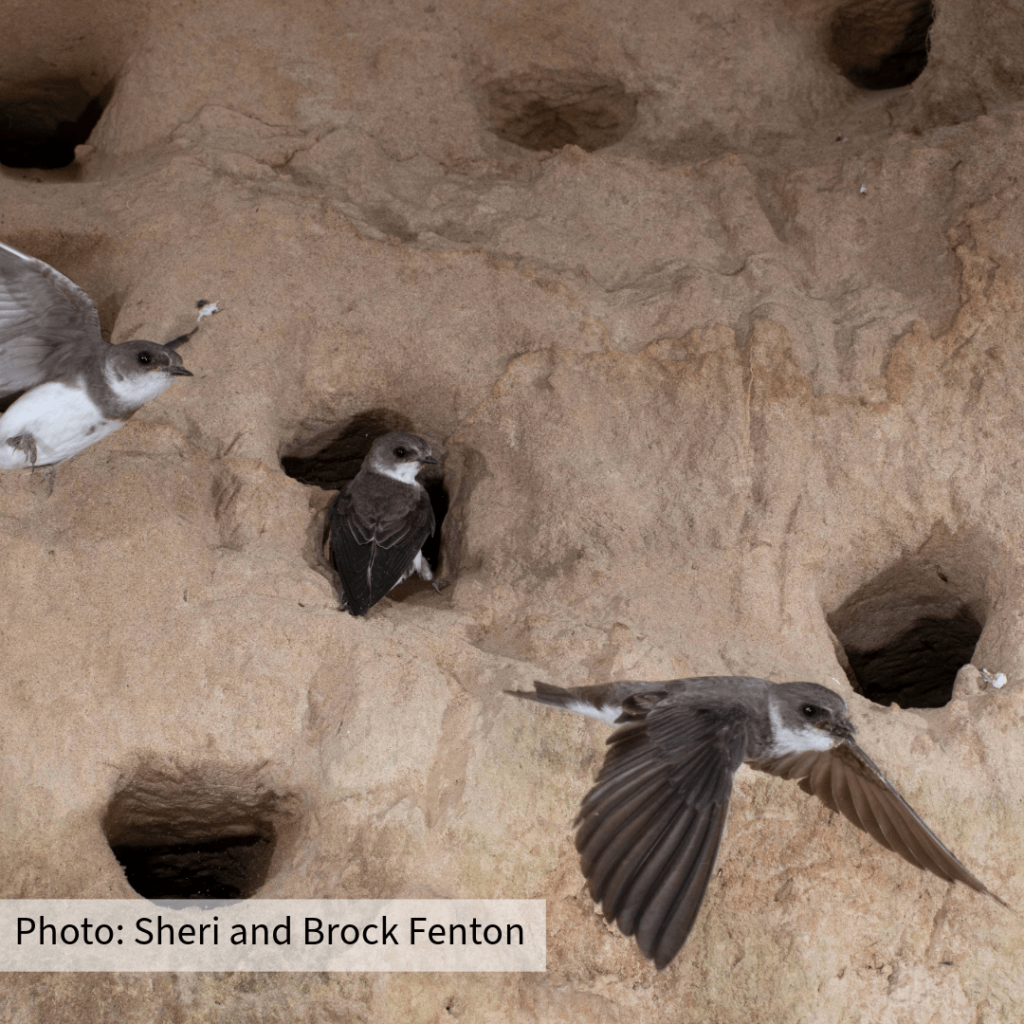
Credit: learn.birdscanada.org
Threats To Bird Habitats
Bird habitats are under constant pressure from several harmful forces. These threats not only reduce the spaces where birds can live and breed but also impact their food sources and safety. Understanding these challenges helps you see why protecting bird habitats matters for their survival and for the health of our environment.
Deforestation And Habitat Loss
Cutting down trees strips away the homes of countless bird species. Forests provide shelter, nesting sites, and food, so losing them forces birds to relocate or face starvation. Have you noticed fewer birds during a hike in a cleared forest area? That’s a direct result of habitat loss.
Logging and agriculture often replace natural habitats with crops or pastures. This change reduces biodiversity and disrupts bird populations. You can support sustainable forestry by choosing products certified for responsible sourcing.
Pollution And Climate Change
Pollution contaminates water and soil, making it unsafe for birds and their prey. Chemicals like pesticides can poison birds or reduce the insects they rely on for food. Simple actions, like reducing plastic use, help keep habitats cleaner and safer.
Climate change alters temperatures and weather patterns, shifting where birds can live. Some species struggle to adapt fast enough, leading to shrinking populations. Ask yourself: how will rising temperatures affect the birds in your local park?
Human Encroachment And Urbanization
Expanding cities and roads fragment bird habitats, isolating populations and making migration harder. Noise and light pollution interfere with bird communication and natural behaviors. When you walk through urban areas, notice how few bird songs you hear compared to rural settings.
Building bird-friendly spaces in your community can make a difference. Plant native trees, create green roofs, and minimize artificial lights to help birds thrive near you. What small changes could you make to support birds in your neighborhood?
Conservation Efforts For Bird Homes
Conserving bird habitats is vital for protecting bird species and biodiversity. Many efforts focus on preserving natural spaces where birds live, feed, and breed. These efforts help maintain ecological balance and support wildlife survival. Different strategies work together to safeguard bird homes for future generations.
Protected Areas And Reserves
Protected areas and reserves serve as safe havens for birds. These zones limit human activities that can harm habitats. They provide undisturbed spaces for nesting, feeding, and migration. Governments and organizations often establish these areas to conserve critical bird environments. Strict rules help reduce habitat destruction and pollution.
Habitat Restoration Projects
Habitat restoration brings damaged bird homes back to life. Projects may include planting native trees and plants or cleaning polluted waters. Restoring wetlands, forests, and grasslands improves food and shelter for birds. These efforts boost bird populations and enhance biodiversity. Restoration also strengthens ecosystems affected by human activities.
Community Involvement And Education
Local communities play a key role in bird habitat conservation. Education programs raise awareness about birds and their needs. People learn how to protect habitats in their neighborhoods. Volunteers often join clean-up drives and tree planting events. Community support creates a strong network to defend bird homes.
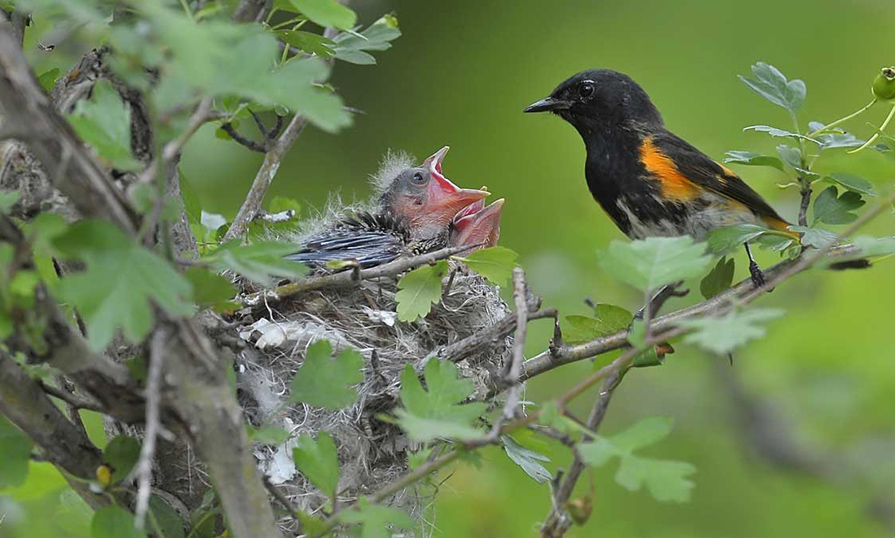
Credit: www.nscc.ca
Frequently Asked Questions
What Defines A Bird’s Natural Habitat?
A bird’s natural habitat is where it lives, feeds, and breeds. It includes forests, wetlands, grasslands, and urban areas. Each habitat provides specific food, shelter, and nesting sites suited to different bird species.
How Do Birds Adapt To Different Habitats?
Birds adapt through changes in diet, behavior, and physical traits. For example, water birds have webbed feet, while forest birds have strong claws for perching. These adaptations help birds survive in diverse environments.
Why Is Habitat Important For Bird Survival?
Habitat provides essential resources like food, shelter, and breeding sites. Without suitable habitat, birds face food scarcity, predators, and reduced reproduction. Protecting habitats ensures bird populations remain healthy and stable.
Can Birds Live In Urban Habitats?
Yes, many birds thrive in urban areas. Cities offer food sources like garbage and gardens, and nesting places on buildings. However, urban habitats can expose birds to pollution and human disturbances.
Conclusion
Birds need safe places to live and find food. Their habitats vary from forests to wetlands and cities. Protecting these areas helps birds survive and thrive. Humans play a big role in keeping habitats healthy. Small actions like planting trees or reducing pollution make a difference.
Birds add beauty and balance to nature. Understanding their homes helps us care for them better. Keep learning about birds and their habitats every day. It matters for the future of all wildlife.