
Imagine stepping outside and hearing the cheerful songs of colorful birds right in your own backyard. Creating a bird habitat isn’t just for experts—it’s something you can do too.
By making a few simple changes, you’ll invite nature’s most beautiful visitors to your outdoor space. Ready to discover how you can attract birds, support their needs, and enjoy their lively presence every day? Keep reading, and you’ll learn easy steps that bring your backyard to life like never before.
Choosing The Right Location
Pick a quiet spot with some shade and nearby trees for shelter. Birds feel safer and visit more often in peaceful, protected areas. Avoid places near heavy foot traffic or loud noises to keep birds comfortable.
Choosing the right location for your backyard bird habitat is crucial. It can determine whether your feathered friends will visit or not. A well-chosen spot can become a vibrant sanctuary buzzing with bird activity.Assessing Sunlight And Shade
Birds, like humans, enjoy a balance of sunlight and shade. Too much sun can overheat them, while too much shade can be uninviting. Observe your backyard throughout the day. Identify areas that receive morning sunlight and afternoon shade, creating a comfortable environment. Think about your own comfort. Would you enjoy sitting in that spot for hours? If not, it might not be ideal for birds either.Ensuring Safety From Predators
Safety is a priority for birds. They need to feel secure from predators like cats or hawks. Choose a location with natural barriers such as bushes or shrubs. These can provide hiding spots for birds in case of danger. Consider the height of your feeders or birdhouses. Placing them at least five feet off the ground can deter ground predators.Considering Proximity To Water Sources
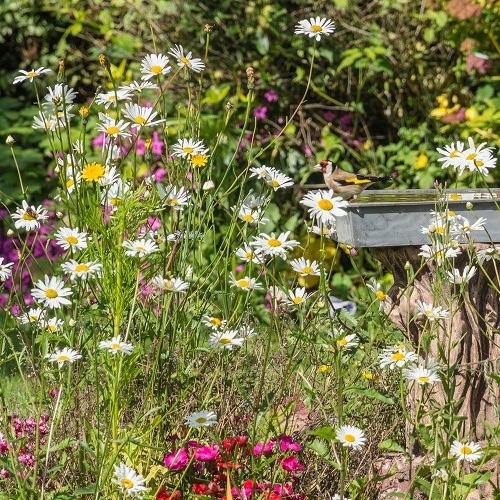
Water is essential for birds, both for drinking and bathing. Having a water source nearby can make your habitat more attractive. If you don’t have a natural water source, consider adding a birdbath. Place it within sight of your bird feeders to create a complete habitat. Ask yourself if the location allows for easy water maintenance. Accessibility can make it easier to keep the water clean and fresh. Choosing the right spot can turn your backyard into a bird paradise. Are you ready to welcome the chirps and flutters?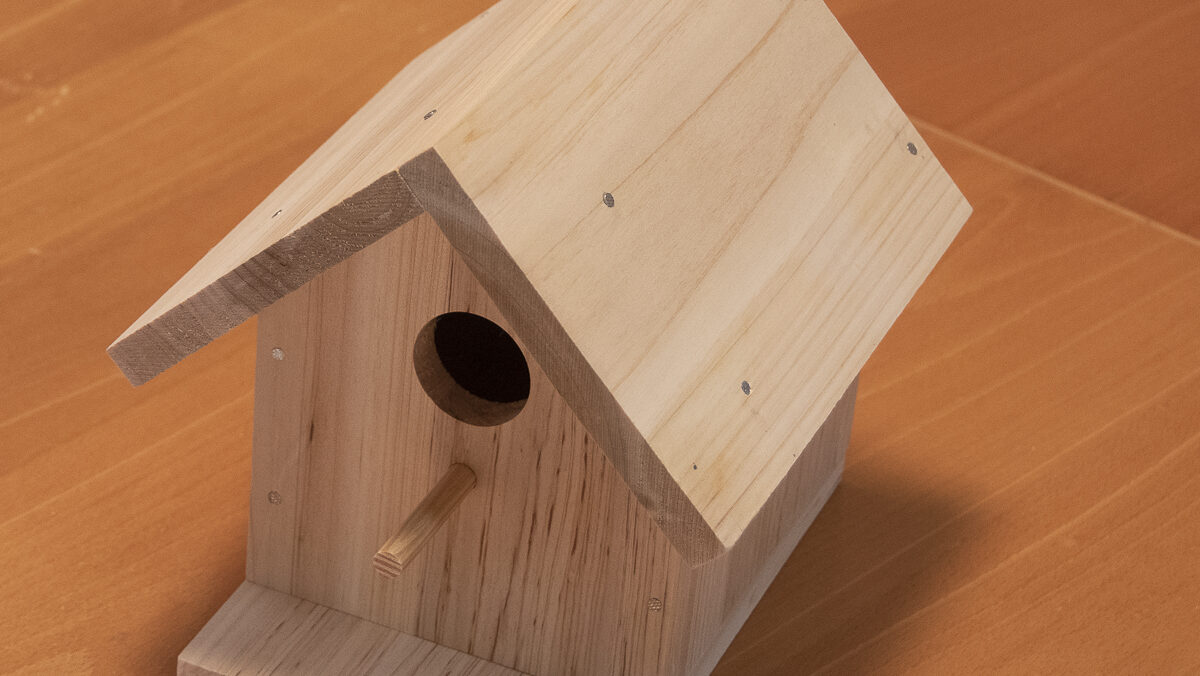
Credit: bringbinoculars.com
Selecting Native Plants
Choosing native plants is a crucial step in building a backyard bird habitat that truly supports local wildlife. Native plants have evolved alongside your region’s birds, offering the perfect mix of food, shelter, and nesting spots. By focusing on these plants, you create a natural environment that encourages birds to visit and stay.
Attracting Local Bird Species
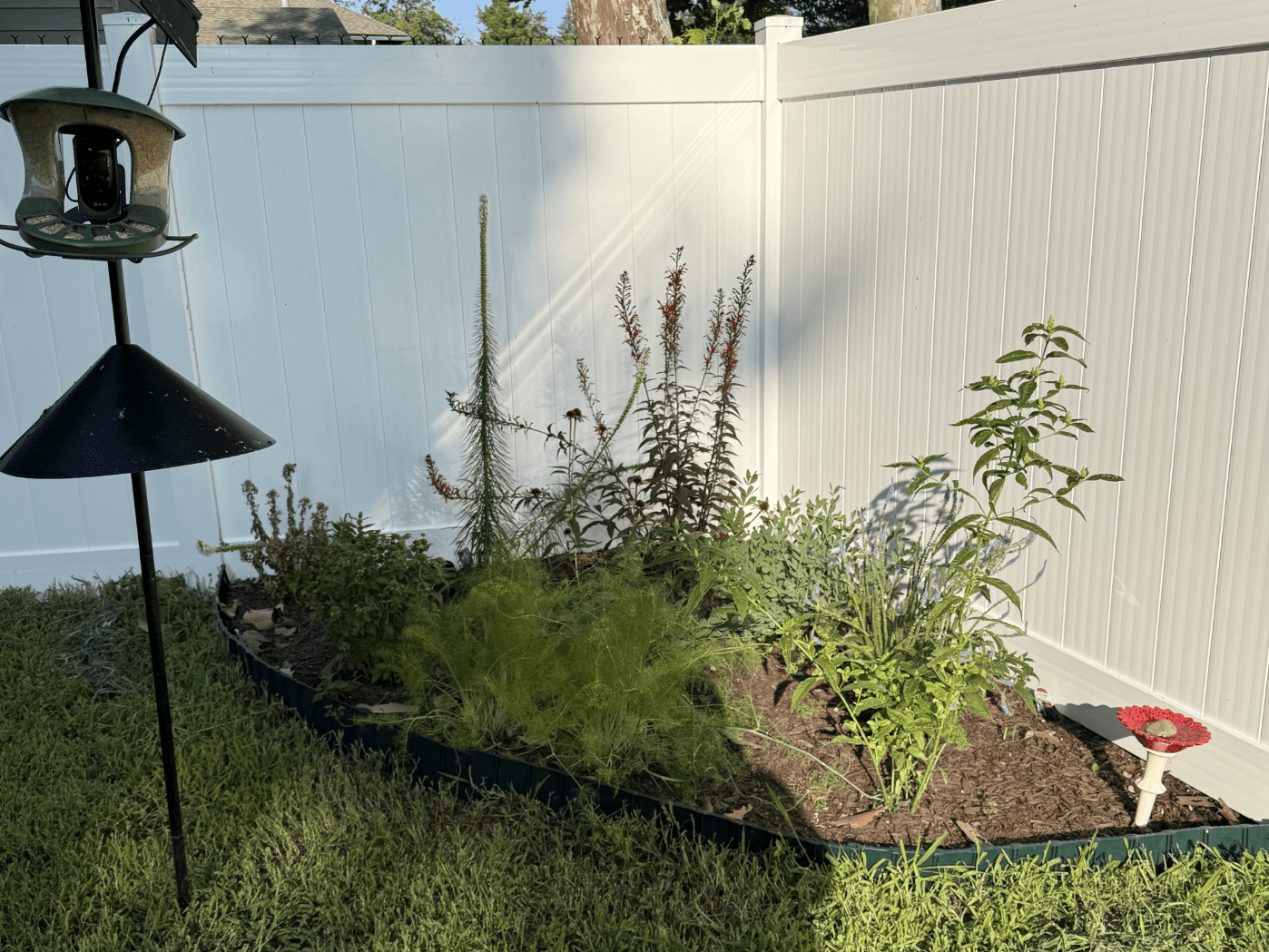
Native plants attract birds that are already adapted to your area’s climate and ecosystem. These plants provide the right kind of seeds, berries, and insects that local birds rely on for food. For example, planting native wildflowers can bring in hummingbirds searching for nectar, while native shrubs may attract cardinals and sparrows.
Have you noticed how some birds only appear in certain parts of your neighborhood? Using native plants helps you invite those very species into your backyard, creating a vibrant and diverse bird community right outside your window.
Providing Food And Shelter
Native plants offer more than just food; they also provide essential shelter and nesting sites. Dense shrubs and tall grasses can protect birds from predators and harsh weather. Trees like oaks and maples support a wide range of insects, which are a vital protein source for many bird species.
Think about the last time you saw a bird building a nest or seeking refuge during a storm. The plants around it were likely native, providing the safety and resources it needs to thrive. What types of shelter do your plants offer?
Seasonal Plant Choices
Choosing native plants that bloom or produce fruit in different seasons keeps your bird habitat active year-round. Early spring bulbs can feed migrating birds, while late fall berries sustain them before winter. This variety ensures birds have a steady food supply, reducing the need for artificial feeders.
Consider mixing evergreens with flowering perennials and fruiting shrubs. This combination provides color, nutrition, and cover throughout the year. Which native plants bloom or fruit in your area’s different seasons?
Providing Water Features
Providing water features in your backyard bird habitat invites a lively, refreshing element that attracts a variety of birds. Birds need water not just for drinking but also for bathing, which helps them stay healthy and maintain their feathers. Adding water to your garden can transform it into a buzzing hotspot for feathered visitors throughout the year.
Building Birdbaths
Birdbaths are simple yet effective water sources that can fit in any garden size. You can buy a ready-made birdbath or create one yourself using materials like ceramic bowls, shallow dishes, or even a hollowed-out log.
Place the birdbath in a shaded area to keep the water cool and prevent algae growth. Adding small, smooth stones inside provides birds with a safe footing while they drink or bathe. Have you noticed how birds prefer shallow water? Aim for a depth of about 1 to 2 inches to make it easy for them to access.
Adding Small Ponds Or Drippers
Small ponds add a natural feel and can attract more diverse bird species, especially if you include native plants around the edges. You don’t need a large pond; even a modest size can become a vital water source.
Drippers or misters simulate rain and moving water, which birds find very appealing. The sound of dripping water can draw birds from a distance, increasing the chances of visits. Have you tried placing a solar-powered dripper? It’s an eco-friendly way to keep water moving without extra effort.
Maintaining Clean Water
Clean water is crucial to keep birds healthy and coming back. Change the water regularly—ideally every two to three days—to prevent mosquito larvae and algae buildup.
Use a brush to scrub birdbaths and ponds gently to remove dirt and slime. Avoid harsh chemicals; instead, use a vinegar solution if you need to clean thoroughly. How often do you check your water features? Making it part of your routine ensures a safe spot for birds all year round.
Credit: thebirdfoodstore.com
Offering Food Sources
Providing a reliable food source is key to attracting birds to your backyard habitat. Birds need a variety of foods to stay healthy and active, so offering diverse options will invite more species. Think about what you can put out that is easy for birds to find and safe for them to eat.
Choosing Bird Feeders
Pick feeders that match the types of birds you want to attract. Tube feeders work well for small songbirds like finches and chickadees. Platform feeders are great for larger birds such as cardinals and jays.
Keep feeders clean to prevent disease. I learned this the hard way when a feeder I neglected caused several birds to fall ill. Regular cleaning with warm, soapy water can make a big difference.
Consider placing feeders at different heights and locations. This setup helps shy birds feel safe while eating and reduces competition.
Using Natural Food Sources
Plant native trees and shrubs that produce seeds, berries, and nuts. These natural options provide fresh, seasonal food that birds prefer. For example, elderberries and sunflowers attract a variety of species.
Leave some leaf litter or dead wood in your yard. It might look untidy, but it’s a buffet for insects, which many birds feed on. Have you noticed birds foraging on the ground or under trees? That’s what you want to encourage.
Try growing plants that flower at different times of the year. This ensures food is available even in off-peak seasons.
Avoiding Harmful Foods
Not all human foods are safe for birds. Avoid offering bread or processed snacks, which can cause malnutrition. Some foods, like chocolate and avocado, are toxic and must never be given.
Be cautious with seeds that contain pesticides or chemicals. Always buy bird food from reputable sources. Your goal is to nourish, not harm, the visitors you want to welcome.
Have you ever thought about what you feed the birds? Taking a moment to research safe options can make your backyard a true sanctuary for feathered friends.
Creating Shelter And Nesting Spots
Creating shelter and nesting spots is essential for inviting birds into your backyard. Birds need safe places to hide from predators and rest. Proper shelter also helps them raise their young comfortably.
Providing different types of shelter supports various bird species. Some birds prefer cozy nests inside birdhouses. Others like natural spots such as trees or brush piles. Offering nesting materials helps birds build their homes easily.
Installing Birdhouses
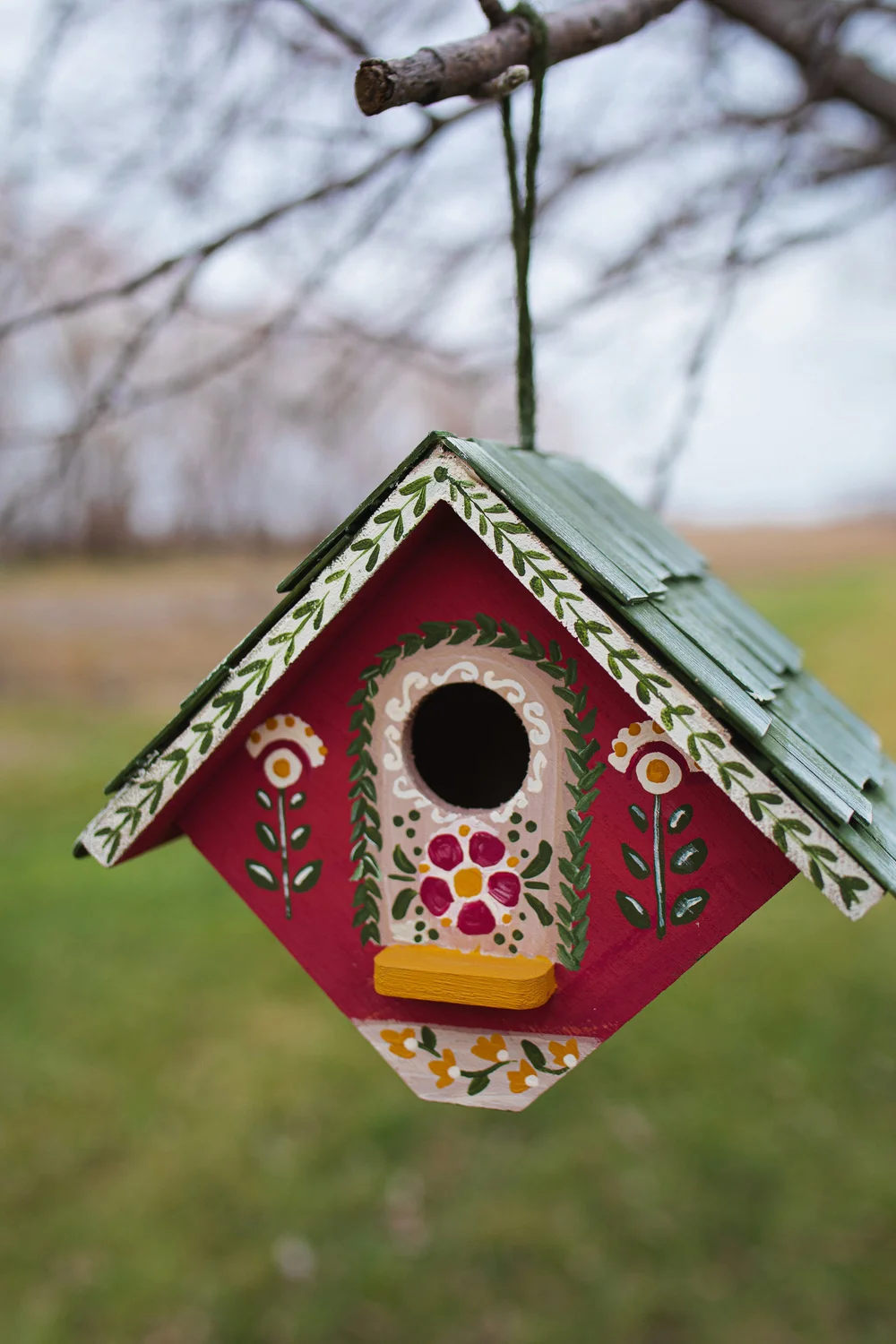
Birdhouses offer a secure place for birds to nest. Choose birdhouses made of untreated wood. Avoid bright colors; natural shades work best. Place birdhouses 5 to 10 feet above the ground. Face the entrance away from harsh winds. Clean birdhouses after each breeding season to prevent disease.
Leaving Dead Trees And Brush Piles
Dead trees provide natural cavities for many birds. Keep standing dead trees if safe. Brush piles create hiding spots and shelter. Use fallen branches and twigs to build piles. Place them in quiet corners of your yard. These spots protect birds from harsh weather and predators.
Using Nesting Materials
Birds need soft materials to build nests. Provide natural fibers like wool, cotton, and feathers. Avoid synthetic or dyed materials. Leave small piles of dry grass, leaves, or moss. Place materials in a mesh bag or open container. Refill regularly during nesting season. This helps birds make warm, sturdy nests quickly.
Maintaining A Bird-friendly Environment
Maintaining a bird-friendly environment is key to keeping birds happy and safe in your backyard. This means creating a space that supports their health and natural behaviors. Small changes can make a big difference for bird visitors.
Minimizing Chemical Use
Avoid using pesticides and herbicides around bird habitats. These chemicals can harm birds and reduce the insects they eat. Choose natural pest control methods like hand-picking bugs or planting insect-repelling plants. Organic fertilizers are safer for plants and birds alike.
Providing Safe Perches
Birds need safe places to rest and watch for predators. Use natural branches and avoid treated wood. Place perches at different heights to suit various bird species. Keep perches away from windows to prevent collisions. Clean perches regularly to stop disease spread.
Regular Habitat Upkeep
Keep the area clean and tidy without disturbing nests or feeding spots. Remove old food to avoid attracting pests. Replace bird feeders and baths with fresh supplies often. Prune plants carefully to maintain shelter without cutting off cover. Check for harmful debris like sharp objects or tangled strings.
Encouraging Bird Activity
Encouraging bird activity in your backyard habitat brings nature closer to home. Birds visit more often when they feel safe and welcomed. Creating a lively environment helps birds thrive and makes watching them more fun.
Using Bird Calls And Sounds
Playing bird calls attracts birds by mimicking their natural sounds. Use recordings of local bird species to invite them near. Keep the volume low to avoid scaring birds away. Switch calls often to attract different types of birds. Use a timer to play sounds at dawn and dusk, when birds are most active.
Observing Without Disturbing
Watch birds quietly to avoid frightening them. Use binoculars for a closer view without getting too close. Stay still and move slowly to blend into the environment. Avoid sudden noises and bright colors. Create a comfortable spot, like a bench or hide, to enjoy bird watching peacefully.
Recording Bird Sightings
Keep a notebook or use an app to track bird visits. Write down species, time, and behavior for each sighting. Tracking helps notice patterns and favorite spots in your yard. Sharing records with local bird groups supports community science. Recording sightings also deepens your connection with nature.
Credit: www.birdcount.org
Frequently Asked Questions
What Plants Attract Birds To A Backyard Habitat?
Native plants with berries, seeds, and nectar attract birds. Trees like oak and shrubs like elderberry provide food and shelter. Planting a variety supports diverse bird species year-round.
How Do I Provide Water For Backyard Birds?
Use shallow birdbaths or small ponds with clean water. Change water regularly to prevent mosquitoes and bacteria. Moving water, like drippers or fountains, attracts more birds.
What Types Of Bird Feeders Work Best?
Tube feeders suit small songbirds; platform feeders attract larger birds. Use feeders that minimize seed waste and protect against squirrels. Clean feeders regularly to prevent disease.
How Can I Create Safe Shelter For Birds?
Plant dense shrubs and evergreens to provide nesting cover. Avoid using pesticides and keep cats indoors. Adding birdhouses tailored to local species offers extra protection.
Conclusion
Creating a backyard bird habitat brings nature close to home. Birds will visit more often with food, water, and shelter. Plant native trees and shrubs to offer safe spaces. Keep the area clean and watch your feathered friends thrive. Enjoy peaceful moments while observing birds daily.
This simple effort helps local wildlife and brightens your yard. Start small and see how your garden changes. Patience and care will attract many beautiful birds soon. Your backyard can become a lively, happy place for birds.