
Have you ever looked closely at a bird’s beak and wondered what it can tell you about where the bird lives? Believe it or not, a bird’s beak is like a secret code that reveals its habitat.
By understanding the shape and size of a beak, you can discover if the bird lives near water, in forests, or even in deserts. If you’re curious about nature and want to sharpen your bird-watching skills, learning this simple trick will change the way you see birds forever.
Keep reading, and you’ll soon be identifying a bird’s home just by looking at its beak!
Beak Shapes And Their Functions
Birds’ beak shapes reveal their habitat and diet. Sharp, hooked beaks suit hunters, while flat, broad beaks fit water birds. Observing beak design helps identify where a bird lives and how it feeds.
Beak shapes reveal much about a bird’s lifestyle and environment. These unique structures are adapted for feeding, nest-building, and other tasks. By studying a bird’s beak, we can learn about its habitat and diet.Types Of Beak Shapes
Birds have diverse beak shapes suited for various needs.- Conical Beaks:Found in finches, perfect for cracking seeds.
- Hooked Beaks:Used by raptors, designed to tear flesh.
- Long, Thin Beaks:Seen in hummingbirds, ideal for sipping nectar.
- Flat, Broad Beaks:Ducks use these to filter food from water.
Beak Adaptations For Feeding
Beaks adapt to ensure survival. Each shape serves a distinct purpose. – Crushing Seeds: Birds like sparrows have strong, conical beaks. They crack open hard seeds with ease. – Tearing Flesh: Predatory birds have sharp, hooked beaks. They are perfect for grabbing and tearing meat. – Sipping Nectar: Hummingbirds have long, slender beaks. This helps them reach deep into flowers for nectar. – Filtering Food: Ducks possess broad, flat beaks. They filter small plants and animals from water. Understanding beak shapes helps us identify bird habitats. Each shape tells a story of adaptation and survival.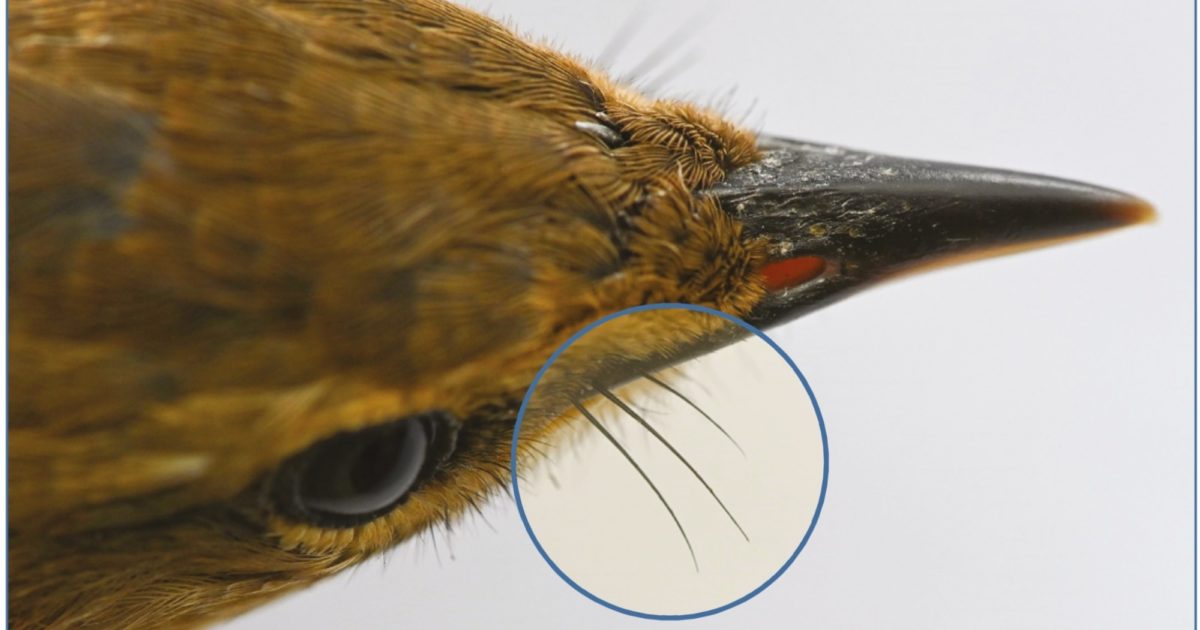
Credit: www.linnean.org
Linking Beak Design To Habitat
Bird beaks show clear signs of their living places. Each shape serves a special job needed in certain habitats. The design helps birds get food, protect themselves, and survive daily life. Studying beak shapes gives clues about where birds thrive and how they adapt to their surroundings.
Beaks In Forest Environments
Birds in forests often have strong, curved beaks. These help them crack nuts and seeds from trees. Thin, pointed beaks allow some to pick insects from bark or leaves. The beak type matches the forest’s food sources and space for feeding.
Beaks In Wetlands And Aquatic Habitats
Birds near water have beaks made for fishing or filtering. Long, slender beaks catch fish or probe mud for small creatures. Wide, flat beaks help strain plants and tiny animals from water. The shape fits the wet environment’s needs for feeding and survival.
Beaks In Deserts And Arid Regions
Birds in dry areas have beaks suited to tough conditions. Strong beaks crack hard seeds and dry fruits. Some have sharp beaks to catch insects hiding under rocks. These designs help birds get food with little water around.
Beaks In Grasslands And Open Areas
Birds in open spaces often use their beaks for catching insects or seeds. Short, sturdy beaks help crack grass seeds. Long, pointed beaks grab insects in flight or on plants. Their beak shapes fit their diet and space in wide habitats.
Beak Clues To Bird Diet
Bird beaks offer valuable clues about their diet, which in turn helps you understand their natural habitat. Different foods require different beak shapes and sizes. Observing these features can reveal what a bird eats and where it likely lives.
Seed Eaters
Birds that eat seeds usually have strong, thick beaks. These beaks help them crack open hard shells. Think about finches or sparrows you might see in parks—they have short, conical beaks perfect for handling seeds.
Have you noticed how these birds often hang around areas with plenty of bushes or grasses? Their beaks tell you they thrive where seeds are abundant.
Insect Hunters
Insect-eating birds have sharp, pointed beaks designed to catch and grab small, quick prey. Warblers and woodpeckers fall into this group with their slender, precise beaks.
These beak shapes hint that the birds spend time in wooded areas or places rich in insects. Their beaks act like tools, perfect for probing bark or foliage.
Fish Catchers
Birds that catch fish sport long, sharp, and sometimes hooked beaks. Herons and kingfishers use these specialized beaks to spear or snatch slippery fish from water.
Spotting a bird with a fish-catching beak near a lake or river makes sense. Their beaks reveal their hunting grounds and the diet they depend on.
Nectar Feeders
Birds that feed on nectar have long, slender, often curved beaks. Hummingbirds are the classic example, with beaks shaped to reach deep into flowers.
Seeing these beaks tells you the bird lives where flowering plants are plentiful. Their beak design is a perfect match for sipping nectar.

Credit: wildlifenomads.com
Evolutionary Insights From Beak Diversity
Bird beaks show a wide range of shapes and sizes. These differences reveal how birds adapt to their environments. By studying beak diversity, we learn about evolution and habitats. Each beak design suits specific food sources and living conditions. This variety is a direct result of natural selection shaping bird species over time.
Natural Selection And Beak Variation
Natural selection favors beak shapes that help birds survive. Birds with beaks best suited for available food tend to thrive. For example, thick, strong beaks crack hard seeds. Long, thin beaks reach nectar inside flowers. These traits get passed to offspring, increasing in the population. Over many generations, beak shapes evolve to match the habitat’s demands.
Famous Examples Of Beak Evolution
Darwin’s finches on the Galápagos Islands are classic examples. Different islands host finches with unique beak shapes. Some have broad beaks for cracking nuts. Others have sharp beaks for catching insects. These differences evolved quickly due to island conditions. This clear link between beak form and food source helps identify habitats.
Using Beak Features In Birdwatching
Using a bird’s beak features is a powerful tool in birdwatching. The shape, size, and texture of a beak reveal a lot about a bird’s lifestyle. These details help you not only identify the species but also guess where it lives and what it eats.
Identifying Birds By Beak Shape
Each bird’s beak shape is adapted to its feeding habits. For example, a sharp, hooked beak often belongs to birds of prey, like hawks or eagles. This tells you they hunt and tear meat.
On the other hand, long, slender beaks are common in nectar feeders such as hummingbirds. This allows them to reach deep into flowers. Short, stout beaks usually indicate seed eaters, like finches, which need to crack hard shells.
When you spot a bird, try to focus on its beak shape first. It’s a quick way to narrow down the possibilities. Are you seeing a thick, conical beak or a thin, probing one? This simple observation can dramatically improve your bird identification skills.
Predicting Habitat From Beak Traits
Beak traits also hint at the kind of habitat a bird prefers. Birds with strong, broad beaks often live in forested areas where they crack nuts and seeds. Water birds, like ducks, tend to have flat, wide beaks designed for filtering food from water.
Waders like herons have long, pointed beaks perfect for catching fish in shallow water. If you observe a bird with a specialized beak, ask yourself what food source it might be targeting and what environment supports that food.
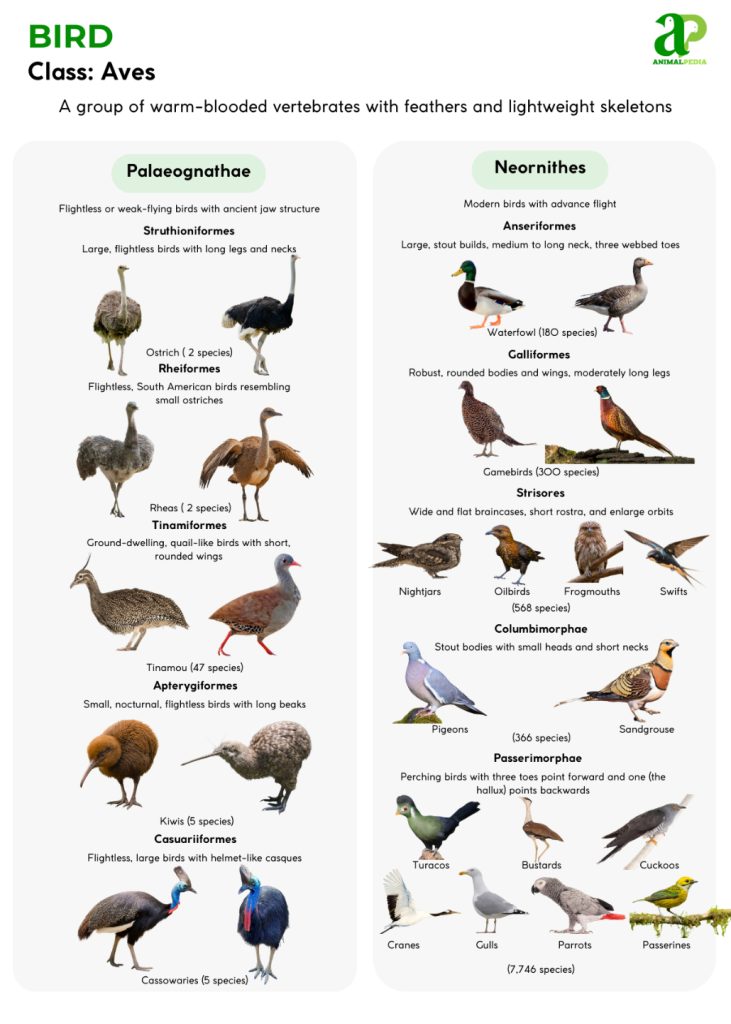
Next time you’re out birdwatching, use the beak as a clue to predict the bird’s home. Can you guess if a bird belongs to wetlands, forests, or grasslands just by looking at its beak? This skill adds a new layer of excitement to your outdoor adventures.
Credit: animal-pedia.org
Frequently Asked Questions
How Does A Bird’s Beak Shape Indicate Its Habitat?
A bird’s beak shape reflects its feeding habits tied to its habitat. For example, long, slender beaks suit nectar feeding in flowers, while strong, hooked beaks are ideal for hunting prey in forests. Beak shape helps identify the environment where the bird lives.
Can Beak Size Reveal Where A Bird Lives?
Yes, beak size often relates to the bird’s food source and habitat. Larger beaks can crack hard seeds found in dry habitats. Smaller beaks suit insect-eating birds in dense forests. Size gives clues about the bird’s natural surroundings and diet.
What Types Of Beaks Show Aquatic Habitats?
Birds with long, pointed, or flat broad beaks usually inhabit aquatic areas. For instance, ducks have flat beaks to filter food in water. Wading birds have long, slender beaks to catch fish or probe mud, indicating wetland or coastal habitats.
Do Beak Features Help Identify Tropical Birds?
Tropical birds often have colorful, curved, or specialized beaks. These beaks assist in feeding on fruits, nectar, or insects found in rainforests. Unique beak adaptations help distinguish tropical species and their habitat preferences.
Conclusion
A bird’s beak reveals much about where it lives. Different shapes suit different environments and foods. Sharp beaks catch insects, while strong beaks crack seeds. Water birds have long, curved beaks for fishing. Knowing this helps us understand nature better.
Next time you see a bird, notice its beak. It tells a story about its home and life. Simple clues in nature often hold big answers.