
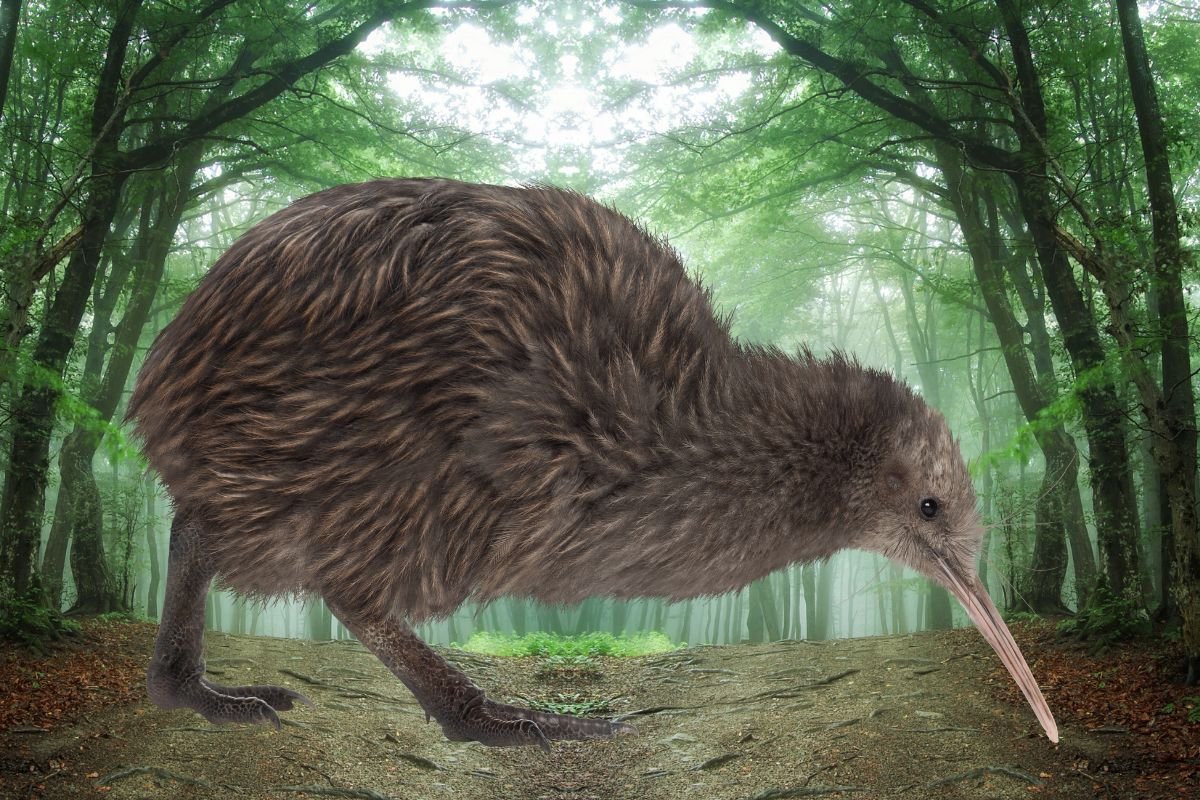
Have you ever wondered where kiwi birds live and what makes their home so special? Understanding a kiwi bird’s habitat can give you a fresh look at these unique creatures and why they need our protection.
You’ll discover the secret places kiwis call home, how their environment shapes their daily life, and what threats put their habitat at risk. Keep reading to find out how you can help preserve the world of these fascinating birds.
Kiwi Birds Habitat
Kiwi birds are unique, flightless creatures native to New Zealand. Their habitats play a crucial role in their survival. Understanding their living conditions can help protect these remarkable birds.
Geographical Location
Kiwi birds thrive in the lush landscapes of New Zealand. They inhabit both the North and South Islands. Forests, shrublands, and grasslands serve as their primary homes. These areas provide shelter and food sources for kiwis.
Climate Conditions
New Zealand’s climate suits kiwi birds well. They prefer mild temperatures with plenty of rain. The weather remains temperate year-round. This consistency supports the growth of plants and insects, which are vital for kiwis.
Natural Vegetation
Dense vegetation offers cover from predators. Kiwi birds rely on native plants for safety. Ferns, shrubs, and low-lying trees fill their habitats. These plants also support a rich insect population. Insects are a crucial part of the kiwi’s diet.
Nest Sites And Shelter
Kiwi birds are unique creatures with specific needs when it comes to their nest sites and shelter. Their homes are carefully chosen spots that provide safety and comfort. Understanding where and how kiwis nest helps you appreciate their survival strategies in the wild.
Burrows And Hiding Spots
Kiwis often dig burrows as their primary shelter. These burrows protect them from predators and harsh weather. You might be surprised that some burrows can be quite deep, offering a secure retreat.
Besides burrows, kiwis use natural hiding spots like tree roots or dense bushes. These places help them stay hidden during the day since kiwis are mostly nocturnal. Have you ever thought about how important quiet, undisturbed areas are for these shy birds?
Use Of Forest Floor
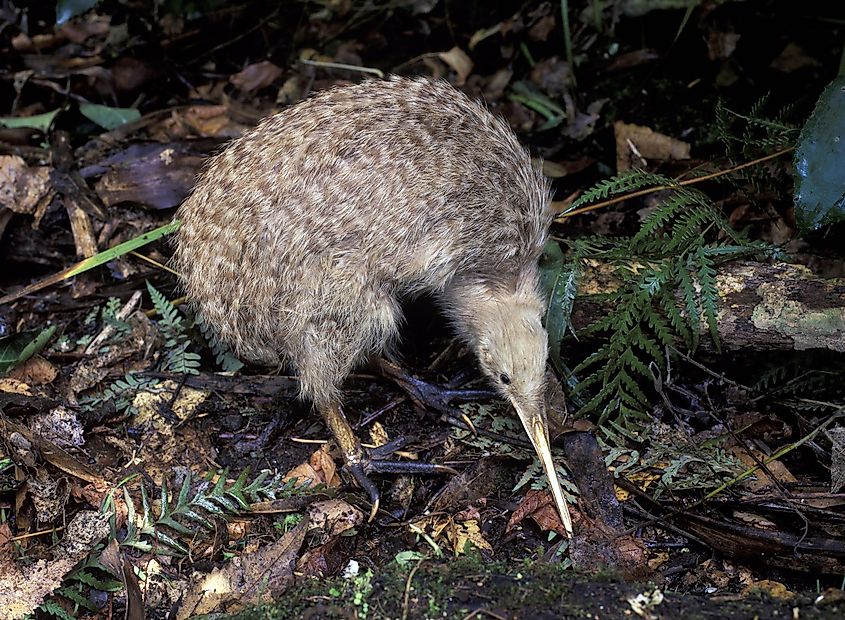
The forest floor is essential for kiwi shelter. They prefer areas with thick vegetation to stay concealed. This cover not only hides them but also provides easy access to food sources like insects and worms.
Walking through a forest, you might notice piles of leaves or fallen branches. These small features create perfect spots for kiwis to rest and nest. How often do you consider the ground beneath your feet as a vital habitat?
Role Of Leaf Litter
Leaf litter plays a crucial role in kiwi habitats. It acts as a natural insulation, keeping nests warm and moist. This layer also conceals the birds and their eggs from predators.
Leaf litter is full of insects, making it a great foraging ground for kiwis. By protecting the leaf litter, you help maintain the delicate balance of their environment. Could preserving something as simple as fallen leaves make a big difference for kiwi survival?
Food Sources In Habitat
The food sources within a kiwi bird’s habitat play a crucial role in its survival and daily activity. These unique birds rely on a variety of natural resources that the environment offers, shaping their feeding habits and foraging strategies. Understanding what kiwis eat and how they find their food gives you a clearer picture of their interaction with the ecosystem around them.
Diet Of Kiwi Birds
Kiwi birds primarily feed on small invertebrates like worms, beetles, and larvae, which they find in the soil and leaf litter. They also consume fruits, seeds, and occasionally small amphibians or insects. This diverse diet helps kiwis get the nutrients they need while adapting to what’s available in their surroundings.
Foraging Behavior
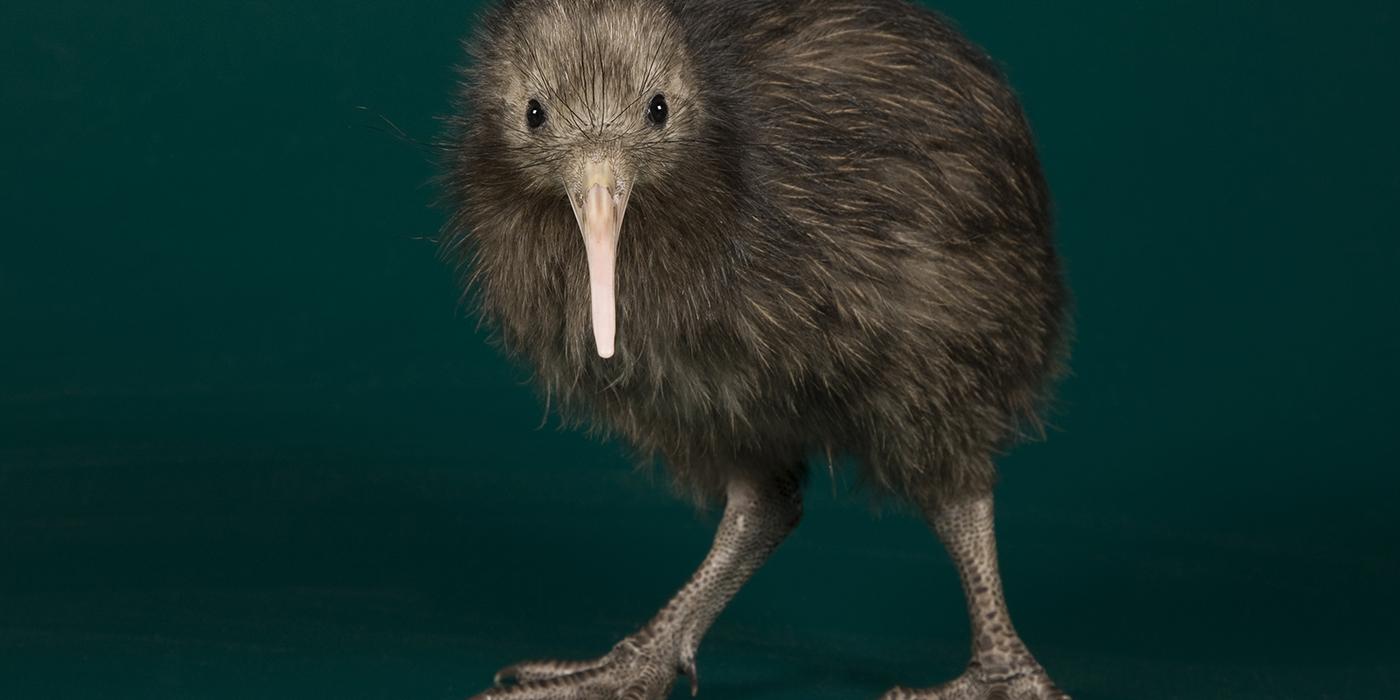
Kiwi birds use their long, sensitive beaks to probe deep into the forest floor, searching for hidden prey. Their excellent sense of smell guides them, which is rare for birds. You might be surprised to learn that kiwis forage mostly at night, relying on their keen senses to navigate the dark forest and uncover food sources.
Seasonal Food Availability
The availability of food changes with the seasons, affecting what kiwis eat and how often they forage. During wetter months, earthworms and insects are abundant, making it easier for kiwis to find food. In drier or colder seasons, they shift their diet more towards fruits and seeds, showing their ability to adjust to changing conditions.

Credit: www.peckperk.com
Threats To Habitat
The kiwi bird’s habitat faces numerous threats that put this unique species at risk. Understanding these challenges helps you see why protecting their environment is so crucial. Each threat works in different ways, but together they create a dangerous situation for kiwis.
Predators And Invasive Species
Predators like stoats, cats, and rats are the biggest enemies of kiwi birds. These invasive species attack kiwi eggs, chicks, and even adults. If you have ever seen how quickly a rat can scavenge, you know how vulnerable kiwi nests are.
Invasive species don’t just hunt kiwis; they also compete for food and disturb the natural balance of the habitat. Without natural predators to control these invaders, kiwi populations shrink rapidly.
Habitat Destruction
Kiwi birds rely on dense forests and scrublands for shelter and food. When these areas are cleared for farming or development, kiwis lose their safe homes. Imagine walking into a forest where every tree has disappeared—that’s the harsh reality for many kiwis today.
Habitat fragmentation also isolates kiwi populations, making it harder for them to find mates and survive. This isolation can lead to weaker genetic diversity, reducing their ability to adapt to changes.
Human Impact
Your daily actions can have a surprising effect on kiwi habitats. Urban expansion, road construction, and even tourism disturb the quiet places kiwis need. Noise, light pollution, and vehicle traffic all stress these shy birds.
Have you ever thought about how a simple fence or footpath might block a kiwi’s route? Small barriers can create big problems for their movement and feeding. Supporting local conservation efforts can help reduce these human impacts significantly.
Conservation Efforts
Kiwi birds face unique challenges due to habitat loss and introduced predators. Conservation efforts play a crucial role in protecting these iconic creatures and ensuring their survival. These efforts focus on restoring their natural environment, creating safe zones, and involving local communities to make a lasting impact.
Habitat Restoration
Restoring kiwi habitats means bringing back native plants and controlling invasive species. Volunteers and conservationists plant trees and shrubs that provide food and shelter for kiwis. This work creates a safer and more supportive environment where kiwi populations can grow.
Have you ever thought about how a simple tree planting can change a whole ecosystem? Your support in habitat restoration can directly influence kiwi survival rates.
Protected Areas
Protected areas are safe havens where kiwis can live without threat from predators like stoats and cats. These zones have strict controls on human activity and predator management programs. Setting up these areas increases the chances that kiwi chicks will reach adulthood.
Imagine a place designed solely for kiwi safety—would you visit to learn more or even volunteer to help keep it safe?
Community Involvement
Communities play a vital role in kiwi conservation through education and hands-on support. Local groups organize kiwi monitoring, predator trapping, and awareness campaigns. When people work together, they create a strong network that protects kiwis more effectively.
Your participation in community efforts can make a real difference. What small action could you take today to help protect kiwi habitats?
Credit: www.worldatlas.com
Credit: nationalzoo.si.edu
Frequently Asked Questions
What Type Of Habitat Do Kiwi Birds Prefer?
Kiwi birds thrive in dense forests with plenty of ground cover. They prefer moist, temperate environments rich in leaf litter and roots. These conditions provide food and protection from predators, essential for their survival.
Where Are Kiwi Birds Mainly Found In The Wild?
Kiwi birds are native to New Zealand. They inhabit various regions, including subtropical and temperate forests, scrublands, and grasslands. Their distribution depends on habitat quality and human impact.
How Do Kiwi Birds Adapt To Their Habitats?
Kiwi birds have strong legs for digging burrows and foraging. Their nocturnal behavior helps them avoid predators. Their long beaks detect insects underground, aiding survival in dense forest floors.
Why Is Habitat Preservation Important For Kiwi Birds?
Habitat preservation ensures kiwi birds have safe places to live and breed. Loss of habitat due to deforestation threatens their population. Protecting habitats supports biodiversity and the species’ long-term survival.
Conclusion
Kiwi birds live in forests, grasslands, and scrub areas. They need places with thick plants for hiding and nesting. These habitats provide food like insects and worms. Protecting their homes helps kiwi numbers stay strong. People play a big role in keeping these areas safe.
Understanding kiwi habitats helps us care for these unique birds. Their survival depends on healthy, natural environments. Let’s support efforts to keep kiwi habitats safe and clean. Every small action makes a difference for kiwi birds.