
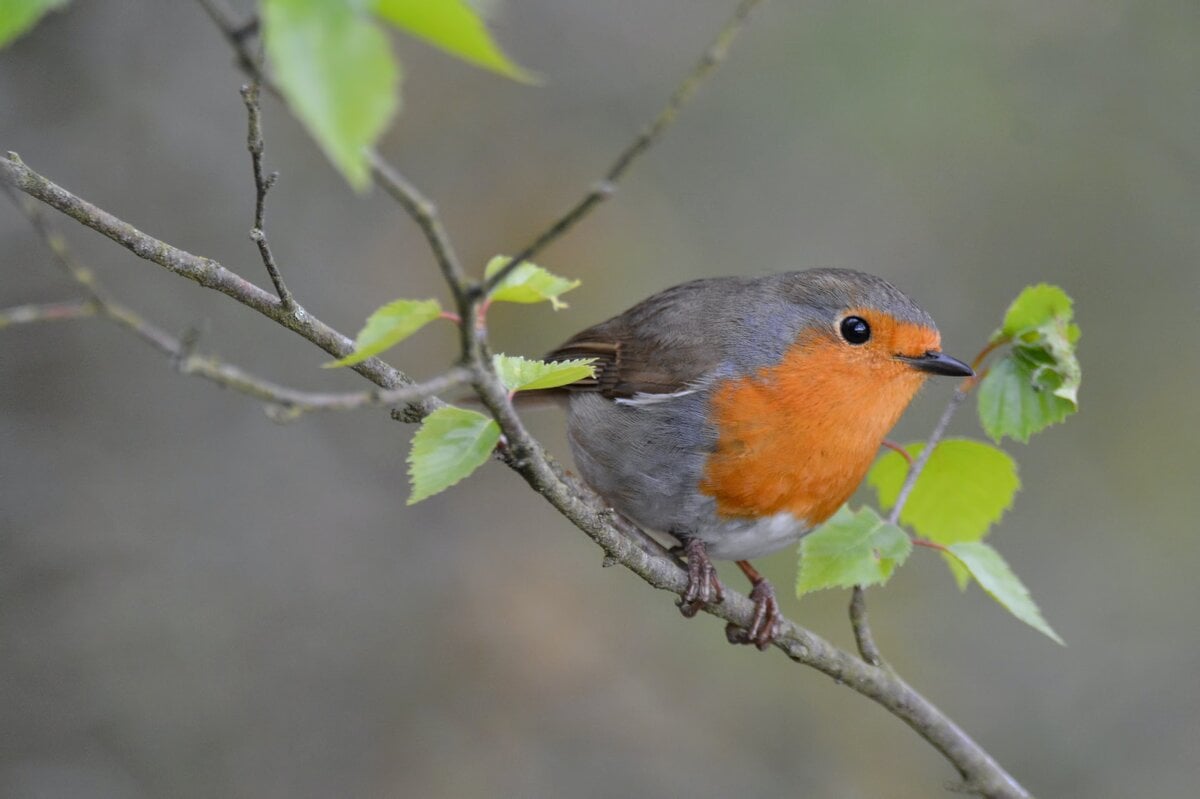
Have you ever wondered why certain birds settle in specific places while others don’t? The way birds choose their homes is more than just luck—it’s a smart decision that affects their survival and happiness.
Understanding how birds pick their habitat can change the way you see the world around you. You’ll discover the surprising factors that guide birds to their perfect spots and how these choices impact their daily lives. Keep reading, and you might start noticing things about birds that you never saw before.

Credit: www.callnorthwest.com
Habitat Types Birds Prefer
Birds choose habitats based on food availability, shelter, and safety from predators. Different species prefer forests, wetlands, or grasslands to meet their needs. Habitat selection helps birds survive and raise their young successfully.
Birds are remarkable creatures with diverse habitat preferences. They select habitats based on food availability, safety, and nesting sites. Different bird species thrive in various environments, each offering unique advantages. Understanding these preferences helps in bird conservation and creating bird-friendly spaces.Forests And Woodlands
Forests and woodlands offer rich resources for many bird species. Tall trees provide nesting sites and protection. Dense foliage shelters birds from predators. Many birds find ample food in these areas. Insects, seeds, and fruits are plentiful.Wetlands And Marshes
Wetlands and marshes attract birds with their abundant water sources. Birds find insects, fish, and aquatic plants here. These habitats offer nesting sites and safe resting areas. Migratory birds often stop in wetlands during long journeys.Grasslands And Meadows
Grasslands and meadows host various ground-nesting birds. Open spaces offer visibility to spot predators. Birds find seeds and insects in abundance. Tall grasses provide shelter and nesting materials.Urban And Suburban Areas
Urban and suburban areas have become popular bird habitats. Birds adapt to parks, gardens, and green spaces. Bird feeders and birdbaths attract many species. Buildings and structures offer nesting opportunities.
Credit: askabiologist.asu.edu
Key Factors Influencing Habitat Choice
Understanding how birds select their habitats reveals a lot about their survival strategies. Several key factors influence their choices, guiding them to environments where they can thrive. These factors often work together, shaping the perfect spot for feeding, breeding, and staying safe.
Food Availability
Birds prioritize areas rich in food. You might notice that fruit-eating birds flock to berry bushes, while insectivores prefer places buzzing with bugs. If food is scarce, birds will move on quickly, showing how critical this factor is for their daily survival.
Have you ever watched a bird return repeatedly to a feeder? That’s a clear sign that reliable food sources strongly attract them. You can attract birds to your backyard by planting native fruit trees or setting up feeders with their favorite seeds.
Shelter And Nesting Sites
Shelter offers protection from weather and predators, making it essential for habitat choice. Birds look for safe, hidden spots to build nests, like dense shrubs, tree cavities, or tall grasses. The availability of these sites often determines whether a bird stays in an area or moves elsewhere.
Think about how cavity-nesting birds, like woodpeckers, depend on old trees. If those trees disappear, so do the birds. By preserving natural shelters or installing nest boxes, you can help provide safe havens for local bird species.
Predator Presence
Safety is a top priority for birds, so they avoid places with many predators. Areas with heavy predator activity, such as cats, hawks, or snakes, can force birds to choose less ideal habitats just to stay alive. This fear shapes where they feed, nest, and rest.
Ever noticed birds acting nervously or suddenly flying away? That’s their instinct reacting to danger. By minimizing predator threats around your home, like keeping cats indoors, you encourage more birds to settle nearby.
Climate And Weather Conditions
Climate affects when and where birds live. Some species prefer warm, humid environments, while others thrive in cooler, drier areas. Seasonal changes often trigger migration, pushing birds to find habitats with suitable temperatures and weather.
Consider how hummingbirds migrate thousands of miles to find the right climate for feeding and breeding. If you want to support migratory birds, providing water and shelter during their stops can make a big difference.
Role Of Territory And Competition
Birds carefully choose their habitats based on territory and competition. These factors shape where they live, feed, and breed. Understanding territory and competition helps explain bird behavior and habitat selection.
Territorial Behavior
Many birds defend specific areas called territories. They use songs, displays, and physical actions to mark their space. Territories offer food, shelter, and nesting spots. Birds guard these areas to keep others away. This behavior ensures access to vital resources. Territory size varies by species and habitat quality. Some birds stay in one area all year. Others change territories with seasons.
Interspecies Competition
Different bird species often compete for the same resources. Food, nesting sites, and shelter can cause conflict. Larger or more aggressive birds may dominate smaller ones. Competition forces birds to adapt or move. Some species avoid crowded areas to reduce fights. Others develop unique feeding habits to coexist. This competition influences habitat choice and survival chances.
Resource Partitioning
Birds share habitats by dividing resources. This process is called resource partitioning. It reduces direct competition between species. Birds may use different food types or feed at different times. Some nest in varied locations within the same area. This allows multiple species to live close together. Resource partitioning helps maintain bird diversity in habitats.
Adaptations For Specific Habitats
Birds show amazing ways to fit into their habitats. Their bodies and actions help them live well in different places. These adaptations help them find food, stay safe, and raise young ones in the right environment.
Physical Adaptations
Birds have special body parts made for their home areas. Strong beaks help crack nuts or catch insects. Long legs suit walking in water or tall grass. Wing shapes change for fast flying or slow gliding. Feather colors can hide birds from predators or help them attract mates.
Behavioral Adaptations
Birds act in ways that match their habitats. Some build nests in trees, others in cliffs or on the ground. Many are quiet to avoid danger. Some use tools to get food. Birds may live alone or in groups depending on safety and food availability.
Migration Patterns
Many birds move to new places with the seasons. They leave cold areas to find warm climates. Migration helps birds find food and better weather. Some travel thousands of miles. These journeys show how birds adapt to survive year-round.
Human Impact On Bird Habitats
Birds depend heavily on their habitats to find food, shelter, and mates. Human activities change these habitats quickly and deeply. These changes affect how birds choose where to live and survive. Understanding this impact helps protect bird species and their environments.
Habitat Loss And Fragmentation
Humans clear forests and wetlands for farming and buildings. This removes large areas where birds live. Small patches remain, separated by roads or farms. Birds find it hard to move between these patches. Food and nesting places become scarce. Many bird species decline or disappear in these areas.
Urbanization Effects
Cities create new challenges for birds. Noise, lights, and pollution disturb their daily life. Some birds adapt to urban parks and gardens. Others cannot survive the busy city environment. Buildings and cars can cause bird injuries. Urban areas change the natural balance of bird habitats.
Conservation Efforts
People work to save bird habitats worldwide. Protected areas and parks help keep natural homes safe. Reforestation and wetland restoration bring back lost habitats. Bird-friendly urban designs create safe spaces in cities. Community groups raise awareness and monitor bird populations. These actions support birds in finding good places to live.
Techniques For Studying Bird Habitat Choices
Studying how birds choose their habitats reveals fascinating insights about their survival strategies. Researchers use various techniques to observe and analyze birds in their natural environments. These methods help uncover patterns that guide birds in selecting the best places to live, feed, and reproduce.
Field Observations
Watching birds directly in the wild remains one of the simplest yet most effective ways to understand their habitat choices. You might be surprised how much detail you can gather just by noting where birds spend their time during different seasons.
Observers record behaviors like feeding, nesting, and social interactions. These details give clues about what features of a habitat attract certain species. For example, some birds prefer dense shrubs, while others seek open fields or wetlands.
Tracking And Tagging
Attaching small trackers or tags to birds lets you follow their movements over long distances. This technique reveals migration routes and specific habitat preferences you can’t see from just watching.
GPS tags provide precise location data, showing where birds stop to rest or feed. This data can help answer questions like: Why does a bird choose one forest patch over another nearby? Tracking also highlights changes in habitat use during different life stages.
Remote Sensing And Gis
Satellite images and Geographic Information Systems (GIS) allow you to study bird habitats on a large scale. This technology maps landscape features like vegetation cover, water sources, and human development—all important for habitat selection.
By combining tracking data with GIS, researchers can identify patterns and predict where birds are likely to settle. Imagine using this information to protect critical habitats before they disappear. How could you use this data in your own birdwatching or conservation efforts?
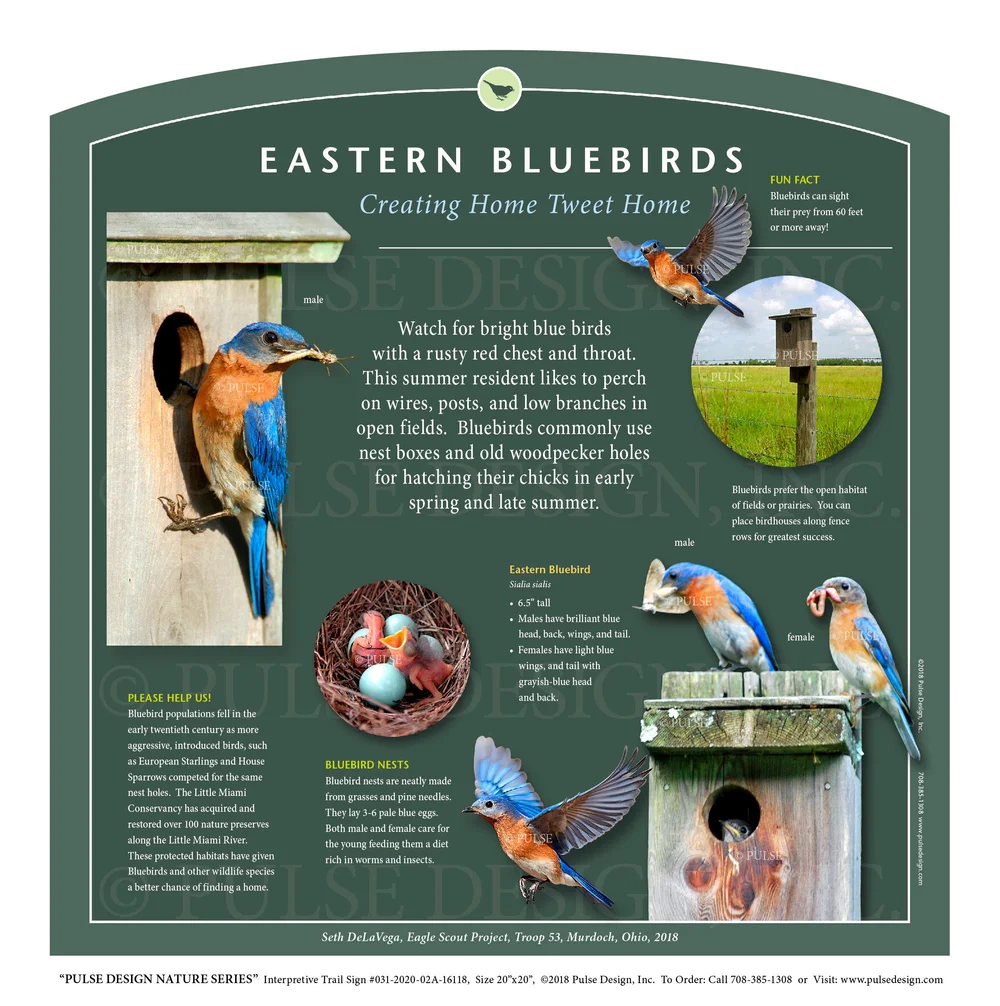
Credit: www.pulsedesign.com
Frequently Asked Questions
How Do Birds Select Their Habitats?
Birds choose habitats based on food availability, shelter, and safety from predators. They also consider climate and nesting sites to ensure survival and reproduction success.
What Factors Influence Bird Habitat Preference?
Birds prefer habitats with abundant food, water sources, and suitable nesting locations. Environmental conditions like temperature and vegetation type also play key roles in their selection.
How Does Habitat Affect Bird Behavior?
Habitat influences birds’ feeding, mating, and migration patterns. Different environments offer varied resources, affecting their daily activities and long-term survival strategies.
Why Do Some Birds Migrate To New Habitats?
Birds migrate to find better food, breeding grounds, or favorable climates. Seasonal changes often drive these movements to optimize survival and reproductive success.
Conclusion
Birds choose habitats based on food, safety, and shelter needs. Each species looks for places that match their survival needs best. They prefer areas with enough food and safe spots to hide. Weather and climate also affect their choices. Understanding how birds pick homes helps us protect their environments.
Small changes in habitat can impact bird life greatly. Watching birds can teach us about nature’s balance. Nature’s way of choosing homes is smart and simple.