
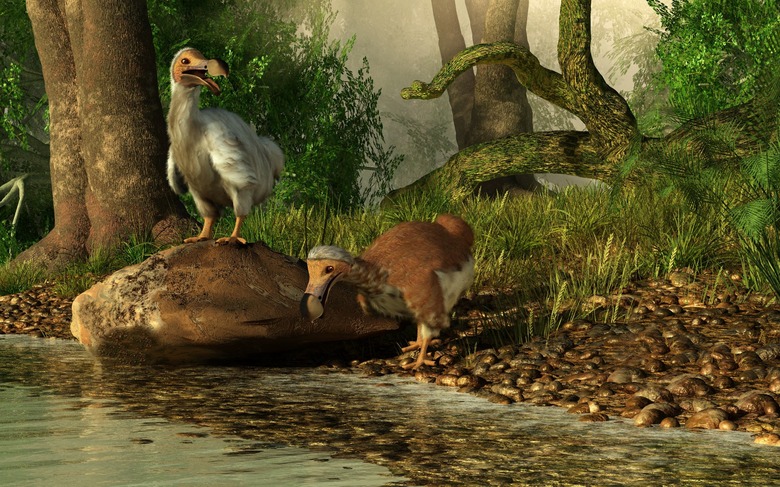
Have you ever wondered where the dodo bird once lived? Imagine a place so unique that it shaped the life of a creature now lost to time.
Understanding the dodo’s habitat can reveal surprising facts about this mysterious bird and why it disappeared forever. If you want to uncover the secrets of the dodo’s world, keep reading—you’re about to discover an environment unlike any other, full of clues that explain the rise and fall of this fascinating species.
Your curiosity will lead you straight to the heart of the dodo’s home.

Credit: theorkneynews.scot
Dodo Bird Origins
The story of the dodo bird begins on the remote island of Mauritius. This flightless bird, now a symbol of extinction, once thrived in a lush, untouched environment. Understanding their origins offers a glimpse into a world that vanished too soon.
Species Background
The dodo, scientifically known as Raphus cucullatus, belonged to the pigeon family. Unlike its relatives, it adapted to a life on the ground. Its large beak and robust body were perfectly suited for a diet of fruits, seeds, and roots.
Living in isolation, dodos had no natural predators on Mauritius. This allowed them to develop unique characteristics, setting them apart from other avian species. Can you imagine a world where these birds roamed freely, unthreatened by danger?
Evolutionary Path
The journey of the dodo bird is an evolutionary tale of adaptation and survival. Ancestors of the dodo likely flew from Southeast Asia to Mauritius millions of years ago. Once settled, they gradually lost their ability to fly, evolving to meet the island’s specific conditions.
This transformation was driven by the abundance of resources and lack of predators. Over time, their wings became vestigial, and their bodies grew larger. It’s fascinating to think how a bird known for flight became a grounded, unique creature.
Yet, this evolutionary path, while successful for centuries, couldn’t withstand human interference. The arrival of humans brought new challenges that the dodo couldn’t adapt to. What lessons can we learn from the dodo’s story to protect today’s vulnerable species?

Credit: medium.com
Mauritius Island Environment
The Mauritius Island environment shaped the life of the dodo bird in unique ways. This isolated island in the Indian Ocean offered a setting unlike anywhere else on Earth. Understanding its environment helps you picture the dodo’s world more clearly.
Geography And Climate
Mauritius is a volcanic island with rugged mountains and lush coastal plains. Its varied landscape created many different habitats across a small area.
The island enjoys a tropical climate. Warm temperatures and seasonal rains support rich vegetation year-round. Have you ever thought about how a steady climate like this might affect an animal’s behavior and survival?
Flora And Fauna
Mauritius was once covered with dense forests filled with giant ferns, ebony trees, and palms. These plants provided food and shelter for the dodo and other creatures.
The island’s fauna included many unique species found nowhere else. Without natural predators, the dodo thrived but also became vulnerable to new threats. How different would the dodo’s fate be if its environment had more predators?
Dodo’s Habitat Features
The dodo bird’s habitat featured a unique blend of environments that shaped its way of life. Understanding these habitat features helps you picture how the dodo survived and thrived on Mauritius island. Each part of their habitat played a crucial role in their daily routine and survival.
Forest Types
The dodo lived primarily in dense tropical forests. These forests were rich in tall trees and thick undergrowth, providing plenty of shelter. You might be surprised to learn that these forests included both evergreen and deciduous trees, creating a diverse ecosystem.
These forests offered the dodo protection from predators and harsh weather. The thick canopy also influenced the light and moisture levels on the forest floor, affecting the plants and insects the dodo depended on. Have you ever thought about how such forest layers impact animal behavior in your own backyard?
Coastal Areas
Close to the dodo’s forest home were coastal regions with sandy beaches and rocky shores. These areas provided easy access to the ocean and a variety of food sources. The coastline was a less dense habitat but just as important for the dodo’s survival.
Coastal zones allowed the dodo to find shells, fruits, and seeds washed ashore. The proximity to water also meant a supply of fresh water nearby. Imagine how you might use a nearby shoreline for food and resources if you lived in such a remote place.
Food Sources
The dodo’s diet was shaped by the available plants and small animals in its habitat. It mainly fed on fallen fruits, seeds, roots, and possibly small land animals or insects. This variety kept the dodo well-nourished in its environment.
Interestingly, the dodo’s strong beak helped it break tough shells and fruits. This adaptation shows how closely diet and habitat features are linked. Can you think of a tool or skill you rely on daily because of where you live?
Ecological Role Of The Dodo
The dodo bird, though extinct, played a unique and vital role in its island ecosystem. Its ecological functions shaped the environment in ways that still intrigue scientists today. Understanding this role helps us appreciate how even a single species can influence an entire habitat.
Interactions With Other Species
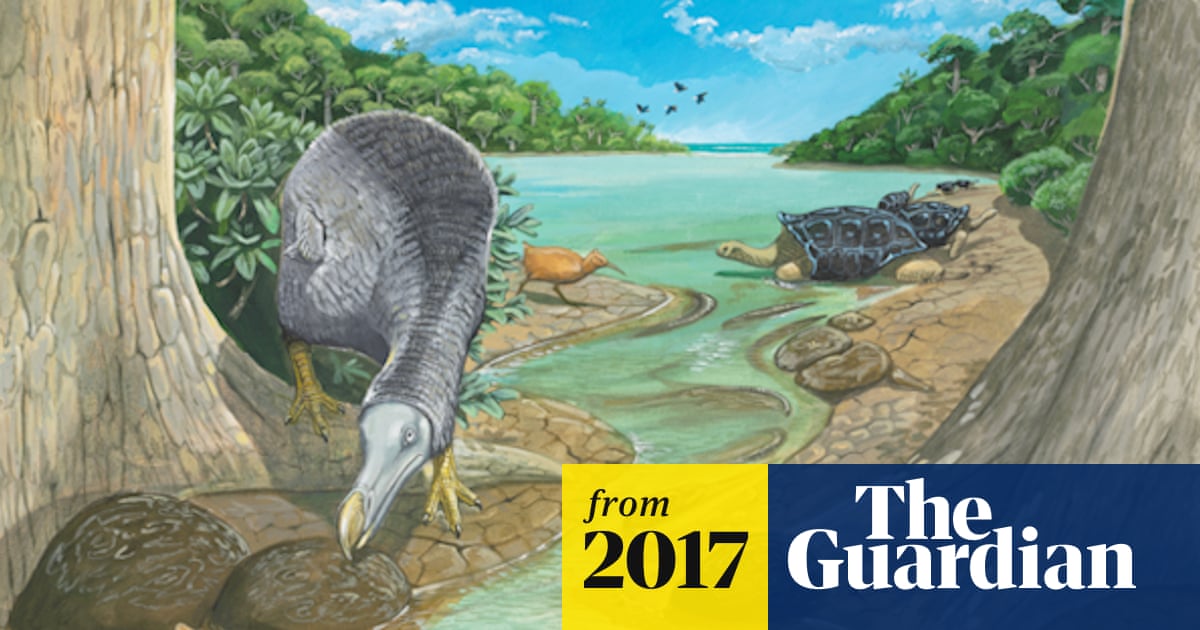
The dodo was a ground-dwelling bird that interacted closely with several species on Mauritius. It competed for food with giant tortoises and various birds, creating a natural balance in resource use.
Its nesting habits also affected smaller animals; by disturbing the forest floor, the dodo helped create new habitats for insects and plants. You might wonder how the loss of the dodo impacted these species—many faced challenges adapting to the sudden absence of this ecosystem player.
Impact On Vegetation
The dodo contributed significantly to seed dispersal. It ate fruits and excreted seeds far from the parent trees, helping plants spread across the island.
Without the dodo, some tree species likely struggled to propagate, changing the forest’s makeup. Have you ever thought about how one animal’s eating habits can shape an entire forest?
Its disappearance may have led to reduced plant diversity, which shows how interconnected animals and plants really are. This teaches us the importance of protecting every species in your own environment.
Human Impact On Habitat
The dodo bird’s habitat faced drastic changes once humans arrived on the island of Mauritius. These changes weren’t accidental; they directly altered the environment that sustained the dodo. Understanding these impacts sheds light on how fragile ecosystems can be when confronted with new threats.
Arrival Of Settlers
The arrival of Dutch settlers in the late 16th century marked the beginning of profound habitat disruption. Settlers cleared large areas of forest to build homes and grow crops. This sudden change reduced the dense woodland that dodos depended on for food and shelter.
Have you ever noticed how a single change in your environment can affect your daily life? The same was true for the dodo, whose world was shrinking fast.
Habitat Destruction
Forests were not only cut down but also burned to clear land quickly. This destruction fragmented the dodo’s habitat, isolating populations and making it harder for them to find food and mates. With less space and resources, the dodo’s survival became increasingly difficult.
- Loss of nesting sites
- Scarcity of native fruit trees
- Reduced cover from predators
Introduction Of Invasive Species
Settlers unintentionally introduced invasive species like rats, pigs, and monkeys. These animals competed with the dodo for food and preyed on their eggs. Unlike the dodo, these invaders adapted quickly and multiplied, upsetting the natural balance.
Think about how introducing one new element into your routine can disrupt everything. For the dodo, these invasive species were an unstoppable force that contributed heavily to their decline.
Credit: www.theguardian.com
Lessons From The Dodo’s Habitat Loss
The dodo bird’s extinction is more than just a tragic story of a lost species. It reflects a deeper issue—how fragile habitats can disappear quickly when disturbed. Understanding what happened to the dodo’s home offers valuable lessons about protecting ecosystems today.
Conservation Insights
The dodo lived on Mauritius, an island with a unique ecosystem shaped by isolation. When humans arrived, they brought new animals and plants that disrupted this balance. The dodo’s habitat was destroyed by deforestation and invasive species, showing how sensitive island environments are to change.
Think about how quickly the dodo vanished once its habitat changed. This teaches us that conservation efforts must focus on preserving habitats before species become endangered. Protecting the environment is not just about saving animals but maintaining the entire ecosystem that supports them.
Protecting Island Ecosystems
Islands like Mauritius host many species found nowhere else. This makes them biodiversity hotspots but also highly vulnerable. If you care about biodiversity, you must understand that islands need special attention due to their limited space and unique species.
- Control invasive species that threaten native plants and animals.
- Prevent habitat destruction by regulating land use and development.
- Support local conservation programs that monitor and restore ecosystems.
Have you ever considered how your daily choices affect distant habitats like islands? Even small actions—like avoiding products linked to deforestation—can help protect fragile places. The dodo’s story urges us to act now to keep other species from disappearing forever.
Frequently Asked Questions
What Kind Of Environment Did Dodo Birds Live In?
Dodo birds inhabited dense forests on Mauritius island. They thrived in subtropical, humid climates with abundant vegetation and fruit trees, ideal for their diet and shelter.
Where Was The Dodo Bird’s Natural Habitat Located?
The dodo’s natural habitat was Mauritius, an island in the Indian Ocean. This isolated location provided a predator-free environment until human arrival.
How Did The Habitat Affect The Dodo Bird’s Lifestyle?
The dodo’s forest habitat offered plenty of food and shelter. Lack of predators led to flightlessness and ground nesting habits, making them vulnerable to new threats.
What Plants Were Common In The Dodo Bird’s Habitat?
Mauritius’ forests had diverse native trees and fruit plants. These included tambalacoque trees, which likely provided food and nesting materials for dodos.
Conclusion
The dodo bird lived in a warm, forested island environment. It found food among plants and fallen fruits. With no natural predators, it stayed close to the ground. Sadly, human arrival changed everything quickly. Understanding its habitat helps us learn from past mistakes.
It reminds us to protect wildlife and nature today. The dodo’s story remains a powerful lesson for all.