
Do you want to bring more birds to your garden and enjoy their cheerful songs every day? Building a bird habitat is easier than you think, and it can turn your outdoor space into a lively sanctuary for feathered friends.
Imagine watching colorful birds visit your yard, feeling connected to nature, and helping local wildlife thrive. In this guide, you’ll learn simple, practical steps to create a safe and welcoming home for birds. Keep reading, and you’ll discover how small changes can make a big difference for your winged visitors.

Credit: www.callnorthwest.com
Choosing The Right Location
Choose a quiet spot with plenty of trees and bushes for shelter. Avoid noisy or busy areas to help birds feel safe and comfortable.
Choosing the right location is key to building a successful bird habitat. Birds need a safe, comfortable place to live and thrive. Location impacts their health and well-being. Here, we’ll explore how to choose the best spot in your backyard.Assessing Your Backyard Space
Start by looking at your backyard’s layout. Measure the available space. Identify areas with minimal human activity. Birds prefer quiet spots away from noise. Observe how much natural cover exists, like trees or shrubs. These offer protection and nesting sites. Consider the ground surface. Birds need different terrains for feeding and nesting.Considering Sunlight And Shelter
Sunlight plays a big role in bird habitats. Birds enjoy warmth and light for their daily activities. Choose a spot that gets morning sun. Avoid areas with harsh afternoon light. Look for natural shelter like trees or hedges. These provide shade and protection from wind and rain. Ensure there are places for birds to perch and rest.Avoiding Predators
Safety from predators is crucial. Cats, hawks, and other predators can threaten birds. Select a location that’s hard for predators to access. Avoid areas near fences or tall trees where cats might climb. Keep bird feeders and baths away from thick bushes. This reduces hiding spots for predators. Ensure the area is open enough for birds to spot danger quickly.Selecting Native Plants
Selecting native plants is key to building a healthy bird habitat. Native plants grow naturally in your area. They support local wildlife better than non-native species. Birds rely on these plants for food, shelter, and nesting. Choosing the right plants creates a welcoming space for birds all year.
Attracting Local Birds
Native plants attract birds that live nearby. Birds recognize these plants as food sources. They are familiar with the seeds, berries, and insects these plants host. Using native plants helps increase bird visits. It brings a variety of species to your garden or yard.
Providing Food And Shelter
Native plants offer natural food like seeds, nectar, and fruit. They also support insects that birds eat. Dense shrubs and trees give safe places to hide from predators. Plants with thick branches or leaves provide nesting spots. This shelter helps birds survive harsh weather and raise chicks.
Planting For Different Seasons
Choose plants that bloom or bear fruit in various seasons. This keeps food available year-round. Spring flowers attract pollinators and early birds. Summer fruits feed many species during breeding time. Fall and winter plants provide seeds and shelter when food is scarce.
Adding Water Sources
Water is essential for birds. It helps them drink and bathe. Providing water sources attracts more birds to your habitat. It also keeps them healthy and active. Different birds prefer different types of water. Offering a variety of options increases your chances of seeing many species.
Setting Up Birdbaths
Choose a shallow birdbath with smooth edges. Birds need water no deeper than two inches. Place the birdbath in a quiet, open area. Make sure it is easy for birds to spot. Add some stones or pebbles for better grip. Avoid slippery surfaces that can scare birds away. Change the water daily to keep it fresh and inviting.
Maintaining Clean Water
Clean water is vital to prevent diseases. Remove leaves, dirt, and debris regularly. Use a scrub brush and mild soap if needed. Rinse thoroughly before refilling the birdbath. Avoid using strong chemicals or bleach. Keep water fresh by refilling often during hot days. A clean water source makes birds return often.
Using Small Ponds Or Drippers
Small ponds create a natural water environment. They attract birds that prefer gentle water movement. Add native plants around the pond to provide shelter. Drippers or misters create soft water sounds. These sounds attract birds from far away. Set drippers to drip slowly for a steady water supply. Both ponds and drippers support bird hydration and bathing needs.
Building Birdhouses And Feeders
Building birdhouses and feeders creates a safe space for birds to live and eat. These structures attract different bird species. They offer shelter and food during all seasons. Simple projects can bring birds closer to your garden or yard. Careful planning ensures the birdhouses and feeders suit the local birds’ needs.
Choosing Suitable Designs
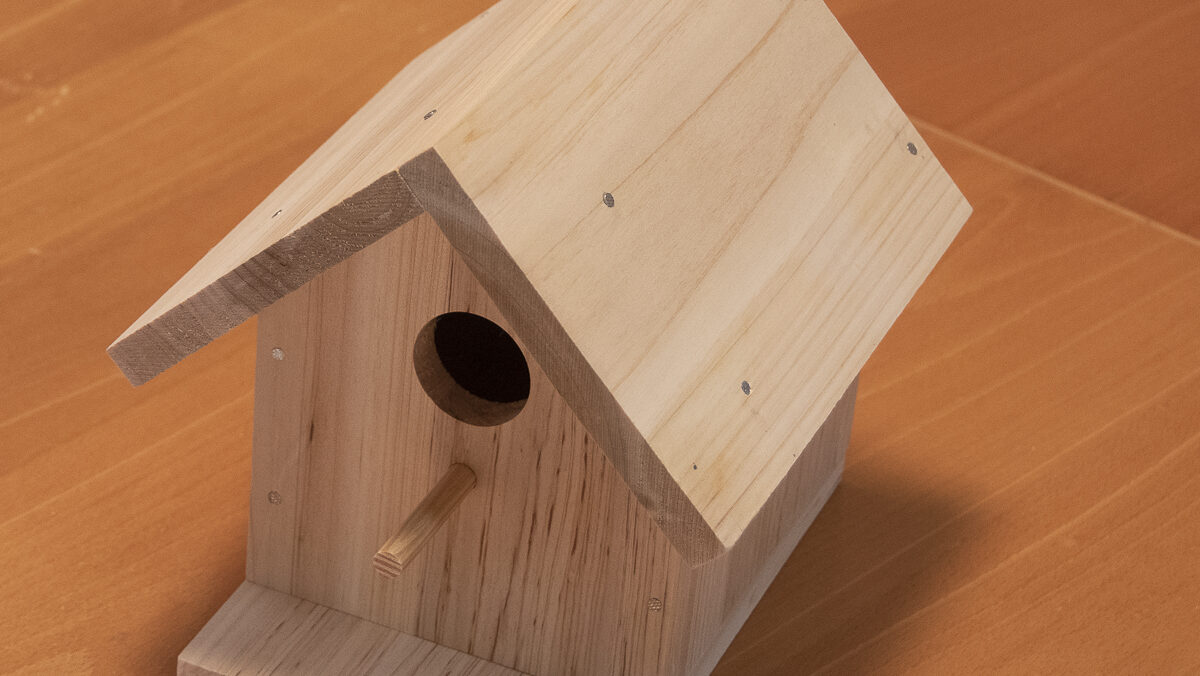
Select birdhouse and feeder designs based on bird species in your area. Small birds like wrens need smaller entrance holes to keep larger birds out. Wood is the best material for birdhouses, as it breathes and insulates well.
- Choose designs with drainage holes to keep nests dry.
- Feeders with seed trays or tubes work for seed-eating birds.
- Suet feeders attract insect-eating birds.
- Avoid sharp edges and toxic paints or stains.
Placement Tips
Place birdhouses and feeders where birds feel safe. Hang them at least 5 feet above ground to protect from predators. Put feeders near shrubs or trees for quick shelter access.
- Avoid direct sun exposure to prevent overheating.
- Keep feeders away from busy areas to reduce stress.
- Space multiple feeders to avoid bird fights.
- Face birdhouse entrances away from prevailing winds.
Maintaining Cleanliness
Clean birdhouses and feeders regularly to prevent disease. Remove old nesting materials after each season. Wash feeders with warm, soapy water every two weeks.
- Rinse thoroughly and let them dry before refilling.
- Use a mild bleach solution for deep cleaning.
- Check for mold, dirt, or broken parts often.
- Clean feeding areas to avoid attracting pests.
Creating Safe Nesting Areas
Creating safe nesting areas is essential for attracting birds to your habitat and helping them thrive. Birds need secure spots where they can build nests, lay eggs, and raise their young without fear. Providing these safe spaces not only supports local wildlife but also brings you closer to nature’s daily wonders.
Using Nesting Materials
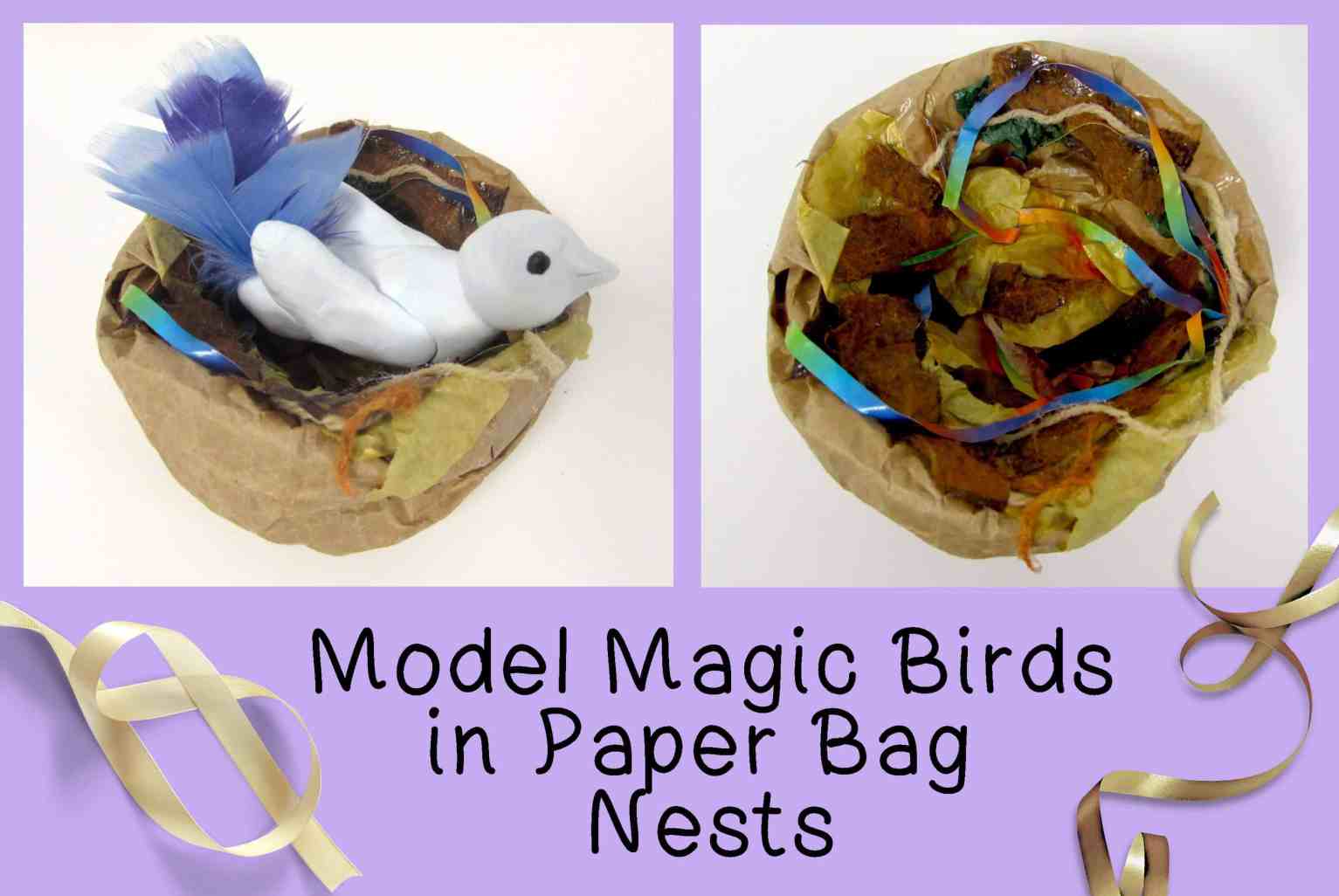
Offer birds a variety of natural materials they can use to build their nests. Soft twigs, dry grass, feathers, and small bits of moss work well. You can place these materials in shallow containers or scatter them around your garden.
Be careful not to use synthetic or treated materials, as they can harm birds. Think about what you’ve seen birds picking up in your area and provide similar items. You might be surprised how much the right nesting materials encourage birds to settle in your habitat.
Providing Natural Cover
Birds need protection from predators and harsh weather while nesting. Plant dense shrubs, small trees, or thorny bushes to create natural cover. These spots offer safe hiding places and reduce the risk of nests being disturbed.
Adding birdhouses in sheltered locations can also help, but natural cover often feels safer to birds. Have you noticed how birds often choose thick bushes instead of open branches? Mimic those conditions to make your habitat more inviting.
Minimizing Disturbances
Keep nesting areas calm and quiet to prevent stress to birds. Avoid frequent human traffic near nests and limit loud noises like lawnmowers or barking dogs during breeding seasons. Even pets should be kept away from nesting zones.
Be patient and observe from a distance. Interfering with nests can cause birds to abandon them. Ask yourself: Are you creating a peaceful environment that encourages birds to stay and raise their young safely?

Credit: underatinroof.com
Encouraging Bird Activity
Creating a welcoming environment for birds takes more than just providing shelter. Encouraging bird activity ensures your habitat becomes a lively space full of feathered visitors. Birds need food, safety, and comfort to stay and thrive. Simple actions can invite various bird species and keep them coming back.
Offering Diverse Food Sources
Different birds prefer different foods. Provide a mix of seeds, nuts, fruits, and suet. This variety attracts many species and keeps them interested.
- Sunflower seeds for finches and chickadees
- Peanuts for woodpeckers and jays
- Fruit slices for orioles and thrushes
- Suet cakes for insect-eating birds
Change food types based on seasons. Offer fresh water nearby for drinking and bathing.
Avoiding Harmful Chemicals
Chemicals can harm birds and reduce their activity. Avoid pesticides, herbicides, and chemical fertilizers in your garden. These substances poison birds and reduce insect food sources.
Use natural pest control methods. Plant native flowers to attract insects safely. Keep your habitat clean and chemical-free for bird health.
Monitoring Bird Behavior
Watch how birds use your habitat. Notice which food they prefer and when they visit most. This helps you adjust your setup to better suit their needs.
Look for signs of stress or illness. Remove any hazards like tangled strings or sharp objects. Regular monitoring keeps your bird habitat safe and inviting.
Seasonal Care And Maintenance
Maintaining a bird habitat throughout the year requires attention to seasonal changes. Each season brings unique challenges and opportunities to support the birds you want to attract. Paying close attention to seasonal care ensures your habitat remains safe, comfortable, and inviting.
Preparing For Winter
Winter can be tough on birds, and your habitat needs to adapt accordingly. Start by providing extra food sources rich in fat and protein, like suet or sunflower seeds, to help birds keep their energy up in the cold.
Make sure water sources don’t freeze by using heated birdbaths or regularly changing the water. Also, protect nesting areas by adding natural materials such as straw or pine needles to provide insulation.
Have you noticed certain bird species vanish during winter? Adjusting your habitat to meet their specific needs might encourage them to stay or return sooner next year.
Spring Cleaning Tips
Spring is the perfect time to refresh your bird habitat. Remove old nesting materials, leftover food, and debris that could harbor bacteria or parasites. Clean feeders and birdbaths thoroughly using a mild bleach solution (1 part bleach to 9 parts water), then rinse well.
Inspect your birdhouses for damage and make necessary repairs before the breeding season starts. Adding fresh nesting materials like dry grass or wood shavings can make your habitat more attractive to nesting birds.
How often do you clean your bird feeders? Regular cleaning reduces disease spread and keeps birds healthy throughout the season.
Adapting To Weather Changes
Weather can change unexpectedly, so your bird habitat should be flexible. Provide shelter options such as dense shrubs or brush piles to protect birds from wind, rain, or extreme sun. Move feeders to more sheltered spots during storms to keep food dry.
During hot months, ensure fresh water is always available and consider adding shallow pools or misters to help birds cool down. Watch how birds use your habitat and adjust plants or features to match their behavior and needs.
Have you tried observing how different weather conditions affect bird activity in your yard? This insight helps you tailor your habitat for comfort all year long.
Credit: bringbinoculars.com
Frequently Asked Questions
What Materials Are Best For Building A Bird Habitat?
Natural materials like wood, twigs, and leaves are ideal. Avoid treated wood or harmful chemicals. Use native plants to attract local birds and provide food and shelter.
How Much Space Does A Bird Habitat Need?
A small garden or backyard corner can work. Aim for at least 10 square feet to create diverse shelter, nesting, and feeding areas. Larger spaces attract more bird species.
What Plants Attract Birds To The Habitat?
Native berry-producing shrubs, flowering plants, and trees attract birds. Examples include dogwood, elderberry, and sunflowers. These provide food, shelter, and nesting sites throughout the seasons.
How Do I Keep The Bird Habitat Safe From Predators?
Place birdhouses and feeders away from dense shrubs. Use baffles on poles to prevent climbing predators. Maintain clear sightlines so birds can spot threats early.
Conclusion
Building a bird habitat brings nature closer to your home. It offers food, shelter, and safety for birds. Small efforts create a big difference in their lives. Watch birds visit and enjoy your space daily. Your garden becomes lively and full of song.
Keep learning and improving your habitat over time. Nature rewards care and patience with beauty. Start today and see the joy birds bring.