
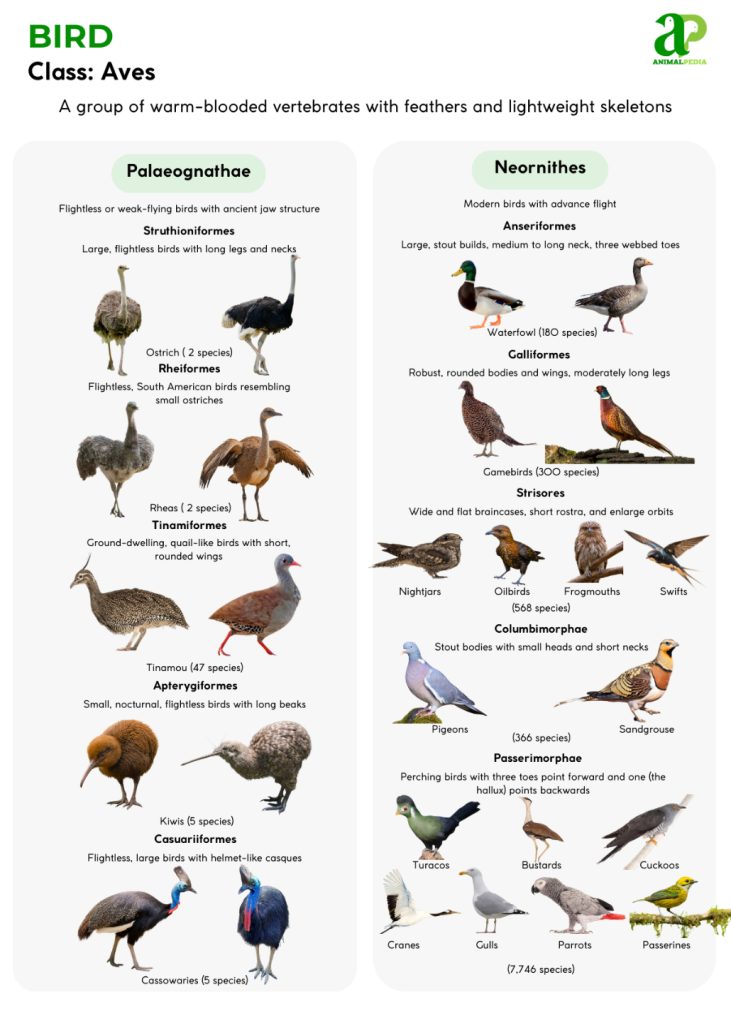
Have you ever wondered where to find the most amazing birds during your next outdoor adventure? Knowing the right places to look can turn an ordinary walk into an unforgettable birdwatching experience.
Birds live in different types of habitats, each offering unique sights and sounds. Understanding the four main birding habitats will help you discover more species, enjoy your time outside, and feel closer to nature. Ready to explore these special places and sharpen your birding skills?
Keep reading to unlock the secrets of where birds thrive and how you can spot them easily.
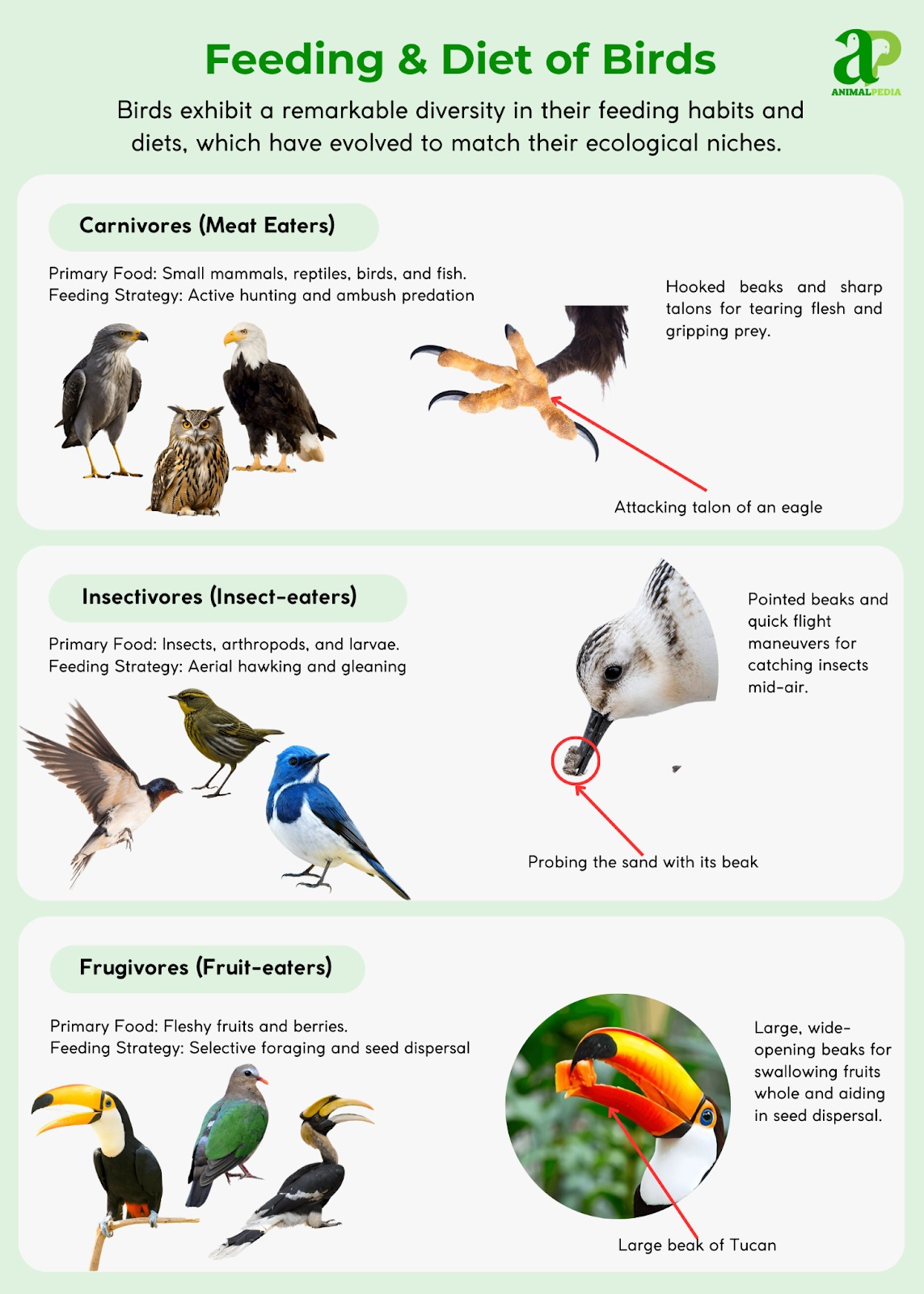
Credit: animal-pedia.org
Forests
Birds thrive in four main habitats: forests, wetlands, grasslands, and urban areas. Forests offer shelter, food, and nesting spots for many bird species. Exploring these habitats helps understand bird behavior and diversity.
Forests are rich in biodiversity. They offer a haven for many bird species. Dense canopies, varied flora, and serene surroundings attract bird enthusiasts. Exploring these wooded areas is a delight for birdwatchers. The sights and sounds of forest birds are enchanting.Types Of Forest Habitats
Forests come in different types. Each type hosts unique birdlife.- Tropical Rainforests
- Temperate Deciduous Forests
- Boreal Forests
- Montane Forests
Bird Species In Forests
Forests are home to diverse bird species. You might spot colorful parrots in tropical rainforests. Woodpeckers are common in temperate forests. Boreal forests host hardy species like owls and grouse. Montane forests often have unique alpine birds. Each forest type supports different birds. Observing them is a joy for bird lovers.Best Times For Forest Birding
Bird activity varies with time and season. Early morning is ideal for birdwatching. Birds are most active and vocal then. Spring and early summer are perfect for spotting migratory species. Many birds breed in these seasons. Autumn offers a chance to see birds preparing for migration. Choosing the right time enhances birdwatching experiences.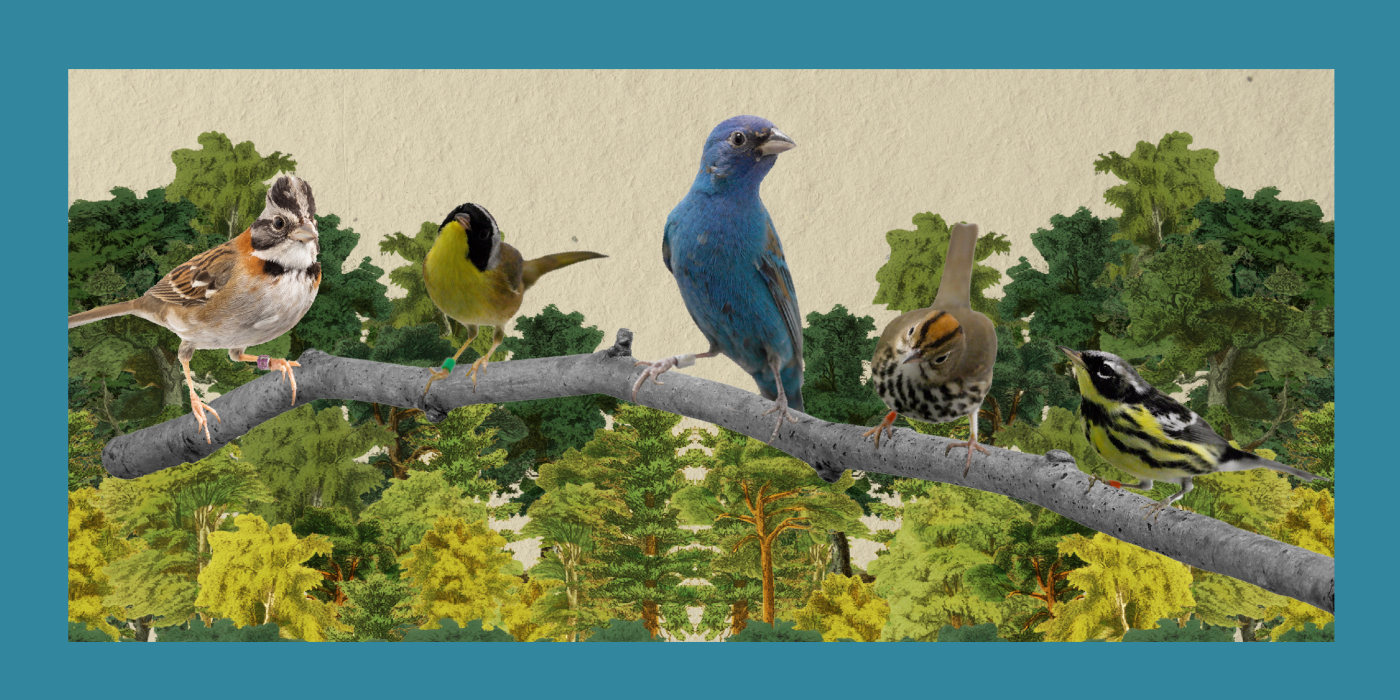
Credit: nationalzoo.si.edu
Wetlands
Wetlands are unique places where land and water meet. They hold water all year or during certain seasons. These areas support many bird species. Birds find food, shelter, and nesting spots here. Wetlands vary in size and type but all play a key role in bird life.
Marshes And Swamps
Marshes have soft, wet ground and lots of grasses. Swamps have trees and shrubs growing in water. Both provide rich homes for birds. Water and plants create perfect spots for feeding and resting. Birds use these areas to hide from predators and raise their young.
Waterfowl And Wading Birds
Wetlands attract waterfowl like ducks and geese. These birds swim and dive for food. Wading birds, such as herons and egrets, walk through shallow water. They search for fish, frogs, and insects. Wetlands offer a steady food supply for these birds all year.
Conservation Importance
Wetlands protect bird populations by providing safe habitats. They filter water and reduce floods. Many wetlands face threats from pollution and development. Protecting these areas helps birds survive and thrive. Conservation efforts keep wetlands healthy and full of life.
Grasslands
Grasslands cover vast stretches of open land where grasses dominate the landscape, offering a unique environment for birdwatchers. These habitats are often overlooked but are vibrant with birdlife that thrives in wide, open spaces. Understanding the different types of grasslands and the species they support can greatly enhance your birding experience.
Prairie And Savanna Areas
Prairies and savannas are two primary types of grassland habitats. Prairies are mostly flat with tall grasses and few trees, while savannas have scattered trees mixed with grassy areas. Both provide essential nesting and feeding grounds for many bird species.
Walking through these areas, you might notice the sharp calls of meadowlarks or the sudden flight of a grasshopper sparrow. These open spaces make spotting birds easier, but the challenge lies in identifying them among the waving grasses.
Grassland Bird Species
Grasslands support a variety of bird species that have adapted to this environment. You can expect to find species like the Eastern Meadowlark, Grasshopper Sparrow, and Bobolink. Many of these birds rely on the grasses for nesting and camouflage.
Some birds, like the Northern Harrier, even soar low over the grasslands hunting for small mammals and insects. Watching these birds requires patience and a keen eye, but the reward is spotting species you won’t find in forests or wetlands.
Seasonal Birding Tips
Bird activity in grasslands changes with the seasons. Spring and early summer are the best times to see breeding birds building nests and raising young. During fall, many grassland species migrate, making it a perfect time for watching large flocks pass through.
To increase your chances of success, visit grasslands early in the morning when birds are most active. Use binoculars and stay quiet to avoid startling the birds. Have you tried walking slowly along a prairie path? It can reveal hidden nests and secretive birds you might otherwise miss.

Credit: www.3billionbirds.org
Coastal Zones
Coastal zones are vibrant places where land meets the sea. They offer unique environments filled with diverse bird species. These areas provide important feeding, nesting, and resting spots for many birds. Coastal zones include beaches, estuaries, tidal flats, and rocky shores. Each part supports different types of birds and wildlife. Birding in these zones reveals fascinating behaviors and stunning views.
Beaches And Estuaries
Beaches are sandy or pebbly shores along the ocean. Estuaries are where rivers meet the sea. Both provide rich food sources for birds. Estuaries have shallow waters with plenty of fish and insects. Beaches offer open spaces for birds to rest and hunt. Many migratory birds stop here during their long journeys. These habitats change with tides and seasons.
Shorebirds And Seabirds
Shorebirds live on the edges of water. They often have long legs and beaks for probing mud and sand. Examples include sandpipers, plovers, and curlews. Seabirds spend most of their life at sea. Gulls, terns, and pelicans are common seabirds. They dive or skim the water to catch fish. Both groups rely on coastal zones for survival.
Birdwatching Etiquette Near Water
Respect the birds and their habitats. Keep a safe distance to avoid disturbing them. Use binoculars or zoom lenses for close views. Stay on marked paths and avoid nesting areas. Avoid loud noises or sudden movements. Do not feed wild birds, as it harms their health. Leave no trash behind to protect the environment.
Frequently Asked Questions
What Are The Four Main Birding Habitats?
The four main birding habitats are forests, wetlands, grasslands, and coastal areas. Each habitat supports unique bird species and behaviors. Birdwatchers often choose locations based on these habitats to maximize their sightings and experience diverse bird populations.
Why Are Forests Important Birding Habitats?
Forests provide shelter, food, and nesting sites for many bird species. They support diverse bird populations, including woodpeckers, owls, and songbirds. Forest birding offers a chance to observe birds in a rich, natural environment with plenty of vegetation and insect life.
How Do Wetlands Support Bird Diversity?
Wetlands offer abundant water, food, and breeding grounds for waterfowl and wading birds. They attract species like ducks, herons, and kingfishers. Wetlands are vital for migratory birds and serve as essential stopover points during long migrations.
What Bird Species Are Found In Grasslands?
Grasslands host ground-nesting birds like meadowlarks, sparrows, and raptors such as hawks. These open habitats provide ample feeding opportunities on insects and small mammals. Grasslands are crucial for birds adapted to open, sunny environments.
Conclusion
Birds live in different habitats, each with unique features. Forests, wetlands, grasslands, and deserts all support various bird species. Knowing these habitats helps you enjoy birdwatching more. It also helps protect birds and their homes. Every bird depends on its habitat to survive and thrive.
Observing birds in their natural places brings joy and learning. Explore these habitats to see the diversity of bird life. Nature holds many secrets waiting to be discovered. Keep watching, keep learning.