

Have you ever wondered how many different birds call Michigan’s coastal habitats home? If you love nature or birdwatching, this is something that will truly surprise you.
The Michigan coastline is more than just beautiful scenery—it’s a bustling world filled with a variety of birds that rely on this unique environment. Understanding how many species use these areas can change the way you see the shorelines and inspire you to explore more.
Keep reading, and you’ll discover fascinating facts about these birds that might just make your next visit to Michigan’s coast unforgettable.
Bird Diversity In Michigan Coastal Areas
Michigan’s coastal areas are a vibrant haven for bird enthusiasts. With its unique mix of habitats, from sandy dunes to lush wetlands, these areas are a paradise for diverse bird species. The variety of birds you can find here is astounding, offering a captivating spectacle for anyone with a keen eye and a love for nature.
Michigan’s coastline stretches over 3,200 miles, offering a rich tapestry of environments that attract a multitude of bird species. This diversity is not just a treat for birdwatchers but also vital for the ecosystem’s health. Different birds contribute to ecological balance, each playing a unique role in their habitat.
Why Are Coastal Areas Important For Birds?
Coastal areas provide essential resources like food, nesting sites, and migratory stops. Birds rely on these habitats for survival and reproduction. Without these rich environments, many species would struggle to thrive or even survive.
Bird Species You Might Encounter
- Sandhill Cranes:Often spotted in wetland areas, their distinct calls are unforgettable.
- American White Pelicans:These large birds are a sight to behold, especially during migration.
- Piping Plovers:A federally endangered species, they nest on sandy beaches, making them a rare find.
Seasonal Changes And Bird Migrations
Michigan’s coastal areas are dynamic, with seasonal changes bringing in different migratory birds. Spring and fall are particularly bustling, with species like warblers and thrushes making their way through. Observing these migrations can deepen your appreciation for the natural cycles that shape our world.
How You Can Contribute To Bird Conservation
Engaging in bird conservation efforts can make a significant difference. Consider participating in local bird counts or supporting habitat preservation projects. Your actions can help ensure these beautiful creatures continue to grace Michigan’s coastal areas for generations to come.
Have you ever spotted a rare bird along Michigan’s coastline? Your experiences not only enrich your life but contribute to our collective understanding of these vital ecosystems. Next time you’re near the coast, take a moment to appreciate the winged wonders that call it home.

Credit: www.wildlifenomads.com
Key Coastal Habitats In Michigan
Michigan’s coastal habitats offer a rich tapestry of environments that attract a wide variety of bird species. These habitats provide essential food, shelter, and breeding grounds for both resident and migratory birds. Understanding the key coastal habitats helps you appreciate how diverse bird life thrives along Michigan’s shores.
Great Lakes Shorelines
The shorelines of Lakes Michigan, Huron, Erie, and Superior stretch for thousands of miles, creating crucial habitats for many birds. You’ll find species like gulls, terns, and herons feeding along the rocky and sandy edges. These shorelines also serve as stopover points for migratory birds traveling long distances.
If you’ve ever watched the shoreline at dawn, you might notice flocks of shorebirds swiftly moving between water and land. This dynamic zone supports fish-eating birds and scavengers alike, making it a hotspot for birdwatching.
Wetlands And Marshes
Wetlands and marshes near the coast are breeding grounds for a variety of waterfowl and songbirds. Birds such as ducks, red-winged blackbirds, and bitterns rely on the dense vegetation and shallow waters for nesting and feeding. These areas act like natural nurseries, supporting young birds during critical growth stages.
Visiting a wetland reserve, you may hear the distinctive calls of marsh birds before you see them. Have you considered how these noisy areas impact your birdwatching experience and what it tells you about bird activity?
Sand Dunes And Beaches
Michigan’s sand dunes and beaches provide unique habitats for species adapted to open, sandy environments. Piping plovers, a threatened shorebird, nest right on the sandy shores, making these habitats vital for their survival. Other birds such as killdeer and plovers use the open terrain for ground nesting and foraging.
Walking along a quiet beach at sunrise, you might spot these elusive birds blending into the sand. How do you think human activity affects these delicate nesting areas, and what can you do to help protect them?
Common Bird Species Along The Coast
The Michigan coastal habitat hosts a wide variety of bird species. This area offers rich feeding and nesting grounds. Birds thrive here due to the mix of water, land, and vegetation. Many species are common sights along the shore. They bring life and color to the coastal scenes. These birds attract watchers and nature lovers year-round.
Waterfowl And Shorebirds
Waterfowl such as ducks and geese are abundant. Species like mallards and Canada geese are frequent visitors. Shorebirds include sandpipers and plovers. They forage along the sandy and rocky shores. These birds feed on small fish, insects, and crustaceans. Their presence signals a healthy coastal ecosystem.
Raptors And Songbirds
Raptors soar above the coast searching for prey. Bald eagles and ospreys are common raptors here. They nest in tall trees near water. Songbirds add music to the coastal environment. Species like warblers and sparrows fill the bushes and trees. Their songs mark the changing seasons.
Rare And Migratory Visitors
The coast is a stopover for many migratory birds. Some rare species appear during migration seasons. These include certain herons and gulls. Birdwatchers hope to catch glimpses of these unusual guests. Their visits highlight the importance of Michigan’s coastal habitat for bird migration.

Credit: southern-wings.fishwildlife.org
Seasonal Changes In Bird Populations
The Michigan coastal habitat experiences striking changes in bird populations throughout the year. Different species arrive and leave with the seasons. These shifts create a dynamic environment that supports many types of birds. Understanding these seasonal patterns helps bird watchers and nature lovers appreciate the area’s rich biodiversity.
Spring Migration Patterns
Spring brings a rush of birds returning from the south. Many species use Michigan’s shores as rest stops. Warblers, thrushes, and sandpipers pass through in large numbers. These migrants seek food and shelter before continuing north. The coastal habitat offers abundant insects and plants to fuel their journey.
Summer Breeding Birds
Summer hosts breeding birds that nest in the coastal area. Species like herons, terns, and various songbirds stay to raise their young. They find safe nesting spots among dunes and wetlands. The long daylight hours provide extra time to feed chicks. This season is vital for the survival of many local bird populations.
Fall And Winter Visitors
Fall sees another wave of migrants heading south. Ducks, geese, and raptors often gather along the coast. They prepare for the colder months ahead. Some birds, like the snowy owl, visit in winter. These visitors rely on open water and food sources that remain accessible. The Michigan coast remains a critical refuge during harsh weather.
Factors Supporting Bird Diversity
The Michigan coastal habitat is a hotspot for bird diversity, thanks to several key factors working together. Understanding what supports this variety can help you appreciate the delicate balance that sustains so many species. It also highlights what you can do to protect these environments.
Habitat Variety And Food Sources
Michigan’s coastline offers a mix of wetlands, sandy beaches, forests, and open water. This variety creates multiple niches where different birds can find shelter and food. You might spot waterfowl like ducks near marshes, while songbirds thrive in forest edges.
The availability of diverse food sources like fish, insects, seeds, and berries keeps birds coming back. Have you noticed how some birds switch their diets with the seasons? This flexibility is a key survival strategy in such a dynamic environment.
Conservation Efforts
Local groups and government agencies have worked hard to protect Michigan’s coastal areas. Efforts include restoring wetlands, controlling invasive species, and creating bird-friendly zones. These actions directly increase the number and variety of birds you can observe.
Visiting protected areas during migration seasons can be eye-opening. It’s a chance to witness rare species that depend on these conservation efforts. How might your support of these initiatives make a difference for future birdwatchers?
Climate Impact On Bird Distribution
Changing climate conditions are shifting bird populations along the Michigan coast. Some species are arriving earlier in spring or staying longer in fall due to warmer temperatures. Others may move northward if their preferred habitat becomes less suitable.
Pay attention to these changes during your birdwatching trips. Noticing shifts in bird presence can offer clues about broader environmental trends. How will you adapt your birdwatching plans as these patterns evolve?
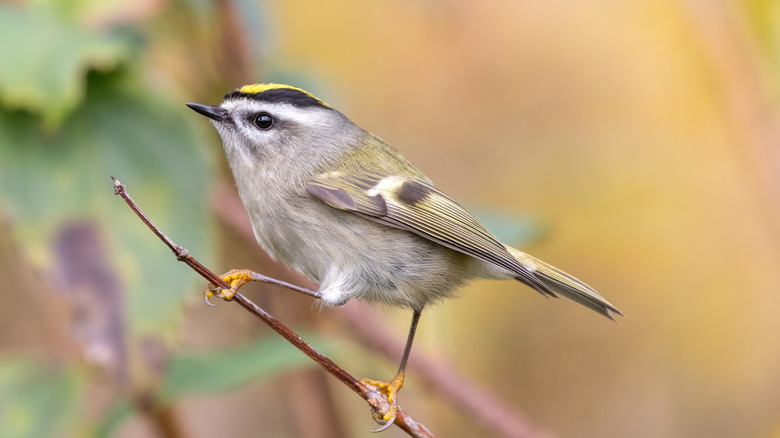
Credit: www.islands.com
Birdwatching Hotspots On Michigan Coast
The Michigan coastline hosts a rich variety of bird species. Its diverse habitats attract many birdwatchers each year. From wetlands to sandy beaches, the coast offers many places to spot unique birds. Birdwatching hotspots provide excellent views and easy access. These areas help visitors enjoy and learn about local birdlife.
Popular Parks And Reserves
- Sleeping Bear Dunes National Lakeshore: Known for shorebirds and raptors.
- Tawas Point State Park: A migration stop for warblers and sparrows.
- Shiawassee National Wildlife Refuge: Great for waterfowl and songbirds.
- Holland State Park: Frequent sightings of gulls and terns.
- Point Mouillee State Game Area: Home to diverse wetland birds.
Best Times For Birdwatching
Spring and fall bring many migrating birds to the Michigan coast. These seasons offer the highest variety of species. Early mornings provide the best bird activity and quieter surroundings. Winter attracts certain hardy birds like bald eagles and owls. Summer is ideal for watching nesting and young birds.
Guided Tours And Resources
Local groups offer guided birdwatching tours for all skill levels. These tours reveal hidden spots and expert tips. Visitor centers provide maps and bird checklists. Online forums and apps help identify and track sightings. Using these resources improves the birdwatching experience greatly.
Frequently Asked Questions
How Many Bird Species Live In Michigan Coastal Habitats?
Michigan coastal habitats host over 200 bird species. These include waterfowl, shorebirds, and songbirds. The diversity reflects rich ecosystems along the Great Lakes.
Which Birds Are Most Common In Michigan’s Coastal Areas?
Common birds include the Ring-billed Gull, Common Tern, and Red-winged Blackbird. These species thrive in wetland and shoreline environments.
Why Is Michigan’s Coastal Habitat Important For Birds?
It provides critical nesting, feeding, and resting sites. The diverse habitats support bird migration and breeding, enhancing regional biodiversity.
When Is The Best Time To See Michigan Coastal Birds?
Spring and fall migrations are peak birdwatching seasons. Many species stopover during these times, offering excellent viewing opportunities.
Conclusion
Michigan’s coastal habitat hosts many different bird species each year. These birds find food, shelter, and safe places to rest here. The variety shows how important this area is for wildlife. Protecting these habitats helps keep bird populations healthy. Watching these birds can bring joy and teach us about nature.
Coastal Michigan remains a key home for birds big and small. It’s a reminder to care for our natural world every day.