
Have you ever wondered what protects the places where migratory birds rest and thrive? The Migratory Bird Habitat Conservation Act plays a key role in safeguarding these vital habitats.
Understanding this Act can help you see how your actions and choices impact the survival of countless bird species. You’ll discover what the Act is, why it matters to you, and how it shapes the future of migratory birds. Keep reading to find out how you can be part of this important conservation effort.

Credit: www.youtube.com
Purpose Of The Act
The Migratory Bird Habitat Conservation Act aims to protect and preserve habitats critical for migratory birds. It supports conservation efforts to maintain bird populations and their natural environments. This act helps ensure safe breeding and feeding areas for these species.
The Migratory Bird Habitat Conservation Act is a vital piece of legislation with a clear and impactful purpose. It aims to safeguard the habitats of migratory birds, ensuring their survival and thriving populations. By focusing on habitat conservation, the act provides the necessary framework to protect these creatures that traverse vast distances across the globe. But what exactly does this entail for the birds and their ecosystems?Protecting Migratory Birds
The act prioritizes the protection of migratory birds by addressing the critical need for safe and sustainable habitats. You might wonder why this is essential. Consider the annual journey of a bird like the Arctic Tern, which travels from the Arctic to the Antarctic and back each year. Without safe stopovers and nesting sites, these incredible migrations would be impossible. The act ensures that these vital habitats remain intact and protected against threats like deforestation and pollution.Promoting Habitat Conservation
Habitat conservation is at the heart of the act’s mission. It encourages collaboration between governments, organizations, and individuals to preserve important ecosystems. Imagine the satisfaction of knowing that your efforts contribute to the flourishing of a wetland area, providing a home for countless bird species. The act supports initiatives that restore degraded habitats and create new sanctuaries, fostering biodiversity and ecological balance. How can you play a part in this conservation journey? Start by supporting local conservation efforts and advocating for policies that protect natural habitats.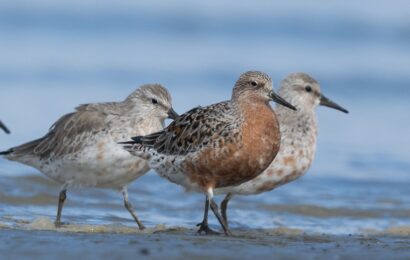
Credit: www.birdwatchingdaily.com
Key Provisions
The Migratory Bird Habitat Conservation Act includes several important provisions. These rules protect bird habitats and guide how landowners and agencies manage these areas. Understanding these key provisions helps grasp how the law works to preserve migratory bird populations.
Regulations On Habitat Preservation
The Act requires protecting key habitats used by migratory birds. It restricts activities that harm nesting or feeding areas. Landowners must keep these habitats safe from destruction or pollution. The goal is to maintain natural environments that birds depend on during migration.
Permits And Compliance
Any activity affecting bird habitats needs a permit from authorities. These permits set limits on what can be done to the land. Applicants must show their plans do not harm bird populations. Regular checks ensure compliance with permit conditions and habitat protection rules.
Enforcement Measures
The Act includes penalties for violations to ensure rules are followed. Authorities can issue fines or stop harmful activities. Enforcement helps prevent habitat loss and protects bird species. Strong measures support long-term conservation efforts for migratory birds.
Impact On Wildlife
The Migratory Bird Habitat Conservation Act has a profound impact on wildlife, especially bird species that depend on safe and stable habitats. It shapes the way habitats are preserved, restored, and maintained, directly influencing the survival and growth of many bird populations. The act’s influence goes beyond birds, affecting entire ecosystems in ways that might surprise you.
Benefits To Bird Populations
By protecting critical habitats, the act provides birds with safe breeding grounds and migration stopovers. This protection helps reduce the risks of habitat loss due to urban development or agriculture.
Populations of species like the American woodcock and the mallard duck have shown signs of recovery thanks to these efforts. You might not realize that even small patches of wetlands saved under this act can support thousands of birds during migration seasons.
Have you ever wondered how a single protected area can influence a bird’s entire migratory route? This act ensures those essential rest points remain intact, helping birds conserve energy and survive longer journeys.
Ecosystem Improvements
Healthy bird populations contribute to the balance of ecosystems by controlling insect populations and dispersing seeds. When habitats are conserved, you also support the plants and animals that rely on the same environment.
Wetlands preserved under the act improve water quality by filtering pollutants and reducing floods. This benefits not only birds but also other wildlife and even human communities nearby.
Think about your local park or natural area—when it’s well-maintained, you see more wildlife and experience cleaner air and water. The act’s habitat protections help create these positive changes on a larger scale.
Role Of Government Agencies
The Migratory Bird Habitat Conservation Act relies heavily on government agencies to protect bird habitats. These agencies work together to manage and conserve vital areas. Their efforts ensure safe places for migratory birds to live and breed. Cooperation between federal, state, and local bodies strengthens conservation actions. Understanding their roles highlights how the act functions effectively.
Federal Responsibilities
Federal agencies lead the national effort to conserve migratory bird habitats. The U.S. Fish and Wildlife Service manages key programs under the act. They identify critical habitats and acquire land for protection. These agencies also enforce laws to prevent habitat destruction. Federal support includes funding research and restoration projects. They work with other departments to balance development and conservation needs.
State And Local Involvement
State and local agencies play a vital role in habitat conservation. They implement federal guidelines within their regions. Local governments help monitor bird populations and habitats. States often run education programs to raise awareness. Collaboration with community groups helps protect smaller habitats. Together, they adapt conservation plans to local conditions and challenges.
Community And Public Participation
The Migratory Bird Habitat Conservation Act thrives on the power of community and public participation. Protecting bird habitats is not just a government task—it’s a collective effort. When people come together, they create stronger, more lasting impacts on preserving these vital ecosystems.
Volunteer Programs
Volunteer programs offer a hands-on way for you to make a difference. Many local groups organize clean-ups, habitat restoration, and bird monitoring activities. Joining these efforts can connect you with others who share your passion and deepen your understanding of migratory birds’ needs.
Imagine planting native vegetation that provides shelter and food for birds during their long journeys. Your time spent in these programs directly supports the survival of countless species. How could volunteering in your area change your view of wildlife conservation?
Educational Initiatives
Education is key to inspiring action and building support for bird habitat conservation. Workshops, school programs, and community talks help spread awareness about the importance of protecting migratory birds. These initiatives equip you with knowledge that turns concern into effective advocacy.
When you learn about the challenges birds face, you’re better prepared to influence policies and daily choices that impact their habitats. Have you ever participated in a local event that changed how you think about nature? Sharing what you know can multiply the effect of these educational programs.
Challenges And Criticisms
The Migratory Bird Habitat Conservation Act plays a vital role in protecting the homes of countless bird species. However, like many environmental laws, it faces several challenges and criticisms that impact its effectiveness. Understanding these issues helps you see the complexities behind conserving migratory bird habitats.
Funding Limitations
One of the biggest hurdles is the lack of sufficient funding. Conservation efforts require steady financial support for land acquisition, habitat restoration, and ongoing maintenance. Without enough money, many projects stall or fail to reach their full potential.
Have you ever noticed how some protected areas seem well-maintained while others look neglected? That often comes down to budget differences. Limited funds mean prioritizing certain locations over others, which can leave critical habitats vulnerable.
In some cases, local communities and volunteers step in to fill the gaps. But relying heavily on non-governmental support is not a sustainable solution for long-term conservation.
Balancing Development And Conservation
Another significant challenge is finding a balance between development and preserving natural habitats. Urban expansion, agriculture, and infrastructure projects often compete directly with migratory bird habitats.
Imagine a new housing development planned near your favorite birdwatching spot. The temptation to develop can be strong, especially with economic growth on the line. But what happens to the birds that rely on that area for nesting or feeding?
Decision-makers must weigh these trade-offs carefully. It’s not always easy to say no to growth, but protecting these habitats ensures that migratory birds continue to thrive for future generations.
- Could there be better ways to integrate green spaces within developments?
- How can communities influence planning to support both economic and environmental goals?
Future Directions
The Migratory Bird Habitat Conservation Act is evolving to meet new environmental challenges. Future efforts focus on adapting policies and increasing protected areas. These steps aim to ensure safe habitats for migratory birds across the country.
Conservation work will balance human needs with wildlife protection. Stronger laws and more cooperation among states will play key roles. The future holds promise for healthier bird populations and richer ecosystems.
Policy Updates
New policies will strengthen bird habitat protections. Lawmakers plan to close gaps in existing regulations. This includes stricter controls on land development near important bird sites.
Funding for conservation programs is expected to increase. Authorities will improve monitoring systems to track bird populations better. These updates will help react quickly to habitat threats.
Expanding Conservation Efforts
More land will be set aside as protected habitat. Conservation groups will work with local communities to restore wetlands and forests. These areas are vital for bird migration and nesting.
Partnerships between government and private landowners will grow. Education programs will teach people about the importance of bird habitats. This effort aims to create a network of safe places for migratory birds.

Credit: www.dfo-mpo.gc.ca
Frequently Asked Questions
What Is The Migratory Bird Habitat Conservation Act?
The Migratory Bird Habitat Conservation Act protects habitats essential for migratory birds. It ensures safe breeding and resting areas. The Act promotes sustainable conservation efforts across regions. It helps maintain bird populations and biodiversity effectively.
Why Is The Act Important For Migratory Birds?
The Act safeguards critical habitats that migratory birds rely on. It prevents habitat loss due to development or pollution. Protecting these areas supports bird survival during migration. It also helps preserve ecosystems vital for many species.
How Does The Act Support Conservation Efforts?
The Act funds habitat acquisition and restoration projects. It encourages partnerships between government and conservation groups. These initiatives protect wetlands and other key habitats. The Act fosters long-term habitat management and bird population stability.
Who Benefits From The Migratory Bird Habitat Conservation Act?
Migratory birds benefit from protected breeding and stopover sites. Wildlife enthusiasts and researchers gain from healthier bird populations. Local communities enjoy ecosystem services like clean water. The Act supports biodiversity, benefiting overall environmental health.
Conclusion
The Migratory Bird Habitat Conservation Act helps protect important bird areas. It supports safe homes for many bird species during migration. Protecting these habitats keeps bird populations healthy. People and nature both benefit from this law. Everyone can play a part in caring for birds.
Small actions add up to big changes. Understanding this act helps us value bird conservation more. It reminds us to respect and protect wildlife habitats. Bird habitats are vital for nature’s balance. This law plays a key role in keeping birds safe.