

Have you ever wondered why some birds fly away when the leaves start to fall, while others stay put through the chilly autumn months? If you’re curious about which birds don’t migrate in autumn and want to understand their secrets, you’re in the right place.
Discovering why certain birds choose to stay can change the way you see the season—and the skies above you. Keep reading to uncover these fascinating bird behaviors and learn how they survive when most of their friends take flight.
Non-migratory Birds In Autumn
Not all birds fly south for the winter. Some birds stay in their homes throughout autumn and winter. These birds are called non-migratory birds. They have special ways to survive cold weather and less food. Knowing which birds stay helps bird watchers and nature lovers enjoy them all year.
Common Non-migratory Birds In Autumn
- American Robin
- Black-capped Chickadee
- Downy Woodpecker
- Blue Jay
- House Sparrow
How Non-migratory Birds Survive Cold Weather
These birds grow thicker feathers to keep warm. They find food that stays available, like seeds and insects. Many hide in tree holes or dense bushes for shelter. They also lower their activity to save energy. Their bodies adapt to store fat for fuel.
Where To Spot Non-migratory Birds In Autumn
- Backyards with bird feeders
- Woodlands and forests
- Parks and gardens
- Near water bodies like ponds or lakes
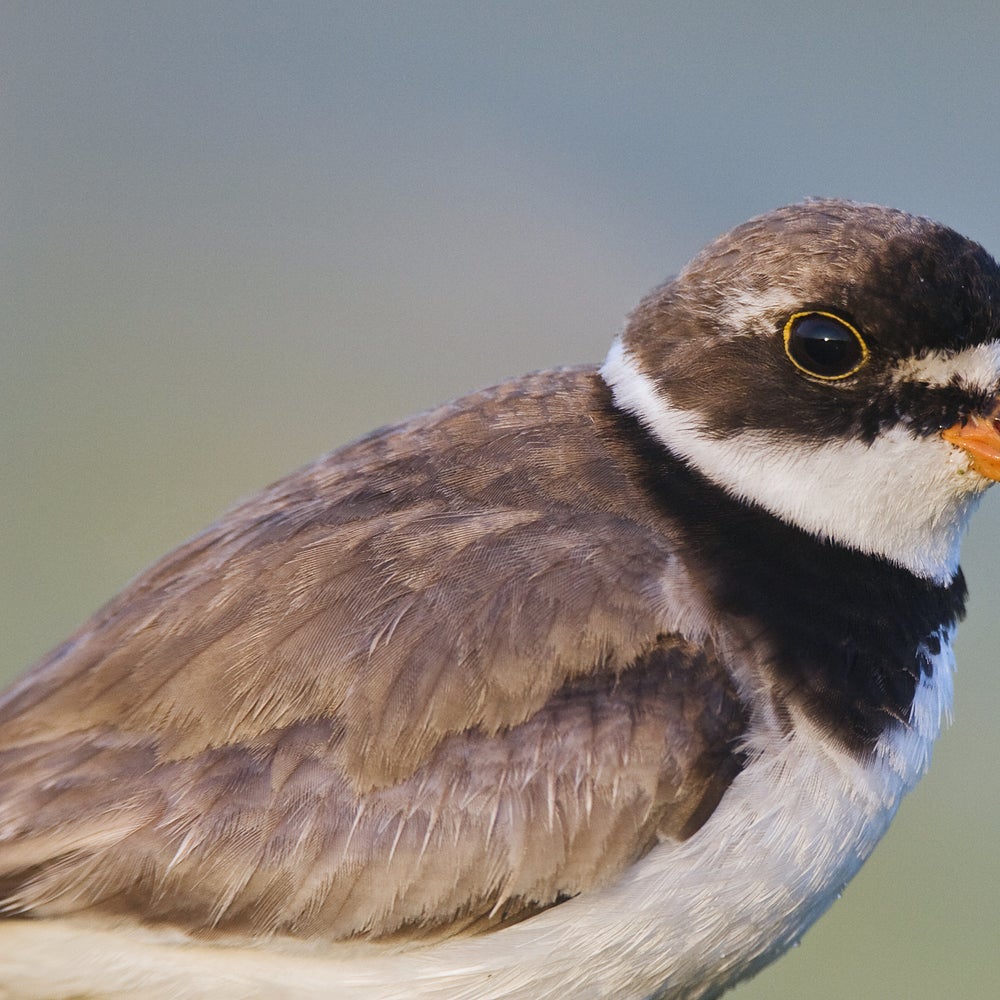
Credit: www.scientificamerican.com
Reasons Some Birds Stay
Many bird species stay through the cold autumn and winter months. Some have special traits that help them survive without flying south. Their choice to stay depends on several important reasons. These reasons help them find food, stay warm, and protect their homes.
Adaptation To Cold
Some birds have thick feathers that keep them warm in winter. They can fluff up these feathers to trap heat close to their bodies. Their metabolism changes to create more body heat. These adaptations let them live comfortably in cold weather.
Food Availability
Birds that stay often find enough food around all year. They eat seeds, nuts, and berries that last through winter. Some feed on insects hiding under tree bark or snow. This steady food supply means they do not need to migrate far.
Territorial Behavior
Many birds stay to protect their territory and nests. They keep their space safe from other birds. Staying helps them keep control over good food spots. Defending their home is important for their survival and future breeding.
Common Stay-back Species
When autumn arrives, many birds embark on long migratory journeys. However, some species choose to stay put, embracing the chilly months. These birds, often called “common stay-back species,” are fascinating to observe as they adapt to the changing environment.
Northern Cardinals
The vibrant red of the Northern Cardinal stands out against the winter landscape, making them a favorite among bird watchers. These birds do not migrate, instead they adapt to colder temperatures by fluffing up their feathers to trap heat. Have you noticed how they brighten up your backyard in the stark winter months?
Blue Jays
Blue Jays are known for their intelligence and complex social structures. While some may migrate, many choose to remain in their northern habitats. They are resourceful birds, often storing acorns and other nuts for the winter. Next time you see a Blue Jay, consider how its cleverness helps it thrive year-round.
American Robins
American Robins are typically associated with spring, but many don’t travel far in autumn. Instead, they adapt by changing their diet from insects to berries and fruits. Have you ever wondered how these birds manage to find food in the snow-covered landscapes?
Observing these common stay-back species can be a rewarding experience. Their presence adds color and life to the quieter winter months. What steps can you take to support these fascinating birds through the chilly season? A simple act like setting up a bird feeder can make a big difference.

Credit: www.beyourownbirder.com
Birds With Partial Migration
Birds with partial migration do not all leave for warmer places in autumn. Some stay while others move. This depends on food, weather, and age. Partial migration helps birds survive tough winters without traveling far. It also saves energy and risk from long flights.
Partial Migrators Explained
Partial migrators are birds where only some individuals migrate. Others stay in their home area all year. Migration choice can depend on food availability and weather changes. Younger or weaker birds may stay while stronger ones fly south. This behavior helps the species adapt to different conditions.
Partial migration shows birds’ flexibility. It allows them to balance safety and survival. Staying put means dealing with cold but less travel risk. Migrating means finding better food but facing dangers on the way.
Examples Of Partial Migrators
- American Robin:Some robins fly south, others stay in the north.
- European Blackbird:Northern birds often migrate; southern ones usually stay.
- Dark-eyed Junco:Many move short distances; some stay near their breeding grounds.
- Great Tit:Some populations migrate slightly, others remain year-round.
Impact Of Climate Change
Climate change is reshaping the natural rhythms of bird migration. As temperatures rise and seasons shift, many bird species alter their traditional behaviors. This has a direct impact on which birds choose to stay put during autumn rather than migrate.
Changing Migration Patterns
Warmer autumns and milder winters mean some birds no longer need to travel long distances. You might notice birds lingering later into the season or skipping migration entirely.
For example, some species of blackbirds and robins that used to fly south now stay year-round in areas where food remains available. This change affects ecosystems because birds that once helped spread seeds or control pests in certain regions may not be performing those roles anymore.
New Stay-back Species
Birds that traditionally migrated might now become permanent residents in your backyard. This shift challenges what you expect to see throughout the year.
Species like the northern cardinal and certain types of woodpeckers have increasingly been observed overwintering rather than migrating. Have you noticed birds in your area staying longer? This new behavior can influence local wildlife interactions and even how you plan your birdfeeding or conservation efforts.
How To Spot Stay-back Birds
Spotting birds that stay behind in autumn is a rewarding experience. These birds adapt to colder months instead of flying away. Observing their behavior and appearance helps identify them easily. Understanding their habits brings you closer to nature’s quiet survivors.
Behavioral Clues
Stay-back birds act differently from migrants. They often gather in small groups near food sources. Watch for frequent visits to feeders or berry patches. These birds may be less active during the day to save energy. Listen for their calls; they sound more constant in one area. Some stay-back birds flap their wings slowly, conserving warmth.
Seasonal Changes In Plumage
Many stay-back birds change their feathers for winter. Their colors may become duller to blend with bare trees. Look for thicker feathers that keep them warm. Some birds grow extra fluff around their neck or chest. These changes help birds survive cold days and nights. Notice patterns that differ from summer plumage.
Supporting Local Birds In Autumn
Supporting local birds in autumn is more important than you might think. Many birds stay put during the colder months and rely on your help to find food and shelter. Your actions can make a real difference in their survival and well-being.
Feeding Tips
Providing food for birds that don’t migrate can help them build energy reserves for the chilly days ahead. Offer high-energy foods like sunflower seeds, suet, and peanuts to keep them strong.
Make sure to keep feeders clean and filled regularly. Birds will visit more often if they know they can count on a steady food source.
Have you noticed certain birds prefer specific seeds? Try mixing different types and see which ones attract your local feathered friends the most.
Creating Bird-friendly Habitats
Birds need more than food—they need safe places to rest and hide from predators. Plant native shrubs and trees that provide natural shelter and food sources like berries.
Leave some leaf litter and dead wood in your garden; these offer insects and nesting spots. This small change can turn your yard into a bird sanctuary during autumn.
Consider adding birdhouses or nesting boxes designed for local species. You’ll enjoy watching birds settle in and thrive right outside your window.
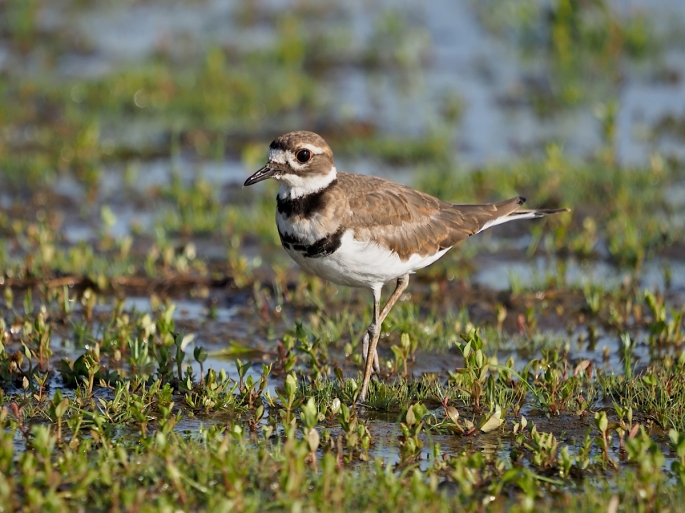
Credit: ethicalbirder.com
Frequently Asked Questions
Which Birds Stay During Autumn Migration?
Some birds like chickadees, woodpeckers, and cardinals stay during autumn. They adapt to colder weather and find food locally.
Why Don’t Some Birds Migrate In Autumn?
Certain birds have sufficient food and shelter year-round. They save energy by not migrating and survive well in their habitat.
How Do Non-migratory Birds Survive Autumn?
Non-migratory birds grow thicker feathers and store fat. They also change their diet and seek shelter to endure colder months.
What Are Examples Of Non-migratory Birds?
Examples include blue jays, northern cardinals, and some owls. These birds remain in their territories throughout autumn and winter.
Conclusion
Many birds stay during autumn instead of flying away. They find food and shelter nearby. Some birds can handle cold weather well. Watching these birds teaches us about nature’s balance. Knowing which birds don’t migrate helps bird watchers and nature lovers.
It also shows how animals adapt to their homes. Keep observing and enjoy the quiet beauty of autumn birds. Nature always has surprises for those who look closely.