
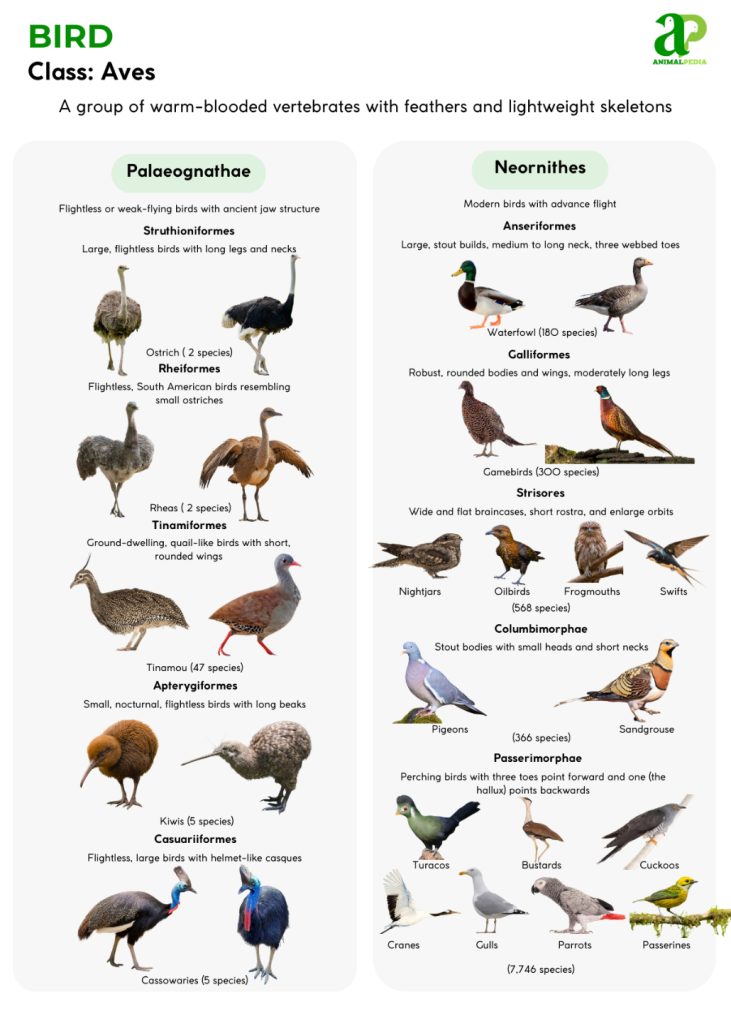
Have you ever wondered just how much space birds need to live and thrive? Understanding the size of bird habitats can change the way you see the world around you.
Whether you enjoy birdwatching or simply care about nature, knowing about these habitats helps you appreciate the delicate balance that keeps birds safe and healthy. You’ll discover surprising facts about the different sizes of bird homes and why protecting these spaces matters more than you might think.
Keep reading to unlock secrets that will deepen your connection with the birds you see every day.
Bird Habitat Types
Birds live in many different places around the world. Their habitats vary in size and type. Each habitat offers unique resources for birds to survive and thrive. Understanding these habitats helps us protect bird species and their homes.
Forests And Woodlands
Forests provide shelter, food, and nesting sites. Birds like woodpeckers, owls, and warblers live here. Trees offer protection from predators and harsh weather. Forests can be dense or open, affecting the types of birds found.
Wetlands And Marshes
Wetlands include swamps, marshes, and river edges. These areas are rich in water and plants. Waterfowl, herons, and kingfishers depend on wetlands. They offer breeding grounds and abundant food sources like fish and insects.
Grasslands And Savannas
Grasslands have tall grasses and few trees. Birds such as sparrows, larks, and hawks live here. These open areas allow birds to spot predators easily. Grasslands are important for ground-nesting birds and seed-eaters.
Deserts And Scrublands
Deserts are dry, with sparse plants. Birds like roadrunners and cactus wrens adapt well to these harsh conditions. Scrublands have low bushes and shrubs. These areas provide food and hiding places despite limited water.
Urban And Suburban Areas
Cities and suburbs offer new homes for birds. Pigeons, sparrows, and crows thrive here. Birds use buildings, parks, and gardens for shelter and food. Urban areas challenge birds but also provide unique resources.
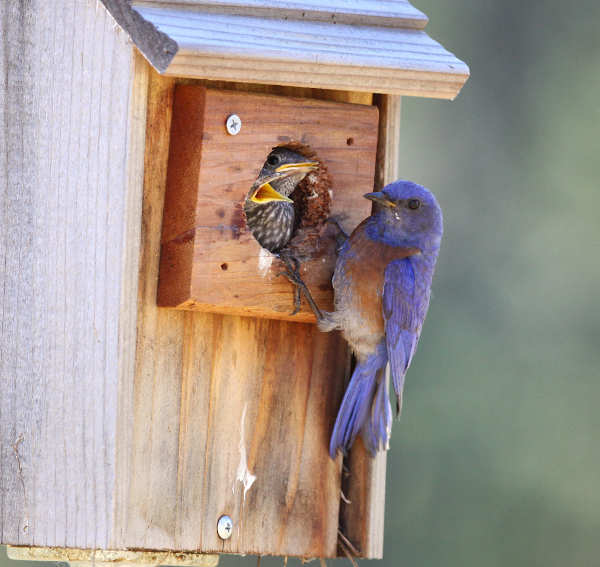
Credit: lakeconews.com
Factors Influencing Habitat Size
Bird habitats vary in size based on food availability, climate, and nesting needs. Larger birds often require bigger areas to thrive. Human activities and natural features also shape how big these habitats can be.
Understanding the size of bird habitats is crucial for their conservation and survival. Various factors determine how expansive or limited these habitats can be. Birds, like any other species, rely on their environment to meet their basic needs. Let’s look at the specific factors that play a critical role in shaping their habitats.Food Availability
Birds require a steady food supply to thrive. The abundance or scarcity of food sources directly impacts the size of their habitat. Areas rich in insects, seeds, or fruits tend to support larger bird populations. When food is plentiful, birds may not need to travel far, allowing them to inhabit smaller areas. Conversely, scarce food resources force birds to expand their habitat in search of sustenance.Nesting Requirements
Different bird species have unique nesting needs. Some require dense forests, while others prefer open fields. The availability of suitable nesting sites can limit or enlarge a bird’s habitat. A bird’s choice of nesting area ensures safety for raising its young. If a specific nesting condition is rare, birds may cover larger areas to find the perfect spot.Migration Patterns
Migratory birds have vast habitats due to their long journeys across continents. Their habitats span breeding, stopover, and wintering grounds. Understanding migration paths helps identify critical areas for conservation. Birds rely on specific habitats along their route for rest and refueling, making these areas essential for their survival.Predator Presence
The presence of predators can influence where birds choose to live. Birds often avoid areas with a high number of predators. This avoidance can lead to larger habitats as they seek safer places. By selecting areas with fewer threats, birds increase their chances of survival and successful breeding.Climate Conditions
Climate plays a pivotal role in habitat size. Birds thrive in regions where temperatures and weather patterns meet their needs. Extreme conditions can force birds to seek alternative habitats. As climate change alters environments, birds may need to adapt by expanding or shifting their habitats. Understanding these factors helps us appreciate the complexity of bird habitats. Are there areas near you where you’ve noticed a variety of birds? Perhaps you can identify the factors that make it an ideal habitat. By considering these elements, you can contribute to protecting these vital spaces.Range Sizes Of Different Bird Species
Bird species vary greatly in the size of the areas they occupy. Some birds live in small, tightly controlled spaces. Others roam over vast regions. Understanding the range size helps us learn about their habits and survival needs. This section explores the different range sizes of bird species.
Small Territory Birds
Small territory birds often stay within a few acres. They defend these areas to find food and raise young. Examples include many songbirds and small forest birds. These birds rarely leave their territory except to find mates or migrate.
Large Territory Birds
Some birds require large territories for hunting and nesting. Birds of prey like eagles and hawks need wide areas. This space helps them find enough food and avoid competition. Their territories can stretch over hundreds of square miles.
Migratory Species
Migratory birds travel thousands of miles between breeding and winter homes. Their range sizes change seasonally and cover continents. Examples include Arctic terns and many shorebirds. These birds depend on multiple habitats during their long journeys.
Endemic Birds
Endemic birds live only in specific regions or islands. Their range is very limited, often just a few square miles. These birds are vulnerable to habitat loss. Protecting their small habitats is crucial for their survival.
Human Impact On Bird Habitats
Human activities have drastically changed bird habitats around the world. These changes affect how big and healthy bird habitats remain. Understanding these impacts can help you see why protecting bird homes matters so much.
Habitat Loss And Fragmentation
Bird habitats shrink when forests are cut down or wetlands drained. This loss leaves birds with smaller places to live, feed, and breed. Fragmentation splits habitats into pieces, making it harder for birds to move and find resources.
Think about a forest you know that’s been cleared for farming or roads. How do you think the local birds cope with such changes? Often, their survival becomes a daily struggle.
Pollution Effects
Pollution poisons air, water, and soil, which harms birds directly or through their food. Chemicals like pesticides can reduce insect populations birds rely on. Oil spills and plastic waste also cause injuries and death.
Have you ever noticed fewer birds near polluted areas? This shows how sensitive birds are to changes in their environment caused by pollution.
Urban Expansion
Cities grow bigger, pushing into natural bird habitats. Buildings, roads, and lights disrupt bird behavior, especially for species that rely on darkness. Noise from traffic and construction also stresses birds and masks their calls.
Even your neighborhood might be affecting local birds more than you realize. What small changes could you support to make urban areas friendlier to them?
Conservation Efforts
People are working hard to protect and restore bird habitats worldwide. Creating reserves, planting native trees, and cleaning waterways help birds find safe homes again. Community projects often involve local people, making a real difference.
You can join or support these efforts by volunteering, spreading awareness, or making bird-friendly choices in your garden. What actions could you take today to help birds thrive?
Measuring Bird Habitats
Measuring bird habitats requires precise techniques to understand the size and quality of the environments birds rely on. Knowing how big these habitats are helps conservationists protect critical areas and maintain biodiversity. Different methods offer unique insights into the scale and dynamics of bird habitats.
Satellite Tracking
Satellite tracking uses small GPS devices attached to birds to follow their movements over long distances. This method reveals how far birds travel daily and the range of areas they use for feeding and nesting. I’ve seen satellite data show surprising migration routes that cover thousands of miles, highlighting the vastness some bird habitats can span.
With this technology, you can identify key stopover sites that birds visit, which might not be obvious through other means. It’s a powerful tool for mapping the true size of a bird’s habitat, especially for migratory species.
Field Observations
Field observations involve researchers spending time in bird habitats, noting where birds feed, nest, and rest. This hands-on approach lets you see habitat preferences up close and understand the immediate environment birds depend on. I remember tracking a local bird species for weeks, which helped reveal how much area it needed for daily survival.
These observations can also detect changes in habitat use, such as shifts caused by weather or human activity. Fieldwork provides context that technology alone might miss.
Habitat Mapping
Habitat mapping combines data from observations and technology to create detailed maps of bird habitats. These maps show not just the size but also the quality and types of vegetation or water bodies birds use. Using mapping, you can visualize the overlap between different bird species and identify critical zones needing protection.
For example, maps have pinpointed shrinking wetlands vital for certain waterfowl, guiding conservation efforts. Mapping helps you grasp the complexity and scale of bird habitats beyond simple measurements.
Technology In Research
Advances like drones, automated recording devices, and AI analysis are transforming how bird habitats are measured. Drones provide aerial views of hard-to-reach areas, revealing habitat features invisible from the ground. Automated sound recorders capture bird calls over wide areas, helping estimate population size and habitat use without constant human presence.
These tools allow you to gather large amounts of data quickly and with less disturbance to wildlife. How might you use such technology to better understand the birds around you?
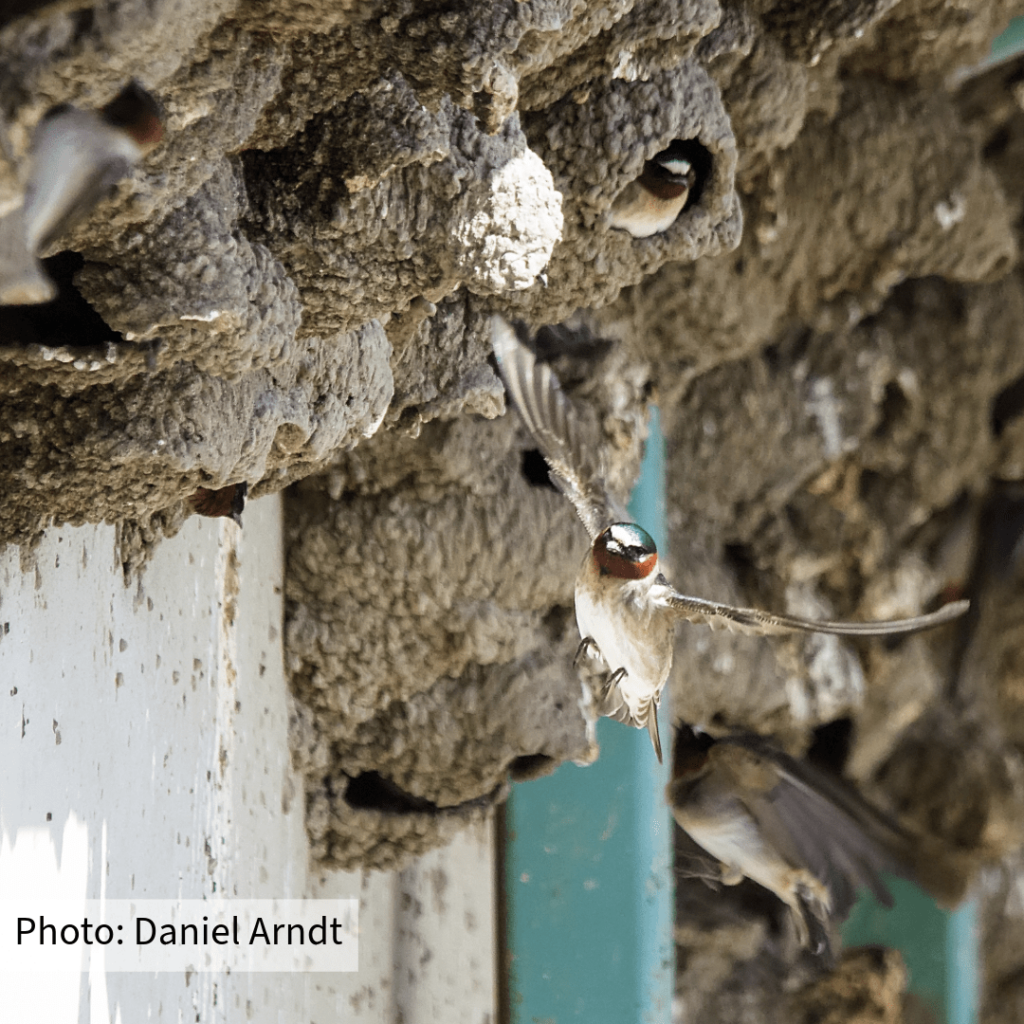
Credit: learn.birdscanada.org
Importance Of Large Habitats
Large habitats play a key role in keeping bird populations healthy and thriving. Bigger spaces allow birds to find enough food, shelter, and mates. They also help maintain a balance in nature. Protecting these habitats is essential for many reasons that affect birds and the whole environment.
Biodiversity Support
Large habitats house many different types of plants and animals. This variety helps create a strong ecosystem. Birds rely on diverse plants for food and nesting. More species mean better chances for birds to survive and adapt to changes.
Ecosystem Services
Birds in large habitats provide important services to nature. They help spread seeds, control pests, and pollinate flowers. These actions support plant growth and keep ecosystems balanced. Healthy ecosystems benefit humans too, by providing clean air and water.
Climate Regulation
Big habitats with trees and plants help control the climate. They absorb carbon dioxide and release oxygen. Birds contribute by helping plants grow and spread. Protecting these areas slows down climate change and keeps the air clean.
Species Survival
Many bird species need large areas to live and breed. Small habitats can limit their food and space, leading to population decline. Large habitats give birds room to raise young and find resources. This helps prevent extinction and keeps bird species alive.
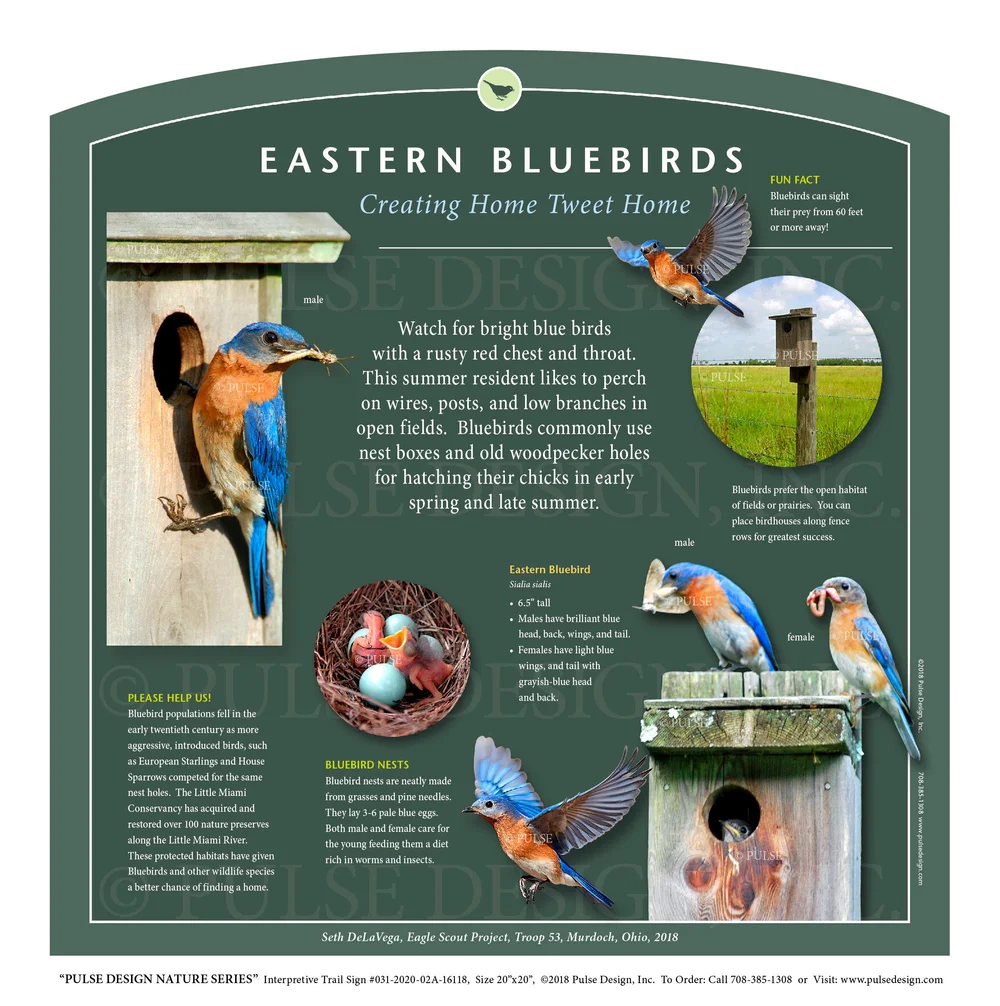
Credit: www.pulsedesign.com
Frequently Asked Questions
How Large Are Typical Bird Habitats?
Bird habitats vary widely, from small nests to vast forest areas. Size depends on species, food availability, and nesting needs. Some birds need just a few square meters, while others, like eagles, require territories spanning hundreds of square kilometers.
What Factors Influence The Size Of Bird Habitats?
Habitat size depends on food supply, shelter availability, and breeding requirements. Predators and human activity also affect territory size. Climate and migration patterns influence seasonal habitat changes for many bird species.
Do Larger Birds Need Bigger Habitats?
Yes, larger birds often require bigger habitats. They need more space for hunting, nesting, and raising young. For example, raptors and large waterfowl have extensive territories compared to small songbirds.
How Do Migration Patterns Affect Bird Habitats?
Migratory birds use multiple habitats across regions. They need stopover sites for rest and feeding. Habitat size varies seasonally to support migration, breeding, and wintering needs.
Conclusion
Birds need different habitat sizes to live and thrive. Some birds use small areas, while others roam wide spaces. Habitat size depends on food, safety, and nesting needs. Protecting these spaces helps birds survive and stay healthy. Understanding their habitats can guide us to care better for nature.
Every bird’s home matters for balance in the environment. Small or big, these habitats support life in many ways. Let’s respect and protect bird habitats everywhere.