
Have you ever wondered where birds really feel at home? Understanding a bird’s habitat can change the way you see the world around you.
It’s not just about trees or nests—it’s about the perfect place that meets their every need. When you learn what makes a habitat ideal for birds, you’ll start noticing things you never did before. Keep reading, and you’ll discover how these special places shape the lives of birds—and why they matter to you too.
Credit: animal-pedia.org
Bird Habitats Explained
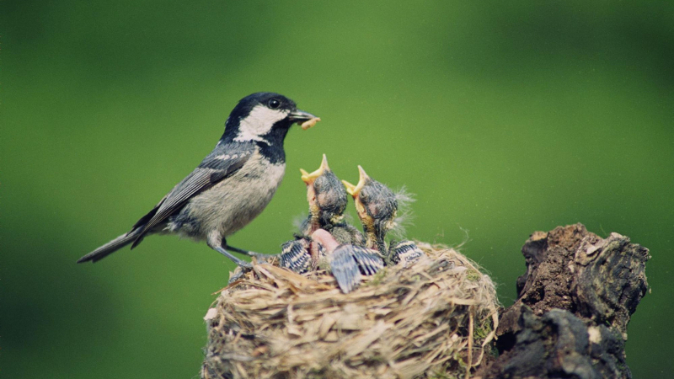
A bird’s habitat is the natural place where it lives and finds food, water, and shelter. Different birds need different habitats like forests, wetlands, or grasslands. These environments help birds survive and raise their young.
Birds are fascinating creatures that thrive in a variety of environments across the globe. A bird’s habitat is more than just a place to live; it’s where they find food, reproduce, and shelter. Understanding bird habitats helps us appreciate the diversity of these environments and the species that call them home. Let’s delve into the intricacies of bird habitats and learn how climate, vegetation, and different habitat types play a pivotal role in shaping avian life.Types Of Bird Habitats
Birds inhabit an astonishing range of environments. From dense forests to open grasslands, each habitat offers unique resources and challenges. Wetlands provide ample food and nesting sites for waterbirds, while deserts host species adapted to extreme temperatures and scarce water. Urban areas, surprisingly, have become vital habitats for many birds, offering food and nesting opportunities. Parks and gardens provide green spaces that mimic more natural environments. Have you noticed how some birds, like pigeons and sparrows, seem to thrive in cities? It’s a testament to their adaptability and the importance of diverse habitats.Climate And Habitat
Climate profoundly affects bird habitats. Temperature and precipitation determine the types of vegetation available, which in turn influences food sources. In tropical regions, lush vegetation supports a rich diversity of bird species, while polar regions demand specialized adaptations for survival. Migration is another fascinating aspect influenced by climate. Birds travel thousands of miles to find suitable climates for breeding and feeding. Have you ever wondered how birds know when to start their journeys? Changes in temperature and daylight trigger these incredible migrations.Role Of Vegetation
Vegetation is crucial in providing food and shelter for birds. Trees, shrubs, and grasses offer nesting sites and protection from predators. Fruit-bearing plants and flowers attract insects, offering a buffet of food options. In forests, the canopy provides a complex habitat with layers that different bird species exploit. Ground-dwellers find shelter and food among the undergrowth, while canopy dwellers might feast on fruits and insects found high above. Next time you walk through a forest, listen to the variety of bird calls—each species occupying its niche within this rich tapestry of life. Understanding bird habitats is essential for conservation efforts and helps us create more bird-friendly environments. What can you do to support bird habitats in your area? Simple actions like planting native trees or maintaining water sources can make a significant impact. Let’s cherish and protect these vital ecosystems for the diverse birdlife they support.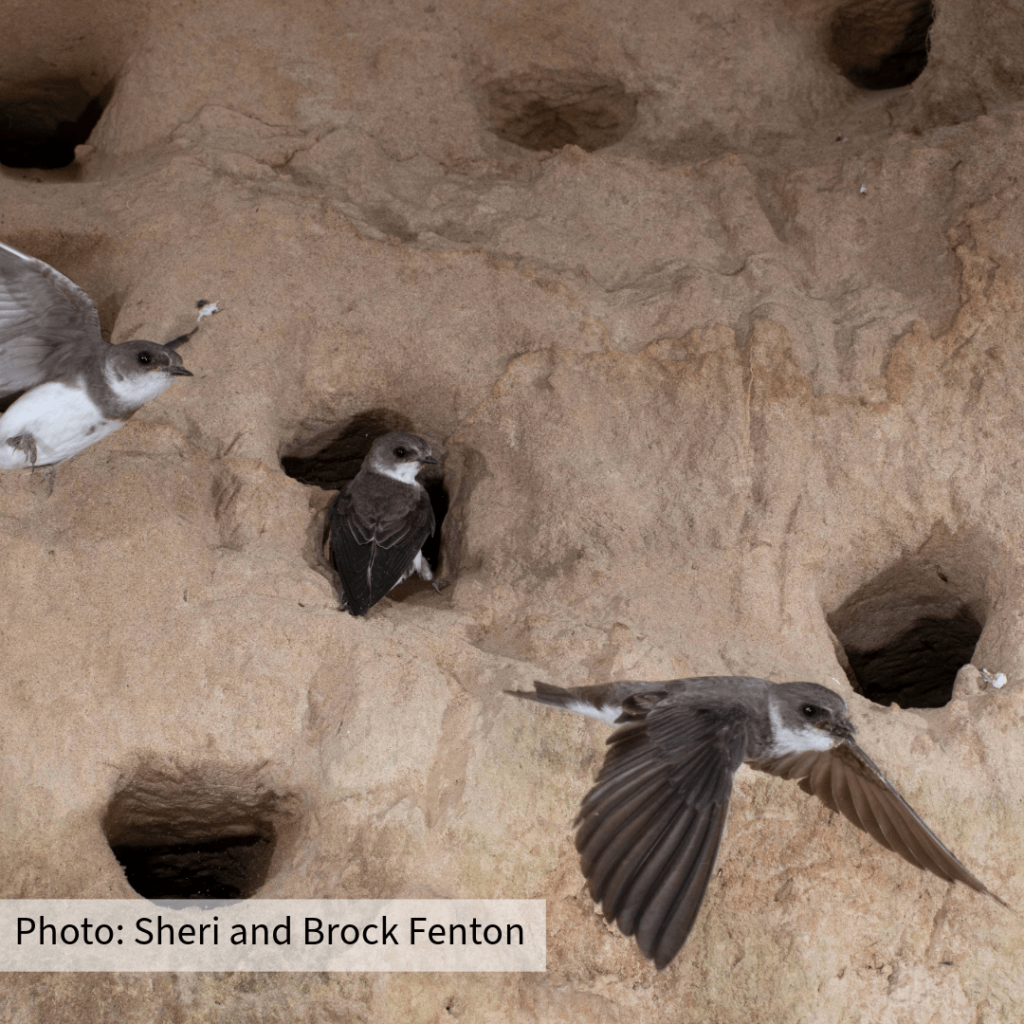
Credit: learn.birdscanada.org
Forest Homes
Forests provide rich homes for many bird species. These habitats offer food, shelter, and safety. Different types of forests support different bird communities. Birds adapt well to the unique features of each forest type. Forest homes play a key role in bird survival and diversity.
Tropical Rainforests
Tropical rainforests are dense and warm all year. They have many tall trees and thick plants. Birds here find plenty of food like fruits and insects. Colorful birds such as toucans and parrots live in the canopy. Many birds build nests high in the trees to stay safe.
Temperate Woodlands
Temperate woodlands have four seasons with cold winters and warm summers. Trees like oaks and maples drop leaves in autumn. Birds in these forests include woodpeckers and owls. They use tree holes and branches for nests. These birds change their food with the seasons.
Coniferous Forests
Coniferous forests have evergreen trees like pines and firs. These forests are cooler and often snowy in winter. Birds such as chickadees and crossbills live here. They eat seeds and insects found in tree bark. Coniferous forests offer shelter even in cold weather.
Wetland Habitats
Wetland habitats are areas where water covers the soil or is near the surface. Birds depend on these places for food, shelter, and nesting. Wetlands support a wide variety of bird species because of their rich plant life and abundant water sources.
These habitats provide safe spaces for birds to rest during migration. They also offer breeding grounds and plenty of insects and fish for food. The diversity in wetland types creates unique environments that attract different bird species.
Marshes And Swamps
Marshes are wetlands dominated by grasses and reeds. They often have shallow water and soft, muddy ground. Swamps are similar but contain more trees and shrubs. Both provide excellent cover and nesting spots for birds like herons and ducks. These areas offer insects, amphibians, and small fish as food.
Lakes And Ponds
Lakes and ponds are still water bodies found in wetland areas. Birds such as geese, swans, and kingfishers thrive here. They use the water for swimming, feeding, and raising their young. Plants around the edges offer shelter and extra food sources like insects and seeds.
Coastal Estuaries
Coastal estuaries form where rivers meet the sea. They have a mix of saltwater and freshwater, creating rich environments. Many shorebirds and seabirds live here, feeding on fish and crustaceans. Estuaries serve as vital stopovers during long migrations, helping birds rest and refuel.
Grasslands And Open Areas
Grasslands and open areas offer a unique habitat for many bird species. These spaces provide wide views, abundant food, and nesting spots that suit birds adapted to life on the ground or in low vegetation. Understanding the different types of grasslands helps you appreciate how birds thrive in these open environments.
Savannas
Savannas are grassy plains dotted with scattered trees. Birds here often rely on the mix of open ground and tree cover. You might spot species like the secretary bird, which hunts on foot, or hornbills that nest in tree cavities.
Have you ever noticed how birds in savannas seem comfortable both on the ground and in trees? This balance gives them a survival edge in a habitat that changes with the seasons.
Prairies
Prairies are vast, treeless grasslands mostly found in North America. They support birds like meadowlarks and prairie chickens that nest directly on the ground. These birds depend on tall grasses for protection and use the open space for spotting predators.
When you watch birds in prairies, you see how they use the landscape smartly—running to escape danger or flying low to stay hidden. This behavior is a great reminder that habitat shapes how animals live and move.
Meadows
Meadows are often smaller than prairies and are rich with wildflowers and grasses. They attract a variety of birds such as sparrows, warblers, and finches. The diversity of plants provides both food and shelter.
Next time you visit a meadow, pay attention to the birds’ activity. Their presence tells you a lot about the health and variety of the plants below.
Urban Bird Habitats
Urban bird habitats show us how wildlife adapts to the spaces we create. Cities might seem like challenging places for birds, but many species find unique ways to live and thrive among concrete and steel. Understanding these habitats can help you support local birds right where you live.
City Parks And Gardens
City parks and gardens act as green islands amid urban sprawl. They provide essential food, shelter, and nesting spots for many birds.
You might spot robins, sparrows, or even woodpeckers in these spaces. Native plants in your local park attract insects and berries, which are bird favorites.
Have you noticed how some parks have bird feeders or water baths? These small additions make a big difference for urban birds, especially during dry seasons.
Buildings And Rooftops
Buildings offer more than just shelter for people; many birds use rooftops, ledges, and even window nooks as nesting sites.
In cities, pigeons and swifts often nest on tall buildings, mimicking their natural cliff-side homes. Rooftop gardens create mini ecosystems where birds can find food and rest.
Consider how your building’s design might affect birds. Could adding green roofs or nesting boxes encourage more feathered visitors?
Urban Wildlife Adaptations
Birds in cities change their behavior to survive in noisy, crowded environments. Some sing at different pitches to be heard over traffic noise.
Others adjust their feeding habits, picking up scraps or visiting bird feeders more frequently. These adaptations show how flexible and clever urban birds really are.
Next time you see a city bird, ask yourself: what skills is it using to live here? Observing these details can deepen your connection with urban wildlife.
Specialized Bird Homes
Birds adapt to a wide range of environments, creating homes that perfectly suit their needs. These specialized habitats protect them from predators, harsh weather, and provide ideal spots for raising their young. Understanding these unique bird homes can inspire you to appreciate the creativity of nature and maybe even support local bird populations more effectively.
Caves And Cliffs
Some birds choose caves and cliffs as their homes, taking advantage of natural shelters that offer safety and seclusion. Swifts and certain species of swallows build nests on cliff faces, using sticky saliva to attach their homes securely. These spots protect them from many predators and harsh weather conditions.
Think about the way these birds cling to vertical surfaces—how does your environment challenge you to adapt? Observing birds in such rugged habitats can teach you resilience and creativity in overcoming obstacles.
Deserts
Living in deserts demands unique adaptations, and birds have found clever ways to create homes here. Some species nest in burrows to escape the extreme heat, while others build nests in thorny bushes to keep predators at bay. These homes are often simple but highly effective in conserving moisture and providing shade.
Have you noticed how these birds thrive despite scarce resources? Their ability to use minimal materials and harsh surroundings as shelter is a powerful lesson in making the most of what you have.
Islands
Island habitats offer birds a mix of isolation and abundant resources, leading to specialized homes that suit these unique conditions. Many seabirds nest on the ground or in rocky crevices where few predators roam. These locations allow them to focus on raising their chicks without constant threats.
How would you design a home if safety and resource availability were your top priorities? Watching island birds can show you how to balance risk and comfort in your own space.
How Birds Choose Their Habitat
Birds select their habitats with care. Their choices depend on many factors. These factors help birds find the best places to live and thrive.
Each bird species looks for certain key features. These include food availability, safe nesting spots, and protection from dangers. These factors guide birds to habitats that meet their needs.
Food Sources
Birds need easy access to food. Some eat seeds, others prefer insects or fish. Habitats rich in these foods attract the right birds. The availability of food affects where birds settle.
Nesting Sites
Birds need safe places to build nests. Trees, bushes, and cliffs serve as good sites. Some birds use cavities or even ground spots. The right nesting site protects eggs and young birds.
Safety From Predators
Birds avoid areas with many predators. Dense foliage or high branches offer protection. Being hidden or out of reach keeps birds safe. Safety is a top priority in habitat choice.

Credit: smallfarms.cornell.edu
Human Impact On Bird Habitats
Human activities shape the habitats where birds live. These changes often harm bird populations. Birds depend on safe, natural environments to feed, nest, and raise their young. When humans alter these spaces, birds struggle to survive. Understanding human impact helps protect bird habitats and the species within them.
Habitat Loss
Humans clear forests for farming and building cities. Wetlands get drained for land development. These actions shrink the homes birds need. Many bird species face danger from habitat loss. Fewer trees and open spaces mean fewer places to live and find food.
Pollution Effects
Pollution harms birds in many ways. Chemicals from factories and farms enter air and water. Birds may eat poisoned insects or drink polluted water. Plastic waste can trap or be swallowed by birds. Pollution lowers bird health and reduces survival rates.
Conservation Efforts
People work to protect bird habitats worldwide. Conservation groups restore forests and wetlands. Laws limit harmful activities and protect important areas. Planting native trees provides shelter and food. Public education encourages respect for birds and nature.
Protecting Bird Habitats
Protecting bird habitats is crucial for keeping bird populations healthy. Birds need safe places to live, eat, and raise their young. Many habitats face threats from development, pollution, and climate change. Taking action to protect these spaces helps birds survive and thrive.
Creating Bird-friendly Spaces
Simple changes in gardens and yards can help birds. Plant native trees and shrubs that provide food and shelter. Avoid using pesticides and chemicals that harm birds. Adding bird feeders and birdbaths invites birds to visit safely. Small spaces can make a big difference for local birds.
Restoration Projects
Restoration projects bring damaged habitats back to life. These efforts include planting native vegetation and cleaning polluted areas. Wetlands, forests, and grasslands can be restored to support bird life. Restoring habitats improves biodiversity and helps endangered species.
Community Involvement
Communities play a key role in protecting bird habitats. Local groups can organize cleanups and plant trees. Education programs raise awareness about birds and their needs. Volunteers help monitor bird populations and report threats. Together, people can create safe spaces for birds to live.
Frequently Asked Questions
What Defines A Bird’s Habitat?
A bird’s habitat is the natural environment where it lives, feeds, and breeds. It includes forests, wetlands, deserts, and urban areas, providing essential resources like food, shelter, and nesting sites for survival.
How Do Birds Choose Their Habitats?
Birds select habitats based on food availability, safety from predators, and suitable nesting spots. Seasonal changes and migration patterns also influence their habitat preferences for survival and reproduction.
Why Is Habitat Important For Bird Survival?
Habitats provide birds with food, shelter, and breeding areas. Without a suitable habitat, birds cannot find resources, leading to population decline or extinction. Protecting habitats ensures bird species thrive.
How Do Human Activities Affect Bird Habitats?
Human activities like deforestation, urbanization, and pollution destroy or alter bird habitats. This causes habitat loss, forcing birds to relocate or face population decline, impacting biodiversity and ecosystem health.
Conclusion
Birds need safe places to live and grow. Habitats give them food, shelter, and space to raise young. Different birds like different homes, such as trees, wetlands, or grasslands. Protecting these habitats helps birds stay healthy and happy. We all can help by caring for nature.
Every small effort counts. Understanding bird habitats makes us appreciate wildlife more. Keep learning and watching birds in their natural homes. Nature is full of life and wonder.