
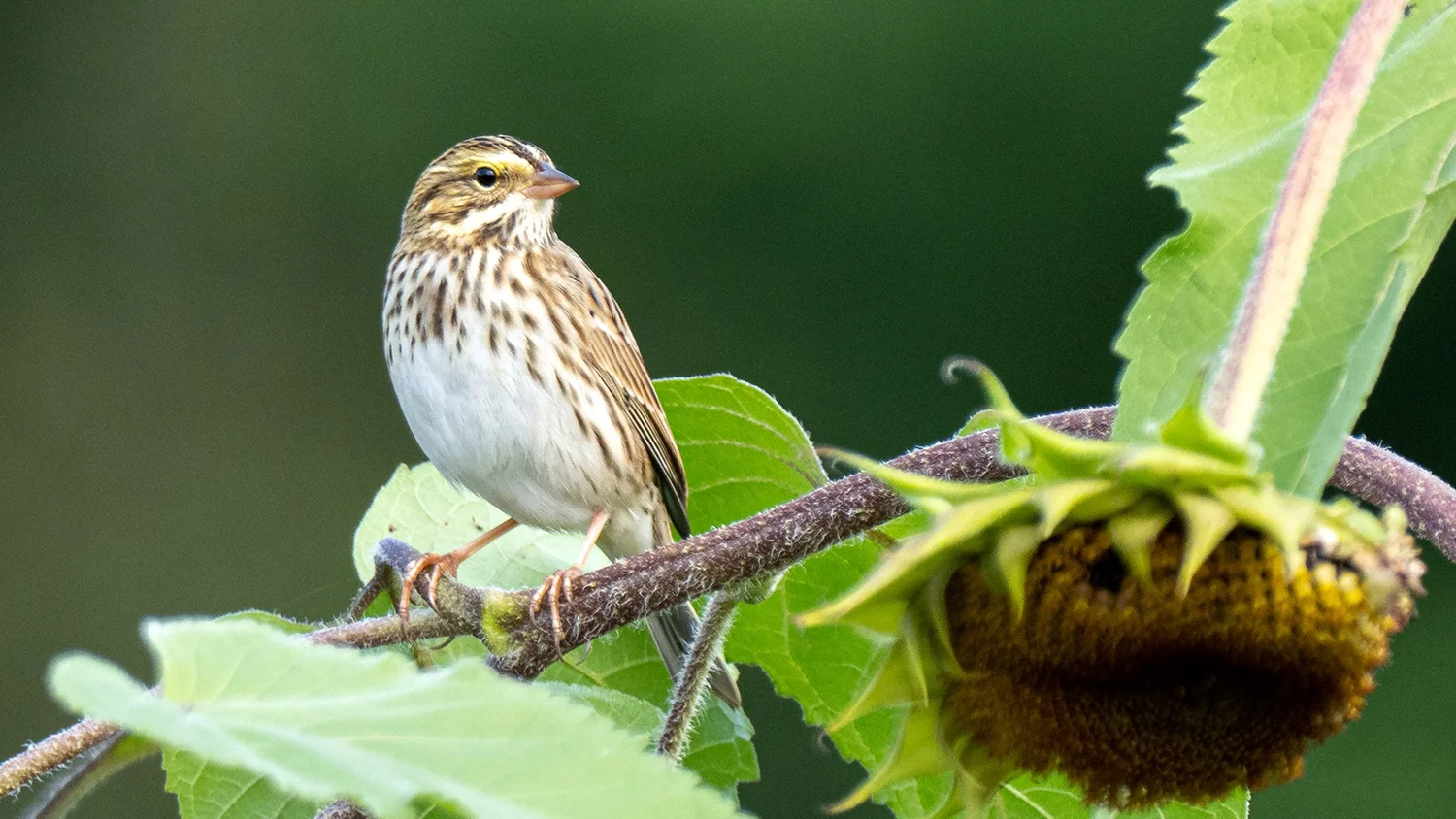
Have you ever stopped to think about the places where birds live? Their homes—forests, wetlands, and grasslands—are shrinking every day.
But here’s the truth: you have the power to make a difference. Protecting bird habitats isn’t just about saving birds; it’s about keeping your world healthy and balanced. You’ll discover simple, effective ways to help preserve these vital spaces. Keep reading, because what you do next could change the future for birds—and for you.
Threats To Bird Habitats
Protecting bird habitats requires stopping deforestation and pollution that harm their homes. Planting native trees and creating safe spaces help birds thrive. Simple actions like reducing waste and supporting conservation can make a big difference.
Birds are vital to our ecosystems, playing roles in pollination, seed dispersal, and pest control. However, their habitats face numerous threats, putting many species at risk. Understanding these threats can help us take action to protect and preserve bird habitats.Habitat Loss And Fragmentation
One of the most significant threats to bird habitats is habitat loss and fragmentation. Urbanization and agricultural expansion often lead to the destruction of vital nesting and feeding areas. Imagine your neighborhood suddenly being divided by highways and buildings—birds face similar disruptions, which can limit their access to food and safe nesting sites.Pollution Effects
Pollution presents another challenge to birds, impacting their health and survival. Chemical pollutants, like pesticides, can poison birds or reduce the availability of their prey. Even light and noise pollution can disturb their natural behaviors, affecting migration patterns and breeding success.Climate Change Impact
Climate change alters habitats, affecting the availability of resources birds need. Rising temperatures and unpredictable weather patterns can shift the distribution of food and nesting sites. Have you noticed birds arriving earlier than usual in spring? Such changes can disrupt the delicate balance of their ecosystems.Invasive Species Challenges
Invasive species can outcompete native birds for food and nesting spaces. They may also introduce diseases that native birds have no resistance to. If you’ve ever seen a garden overrun by non-native plants, you know how quickly an ecosystem can be overwhelmed. Protecting bird habitats requires awareness and action. What steps can you take in your community to safeguard these vital ecosystems?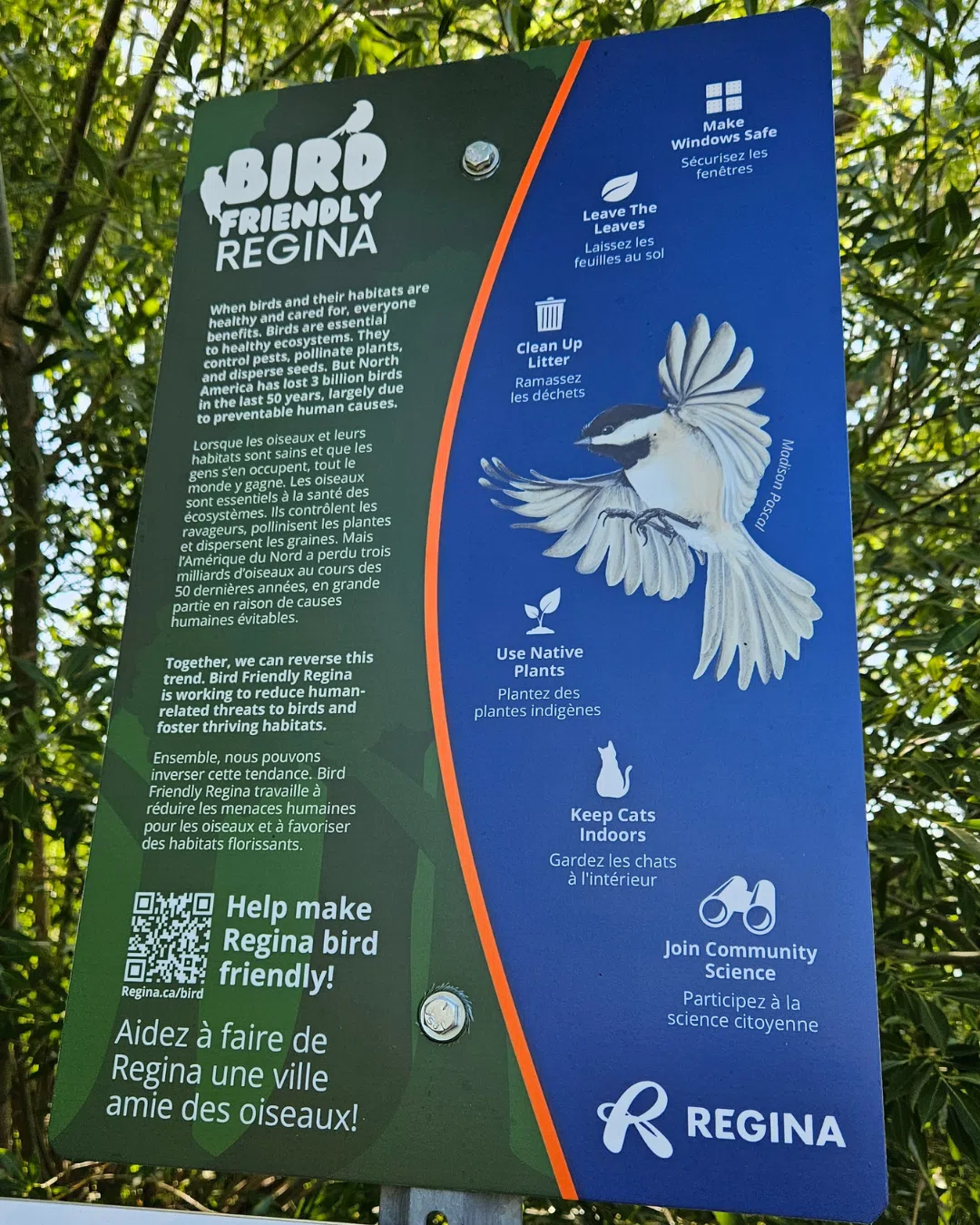
Credit: www.ckom.com
Creating Bird-friendly Spaces
Creating bird-friendly spaces helps protect birds by giving them safe places to live and find food. These spaces support birds’ needs and help maintain healthy ecosystems. Small changes in gardens or parks can make a big difference for local bird populations.
Planting Native Vegetation
Native plants provide natural food and shelter for birds. They attract insects, seeds, and berries that birds eat. Native trees and shrubs offer safe spots for nesting and resting. Choose plants that grow well in your area to support local bird species.
Providing Water Sources
Birds need water for drinking and bathing every day. A shallow birdbath or small pond can attract many birds. Keep water clean and fresh to prevent disease. Place water sources in quiet spots, safe from predators and strong winds.
Building Birdhouses And Feeders
Birdhouses give birds a safe place to lay eggs and raise chicks. Use designs that suit local bird species. Feeders provide extra food, especially in winter or dry seasons. Offer seeds, nuts, or suet, depending on the birds you want to help.
Reducing Human Impact
Reducing human impact is vital to protect bird habitats. Human activities often disturb natural areas, harming bird populations. Small changes in daily habits can create safer environments for birds. Everyone can help by adopting bird-friendly practices.
Minimizing Pesticide Use
Pesticides kill insects that birds eat. They also poison birds directly. Using fewer pesticides helps keep bird food sources healthy. Choose natural pest control methods instead. Plant native plants to attract beneficial insects. This supports the whole ecosystem and protects birds.
Keeping Cats Indoors
Domestic cats often hunt birds outside. They cause many bird deaths each year. Keeping cats indoors reduces this threat. Provide toys and playtime to keep cats happy inside. Outdoor enclosures give cats a safe way to enjoy fresh air. Protect birds by controlling pet cats.
Responsible Waste Management
Litter and trash harm birds and their habitats. Birds can get caught in plastic or eat harmful waste. Dispose of trash properly to avoid pollution. Recycling and reducing waste lowers habitat damage. Clean natural areas regularly to keep bird homes safe. Responsible waste habits protect birds and nature.
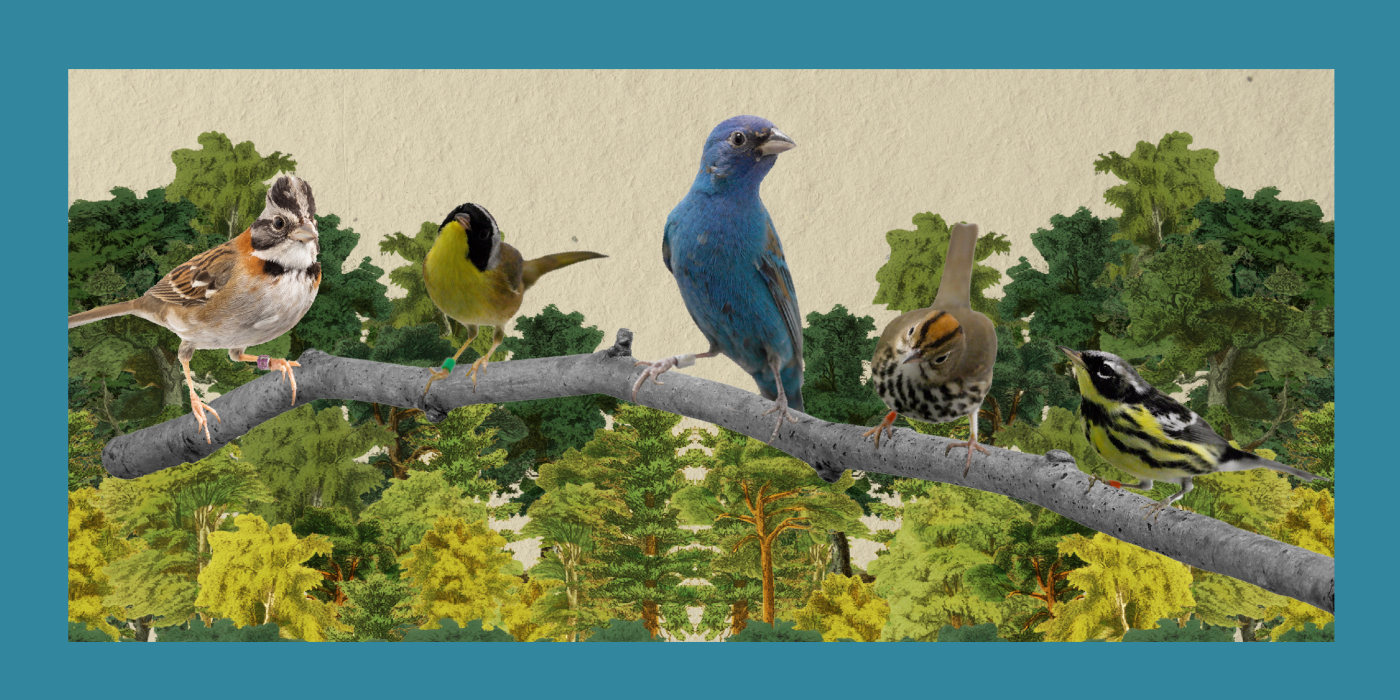
Credit: nationalzoo.si.edu
Supporting Conservation Efforts
Supporting conservation efforts plays a key role in protecting bird habitats. These efforts help maintain safe environments where birds can live and thrive. Many groups and individuals work hard to keep these habitats safe. You can join them in different ways. Every small action contributes to bigger positive changes for birds and nature.
Participating In Local Programs
Local programs often focus on preserving nearby bird habitats. They include activities like bird counts, habitat cleanups, and educational workshops. Joining these programs helps you learn about local birds and their needs. It also connects you with others who care about wildlife. Participation boosts community awareness and protects important bird areas.
Donating To Wildlife Organizations
Wildlife organizations use donations to fund habitat protection projects. These groups work on land conservation, research, and rescue efforts. Your donations help pay for tools, staff, and outreach campaigns. Even small amounts support many critical actions. Giving money to trusted groups ensures resources reach bird habitats effectively.
Volunteering For Habitat Restoration
Habitat restoration involves repairing damaged or lost environments. Volunteers plant native trees, remove invasive plants, and clean polluted areas. These actions create better homes for birds and other wildlife. Volunteering offers hands-on experience and a chance to see direct results. It strengthens habitats and builds stronger communities.
Raising Awareness
Raising awareness plays a key role in protecting bird habitats. People must understand why these habitats matter. Awareness can lead to action, helping to save homes for many bird species.
Spreading knowledge about birds and their environment encourages respect and care. It inspires communities to join efforts to keep habitats safe and clean. Awareness also helps reduce harmful activities that threaten birds.
Educating Communities
Teaching local people about birds and their habitats builds strong support. Schools, community centers, and local groups can share simple facts and stories. This education helps people see how their actions affect birds.
- Host workshops about local birds and their needs.
- Share easy tips for protecting bird homes.
- Use visual aids like pictures and videos.
Using Social Media
Social media spreads information fast and reaches many people. Posting facts, pictures, and videos can catch attention. It connects bird lovers and encourages sharing important messages.
- Create posts showing birds in their natural homes.
- Share stories about successful habitat protection.
- Invite followers to join local bird-saving activities.
Organizing Birdwatching Events
Birdwatching events bring people close to nature. They help participants see birds and understand their needs. These events can inspire respect and a desire to protect habitats.
- Plan walks in bird-rich areas.
- Teach how to spot different bird species.
- Discuss the importance of safe habitats during events.

Credit: news.asu.edu
Frequently Asked Questions
How Can We Prevent Bird Habitat Loss?
Protect bird habitats by conserving forests and wetlands. Avoid deforestation and support sustainable land use. Create protected areas to preserve nesting and feeding sites.
What Role Do Native Plants Play In Bird Habitats?
Native plants provide food and shelter for birds. They support local insects, which are vital bird food sources. Planting natives helps maintain a healthy ecosystem for birds.
How Does Pollution Affect Bird Habitats?
Pollution contaminates water and soil, harming birds’ food sources. Chemicals can poison birds and destroy nesting areas. Reducing pollution safeguards bird health and habitats.
Can Urban Areas Support Bird Habitats?
Yes, urban areas can support birds with green spaces and bird-friendly plants. Reducing glass collisions and providing water sources helps urban birds thrive.
Conclusion
Protecting bird habitats helps keep nature balanced and healthy. Small actions like planting trees and avoiding pollution make a big difference. Communities working together can save many bird species from harm. Every person can help by respecting wildlife and their homes.
This care ensures birds thrive for future generations to enjoy. Nature depends on us to keep habitats safe and clean. Let’s act now to protect the places birds call home.