
Have you ever wondered where most birds live and why they choose those places? Understanding the main habitats of birds can change the way you see the world around you.
Whether you’re a nature lover, a casual bird watcher, or just curious, knowing where birds make their homes helps you connect with them in a deeper way. You’ll discover the key places birds call home and why these habitats matter—not just for the birds, but for your own experience with nature.
Keep reading, and you might find yourself spotting birds in places you never expected.
Forest Habitats
Birds often live in forests, where trees provide food, shelter, and nesting spots. These habitats support many bird species by offering safety and resources. Forests play a key role in the life of birds around the world.
Forest habitats are a vibrant tapestry of life and biodiversity, playing host to numerous bird species. These ecosystems are crucial for birds, offering shelter, food, and breeding grounds. Let’s dive into the different types of forest habitats that birds call home.Tropical Rainforests
Tropical rainforests are teeming with bird species, thanks to their lush vegetation and abundance of food. These forests are located near the equator, characterized by a warm, humid climate. Birds such as toucans and parrots thrive here, taking advantage of the diverse plant life and insects. The dense canopy provides perfect nesting sites, while the layers of vegetation create varied feeding opportunities. Have you ever wondered how these birds adapt to such a dense environment? Their vibrant plumage often helps them blend in, providing camouflage amidst the colorful flora.Temperate Forests
Temperate forests, found in regions with distinct seasonal changes, are another vital habitat for birds. These forests are home to species like woodpeckers and owls, which rely on the trees for nesting and foraging. The seasonal variety in temperate forests means that birds experience changes in food availability throughout the year. Do you notice how some birds migrate while others adapt their diets? This adaptability is key for survival in such dynamic environments.Boreal Forests
Boreal forests, also known as taiga, stretch across the northern parts of the globe and are dominated by coniferous trees. Birds such as the black-capped chickadee and boreal owl have adapted to the cold, harsh conditions of these forests. Winters in boreal forests can be unforgiving, posing challenges for food and warmth. How do these birds manage to thrive? Some species have developed remarkable strategies, such as storing food or fluffing up their feathers for insulation. Exploring the forest habitats of birds reveals a fascinating world of adaptation and survival. Each type of forest offers unique challenges and opportunities, shaping the lives of the birds that inhabit them. What can we learn from these resilient creatures? Perhaps their ability to adapt and thrive in diverse environments holds valuable lessons for us all.Wetland Areas
Wetland areas serve as vital habitats for many bird species. These environments offer food, shelter, and breeding grounds. Birds depend on wetlands for survival and migration. Wetlands have diverse forms, each supporting unique bird communities.
Marshes And Swamps
Marshes and swamps provide rich feeding grounds for birds. They have shallow water with abundant plants and insects. Birds like herons, egrets, and ducks thrive here. These areas offer protection from predators and harsh weather.
Mangroves
Mangroves grow along tropical coastlines and support many bird species. Their dense roots create safe nesting sites. Birds such as kingfishers and ospreys hunt fish in these waters. Mangroves are crucial for birds during breeding and migration.
Estuaries
Estuaries form where rivers meet the sea. They have a mix of fresh and saltwater. This creates nutrient-rich environments that attract many birds. Shorebirds, gulls, and terns find food and rest in estuaries. These habitats are key stopovers during long migrations.
Grasslands And Savannas
Grasslands and savannas form some of the most vibrant and dynamic habitats for birds. These open landscapes offer a unique blend of food sources, nesting spots, and wide visibility that many bird species depend on. Whether you’re birdwatching or simply curious, understanding these habitats can deepen your appreciation for the diversity of bird life you encounter.
Prairies
Prairies are vast stretches of grass-dominated land found mostly in North America. Birds here, like the Eastern Meadowlark and the Greater Prairie-Chicken, have adapted to the tall grasses and occasional shrubs. You might notice that these birds are skilled at blending into their surroundings, a crucial survival trait in such exposed environments.
Birds in prairies rely heavily on ground nesting. This makes the health of the grassland critical for their breeding success. If you ever visit a prairie, try to spot the bobolinks—their cheerful songs often mask their presence in the thick grass.
African Savannas
The African savannas are a mix of grasslands dotted with scattered trees, creating a patchwork habitat that supports an incredible variety of birds. Species like the Secretarybird and the Lilac-breasted Roller thrive here, each with unique behaviors suited to the open yet varied terrain.
These birds often use the trees for perching and hunting vantage points. Have you ever watched a Secretarybird stalking prey on foot? It’s a striking example of how birds adapt their hunting techniques to their habitat.
Both prairies and African savannas teach us that grasslands are far from empty spaces—they’re bustling ecosystems full of life and complexity. Next time you’re outdoors, ask yourself: what stories are these open lands telling through their feathered residents?
Desert Environments
Desert environments are harsh and dry places with extreme temperatures. Few birds can live in these tough conditions. Yet, some species have adapted well. They find food, water, and shelter in unique ways. Deserts are not empty; they host life in surprising forms.
Arid Zones
Arid zones have very little rain and scarce plants. Birds here have special ways to survive. Many are small and active during cooler times. They eat seeds, insects, and small animals. Their feathers help them save water and stay cool.
- Cactus wren builds nests in thorny bushes for protection.
- Roadrunners run fast to catch prey on the ground.
- Owls hunt at night to avoid daytime heat.
Oases
Oases are green spots in deserts with water and plants. Birds gather here to drink and rest. These places support many species that cannot survive in dry parts. Trees and shrubs provide food and safe nests.
- Herons and ducks use water to find fish and insects.
- Warblers and finches feed on fruits and seeds.
- Many birds migrate here during hot seasons.
Mountain Regions
Mountain regions offer unique habitats that challenge birds to adapt in remarkable ways. These environments vary widely with altitude, creating distinct zones where specific bird species thrive. Understanding these zones helps you appreciate how birds survive and flourish under tough conditions.
Alpine Zones
The alpine zone lies above the tree line, where the air is thin, and the weather can change suddenly. Birds here, like the rosy finch or the white-tailed ptarmigan, have special feathers to keep warm and strong wings for windy conditions.
Have you noticed how these birds often have darker plumage? It helps them absorb more heat in the cold environment.
This zone is mostly open with rocks and low plants, so birds rely on camouflage and quick flight to avoid predators. You might spot them hopping between rocks or feeding on seeds and insects that survive the harsh climate.
Subalpine Forests
Just below the alpine zone, subalpine forests are dense with conifers like fir and spruce. This habitat supports a wider variety of birds such as the Clark’s nutcracker and the varied thrush.
These forests offer shelter and abundant food sources like seeds, berries, and insects. You can often hear the sharp calls of woodpeckers or the melodic songs of warblers echoing through the trees.
If you spend time here, watch how birds use the thick canopy for nesting and protection. Their ability to thrive in cooler temperatures and rugged terrain shows how adaptable mountain birds truly are.
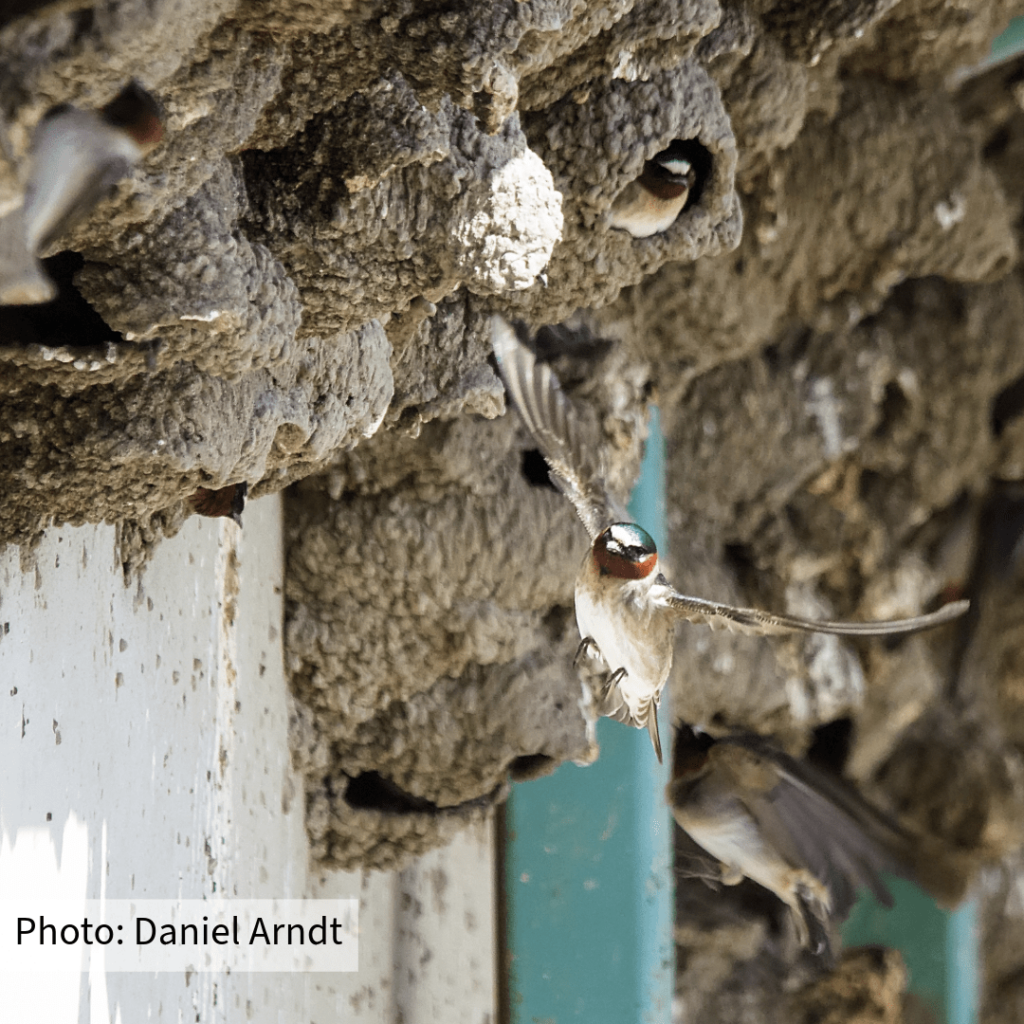
Credit: learn.birdscanada.org
Urban And Suburban Areas
Urban and suburban areas have become important homes for many bird species. These places offer food, shelter, and safety from some predators. Birds adapt well to the changing environment and find ways to live close to people.
Birds in cities and suburbs enjoy a mix of natural and man-made spaces. They use trees, bushes, and buildings for nesting and resting. Noise and pollution affect them, but many birds thrive in these busy areas.
City Parks
City parks are green spots in urban areas filled with trees, flowers, and grass. Birds use parks to find food like seeds, insects, and berries. Parks offer quiet places for birds to build nests and raise young ones.
Many birds like robins, sparrows, and pigeons live in city parks. Parks also attract migratory birds during certain seasons. Trees and shrubs in parks provide shelter and protection from harsh weather.
Backyards And Gardens
Backyards and gardens are small habitats that support many bird species. Birds visit these areas to feed on plants, insects, and water sources. People often put bird feeders and birdbaths to help birds survive.
Gardens with native plants attract more birds. Shrubs and trees offer safe spots for nesting. Birds like finches, blue jays, and cardinals often visit backyards. Gardens create a peaceful space for birds within busy neighborhoods.
Coastal Zones
Coastal zones are dynamic habitats where land meets the sea, offering unique environments that support a diverse range of bird species. These areas provide birds with food, shelter, and breeding grounds. Understanding the specific habitats within coastal zones helps you appreciate how birds adapt to different conditions along the shoreline.
Beaches And Dunes
Beaches and dunes are sandy stretches that many shorebirds depend on for nesting and feeding. You might spot species like the piping plover or sandpipers scurrying along the shore, searching for small invertebrates buried in the sand.
These habitats are fragile and often threatened by human activity, but they are crucial for birds that nest in open spaces. Have you noticed how some birds blend perfectly with the sand? This camouflage helps protect their eggs from predators.
Maintaining clean, undisturbed beaches can make a big difference for these birds. Even simple actions like staying on designated paths help preserve their nesting areas.
Rocky Shores
Rocky shores provide a very different environment compared to sandy beaches. Birds like oystercatchers and cormorants thrive here, using the rocks to rest and find food like mollusks and crustaceans.
These areas are rich in tide pools, which act as natural feeding stations. Have you ever observed birds skillfully picking prey from crevices? It’s a fascinating example of adaptation.
Rocky shores also offer protection against strong waves and predators. If you visit these spots, try to watch quietly—your presence can impact the birds’ ability to feed and rest.
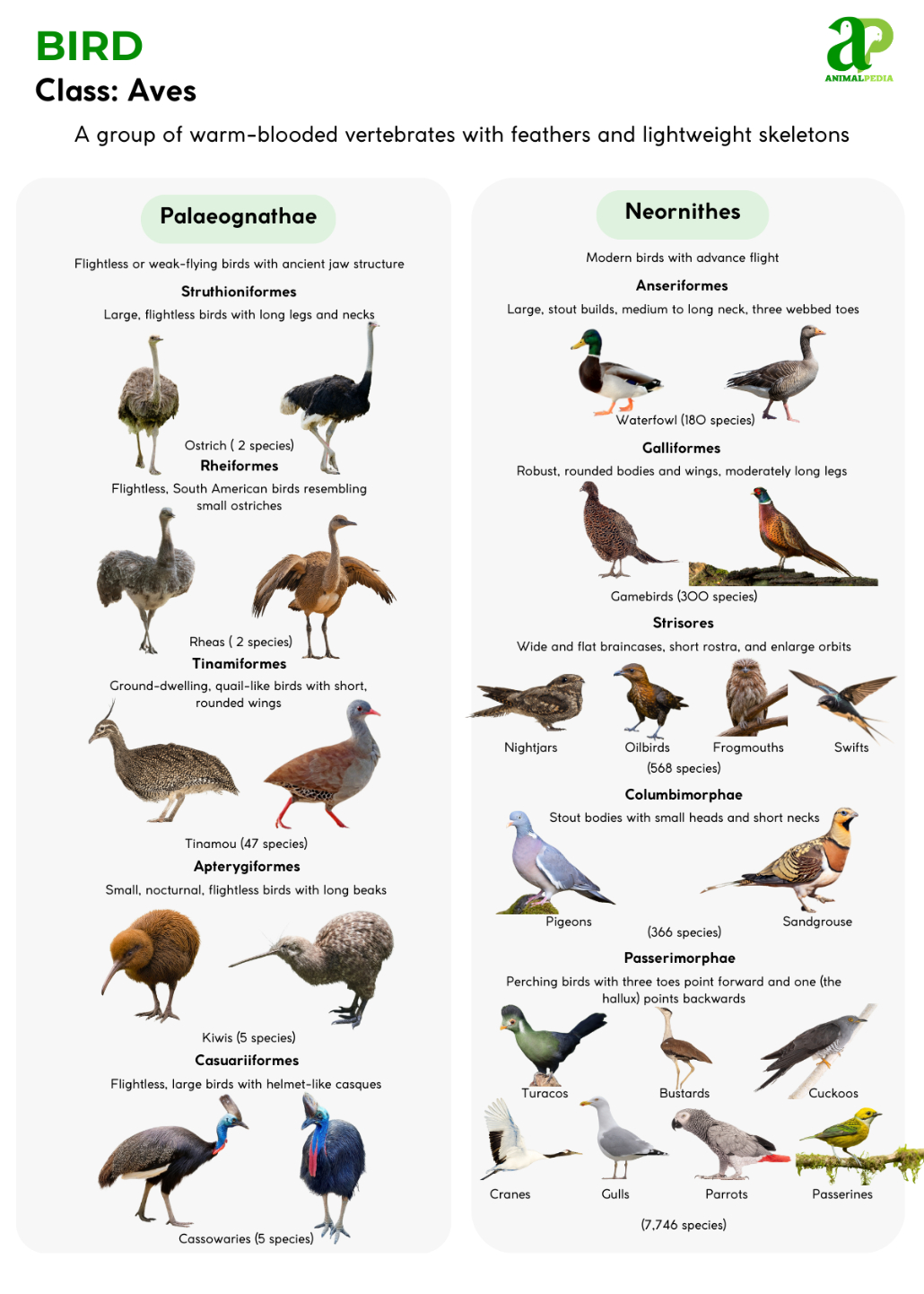
Credit: animal-pedia.org
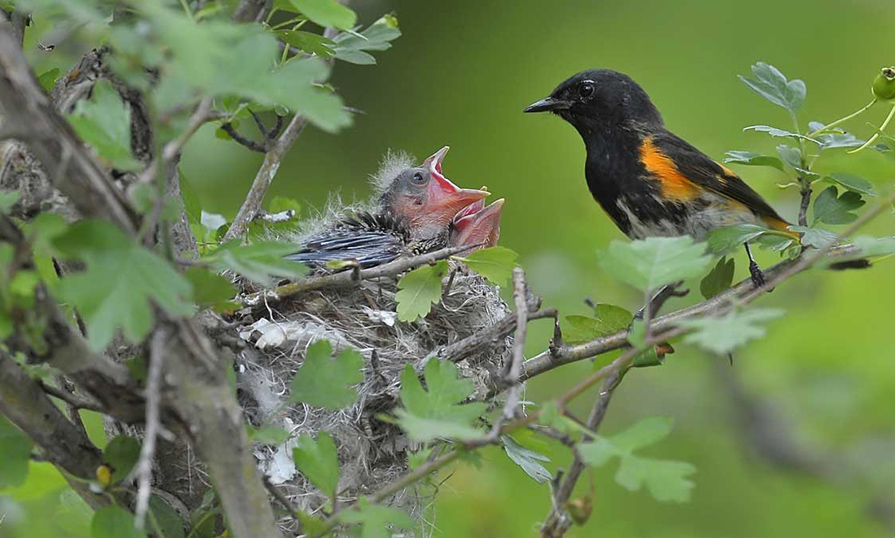
Credit: www.nscc.ca
Frequently Asked Questions
What Are The Primary Habitats Of Most Bird Species?
Birds mainly inhabit forests, wetlands, grasslands, and urban areas. Each habitat offers unique food, shelter, and nesting sites essential for their survival.
How Do Wetlands Serve As Bird Habitats?
Wetlands provide abundant food and nesting places for many waterfowl and migratory birds. They support diverse species by offering rich aquatic plants and insects.
Why Do Some Birds Prefer Forest Habitats?
Forests offer birds shelter, food, and nesting sites. Trees protect them from predators and harsh weather, supporting diverse bird populations.
Can Urban Areas Be Suitable Bird Habitats?
Yes, many birds adapt to cities by nesting in buildings and feeding on human waste or garden plants. Urban habitats support various bird species.
Conclusion
Birds live in many different places. Forests, wetlands, grasslands, and cities all provide homes. Each habitat offers food, shelter, and safety. Birds adapt well to their surroundings. Protecting these habitats helps birds survive and thrive. Everyone can help by caring for nature.
Watching birds can teach us about life. Their homes matter to the health of Earth too. Understanding where birds live brings us closer to nature. It shows how important it is to keep habitats safe for the future.