
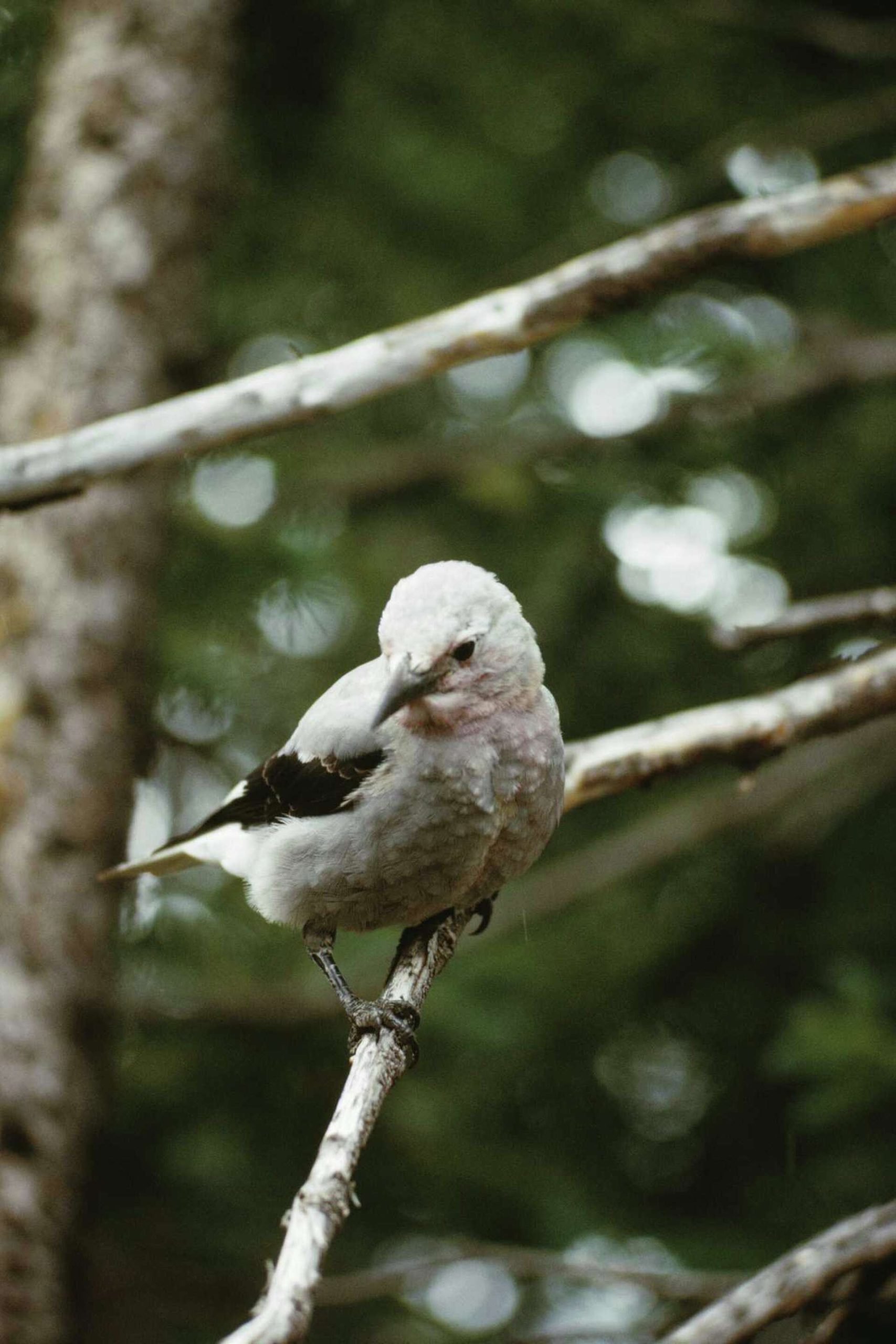
Do you want to capture stunning photos of birds right in your backyard? Setting the perfect perch can make all the difference between a blurry snapshot and a breathtaking image.
Imagine watching your feathered visitors land just where you want, giving you the chance to snap the perfect shot every time. You’ll discover simple, effective tips to create the ideal bird perch that attracts birds and helps you take clear, vibrant photos.
Get ready to transform your backyard into a bird photographer’s paradise!
Choosing The Right Perch
Choosing the right perch is key to capturing stunning backyard bird photos. The perch must attract birds while giving you a clear view. It should blend into the natural environment to avoid scaring birds away. A well-chosen perch helps you get close without disturbing the scene. This section covers where to place perches, what materials to use, and how to hide them effectively.
Ideal Locations For Bird Perches
Select spots where birds naturally rest or feed. Near shrubs, trees, or water sources works well. Place perches in quiet areas with little human activity. Choose locations with good lighting, preferably early morning or late afternoon sun. Ensure the perch is visible but offers quick cover nearby. Avoid open spaces where birds feel exposed.
Materials And Setup Tips
Use natural materials like wood branches or logs. These feel safe and familiar to birds. Avoid shiny or bright materials that may scare them. Secure the perch firmly to prevent movement during photos. Keep the height between 3 to 6 feet for easy shooting angles. Clean the perch regularly to remove dirt and droppings.
Camouflaging The Perch
Blend the perch with its surroundings for better results. Wrap branches with natural moss, leaves, or bark pieces. Use colors that match the background, such as green, brown, or gray. Avoid artificial coverings that might reflect light. Camouflage helps birds feel safe and stay longer. This gives more chances to capture natural behavior.

Credit: www.kevinpepperphotography.com
Selecting The Best Equipment
Choosing the right equipment is crucial for capturing stunning backyard bird photos. The gear you pick affects image clarity, focus speed, and your ability to stay steady. Let’s break down what gear can make your bird photography both enjoyable and productive.
Camera And Lens Recommendations
You want a camera that handles fast movement and low light well. Mirrorless cameras like the Sony A7 III or Canon EOS R offer quick autofocus and excellent image quality.
Lenses with long focal lengths bring distant birds close without disturbing them. A 300mm or 400mm telephoto lens is ideal for backyard shots, giving sharp detail while maintaining distance.
Consider lenses with image stabilization—it reduces blur from hand shake when you shoot handheld. Don’t overlook aperture size either; wider apertures (f/2.8–f/4) help isolate your subject against a soft background.
Tripods And Stabilizers
Steadiness is key in bird photography, especially with long lenses. A sturdy tripod keeps your camera steady, letting you focus on timing the perfect shot.
Look for tripods with adjustable legs to adapt to uneven backyard surfaces. A gimbal head or ball head gives smooth movement when tracking birds in flight or hopping between branches.
If you prefer mobility, a monopod offers support with more freedom to move around. Have you tried balancing between stability and flexibility? Finding what fits your style can change your shooting experience.
Accessories To Enhance Shots
Small tools can make a big difference. A remote shutter release prevents camera shake during shutter presses, improving sharpness.
Adding a bean bag or camouflage cover helps you stay unnoticed, encouraging birds to act naturally. A rain cover protects your gear during unexpected weather changes.
Don’t forget extra memory cards and batteries; birds rarely pose on schedule, so being ready means you won’t miss moments. What accessories have you found indispensable during your shoots?
Attracting Birds To Your Perch
Attracting birds to your backyard perch is the key to capturing stunning bird photography. Creating an inviting space requires understanding what birds need and how to meet those needs effectively. Once birds feel safe and welcomed, your chances of snapping beautiful moments increase dramatically.
Choosing Bird Feeders And Food
Select feeders that suit the types of birds you want to attract. Tube feeders work well for finches, while platform feeders attract larger birds like cardinals. Make sure your feeders are easy to clean to prevent disease.
Offer a variety of foods to appeal to different species. Black oil sunflower seeds attract many birds, while nyjer seeds are perfect for finches. Adding suet during colder months provides extra energy for birds.
Using Water Features
Birds need water for drinking and bathing. Adding a birdbath or a small fountain near your perch can bring more activity to your setup. Moving water, like a bubbler, often attracts more birds than still water.
Keep the water fresh and clean to encourage regular visits. In winter, consider a heated birdbath to provide water when natural sources freeze. Have you noticed how birds often prefer shallow water with gentle slopes?
Timing And Seasonal Considerations
Bird activity changes throughout the day and year. Early mornings are usually the best time for bird photography because birds are most active. Plan your sessions around these times for better shots.
Seasons affect which birds appear in your area. In spring and fall, migratory birds pass through, offering rare photo opportunities. How will you adjust your perch setup to match seasonal shifts in bird populations?

Credit: fawkesfocus.com
Mastering Photography Techniques
Mastering photography techniques is essential for capturing stunning backyard bird photos that truly stand out. It’s not just about having the right gear; it’s about knowing how to use light, focus, and composition to bring your images to life. Each shot can tell a story if you pay attention to the subtle details of your subject and surroundings.
Lighting And Exposure Settings
Lighting can make or break your bird photos. Early morning or late afternoon light offers the best natural glow, enhancing colors and textures without harsh shadows. Avoid midday sun, which often creates too much contrast and can wash out details.
Adjust your exposure settings to balance brightness and detail. Use a low ISO to reduce noise and a faster shutter speed to freeze motion, especially when birds are active. Have you tried slightly underexposing to keep feather details sharp?
Focusing And Composition Tips
Sharp focus on the bird’s eye is critical—it’s where viewers naturally look first. Use continuous autofocus (AI Servo or AF-C) to track movement, and don’t hesitate to switch to manual focus for tricky angles or dense foliage.
When framing your shot, apply the rule of thirds to create balance and interest. Leave space in the direction the bird is looking or flying to add a sense of motion. How often do you experiment with different angles to reveal unique perspectives?
Capturing Bird Behavior
Patience pays off when photographing birds’ natural actions. Watch for moments like preening, feeding, or calling to capture authentic behavior that tells a story. These shots often feel more alive and engaging.
Set your camera to a burst mode to catch rapid movements and subtle changes in posture. Do you find that waiting quietly near a perch rewards you with unexpected and memorable moments?
Maintaining Your Bird Photography Setup
Maintaining your bird photography setup is just as important as the initial placement of your perch. A well-kept setup ensures clear shots, attracts a variety of birds, and supports ethical wildlife interaction. Regular attention to your equipment and environment will keep your backyard a favorite spot for feathered visitors.
Cleaning And Upkeep
Keep your perch and surrounding area clean to avoid any buildup of dirt or bird droppings that can scare away birds or affect your photos. Wipe down the perch regularly with a mild, bird-safe cleaner to maintain its appearance and hygiene.
Check your camera gear and tripod for dust or moisture after each session. Dust on lenses can blur images, and moisture can damage sensitive equipment. Have a dedicated cleaning kit on hand to quickly refresh your gear.
Adjusting For Different Bird Species
Not all birds prefer the same kind of perch or background. You might notice that smaller songbirds like sparrows prefer perches closer to bushes, while larger birds such as woodpeckers favor sturdier, rougher branches.
Try changing the height or type of perch to attract different species. Moving a feeder slightly or adding water sources nearby can also influence which birds visit. Have you experimented with different setups to see which species respond best?
Ensuring Ethical Practices
Respect the birds’ natural behavior by avoiding setups that stress or harm them. Keep your distance and use remote triggers or zoom lenses to capture images without disturbing their routines.
Regularly assess your setup’s impact on the local wildlife. If you notice birds avoiding the area or signs of distress, adjust your approach. Remember, your goal is to share their beauty, not disrupt their lives.

Credit: fawkesfocus.com
Frequently Asked Questions
What Is The Best Perch For Backyard Bird Photography?
The best perch is natural-looking, stable, and placed in a quiet spot. Use branches or a wooden stand near bird feeders to attract birds. Ensure it blends with the environment for authentic shots and minimal disturbance.
How To Position The Perch For Perfect Bird Photos?
Place the perch where sunlight hits from the side or behind. This lighting highlights bird details and colors. Avoid direct harsh sunlight to prevent shadows and overexposure in your photos.
Which Camera Settings Suit Backyard Bird Photography Perches?
Use a fast shutter speed (1/1000s or higher) to freeze motion. Set aperture between f/5. 6 and f/8 for sharpness. Increase ISO only if needed to maintain exposure without noise.
How To Attract Birds To The Photography Perch?
Use bird feeders, fresh water, and native plants near the perch. Avoid sudden movements and loud noises to keep birds comfortable. Regular feeding builds trust and encourages frequent visits.
Conclusion
Creating the perfect perch boosts your backyard bird photography success. Simplicity is key. Choose natural materials like branches or stones. Position perches near feeders for more bird visits. Experiment with different heights for unique shots. Pay attention to lighting; early mornings work best.
Patience is crucial. Birds may take time to explore new perches. Consistency in your setup builds bird trust. With these tips, capture stunning bird photos. Your backyard becomes a vibrant wildlife gallery. Enjoy the beauty and joy of photographing birds at home.
Happy snapping!