
Are you passionate about capturing the vibrant colors and swift movements of birds in their natural habitat? If so, you know that the right camera can make all the difference.
But with so many options out there, finding the best Canon camera for bird photography can feel overwhelming. Imagine having a tool that not only freezes time but brings every feather and flight into sharp, vivid detail. It’s not just about the brand; it’s about transforming your outdoor adventures into stunning works of art.
We’ll help you navigate through Canon’s impressive lineup to find the perfect camera that meets your needs, so you can focus on what you love most – photographing the beauty of birds. Stay with us as we explore which Canon camera will be your ultimate companion in the wild.
Key Features For Bird Photography
Choosing the best Canon camera for bird photography means understanding the key features that make capturing fast-moving birds easier and more rewarding. These features directly impact how sharp, clear, and well-timed your shots will be. Let’s look at what matters most when hunting for that perfect bird photo.
Lens Compatibility
Bird photography often requires long telephoto lenses to get close to distant subjects without disturbing them. Your Canon camera should support a wide range of lenses, especially those with focal lengths of 300mm or more.
Consider cameras compatible with Canon’s EF and RF lens mounts, as they offer many professional-grade telephoto options. Does your camera allow easy switching between prime and zoom lenses? This flexibility can make a big difference in the field.
Autofocus Speed
Birds move fast and unpredictably, so autofocus (AF) speed is crucial. A camera with quick and accurate AF will help you lock focus instantly, reducing missed shots.
Look for models with advanced AF systems featuring numerous focus points and subject tracking. Have you noticed how slower AF can cause frustration during a fleeting bird moment? Fast AF keeps you ready for action.
Frame Rate
Taking multiple shots per second increases your chances of capturing the perfect wingbeat or flight pose. A high frame rate lets you shoot in continuous burst mode, essential for dynamic bird behavior.
Many Canon cameras offer 10 frames per second (fps) or more, which can be a game-changer. How often do you find yourself wishing you had just one more frame to nail the shot?
Image Stabilization
Using long lenses often means dealing with camera shake, especially handheld. In-body image stabilization (IBIS) or lens-based stabilization helps keep images sharp by compensating for small movements.
Choose a Canon model with effective stabilization to avoid blurry photos, especially in low light or when shooting at slow shutter speeds. Have you ever missed a clear shot because of shaky hands?
Sensor Size And Resolution
A larger sensor captures more light and detail, which is vital for crisp bird images. Canon’s APS-C and full-frame sensors both work well, but full-frame models generally offer better image quality.
Resolution matters too—higher megapixels allow you to crop photos tightly without losing detail. Think about how often you crop your bird shots to improve composition. A good balance between sensor size and resolution can elevate your photography.

Credit: www.reddit.com
Top Canon Cameras For 2025
Choosing the right Canon camera can transform your bird photography experience in 2025. Each model offers unique features tailored to different shooting styles and budgets. Understanding what each camera brings helps you capture sharp, vibrant images of birds in action.
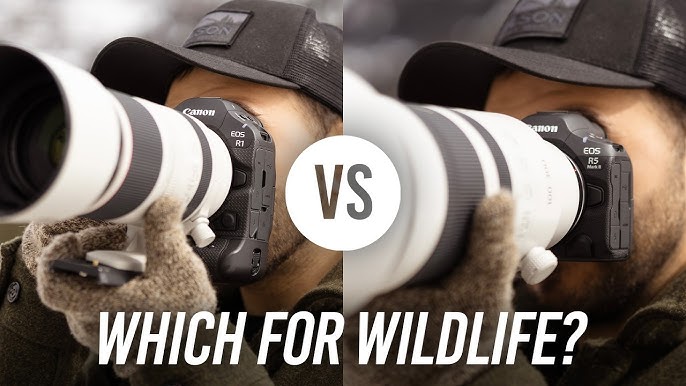
Canon Eos R5
The Canon EOS R5 stands out with its impressive 45-megapixel sensor, delivering stunning detail that bird photographers crave. Its high-speed continuous shooting at 20 frames per second lets you freeze fast-moving birds effortlessly.
With advanced autofocus tracking and excellent low-light performance, the R5 ensures you don’t miss critical moments. Have you ever struggled with blurry bird shots? This camera can change that.
Canon Eos R6 Mark Ii
The EOS R6 Mark II balances speed and resolution perfectly, featuring a 24.2-megapixel sensor and up to 40 fps burst shooting. It shines in low-light conditions, which is ideal for early morning or late evening bird photography.
Its Dual Pixel CMOS AF II technology tracks subjects smoothly, giving you sharp focus even when birds dart unpredictably. Imagine capturing a bird’s wingbeat in crystal-clear detail—this camera makes it possible.
Canon Eos-1d X Mark Iii
For professional bird photographers, the EOS-1D X Mark III offers unmatched speed and durability. Its 20.1-megapixel full-frame sensor and 16 fps continuous shooting with the viewfinder allow you to capture rapid bird movements without hesitation.
Its rugged design withstands tough outdoor conditions, so you can take it on any birding adventure. If you often find yourself shooting in challenging environments, this camera’s build quality is a big plus.
Canon Eos 90d
The Canon EOS 90D is an excellent choice for enthusiasts who want high resolution without breaking the bank. Its 32.5-megapixel APS-C sensor provides sharp images with a crop factor that effectively extends your reach.
It shoots at 10 fps, enough to capture quick bird actions, and has a solid autofocus system. Have you thought about how much extra zoom your lens offers? The 90D’s sensor size can give you that extra reach you need.
Canon Eos M6 Mark Ii
The EOS M6 Mark II is a compact mirrorless option packed with power. Its 32.5-megapixel sensor and 14 fps continuous shooting make it a versatile choice for bird photographers on the go.
Its lightweight design means less fatigue during long bird-watching sessions. Wouldn’t it be nice to carry your gear comfortably without sacrificing image quality?
Comparing Performance
Choosing the best Canon camera for bird photography means looking closely at performance features. These features affect how well the camera captures sharp, clear images of fast-moving birds. Key aspects include autofocus, image quality, shooting speed, battery life, and durability. Each factor plays a role in helping photographers capture stunning bird shots with ease.
Autofocus And Tracking
Fast and accurate autofocus is crucial for bird photography. Birds move quickly and unpredictably. Canon cameras with advanced autofocus systems use multiple focus points to track subjects smoothly. Some models offer eye-detection to keep focus locked on the bird’s eye. Reliable tracking reduces blurry shots and missed moments.
Image Quality
High image quality shows every feather and color detail. Canon cameras with larger sensors capture more light for clearer pictures. A good balance of resolution and low noise helps in different lighting conditions. RAW format support allows better editing flexibility after shooting.
Burst Shooting Speed
Burst speed measures how many photos a camera takes per second. Higher speed captures rapid bird movements and flight sequences. Canon models with 10 fps or more let you select the best shot from many frames. A fast buffer memory ensures continuous shooting without delay.
Battery Life
Long battery life supports extended outdoor shoots. Bird photography often involves waiting and long sessions in the field. Cameras with durable batteries reduce the need to change or recharge frequently. Some Canon models also offer USB charging for convenience.
Build And Weather Resistance
Bird photographers work in varied environments. Cameras with strong build quality resist drops and bumps. Weather sealing protects against rain, dust, and moisture. Canon’s weather-resistant bodies keep gear safe and functional in tough outdoor conditions.

Credit: www.reddit.com
Best Lenses For Bird Photography
Choosing the right lens is key for bird photography. A good lens lets you capture sharp details from a distance. It also helps you isolate the bird from its background. The best lenses balance reach, image quality, and ease of use. Understanding lens types helps you pick the best option for your style and budget.
Telephoto Lenses
Telephoto lenses are essential for bird photography. They offer long focal lengths, usually 300mm or more. This lets you photograph birds far away without disturbing them. These lenses bring distant subjects closer, showing fine feather details. Many pros use 400mm or 600mm lenses for clear shots. A longer lens often means better background blur and subject isolation.
Prime Vs Zoom
Prime lenses have a fixed focal length. They often give sharper images and wider apertures. This means better low-light performance and background blur. Zoom lenses cover a range of focal lengths. They offer flexibility to frame birds at different distances. Zooms are handy in changing environments or for fast-moving birds. Both types have pros, depending on shooting style and budget.
Image Stabilized Lenses
Image stabilization helps reduce blur from camera shake. It is very useful with long lenses and slow shutter speeds. Stabilized lenses let you shoot sharper photos handheld. This is especially helpful in low light or when you can’t use a tripod. Many Canon telephoto lenses include image stabilization. This feature improves your chances of getting crisp bird shots.
Affordable Options
Not all great bird lenses are expensive. Canon offers budget-friendly telephoto zooms like the 70-300mm. These lenses give good reach and decent image quality. They are light and easier to carry for long walks. Used lenses can also be a smart way to save money. Affordable lenses help beginners start bird photography without a big cost.
Tips For Choosing The Right Canon Camera
Choosing the right Canon camera for bird photography involves more than just picking the model with the highest megapixels or fastest autofocus. You need to balance your budget, consider how portable the camera is, and think about features that will keep your gear useful for years. Reflect on your shooting style and handling preferences to find a camera that feels like an extension of your vision.
Budget Considerations
How much are you willing to invest in your bird photography journey? Canon offers a wide range of cameras, from entry-level DSLRs to professional mirrorless models. Setting a clear budget helps narrow down options and prevents overspending on features you might not use.
Think about the cost of lenses too. A good telephoto lens is essential for bird photography and can sometimes cost more than the camera body. Balancing body and lens expenses will give you the best value for your money.
Portability And Weight
Bird photography often means hiking through rough terrain or waiting patiently in hides. A heavy camera can become a burden quickly. If you find yourself leaving your gear behind because it’s too bulky, you’ll miss valuable shots.
Consider cameras that offer a good balance between size and performance. Mirrorless models tend to be lighter but still pack professional features. Ask yourself: will you prioritize a lightweight setup or are you okay carrying extra weight for added durability and battery life?
Future-proof Features
Technology evolves fast, so pick a Canon camera that won’t feel outdated in a couple of years. Features like fast continuous shooting speeds, excellent autofocus tracking, and 4K video can enhance your bird photography experience.
Also, check if the camera supports the latest lens mounts and accessories. Buying a model with future compatibility ensures your investment grows with your skills. Are you ready to upgrade lenses or accessories down the line without switching brands?
User Experience And Handling
Your camera should feel intuitive and comfortable to use, especially when you need to react quickly to a bird’s movement. Ergonomics matter—buttons should be easy to reach, and the menu system should be straightforward.
Spend time holding different Canon models in your hands before buying. Notice how the grip feels and how easily you can switch settings without taking your eye off the viewfinder. A camera that fits your style will make shooting more enjoyable and less stressful.

Credit: www.youtube.com
Frequently Asked Questions
What Canon Camera Suits Bird Photography Best?
The Canon EOS R5 is ideal for bird photography. It offers fast autofocus, high resolution, and excellent image stabilization, perfect for capturing detailed bird images in motion.
Which Canon Lens Complements Bird Photography?
The Canon EF 100-400mm f/4. 5-5. 6L IS II USM lens is excellent. It provides versatile zoom range and sharp images, essential for distant bird shots.
How Important Is Autofocus In Bird Photography?
Autofocus is crucial for sharp bird photos. Fast and accurate autofocus helps track moving birds, ensuring clear and well-focused shots in dynamic environments.
Can Canon Mirrorless Cameras Handle Bird Photography?
Yes, Canon mirrorless cameras like the EOS R6 perform well. They offer quick autofocus, lightweight bodies, and silent shooting, making them ideal for bird photographers.
Conclusion
Choosing the right Canon camera helps capture birds clearly and beautifully. Each model offers unique features for different needs and budgets. Consider lens options, autofocus speed, and image quality carefully. A good camera makes bird photography more fun and rewarding.
Take time to explore and test before deciding. Happy bird watching and shooting!