
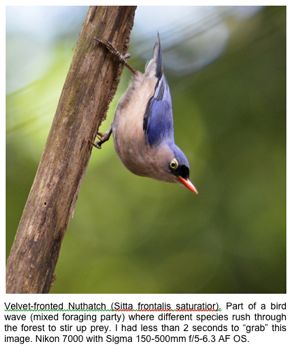
Are you captivated by the stunning images of birds in their natural habitat? Have you ever wondered what this unique art form is called?
You’re not alone. Bird photography, a fascinating niche within wildlife photography, has captured the hearts of many, offering a glimpse into the beauty and mystery of the avian world. But what exactly is bird photography called? Understanding this term can enhance your appreciation for the art and help you connect with like-minded enthusiasts.
As you read on, you’ll discover not just the name, but also the allure and the techniques that make bird photography a cherished hobby for countless individuals. Get ready to explore a world where patience meets creativity, and where every click of the shutter tells a story.
Credit: photographylife.com
Bird Photography Basics
Bird photography basics cover the essential knowledge to start capturing birds. It blends art and nature. This field requires patience and skill. Understanding what bird photography is helps beginners take better photos. Learning its history reveals how the craft evolved over time.
Defining Avian Photography
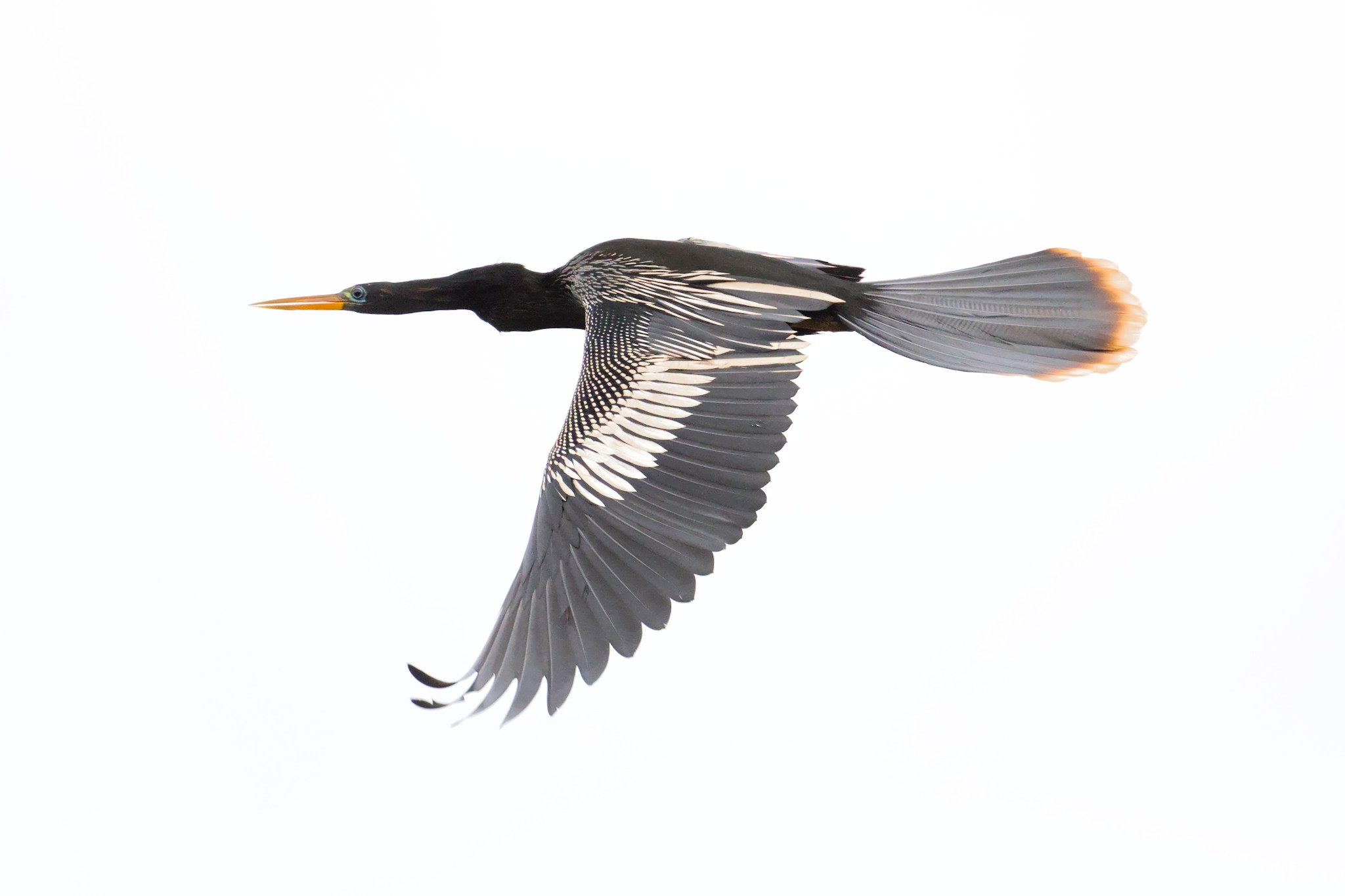
Avian photography means taking pictures of birds in their natural habitat. It focuses on birds’ behavior, colors, and movement. Photographers use special cameras and lenses. The goal is to show birds clearly and beautifully. Timing and light play a big role in success.
Historical Roots Of Bird Photography
Bird photography started in the late 1800s with early cameras. Photographers used large equipment and long exposure times. They often captured birds in cages or studios. As technology improved, outdoor bird photography grew popular. Today, digital cameras and telephoto lenses make it easier.
Essential Gear For Bird Photography
Bird photography requires specific equipment to capture sharp and vibrant images. The right gear helps you photograph birds in detail, even from a distance. This section covers the essentials for clear, well-focused bird photos.
Choosing The Right Camera
A camera with fast autofocus improves your chances of getting clear shots. DSLR and mirrorless cameras are popular for bird photography. They offer high resolution and quick shutter speeds. Cameras with good low-light performance help capture birds in dim conditions.
Lenses Suited For Birds
Long telephoto lenses bring distant birds close in the frame. Lenses with focal lengths of 300mm or more are ideal. Zoom lenses allow flexibility for different distances. Prime lenses often provide sharper images and better light capture. A lens with image stabilization reduces blur from hand movements.
Tripods And Accessories
A sturdy tripod keeps your camera steady during long waits. It reduces camera shake, especially with heavy lenses. Gimbal heads help move the camera smoothly to track flying birds. Extra batteries and memory cards prevent interruptions. Lens hoods reduce glare and protect the lens from rain or dust.
Techniques To Capture Birds
Capturing birds in their natural habitat requires special techniques. These techniques help create clear and beautiful photos of birds. Understanding how to set your camera, frame your shot, and wait patiently can improve your bird photography skills.
Camera Settings For Sharp Images
Use a fast shutter speed to freeze bird movements. A speed of 1/1000 second or faster works well. Set a low ISO to reduce noise, but increase it in low light. Use aperture priority mode with a wide aperture (small f-number) to blur the background. Autofocus on the bird’s eye for sharpness. Continuous autofocus helps track flying birds.
Composing The Perfect Shot
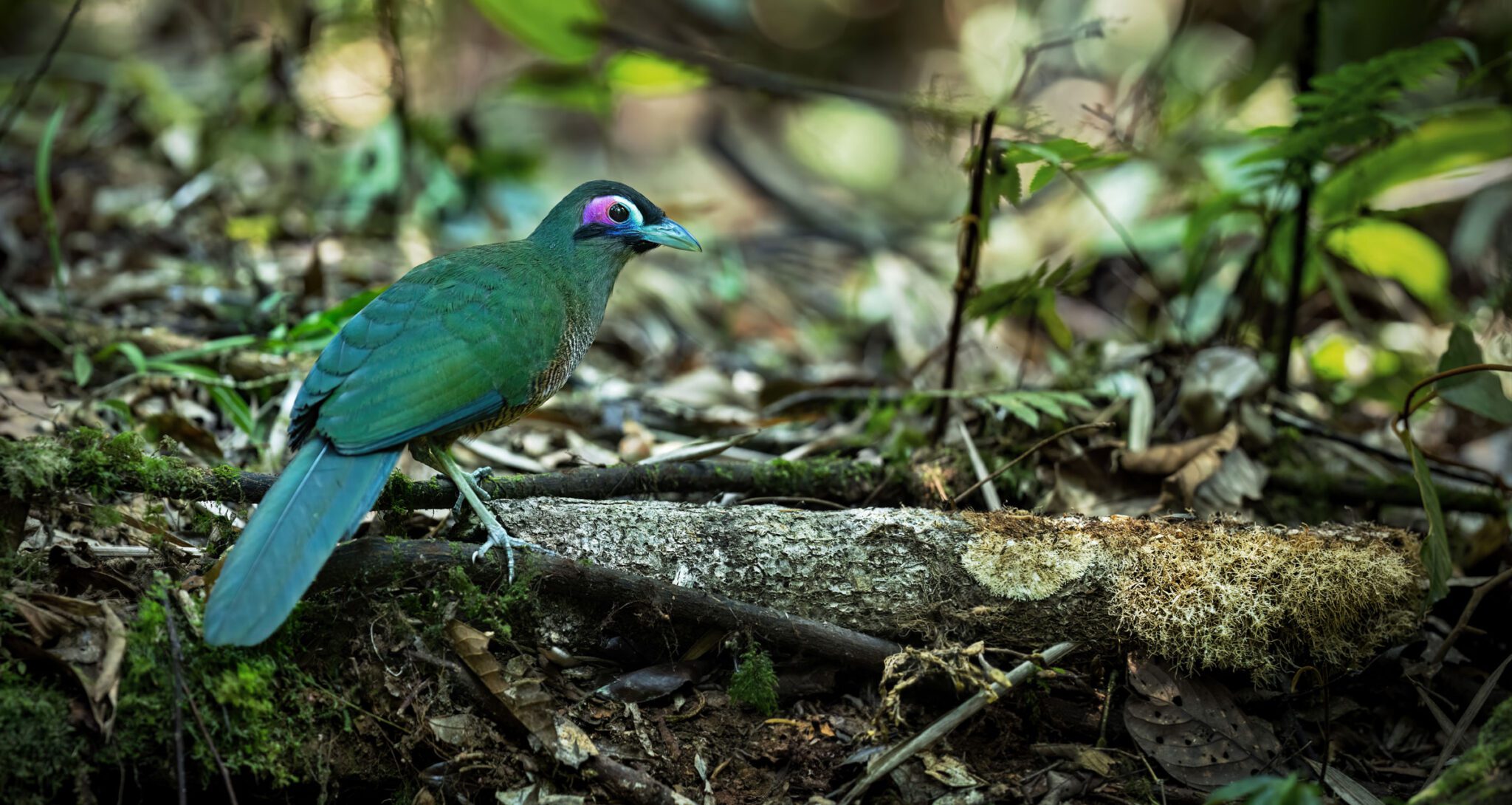
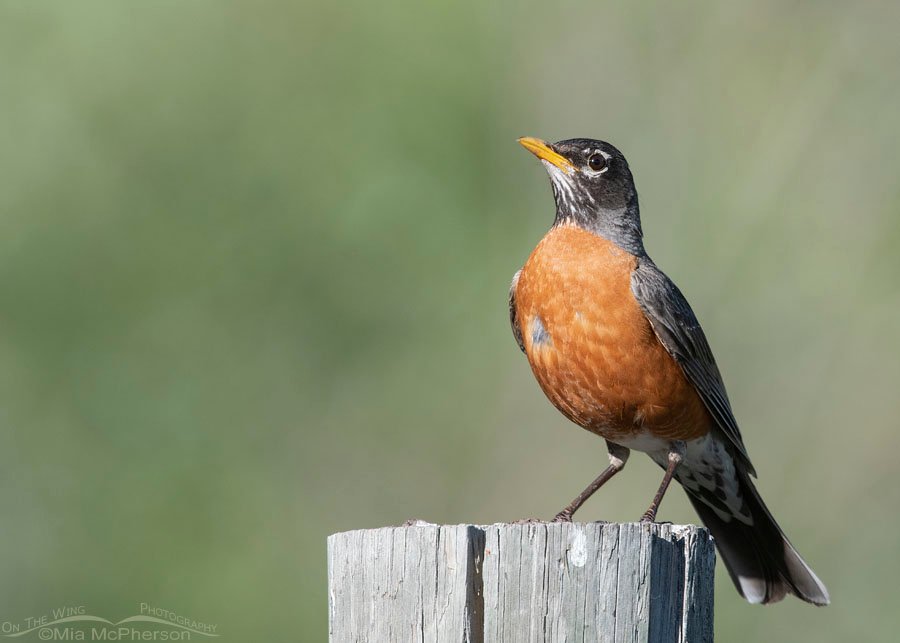
Place the bird off-center using the rule of thirds. Leave space in front of the bird for it to “look into.” Include natural elements like branches or sky to add context. Avoid distracting backgrounds that take attention away from the bird. Shoot at the bird’s eye level for a more engaging photo.
Timing And Patience In The Field
Birds move quickly and unpredictably. Arrive early during the golden hours for soft light. Stay still and quiet to avoid scaring birds away. Watch bird behavior to predict flight or feeding. Wait for moments like wing spread or singing to capture action. Patience often leads to the best photos.
Credit: www.allaboutbirds.org
Common Challenges In Bird Photography
Bird photography challenges test both patience and skill. Capturing sharp, well-lit photos requires managing many factors. Birds move fast and light changes quickly. Nature adds its own surprises too. Understanding these challenges helps improve every shot.
Dealing With Lighting Conditions
Lighting in bird photography changes often. Early mornings and late afternoons offer soft light. Midday sun creates harsh shadows and bright spots. Overcast days give even light but less color. Photographers must adjust camera settings fast. Using natural light well is key for clear images.
Handling Bird Movement
Birds rarely stay still. They fly, hop, and dart quickly. Capturing sharp images needs fast shutter speeds. Autofocus must track moving subjects accurately. Patience is vital for timing the perfect shot. Anticipating bird behavior improves success rate.
Environmental Factors
Outdoor shoots face many environmental challenges. Wind can shake branches or blur photos. Rain and fog reduce visibility and camera function. Background clutter can distract from the bird. Finding good spots with less disturbance helps. Respecting wildlife and nature is always important.
Ethics And Conservation
Ethics and conservation play a crucial role in bird photography. Your actions can impact the very wildlife you admire. Being mindful of ethical practices helps protect birds and their habitats for future generations to enjoy.
Respecting Wildlife
Approach birds with patience and care. Avoid getting too close or chasing them to get a better shot. Remember, your presence should not stress or frighten the bird.
Once, I waited quietly for over an hour to capture a rare woodpecker. Moving too quickly would have scared it away. Respecting their space often leads to better photos and a more rewarding experience.
Minimizing Disturbance
Use natural light and avoid flash photography, which can startle birds. Stay on established paths and avoid trampling vegetation. Your goal is to blend into the environment, not disrupt it.
Think about how your actions might affect nesting birds or feeding routines. Even small disturbances can have significant consequences for their survival.
Supporting Bird Conservation
Share your photos and stories to raise awareness about bird protection. Support local conservation groups or participate in citizen science projects. Your photography can be a powerful tool for change.
Have you considered how your images might inspire others to care for wildlife? By being responsible, you contribute to a larger effort to protect birds and their habitats.
Credit: www.onthewingphotography.com
Editing And Enhancing Bird Photos
Editing and enhancing bird photos is where your creativity meets technical skill. The right edits can bring out the vivid colors of a bird’s feathers, sharpen details, and make your photos truly stand out. However, it’s important to strike a balance between improving the image and keeping it natural enough to reflect the true beauty of the bird.
Basic Post-processing Tips
Start by adjusting the exposure and contrast to ensure your bird is well-lit and stands out from the background. Use cropping to remove distractions and focus more closely on the bird’s features.
Sharpening helps highlight fine details like feathers and eyes, but avoid overdoing it to prevent unnatural edges. Simple tweaks in white balance can correct color tones, especially if your photo looks too warm or cool.
Advanced Editing Techniques
Once you’re comfortable with basics, try using layer masks to selectively enhance certain parts of your photo, such as brightening the bird’s eyes without affecting the background. Dodging and burning can add depth by subtly lightening or darkening specific areas.
Noise reduction tools are valuable when shooting in low light, helping to smooth grainy textures without sacrificing detail. You might also experiment with color grading to create a unique mood, but keep the bird’s natural colors as your guide.
Maintaining Natural Appearance
Ask yourself if the edited photo still looks like a real bird in its environment. Avoid heavy saturation or unnatural color shifts that could mislead viewers about what the bird actually looks like.
Remember, your goal is to enhance, not to transform your subject. Keeping subtlety in edits respects the authenticity of bird photography and builds trust with your audience.
Inspiring Bird Photography Projects
Bird photography is more than just taking pictures of birds. It captures moments, stories, and the beauty of nature. Many photographers create inspiring projects that focus on different aspects of birds. These projects help us see birds in new ways and appreciate their role in the world.
Thematic Collections
Thematic collections group bird photos by a specific idea or theme. Themes can include birds in flight, colorful feathers, or rare species. These collections tell a story through images. They create a strong visual impact and invite viewers to explore deeper.
Documenting Bird Behavior
Capturing bird behavior shows how birds live and interact. Photos can reveal feeding habits, mating dances, or caring for young. These images teach us about bird life and add value to bird photography. They often require patience and quick reflexes.
Showcasing Bird Habitats
Bird habitats are where birds live and thrive. Photographers capture these environments to show the connection between birds and nature. Photos of forests, wetlands, and urban areas highlight the diversity of bird homes. This approach raises awareness about protecting these vital places.
Sharing And Publishing Your Work
Sharing and publishing your bird photography helps others see your work. It builds your reputation and connects you with a wider audience. Showcasing your photos boosts your confidence and motivates you to improve. Sharing also invites feedback and creates new opportunities in the photography world.
Building An Online Portfolio
Create a simple, clean website to display your best bird photos. Organize images by species, location, or style. Use clear titles and short descriptions for each photo. Update your portfolio regularly to show your latest work. Share your website link on social media and photography forums.
Participating In Competitions
Enter bird photography contests to gain exposure and recognition. Choose contests that fit your skill level and style. Follow contest rules carefully and submit only your best shots. Winning or placing well can open doors to new projects. Competitions also help you learn from other photographers.
Publishing In Magazines And Books
Submit your photos to nature and wildlife magazines for publication. Research magazines that focus on birds and outdoor photography. Write a short story or description to accompany your images. Consider contributing to birdwatching books or guides. Published work builds credibility and reaches a specialized audience.
Frequently Asked Questions
What Is Bird Photography Called?
Bird photography is called avian photography or birding photography. It focuses on capturing birds in their natural habitats, showcasing their beauty and behavior.
What Equipment Is Best For Bird Photography?
A DSLR or mirrorless camera with a telephoto lens is ideal. A tripod and fast shutter speed help capture sharp bird images.
How Can Beginners Start Bird Photography?
Start with basic gear and practice patience. Learn bird behavior, use natural light, and shoot in good weather for best results.
Why Is Bird Photography Popular?
Bird photography combines nature appreciation with art. It allows photographers to explore wildlife and share stunning bird images worldwide.
Conclusion
Bird photography is called “avian photography” or simply “birding photography. ” It focuses on capturing birds in their natural habitats. This hobby helps people appreciate nature’s beauty. It also teaches patience and observation skills. Anyone can start with a simple camera or phone.
Practice and respect for wildlife make photos better. Bird photography connects us to the world outside. Try it and see the birds from a new view. It’s fun, relaxing, and full of surprises.