
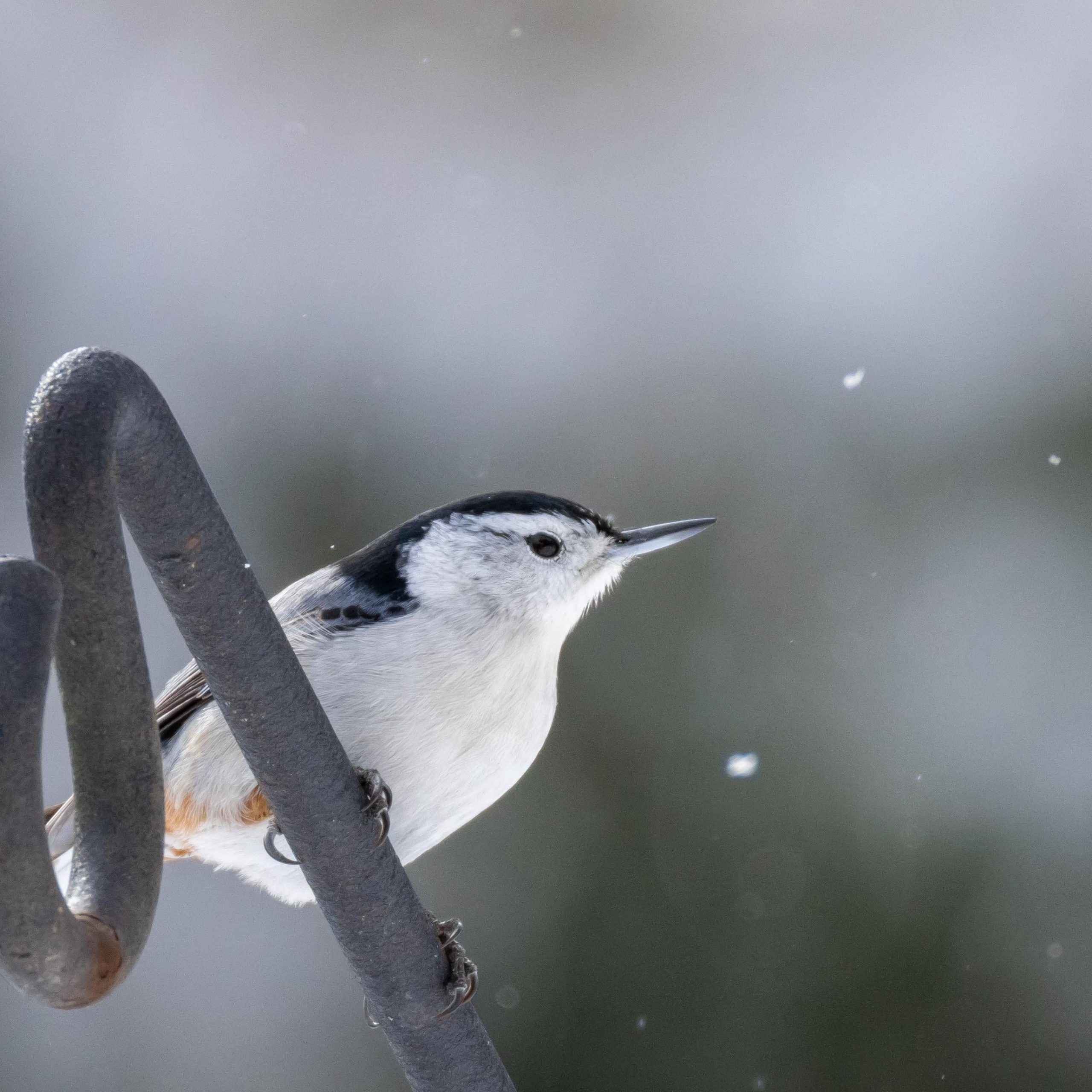
Are you passionate about capturing the breathtaking beauty of birds through your camera lens? If so, you’re not alone.
Bird photography is an art that captivates the soul, offering a glimpse into the vibrant and often hidden lives of our feathered friends. But as you prepare to embark on this exciting photographic adventure, a crucial question arises: Is a 500mm lens enough to capture those stunning avian shots you dream of?
This decision can make or break your experience in the field, impacting not only your photos but also your satisfaction and enthusiasm. We dive into the world of bird photography and explore whether a 500mm lens is your ticket to breathtaking images or if you might need something more. Stay with us, because the insights ahead could transform your photographic journey.
Why Focal Length Matters
Understanding why focal length matters is key to deciding if a 500mm lens suits your bird photography needs. Focal length directly affects how close and detailed your subject appears. It shapes your entire shooting experience, from composition to image sharpness.
Impact On Image Quality
A longer focal length like 500mm can capture stunning detail from a distance. However, image quality depends on more than just zoom power. Lens sharpness, aperture size, and camera stability all play important roles.
I’ve noticed that even with a 500mm lens, shots can lose clarity if handheld without support. Using a tripod or image stabilization often makes the difference between a crisp bird portrait and a blurry attempt.
Field Of View Considerations
Focal length determines your field of view—the amount of scene captured in the frame. A 500mm lens offers a narrow field, zooming in tightly on birds but cutting out much of the background.
This narrow view helps isolate your subject but challenges you to find the right distance. Too close, and your bird may fly away; too far, and you risk losing detail.
Ask yourself: do you want tight close-ups or more environmental context? Understanding this helps you choose the focal length that fits your style and shooting conditions.
Advantages Of 500mm Lenses
Choosing the right lens for bird photography can shape your entire experience and results. A 500mm lens often stands out as a practical choice. It offers a unique balance that many photographers appreciate, especially when capturing the fine details and behaviors of birds from a distance.
Reach And Detail
A 500mm lens lets you get close to your subject without disturbing it. This reach is crucial when photographing shy or easily startled birds. You can capture sharp details like feather texture and eye reflections that smaller lenses might miss.
Think about the times you’ve tried to photograph a bird only to have it fly away before you get a good shot. A 500mm lens reduces this risk by letting you maintain a respectful distance. It’s easier to fill the frame with your subject, making your photos more impactful and intimate.
Portability And Handling
Compared to longer focal lengths, 500mm lenses are generally lighter and easier to manage. This makes a big difference during long birding sessions where carrying heavy gear can wear you down quickly. You’ll find it easier to move around and adjust your position to follow the bird’s movements.
When I switched from a 600mm to a 500mm lens, I noticed I could hike longer distances without feeling exhausted. The lens was also quicker to set up and less cumbersome on a monopod or tripod. If you value mobility and comfort as much as image quality, 500mm lenses strike a good balance.
Limitations Of A 500mm Lens
A 500mm lens offers impressive reach for bird photography, but it’s not without its limits. Understanding these constraints can help you decide if this lens matches your style and shooting conditions. Let’s break down some key challenges you might face with a 500mm lens.
Low Light Challenges
A 500mm lens often comes with a narrower maximum aperture, like f/5.6 or smaller. This limits the amount of light hitting your camera sensor, making it tougher to shoot in dim conditions such as early mornings or cloudy days.
Have you noticed your shutter speeds dropping too low, causing blurry shots? This happens because your camera struggles to gather enough light quickly. Using higher ISO settings can help, but it also introduces more noise, reducing image clarity.
Consider whether you can add extra lighting or if your shooting schedule aligns with brighter daylight. Otherwise, capturing sharp, detailed bird photos with a 500mm lens in low light can be frustrating.
Weight And Stability Issues
500mm lenses tend to be heavy and bulky. Carrying one around all day can quickly tire your arms and shoulders, affecting your shooting endurance and concentration.
Have you tried handheld shots with a 500mm lens? If so, you know how difficult it is to keep the lens steady. Even slight movements can blur your photos, especially at such long focal lengths.
Using a sturdy tripod or monopod becomes almost mandatory with this lens. Yet, lugging extra gear reduces your mobility and spontaneity in the field. Balancing stability with convenience is a real challenge here.

Credit: digital-photography-school.com
Comparing 500mm With Other Focal Lengths
Choosing the right focal length can make or break your bird photography experience. Comparing 500mm with other focal lengths helps you understand its strengths and limitations. Let’s look at how 500mm stacks up against popular alternatives.
300mm Vs 500mm
A 300mm lens is lighter and easier to carry, which means you can move quickly and adapt to different birding environments. However, 300mm often requires you to get closer to your subject, which isn’t always possible with shy or small birds.
On the other hand, a 500mm lens gives you more reach, allowing you to capture tight shots without disturbing the bird. I once photographed a rare hawk perched far across a field; with 300mm, the bird would have been just a dot. With 500mm, the details of its feathers and eyes were sharp and clear.
But remember, 500mm lenses tend to be heavier and may need a tripod or monopod for steady shots. Consider your shooting style: do you prioritize mobility or maximum zoom?
600mm And Beyond
Going beyond 500mm, lenses like 600mm or 800mm offer incredible reach, perfect for small or distant birds. But these lenses come with trade-offs, such as higher cost, bulkiness, and often slower autofocus.
When I used a 600mm lens, I noticed the difference in detail, especially with tiny songbirds. Yet, carrying such a lens all day became tiring quickly, affecting my patience and shooting time.
Ask yourself: is the extra reach worth the added weight and expense? For many bird photographers, 500mm hits the sweet spot between image quality, usability, and price.
Techniques To Maximize 500mm Performance
Getting the best results from a 500mm lens needs some smart techniques. This focal length can capture stunning bird details, but requires careful handling. Small adjustments improve sharpness and framing.
Focus on lens accessories and steady shooting to enhance your shots. These tips help you make the most of your 500mm lens in bird photography.
Using Teleconverters
Teleconverters increase your lens’s reach without buying a new lens. A 1.4x teleconverter extends 500mm to 700mm, while a 2x doubles it to 1000mm.
They reduce light by one or two stops, so adjust exposure accordingly. Autofocus may slow or struggle in low light. Test your setup before serious shoots.
- Choose high-quality teleconverters for clear images.
- Check camera compatibility to avoid focus issues.
- Use a tripod to reduce shake with longer focal lengths.
Stabilization Tips
Long lenses magnify camera shake. Use strong support to keep images sharp. A tripod or monopod adds stability during long waits for bird action.
Image stabilization in lenses or cameras helps reduce blur. Combine this with steady breathing and slow shutter release.
- Use a tripod with a gimbal head for smooth movement.
- Engage lens or camera stabilization features.
- Use remote shutter release or timer to avoid shake.
- Brace yourself or lean on solid surfaces if no tripod is available.
Expert Opinions On 500mm For Birding
Many bird photographers debate whether a 500mm lens provides enough reach. Experts share varied views based on their shooting styles and bird species. Their insights help hobbyists understand the lens’s strengths and limits. Experienced photographers often balance lens size with portability and image quality. Understanding expert opinions gives clearer expectations for 500mm lenses in birding.
Field Experiences
Bird photographers often praise 500mm lenses for versatility in the field. Many find it sufficient for common species and medium-distance shots. It captures detailed images of birds without needing extreme zoom.
Some experts mention challenges with very small or distant birds. In these cases, 500mm may fall short for sharp close-ups. Photographers adapt by moving closer or using crop sensors to gain extra reach.
Weight and handling also influence field use. A 500mm lens is lighter and easier to carry than bigger telephoto lenses. This makes it ideal for long hikes and quick shots in changing conditions.
Recommended Gear Combinations
- Pairing a 500mm lens with a camera that has a crop sensor increases effective focal length.
- Using teleconverters can boost reach but may reduce image sharpness slightly.
- A sturdy tripod or monopod helps steady shots for better clarity at 500mm.
- Fast autofocus cameras improve tracking speed for moving birds.
- Lens hoods reduce glare, improving image contrast during bright daylight.
Alternatives To 500mm Lenses
If you’re considering whether a 500mm lens is the best choice for bird photography, it helps to look at other lens options that might suit your style and budget better. Alternatives can offer more flexibility, lighter weight, or even sharper images depending on your needs. Let’s break down some popular choices so you can decide what fits your birding adventures.
Zoom Vs Prime Lenses
Prime lenses have a fixed focal length, like 500mm, which often means better image quality and faster apertures. But they can limit your framing since you need to physically move to get the right shot. This is tricky when birds are unpredictable or far away.
Zoom lenses, on the other hand, cover a range of focal lengths, such as 100-500mm. This gives you the freedom to adjust quickly without changing lenses or moving much. However, zooms may be heavier and sometimes don’t deliver the same sharpness as primes.
Think about your typical shooting conditions: Do you often find yourself needing to zoom in or out quickly? If yes, a zoom lens might save you missed moments. I once missed a rare bird because I was stuck with a prime lens and couldn’t adjust fast enough.
Mirror And Telephoto Lens Options
Mirror lenses are a budget-friendly alternative that offer long focal lengths in a compact, lightweight design. They use a catadioptric system with mirrors instead of traditional glass elements. The downside? They produce donut-shaped bokeh that might not appeal to everyone.
Telephoto lenses, such as 300mm or 400mm with teleconverters, can extend your reach without investing in a full 500mm prime. Using a 400mm lens with a 1.4x teleconverter gives you 560mm, which is enough to capture distant birds clearly.
These combinations often come at a lower price and weight than a dedicated 500mm prime. Are you willing to trade some image quality for portability and versatility? Many bird photographers find teleconverters a practical way to expand their gear without breaking the bank.
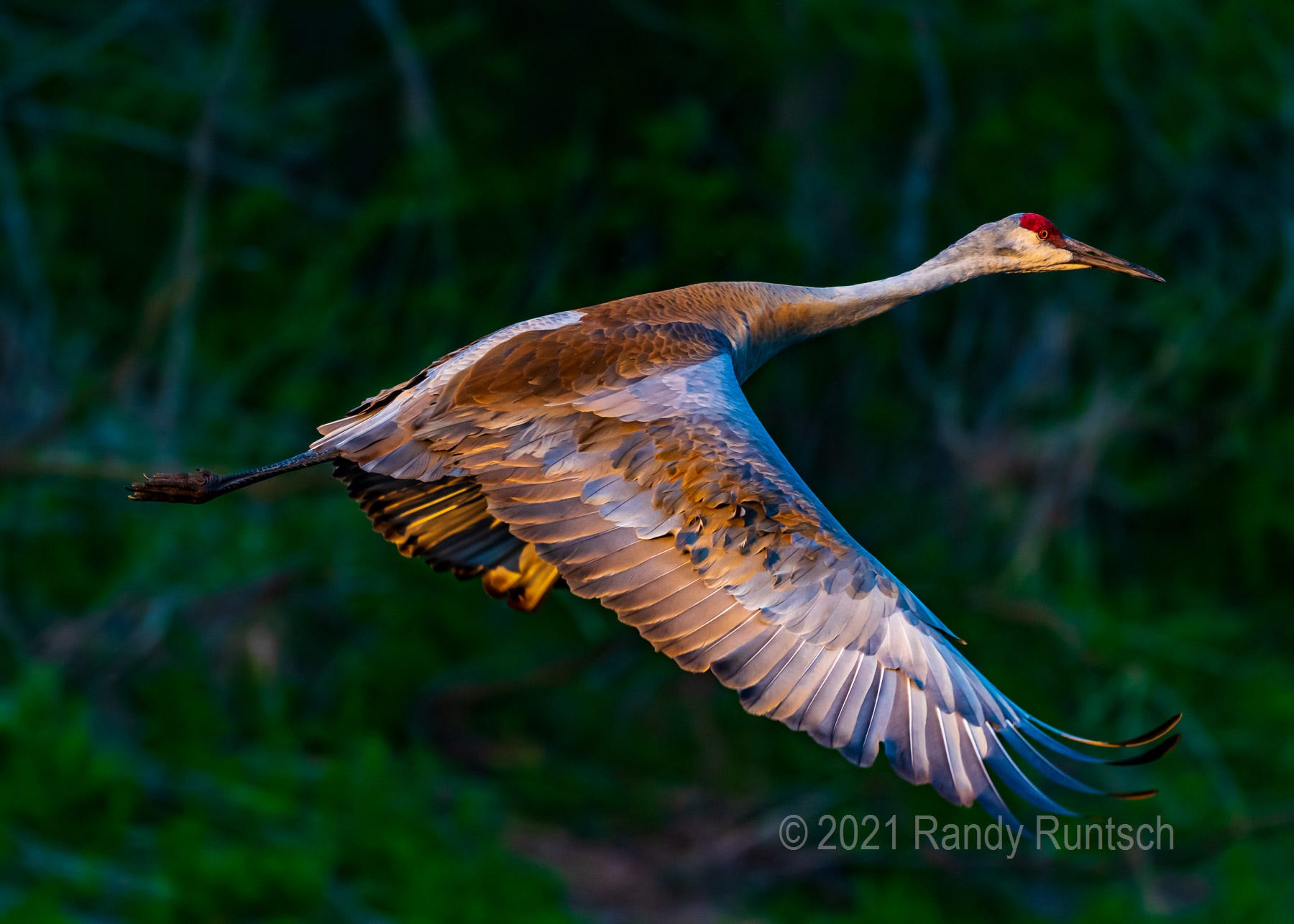
Credit: medium.com
Budget Considerations
Budget plays a crucial role in choosing a 500mm lens for bird photography. It affects the lens quality, features, and overall performance. Understanding costs helps set realistic expectations. It guides you to find a lens that fits your needs without overspending.
Many photographers balance price with what a lens offers. Expensive lenses usually deliver better sharpness and faster focus. Cheaper lenses might lack some features but still capture great bird photos. Deciding on budget helps narrow down choices and find the best value.
Cost Vs Performance
Higher cost often means better lens build and image quality. Pro lenses have advanced coatings and faster autofocus. They handle low light and fast birds better. These lenses last longer and offer sharper images.
Budget lenses may have slower autofocus and less sharpness. Still, they can work well for beginners or casual bird watchers. Many affordable lenses produce clear, detailed shots in good light.
Think about how often you will use the lens. Heavy use may justify spending more. Occasional use might not need top-end gear. Balance your budget with your photography goals.
Affordable 500mm Options
- Manual focus lenses are cheaper but need patience and practice.
- Third-party brands like Tamron and Sigma offer good value lenses.
- Used or refurbished lenses can save money while providing quality.
- Teleconverters can increase reach but may reduce image quality.
Affordable lenses often have simpler features. Yet, they let you explore bird photography without a large investment. Many bird photographers start with budget options and upgrade later.

Credit: digital-photography-school.com
Frequently Asked Questions
Is 500mm Lens Good For Bird Photography?
A 500mm lens is excellent for bird photography. It provides enough zoom to capture distant birds with sharp detail. This focal length balances reach and portability, making it ideal for most birdwatchers and photographers.
Can 500mm Lens Capture Small Birds Effectively?
Yes, a 500mm lens can capture small birds effectively. It allows close-up shots without disturbing the wildlife. However, getting closer or using a higher resolution camera may help improve details for very small or distant birds.
Is 500mm Enough For Photographing Flying Birds?
A 500mm lens is generally sufficient for flying birds. It offers good reach and fast autofocus for sharp images. Still, shooting fast-moving birds requires skill and a camera with quick tracking capabilities.
Should I Use A Tripod With A 500mm Lens?
Using a tripod with a 500mm lens is highly recommended. It stabilizes the lens, reduces camera shake, and improves image sharpness. This is especially useful during long birdwatching sessions or in low light conditions.
Conclusion
A 500mm lens offers good reach for many bird photos. It helps capture details from a fair distance. Yet, some birds stay too far or move too fast. In those cases, longer lenses might help. But a 500mm can suit beginners and casual shooters well.
It balances size, weight, and zoom power. Practice and patience matter most in bird photography. Use what you have and enjoy the process. Great bird shots come with time and effort. So, a 500mm can be enough for many situations.