
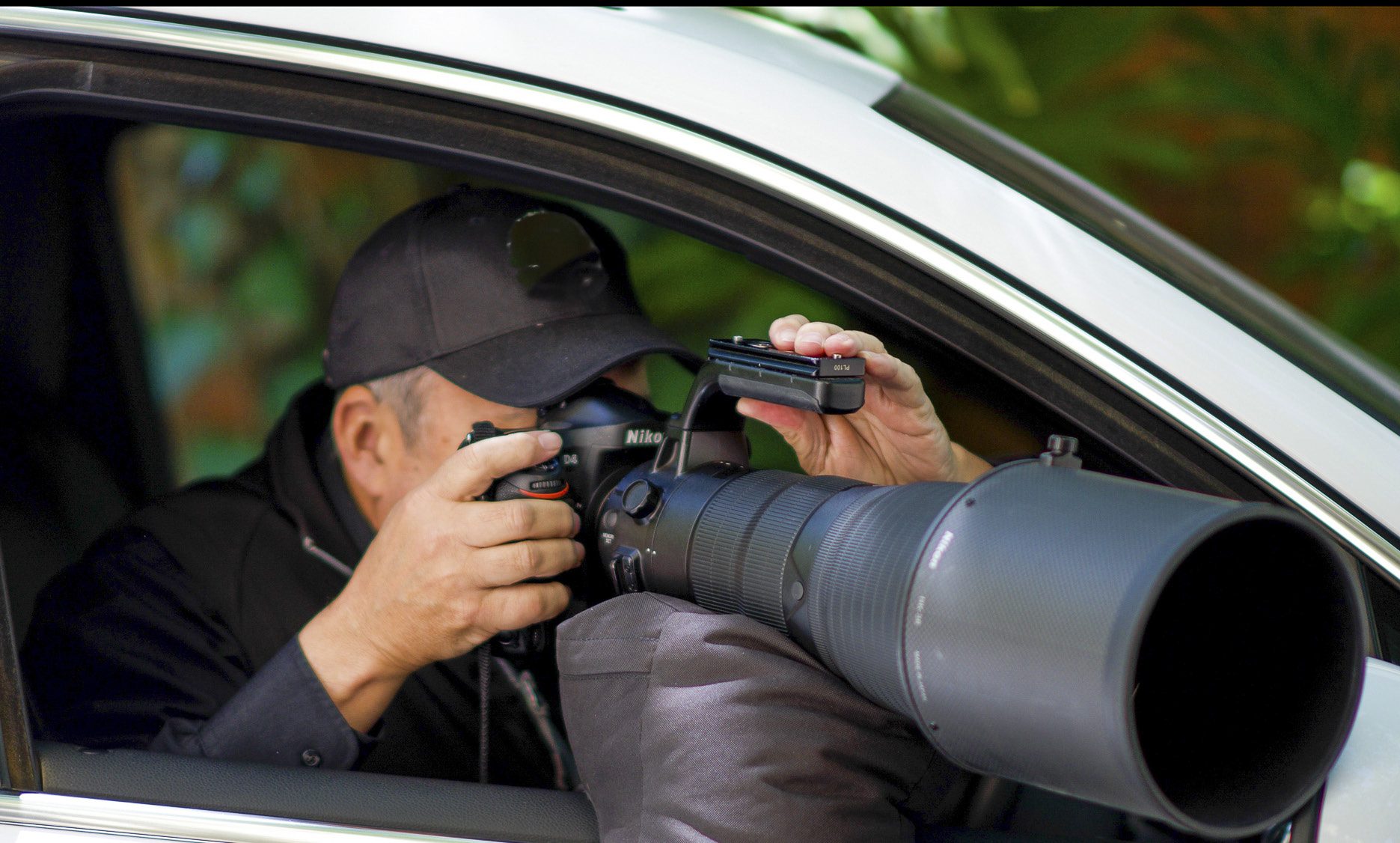
Are you passionate about bird photography and eager to capture those perfect, awe-inspiring shots of your feathered friends? You might have the right camera, but without the best lens, your photos may not live up to their full potential.
Choosing the right lens can make a world of difference, turning your images from ordinary to breathtaking. In this guide, we’ll uncover the secrets to selecting the best camera lens for bird photography, ensuring your photos are as stunning as the subjects themselves.
Stay with us to discover how the right lens can transform your bird photography game and take you one step closer to capturing those dream shots.
Credit: suryatara.com
Choosing The Right Lens
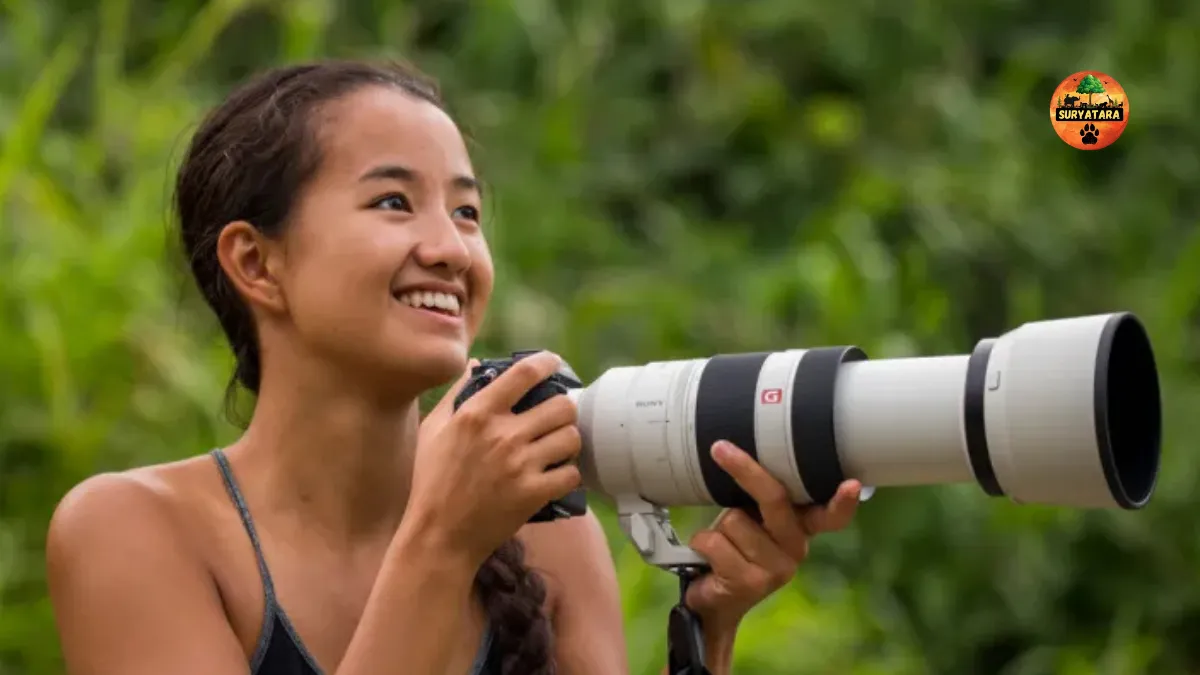
Choosing the right lens is key for bird photography. It affects image quality and your ability to capture sharp details. Birds often appear small and far away. A suitable lens brings them closer without disturbing their natural behavior. Understanding lens features helps make the best choice for your needs.
Focal Length Basics
Focal length controls how close or far your subject looks. Longer focal lengths bring birds nearer. Most bird photographers use lenses from 300mm to 600mm. A lens with 400mm focal length is common. It offers a good balance between reach and weight. Shorter focal lengths capture more background but reduce subject size.
Prime Vs Zoom Lenses
Prime lenses have one fixed focal length. They often give sharper images and wider apertures. Zoom lenses cover a range of focal lengths. They offer flexibility to quickly change composition. Zooms are useful when birds move fast or vary in distance. Primes are lighter and simpler but less versatile in the field.
Lens Aperture And Light
Aperture size controls how much light enters the lens. Larger apertures (smaller f-numbers) work better in low light. They also create a blurred background, making birds stand out. Fast lenses with apertures like f/2.8 or f/4 help freeze motion. This is important for sharp bird photos. Smaller apertures increase depth of field but need more light or slower shutter speeds.
Credit: amateurphotographer.com
Top Lens Types For Birds
Choosing the right lens is crucial for capturing stunning bird photos. Different lenses offer unique advantages depending on your shooting style and the type of birds you want to photograph. Understanding the top lens types can help you decide what fits your needs best and how to get closer to your feathered subjects without disturbing them.
Telephoto Lenses
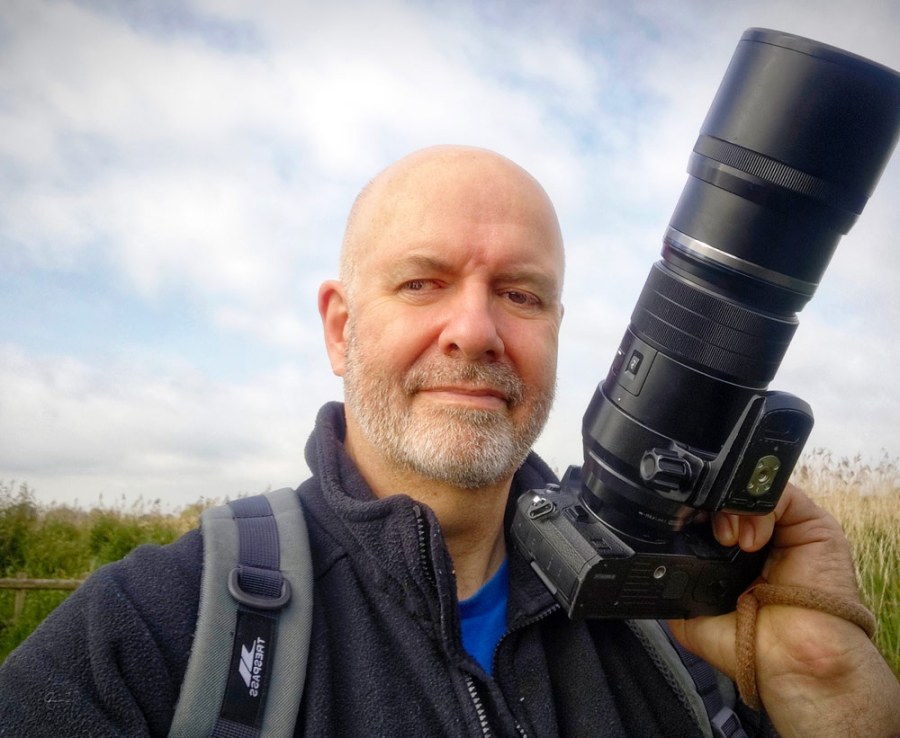
Telephoto lenses are the go-to for many bird photographers. They typically range from 200mm to 400mm, providing enough zoom to capture birds at a distance while maintaining good image quality.
These lenses are versatile and often lighter than super telephoto options, making them easier to carry during long birdwatching trips. If you’ve ever struggled to get close enough to a shy bird, a telephoto lens might be the perfect tool to bring the scene closer without scaring your subject away.
Super Telephoto Lenses
Super telephoto lenses go beyond 400mm and offer extreme zoom capabilities. They let you photograph birds that are far away or in hard-to-reach places, such as high in trees or across a lake.
While these lenses can be heavy and expensive, their ability to isolate birds in sharp detail is unmatched. Have you noticed how some bird photos capture every feather and eye detail? That’s often the work of a super telephoto lens, giving you a chance to tell a powerful story with your images.
Macro Lenses
Macro lenses aren’t the first choice for bird photography, but they shine when you want to capture intricate details. Think about close-ups of a bird’s feathers, eyes, or beak textures.
These lenses allow you to focus extremely close, revealing details that often go unnoticed. If you enjoy exploring the tiny wonders of birds up close, a macro lens can add a new dimension to your photography, turning everyday bird shots into extraordinary portraits.
Lens Features To Consider
Choosing the best lens for bird photography means focusing on key features. These features affect the quality of your photos and ease of use in the field. Understanding them helps pick a lens that fits your style and needs.
Image Stabilization
Image stabilization reduces blur from camera shake. It helps capture sharp photos, especially with long lenses. This feature is useful when shooting handheld or in low light. It lets you use slower shutter speeds without losing detail.
Autofocus Speed
Fast autofocus is crucial for bird photography. Birds move quickly and unpredictably. A lens with quick and accurate autofocus locks onto subjects easily. This keeps your shots clear and in focus during fast action.
Weight And Portability
Bird photographers often carry gear for long hours. A lighter lens eases fatigue and improves mobility. Compact lenses are easier to handle and transport. Balance weight with lens performance for the best experience.
Best Lenses For Different Budgets
Choosing the right lens for bird photography depends on your budget. Quality lenses come at various price points. Each offers unique benefits for capturing birds in action. Understanding options helps pick a lens that fits your needs and wallet.
Entry-level Options
Entry-level lenses suit beginners or casual photographers. They offer decent zoom and sharpness. These lenses are lightweight and easy to carry. Ideal for backyard birdwatching or short trips.
- Affordable telephoto zoom lenses with 70-300mm range
- Good autofocus for moving birds
- Decent image stabilization
Mid-range Choices
Mid-range lenses deliver better image quality and speed. They have wider apertures for sharper, clearer shots. These lenses handle low light well. Perfect for birders wanting more detail and reach.
- Telephoto zoom lenses with 100-400mm or 150-600mm range
- Improved autofocus and image stabilization
- Durable build for outdoor use
Professional Grade Lenses
Professional lenses offer top image quality and fastest focus. They capture distant birds with excellent clarity. Built to endure tough weather and long hours. Best for serious photographers and birding pros.
- Prime lenses with fixed focal lengths of 400mm or 600mm
- Wide apertures like f/2.8 or f/4 for sharpness
- Advanced image stabilization and weather sealing
Tips For Using Bird Photography Lenses
Using the right lens for bird photography is just the beginning. How you use that lens can make a huge difference in the quality of your shots. Paying attention to settings, handling, and the right accessories will help you capture sharp, vibrant images that tell a story.
Optimal Settings
Choosing the right settings on your camera is crucial. Use a fast shutter speed to freeze the motion of birds in flight—typically 1/1000 second or faster works well. Adjust your aperture to around f/5.6 to f/8 for a good balance between sharpness and background blur.
Don’t forget ISO; keep it low to reduce noise but increase it if light is limited. Autofocus mode should be set to continuous (AI Servo or AF-C), so your camera tracks moving birds effectively. Have you experimented with back-button focus? It can improve your control over focusing speed and accuracy.
Handling And Care
Bird photography lenses are often large and heavy, so good handling is key. Use a sturdy tripod or monopod to stabilize your shots and reduce fatigue during long sessions. Always support the lens by its barrel, not just the camera body, to avoid damage.
Protect your lens from dust and moisture by carrying it in a padded camera bag with lens caps on. Cleaning your lens regularly with a microfiber cloth keeps your images sharp. Have you noticed how a small smudge can blur the fine details of feathers?
Lens Accessories
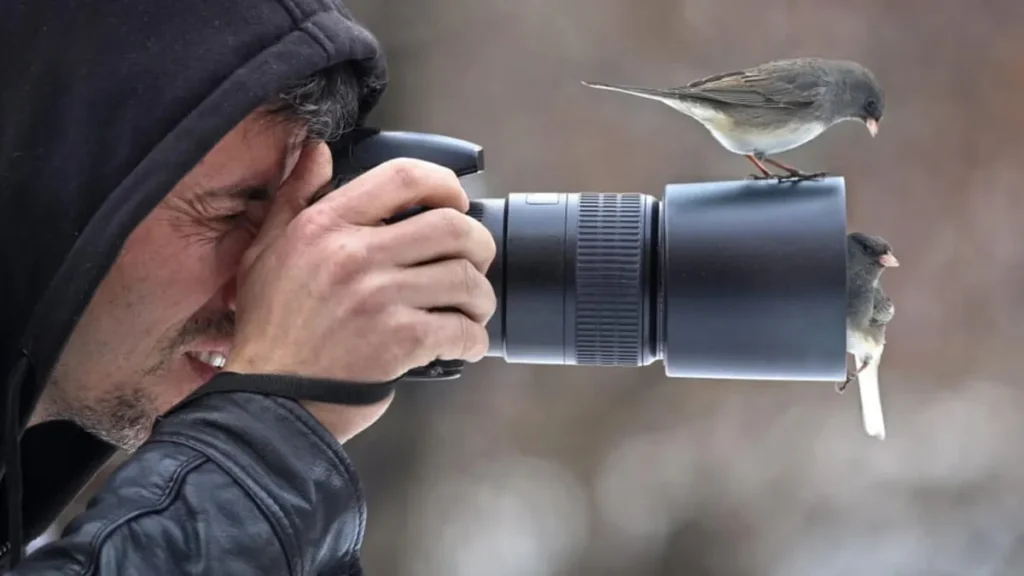
Certain accessories can enhance your bird photography experience. A teleconverter can extend your lens’s focal length, letting you get closer without disturbing the birds. However, be mindful of the trade-off in image quality and brightness.
Consider using lens hoods to prevent glare and lens flares, especially when shooting in bright sunlight. A remote shutter release reduces camera shake, helping you capture those split-second moments crisply. Which accessory has made the biggest difference in your bird photography so far?
Credit: suryatara.com
Frequently Asked Questions
What Focal Length Is Best For Bird Photography?
A focal length between 300mm and 600mm is ideal. It allows close-up shots without disturbing birds. Longer lenses help capture fine details from a distance.
Which Lens Aperture Suits Bird Photography Best?
A wide aperture like f/4 or f/5. 6 works well. It lets in more light for faster shutter speeds. This helps freeze bird movements clearly.
Should I Use A Zoom Or Prime Lens?
Both have benefits. Zoom lenses offer flexibility in framing. Prime lenses often provide sharper images and wider apertures. Choose based on your shooting style and budget.
Is Image Stabilization Important For Bird Lenses?
Yes, image stabilization reduces camera shake. It is crucial for handheld shots at long focal lengths. This feature improves sharpness in low light or windy conditions.
Conclusion
Choosing the best camera lens for bird photography depends on your needs. A good lens helps capture sharp, clear images of birds. Telephoto lenses are popular for their zoom and detail. Lightweight lenses make it easier to carry during long shoots.
Remember to consider your budget and camera type too. Practice with different lenses to find what suits you best. Enjoy capturing the beauty of birds in their natural habitat. Keep learning and improving your photography skills every day.