
Have you ever stopped to watch a bird and wondered what its actions really mean? Birds do much more than just fly and sing—they show fascinating behaviors that reveal how they survive, communicate, and interact with the world around them.
Understanding these behaviors can change the way you see birds and make your next encounter with them much more exciting. If you’re curious about what makes birds so unique, keep reading to discover some surprising and amazing animal behaviors that birds exhibit every day.
Credit: animal-pedia.org
Mating Rituals
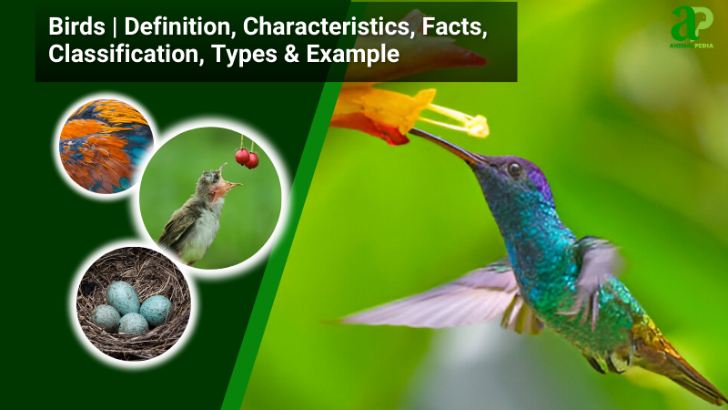
Birds display many mating behaviors like singing, dancing, and showing bright feathers to attract partners. These actions help them find and choose mates in nature. Some birds build nests or bring gifts to impress their potential partners.
The world of avian mating rituals is a fascinating tapestry of behaviors that reveal much about the intelligence and adaptability of birds. From elaborate dances to intricate nest construction, these rituals are more than just a means to an end. They are a testament to the creativity and resourcefulness of our feathered friends. Understanding these behaviors can deepen our appreciation for the natural world and perhaps even teach us a thing or two about relationships.Courtship Displays
Birds often engage in elaborate courtship displays to attract a mate. These performances can involve a range of activities, such as dancing, puffing up feathers, or showcasing vibrant plumage. The peacock, with its stunning tail feathers, is a classic example. But have you ever wondered what these displays say about the bird? They often indicate the health and genetic quality of the performer. Observing these displays can offer insights into the priorities of different bird species and what they value in a partner.Nest Building
Nest building is not just a practical necessity; it’s also part of the mating ritual. Birds like the male bowerbird construct elaborate structures to attract females. These nests are often decorated with colorful objects, showcasing the builder’s creativity and resourcefulness. Have you ever watched a bird gather materials for its nest? It’s a remarkable process that demonstrates not only skill but also a deep commitment to future offspring. Such behaviors emphasize the importance of a safe and nurturing environment for raising young.Song And Calls
The songs and calls of birds are integral to their mating rituals. Each species has its own unique melody or call pattern, often used to attract a mate or ward off rivals. Think about the sweet morning chorus of songbirds—it’s more than just pleasant background noise. These vocalizations can be complex and are sometimes learned behaviors passed down through generations. Paying attention to these songs can enrich your bird-watching experience, offering a glimpse into the communication skills and social structures of different species. What do you hear when you listen closely? It’s not just noise; it’s a symphony of survival and connection.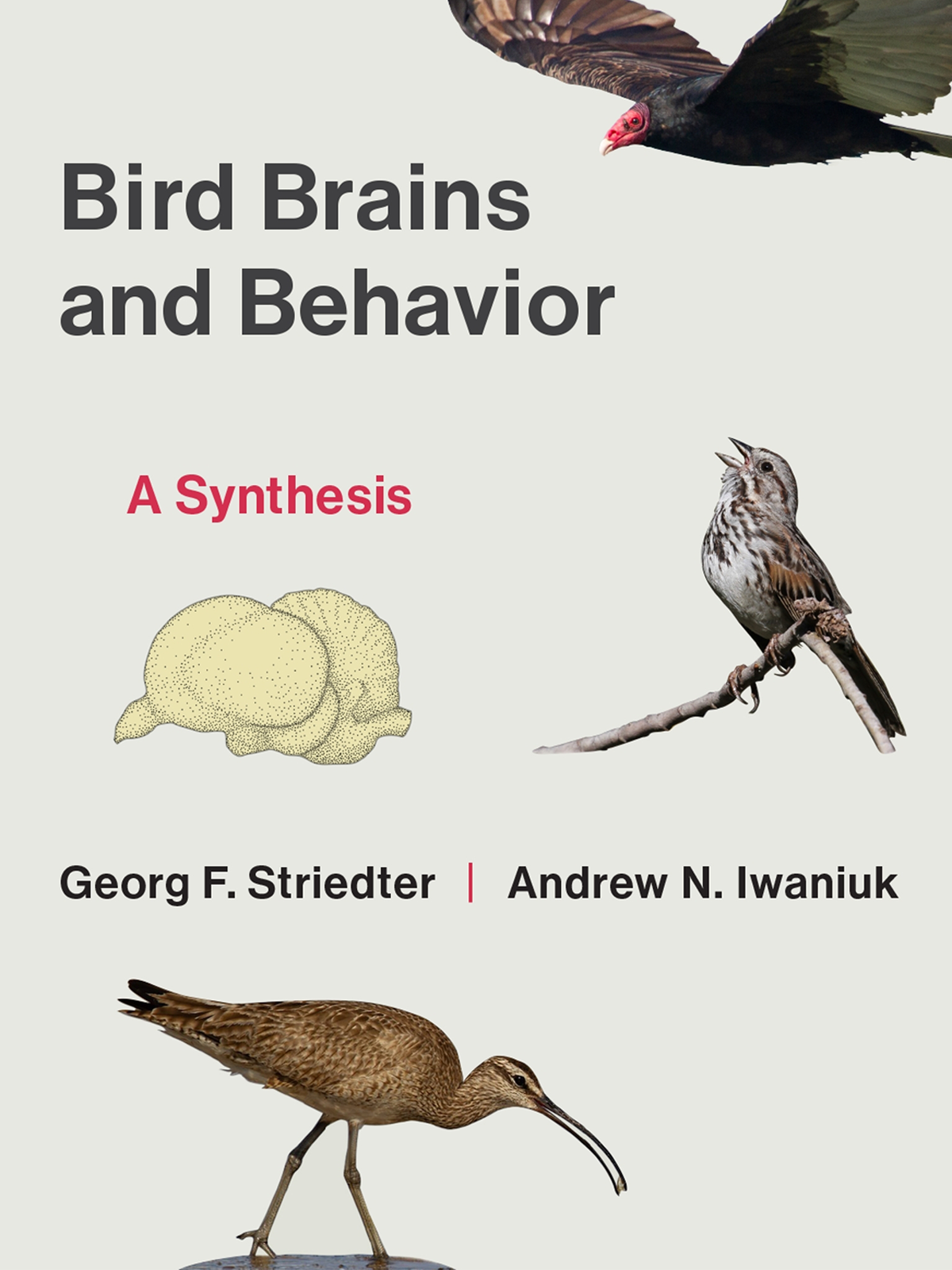
Credit: www.thetransmitter.org
Feeding Habits
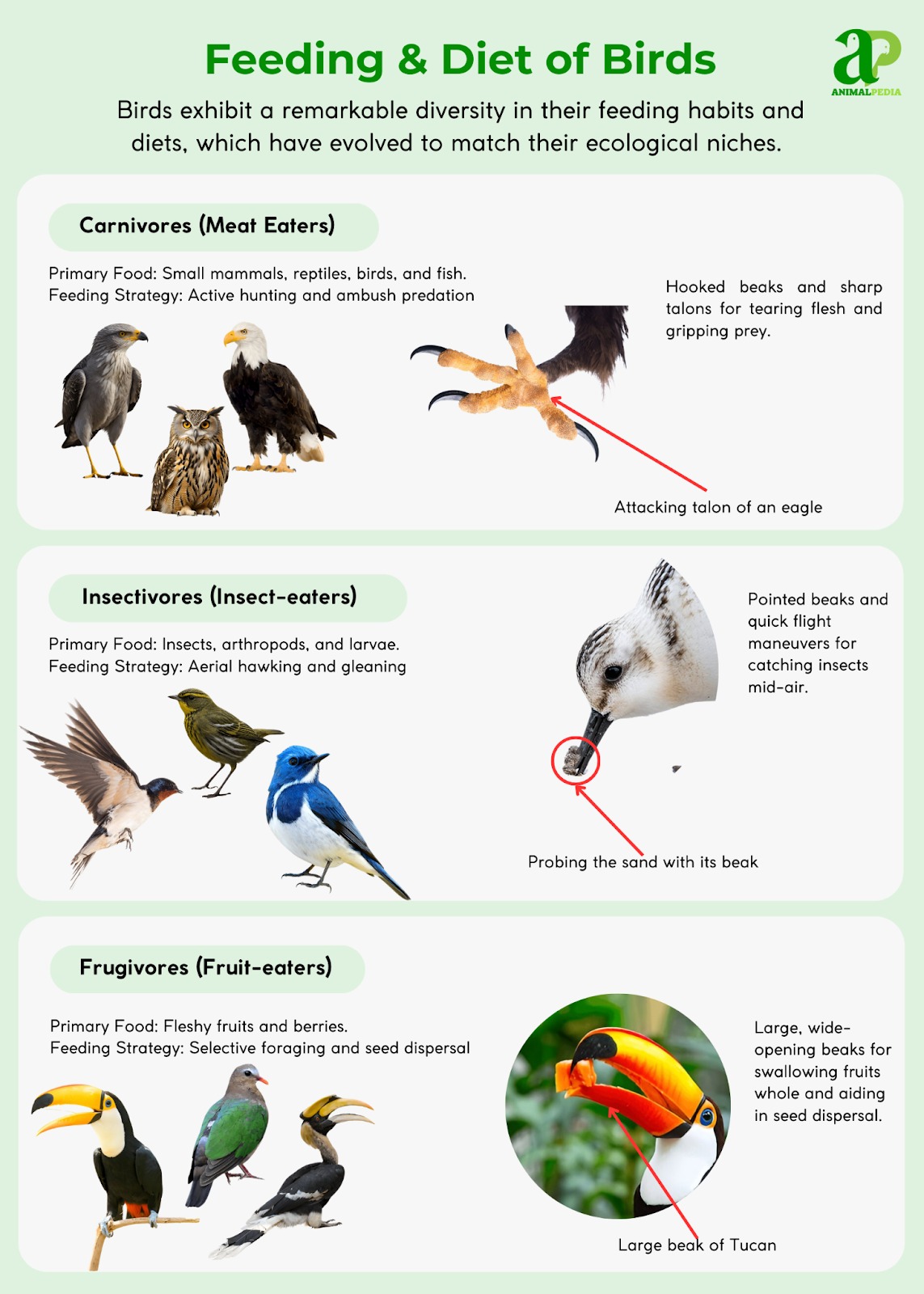
Birds display a wide range of feeding habits that help them survive in different environments. Their feeding behaviors vary by species and food availability. These habits include how they find food, store it, and even use tools to access hard-to-reach meals.
Foraging Techniques
Birds use many ways to find food. Some search on the ground for seeds or insects. Others catch insects in the air with quick, sharp movements. Water birds often dive or skim the surface to catch fish. Some species follow other animals to catch disturbed prey. Each technique helps birds get the best food in their area.
Food Storage
Certain birds store food to eat later during scarce times. They hide seeds, nuts, or insects in safe spots. Jays and woodpeckers are famous for this behavior. They remember many hiding places and return when needed. This habit helps them survive cold winters or dry seasons.
Tool Use
Some birds use tools to get food more easily. Crows and ravens are smart tool users. They may use sticks to reach insects inside tree bark. Some birds drop hard nuts on rocks to crack them open. Tool use shows high intelligence and helps birds access food others cannot.
Migration Patterns
Bird migration is one of nature’s most fascinating behaviors. It involves long journeys across continents that many birds undertake annually. Understanding migration patterns reveals how birds survive changing seasons and find the best habitats.
Navigation Methods
Birds use a variety of ways to find their migration routes. Some rely on the sun’s position during the day and stars at night. Others sense the Earth’s magnetic field like a built-in compass.
Visual landmarks also guide birds, especially during the day. You might wonder how a tiny bird remembers thousands of miles of terrain. It’s a mix of instinct and learning from previous trips.
Seasonal Movements
Birds move to different regions based on seasons to find food and suitable climates. Many species fly south in winter to avoid harsh cold and return north in spring to breed. This cycle helps them survive and raise their young in optimal conditions.
Not all migrations are long-distance. Some birds travel just a few hundred miles. How far a bird flies often depends on its species and habitat needs.
Stopover Behavior
During migration, birds often pause at stopover sites to rest and refuel. These stops are crucial for their survival, giving them a chance to eat and regain energy. You might have seen flocks gathering at wetlands or forests during migration seasons.
Choosing the right stopover spot can mean the difference between success and failure on their journey. Have you ever thought about how these resting points shape migration routes year after year?
Communication Styles
Birds communicate in fascinating ways that go beyond just singing. Their communication styles include a mix of sounds, colors, and movements that help them connect with each other. Understanding these styles can give you a new appreciation for how birds interact in their daily lives.
Vocalizations
Birds use vocal sounds to express themselves clearly and quickly. Each call or song can mean something different—warning of danger, attracting a mate, or marking territory.
Have you ever noticed how a robin’s song changes during breeding season? This shows how birds adapt their vocalizations based on their needs.
Listening closely to bird calls can reveal details about their mood and intentions. Try paying attention next time you hear birds chirping around you.
Visual Signals
Birds often rely on bright colors and physical displays to communicate visually. Some birds puff up their feathers to appear larger when threatened or to impress others.
Peacocks are famous for their vibrant tail feathers, which they fan out to attract mates. This visual signal is a clear message of strength and health.
Even subtle changes in feather position or color can send important signals. What colors catch your eye when watching birds at a feeder?
Body Language
Body movements and postures play a key role in bird communication. A tilt of the head, a wing flap, or a specific stance can show curiosity, aggression, or submission.
Watching birds interact during feeding times can help you spot these body language cues. It’s like reading a silent conversation.
Have you ever seen a bird lower its body and flatten its feathers? This often means it feels threatened or is trying to avoid conflict.
Social Structures
Birds exhibit a variety of social structures that shape how they interact with each other and their environment. These behaviors influence their survival, reproduction, and daily activities. Understanding these social patterns can deepen your appreciation for the complexity of bird life.
Flocking Behavior
Flocking is a common social behavior where birds gather in groups. This behavior offers safety in numbers, making it harder for predators to target a single bird. Have you ever noticed how starlings create mesmerizing shapes in the sky? That’s a perfect example of coordinated flocking.
Flocks also improve foraging efficiency. Birds can share information about food sources, helping the group find meals faster. Next time you see a flock, think about the teamwork happening within it.
Territoriality
Many birds defend specific areas called territories to secure resources like food and nesting sites. They use songs, displays, and sometimes aggressive behavior to keep intruders away. You might hear a robin’s morning song marking its territory near your home.
Territorial behavior ensures that birds have enough resources to raise their young successfully. If you observe closely, you’ll see how some species fiercely guard their space while others are more tolerant.
Cooperative Breeding
In some bird species, individuals help raise offspring that are not their own. This cooperative breeding often involves relatives working together to feed and protect the young. It challenges the idea that animals only care for their direct descendants.
Seeing cooperative breeding in action can change how you think about animal communities. It shows a level of social support and teamwork that benefits the entire group.
Defense Mechanisms
Birds have evolved clever defense mechanisms to protect themselves from predators and other threats. These behaviors are not just fascinating to observe but also teach us valuable lessons about survival and adaptation. Understanding these tactics can change the way you watch birds in the wild and even inspire you to think differently about handling challenges in your own life.
Camouflage
Many birds use camouflage to blend into their surroundings, making it hard for predators to spot them. Their feathers often match the colors and patterns of their environment, like bark, leaves, or snow. Have you ever noticed how a nightjar’s mottled plumage disappears against a forest floor? This natural disguise helps them stay safe without having to move.
Alarm Calls
Birds often use alarm calls to warn others about nearby danger. These calls vary from sharp whistles to harsh caws, depending on the species and threat. When you hear a sudden burst of noise from a group of birds, it’s likely their way of alerting each other—and you—to stay cautious.
Mobbing Predators
Some birds take defense a step further by banding together to mob a predator. They dive, peck, and make loud noises to drive the intruder away. Imagine seeing a group of small songbirds attacking a much larger hawk—this teamwork shows how strength lies in numbers. What would happen if you faced a challenge like that? Would you stand alone or gather support?
Parental Care
Parental care in birds is a remarkable display of dedication and survival strategy. It goes beyond just laying eggs; it involves a series of attentive behaviors that ensure the young thrive. Watching a bird tend to its offspring can teach you a lot about patience and persistence in nature.
Incubation
Incubation is the critical first step where one or both parents keep the eggs warm until they hatch. Birds often sit closely, using their body heat to maintain the right temperature. Some species, like penguins, endure harsh conditions, balancing eggs on their feet for weeks.
Have you noticed how some birds rotate their eggs gently? This prevents the embryo from sticking to the shell and helps develop evenly. It’s a careful, constant process that demands consistent attention.
Feeding Chicks
Once the eggs hatch, feeding becomes the primary focus. Parent birds bring food directly to their chicks, sometimes regurgitating it to make it easier to digest. This continuous feeding can last for weeks, depending on the species.
Birds like swallows and robins show incredible effort flying back and forth repeatedly to gather insects or worms. This dedication ensures the chicks get the nutrients they need to grow strong and healthy.
Teaching Survival Skills
Feeding alone isn’t enough; many birds actively teach their young how to survive. This can include showing them how to find food or recognize predators. For example, crows demonstrate problem-solving skills to their fledglings.
Have you ever wondered how young birds learn to fly? Parents often encourage practice flights and provide encouragement from nearby branches. This hands-on teaching is vital for the chicks to gain independence.
Credit: animal-pedia.org
Frequently Asked Questions
What Are Common Social Behaviors Of Birds?
Birds often flock together for protection and communication. They engage in grooming, vocalizing, and cooperative feeding. Social behavior enhances survival and bonding among species.
How Do Birds Communicate With Each Other?
Birds use songs, calls, and body language to communicate. These signals convey territory, mating readiness, and warnings. Communication is vital for coordination and social interaction.
Why Do Birds Exhibit Mating Dances?
Mating dances attract partners and display fitness. These behaviors help ensure successful reproduction by showcasing strength and health. Dance rituals vary widely among bird species.
What Is Bird Migration Behavior?
Migration involves seasonal travel to exploit resources and favorable climates. Birds navigate using the sun, stars, and Earth’s magnetic field. Migration ensures access to food and breeding sites.
Conclusion
Birds show many interesting behaviors every day. They sing to communicate and attract mates. Some birds build nests with care and skill. Others migrate to find food and better weather. Watching these behaviors helps us understand birds better. It also shows how smart and adaptable they are.
Nature’s little wonders, birds teach us patience and beauty. Keep observing, and you might discover more amazing bird actions.