
Have you ever wondered what the colorful birds visiting your backyard like to eat? Knowing what backyard bird species feed on can help you create the perfect environment to attract them.
Whether you want to enjoy their cheerful songs or simply observe their beauty, understanding their favorite foods is key. You’ll discover simple tips and insights that can turn your yard into a bird paradise. Ready to learn what treats will make your feathered friends keep coming back?
Keep reading!
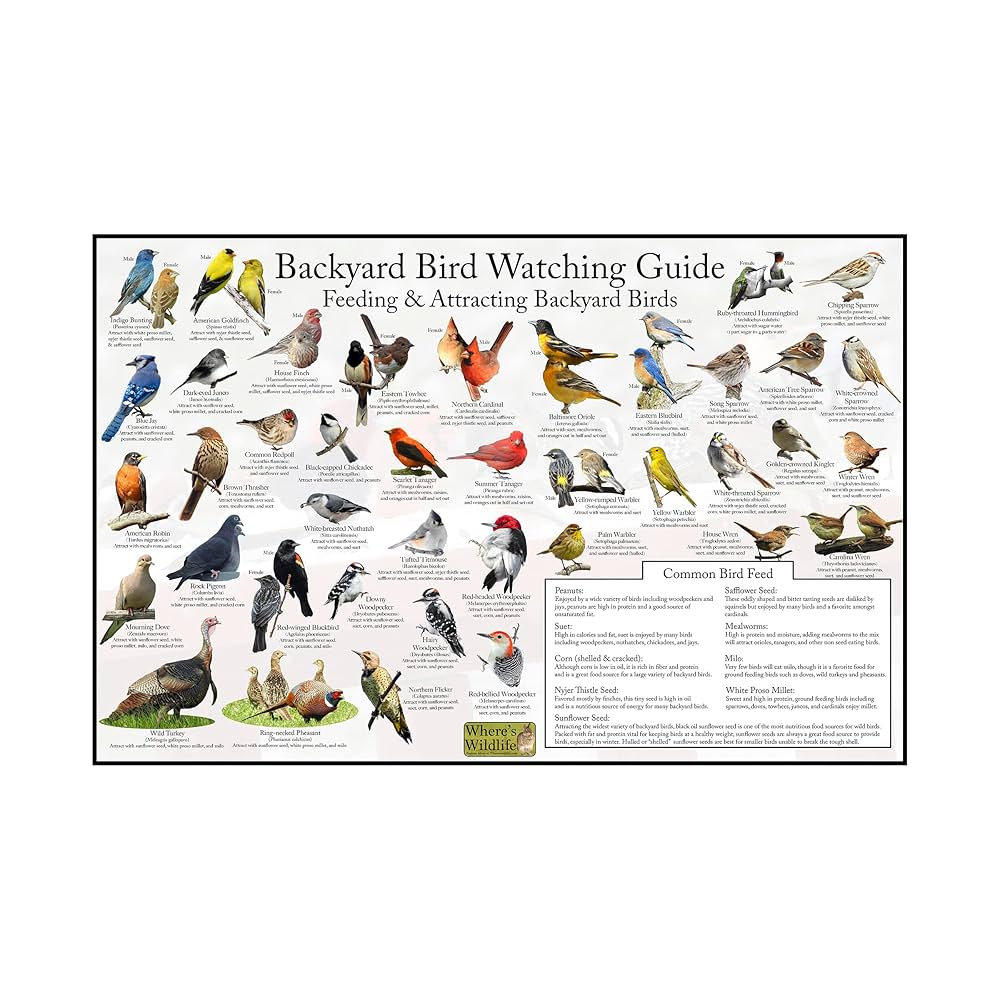
Credit: www.amazon.com
Common Backyard Birds
Common backyard birds brighten your outdoor space with their colors and songs. Understanding what they eat helps you attract and support them better. Let’s look at some popular species you might see and what they prefer to feed on.
Sparrows
Sparrows are small and social birds often found hopping around your garden. They mainly eat seeds like millet and cracked corn. You might notice them pecking at crumbs or insects, especially during nesting season when they need extra protein.
Have you ever seen sparrows quickly gather around spilled birdseed? That’s because they prefer easy, small seeds and will flock to feeders that offer these. Adding a simple seed mix to your feeder can bring sparrows right to your backyard.
Finches
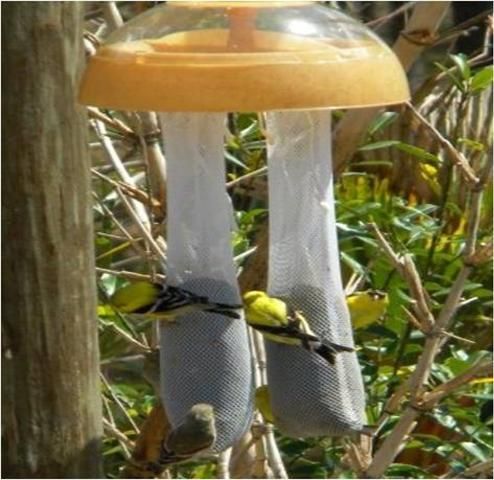
Finches love seeds rich in oil, such as sunflower and nyjer seeds. Their slender beaks are perfect for extracting small seeds from feeders or plants. You might spot them hanging upside down to reach seeds, showing their agility and determination.
If you want to attract finches, try offering black oil sunflower seeds or planting thistle flowers nearby. These birds are also fond of fruits and occasionally sip nectar, so adding a fruit feeder could surprise you with more visitors.
Blue Jays
Blue Jays are bold and intelligent birds with a varied diet. They enjoy peanuts, acorns, and a range of seeds, but they also eat insects and small fruits. Their strong beaks allow them to crack open nuts, making peanuts a great choice for your feeder.
Have you noticed Blue Jays caching food? They hide nuts and seeds to eat later, which helps spread trees in your neighborhood. Providing a mix of nuts and seeds encourages their natural behavior and keeps them coming back.
Cardinals
Cardinals are striking red birds that prefer sunflower seeds, safflower seeds, and cracked corn. They often feed on the ground or at feeders with a perch. Cardinals also enjoy fruits like berries, adding variety to their diet.
Many people find joy watching cardinals visit year-round. You can attract them by placing feeders in quiet, sheltered spots and offering their favorite seeds. Have you tried adding fresh berries or chopped fruits to see if cardinals visit more often?

Credit: www.reddit.com
Natural Food Sources
Backyard birds depend on natural food sources for their survival and energy. These foods come from the plants and animals around them. Each bird species prefers different types of food. Understanding these natural foods helps create a bird-friendly garden.
Seeds And Grains
Many birds eat seeds and grains as a main food source. Sunflower seeds, millet, and cracked corn are favorites. Birds like finches, sparrows, and doves often feed on these. Seeds provide essential fats and proteins for birds. You can find seeds in wild plants or feed them at feeders.
Insects And Worms
Insects and worms are rich in protein. Birds such as robins, bluebirds, and warblers hunt for these. Caterpillars, beetles, ants, and earthworms are common choices. Insects are especially important during breeding season. They help young birds grow strong and healthy.
Fruits And Berries
Many birds enjoy eating fruits and berries. Thrushes, waxwings, and tanagers love juicy berries. Common fruits include berries from elderberry, dogwood, and holly plants. Fruits give birds energy and vitamins. Planting fruit-bearing bushes attracts more birds.
Nectar And Sap
Nectar and sap are vital for some bird species. Hummingbirds rely on nectar from flowers. Woodpeckers and sapsuckers feed on tree sap. These sweet liquids provide quick energy. Bright flowers and healthy trees support nectar and sap feeders.
Commercial Bird Feed Options
Offering commercial bird feed in your backyard can attract a variety of bird species, each with unique dietary preferences. Choosing the right type of feed helps support their nutritional needs and keeps them coming back. Let’s look at some popular commercial options that might surprise you in their effectiveness.
Seed Mixes
Seed mixes are the most common choice for backyard bird feeders. They often contain sunflower seeds, millet, cracked corn, and safflower seeds, appealing to many species.
Different birds prefer different seeds, so a mixed blend increases your chances of attracting a diverse group. Have you noticed how finches and sparrows flock to specific seeds while cardinals focus on others?
Try experimenting with seed mixes to see which birds visit your yard most frequently.
Suet Cakes
Suet cakes provide a high-energy treat, especially useful during colder months. Made from animal fat mixed with seeds, nuts, and fruits, suet is loved by woodpeckers, nuthatches, and chickadees.
I once added suet cakes to my feeder in winter and immediately saw a rise in woodpecker visits. It’s a simple way to support birds when natural food is scarce.
Consider placing suet in a cage feeder to keep it accessible and fresh for your feathered friends.
Nectar Solutions
Nectar solutions mimic the sweet liquid from flowers, perfect for hummingbirds and orioles. You can buy commercial nectar or make your own with sugar and water.
Remember, avoid red dye in nectar—it’s unnecessary and may harm birds. Changing the nectar every few days keeps it fresh and prevents mold growth.
Have you ever watched hummingbirds darting around your feeder? Nectar solutions can bring this lively spectacle right to your backyard.
Mealworms
Mealworms are a protein-rich food that many insect-eating birds love, including bluebirds, robins, and wrens. They come dried or live and can be offered in a dish or scattered on the ground.
Adding mealworms to your feeding station can boost the health of young birds during breeding season. I noticed an increase in robin activity after introducing mealworms, which suggests they appreciate this extra protein.
Would you consider adding mealworms to support insect-eaters in your area?
Credit: edis.ifas.ufl.edu
Seasonal Diet Changes
Backyard birds adjust their diets as the seasons change, responding to what nature offers throughout the year. Understanding these shifts can help you support your feathered visitors better. Have you noticed how different birds appear or disappear in your yard during various months? That’s often linked to their changing food needs.
Spring And Summer
During the warmer months, many backyard birds focus on protein-rich foods to fuel nesting and raising their young. You might see them hunting insects like caterpillars, beetles, and spiders. These are essential for baby birds’ growth and development.
Aside from insects, birds also enjoy fresh fruits and seeds that become abundant in spring and summer. Berries, cherries, and soft seeds provide energy and nutrients. Adding native fruiting plants to your garden can attract a wider variety of species during these seasons.
Fall And Winter
As temperatures drop and insects become scarce, birds shift to diets higher in seeds and nuts. They rely on sunflower seeds, safflower seeds, and peanuts to survive colder months. These foods are high in fat and calories, helping birds maintain body heat.
Offering feeders stocked with high-energy seeds can make a big difference for birds in fall and winter. You might even spot species like chickadees, nuthatches, and woodpeckers, which thrive on these foods. Have you tried mixing different seeds to see which birds visit your yard the most during winter?
Creating A Bird-friendly Garden
Creating a bird-friendly garden transforms your outdoor space into a haven for local bird species. It’s about offering the right mix of food, water, and shelter to attract and support birds throughout the year. You’ll notice more bird activity, vibrant colors, and even hear delightful bird songs as your garden becomes a natural refuge.
Plant Selection
Choosing the right plants is key to feeding backyard birds naturally. Native plants provide familiar seeds, berries, and insects that birds rely on. Consider adding a mix of flowering shrubs, fruit-bearing trees, and seed-producing grasses to offer year-round food sources.
Think about plants like sunflowers for seeds, elderberries for fruit, and coneflowers that attract insects. These plants not only feed birds but also support the insects that many birds eat. Have you noticed how some birds prefer certain plants over others in your garden?
Water Sources
Birds need fresh water for drinking and bathing, especially in dry seasons. A shallow birdbath or a small pond can attract a wide variety of species. Keep water clean and refill it regularly to encourage repeat visits.
Adding a dripper or a fountain creates moving water, which many birds find irresistible. Even a simple shallow dish can make a big difference. What’s the last time you saw birds splashing joyfully in your garden?
Shelter And Nesting
Providing shelter helps birds feel safe from predators and harsh weather. Dense shrubs, evergreen trees, and brush piles offer perfect hiding and nesting spots. You can also install birdhouses tailored to the species you want to attract.
Different birds prefer different nesting sites—some like cavities, others build open nests in bushes. Paying attention to these preferences increases your chances of seeing nesting activity. Have you considered what type of shelter your garden currently offers?
Feeding Tips And Techniques
Feeding backyard birds requires some care and thought. Birds have different tastes and needs. Offering the right food in the right way makes your backyard a favorite spot. It also helps keep birds safe and healthy. Here are some feeding tips and techniques to attract more birds and enjoy their visits.
Feeder Types
Different birds prefer different feeders. Tube feeders work well for small birds like finches and chickadees. Platform feeders suit larger birds such as cardinals and jays. Suet feeders attract woodpeckers and nuthatches. Choose feeders based on the birds you want to see.
- Use mesh feeders for seeds like sunflower or peanuts.
- Opt for nectar feeders to attract hummingbirds.
- Seed trays allow ground-feeders like doves and sparrows to eat easily.
Placement And Maintenance
Place feeders where birds feel safe. Near shrubs or trees is best. It gives birds quick shelter if needed. Keep feeders away from busy areas or pets. Clean feeders regularly to stop mold and bacteria build-up. Fresh food attracts more birds and keeps them healthy.
- Set feeders about 5 feet off the ground to avoid some predators.
- Clean feeders every two weeks with warm water and mild soap.
- Remove old or wet food to prevent disease.
Avoiding Predators
Predators like cats and hawks can scare birds away. Use metal baffles on feeder poles to keep cats out. Place feeders in open spots to watch for hawks. Avoid placing feeders too close to dense bushes where predators can hide. A safe feeding area helps birds visit often and feed comfortably.
- Keep pets indoors or supervise them near feeders.
- Use squirrel guards to protect food from pests.
- Trim nearby branches to reduce hiding spots for predators.
Frequently Asked Questions
What Do Common Backyard Birds Typically Eat?
Common backyard birds eat seeds, insects, fruits, and nectar. Their diet varies by species and season. Providing diverse food helps attract more birds.
Which Seeds Are Best For Feeding Backyard Birds?
Sunflower seeds, millet, and nyjer seeds are popular. These seeds attract finches, sparrows, and chickadees. Offering a mix supports diverse bird species.
Do Backyard Birds Eat Insects Or Only Seeds?
Many backyard birds eat insects, especially in spring and summer. Insects provide essential protein for nesting birds and growing chicks. Including mealworms boosts their nutrition.
How Does Bird Food Change With Seasons?
Bird diets shift with seasons; seeds dominate in winter. Insects and fruits are more common in warmer months. Adjust feeders to match seasonal bird needs.
Conclusion
Backyard birds enjoy many types of food every day. Seeds, fruits, insects, and nectar all play a role. Different birds prefer different foods, so variety helps them stay healthy. Providing diverse food sources invites many bird species to visit. Watching these birds feed brings joy and life to your yard.
Feeding birds also supports local wildlife and nature balance. Keep offering fresh food and water to attract more birds. Your backyard can become a small haven for these beautiful creatures. Simple efforts make a big difference for backyard birds.