
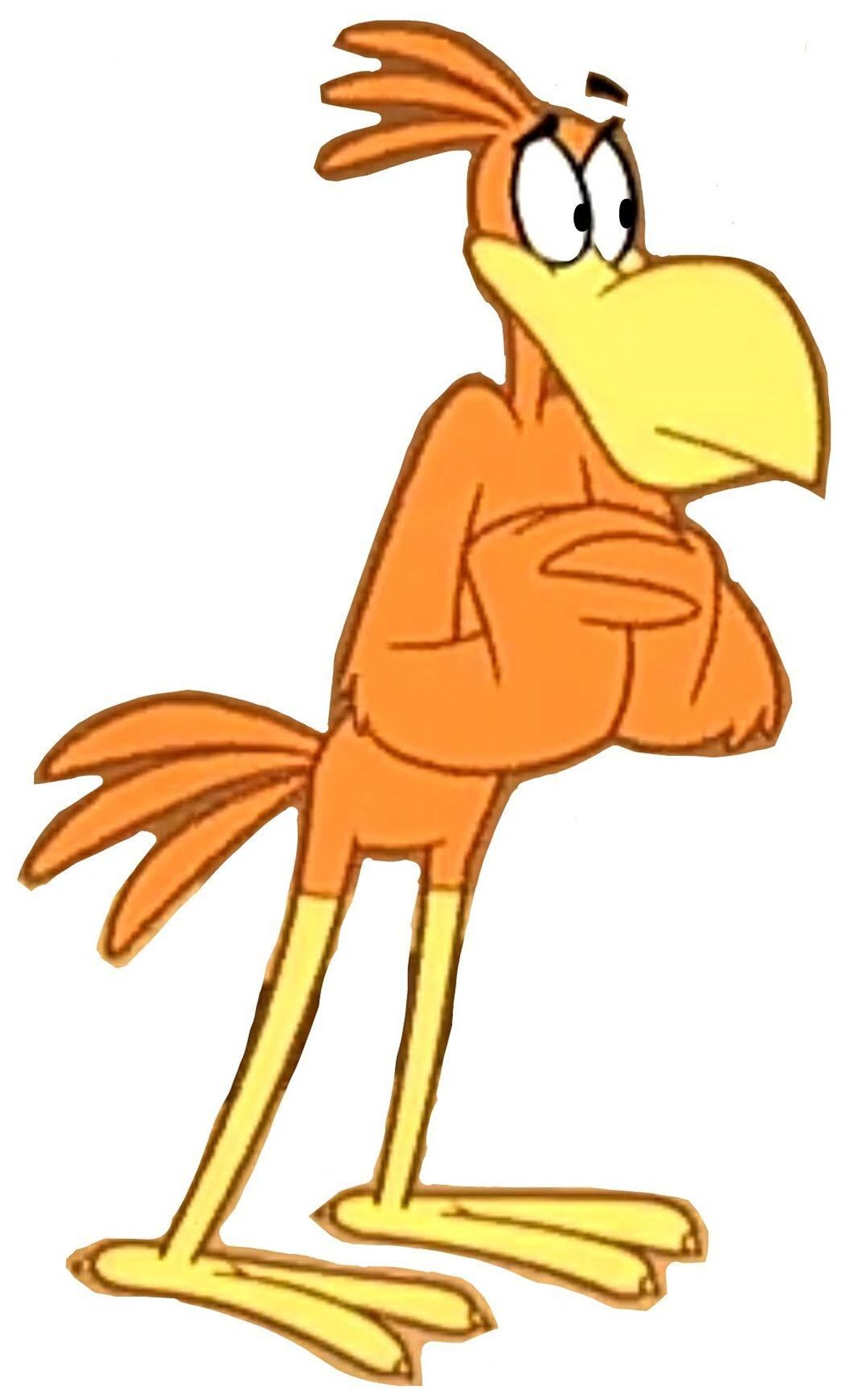
Have you ever wondered what species the Cocoa Puffs bird really is? That colorful, animated character has caught your eye more than once, but do you know where it comes from?
Understanding the true identity behind this fun mascot can surprise you and change the way you see your favorite cereal. Keep reading, and you’ll discover facts that make the Cocoa Puffs bird even more interesting than you thought. Your curiosity is about to be rewarded!

Credit: legendsofthemultiuniverse.fandom.com
The Cocoa Puffs Bird Phenomenon
The Cocoa Puffs Bird Phenomenon has captured the attention of many cereal lovers and bird enthusiasts. This curious character, known for its lively personality and vibrant colors, has sparked questions about its true species. The bird’s unique traits make it a fascinating subject for exploration and discussion.
Understanding the Cocoa Puffs Bird helps fans connect more deeply with the brand. It also adds a fun layer to the breakfast experience. The bird’s design blends imagination and nature, creating a memorable icon.
The Origins Of The Cocoa Puffs Bird
The Cocoa Puffs Bird first appeared in cereal commercials decades ago. It was designed to attract children with its energetic and playful style. Its name, Sonny the Cuckoo Bird, hints at its inspiration from real cuckoo birds.
Physical Characteristics And Behavior
Sonny has bright orange feathers and a long beak. His movements are fast and exaggerated, showing excitement for Cocoa Puffs cereal. These traits make him stand out from typical bird characters.
Is The Cocoa Puffs Bird A Real Species?
Sonny is not a real bird species. He is a cartoon creation based on cuckoo birds. Cuckoos are known for their distinctive calls and nesting habits. Sonny’s wild energy and catchphrase make him unique among fictional birds.
Why The Cuckoo Bird Was Chosen
Cuckoo birds symbolize madness and excitement in stories. This fits Sonny’s over-the-top love for Cocoa Puffs. The bird’s cuckoo call connects well with the cereal’s playful message.
Origins Of Cocoa Puffs Bird
The Cocoa Puffs Bird is a famous character known for its lively and playful nature. It represents the brand mascot for Cocoa Puffs cereal. Understanding its origins gives insight into how this character became a beloved icon. The bird’s story starts with creative minds aiming to make breakfast fun and memorable for children.
Creation And Debut
The Cocoa Puffs Bird first appeared in the late 1960s. The character was designed by advertising artists. They aimed to capture the excitement of eating chocolate cereal. The bird’s bright colors and energetic personality quickly caught viewers’ attention. It was introduced on TV commercials to promote Cocoa Puffs cereal. This debut marked the start of the bird’s popularity in pop culture.
Evolution Over The Years
The Cocoa Puffs Bird has changed its look and voice several times. Early designs were simpler and more cartoonish. Later versions became more polished and detailed. The character’s personality also evolved to suit changing audiences. It stayed fun and full of energy but gained new traits. These updates helped keep the bird relevant and loved by new generations.
Characteristics Of The Cocoa Puffs Bird
The Cocoa Puffs Bird captivates many with its unique traits that set it apart from other birds. Understanding its characteristics can help you identify it easily and appreciate its role in nature. Let’s dive into what makes this bird special, from how it looks to how it behaves.
Physical Appearance
The Cocoa Puffs Bird is known for its striking and colorful feathers. Its body is usually covered in a mix of deep browns and vibrant chestnut hues, resembling the rich tones of cocoa powder.
It has a compact size, typically around 8 inches in length, making it easy to spot but also quick to dart away. One of the most noticeable features is its bright yellow eyes that seem to glow against its darker feathers.
Its beak is short and slightly curved, perfect for cracking open nuts and seeds—its favorite snacks. Have you ever noticed how some birds’ colors help them blend in? The Cocoa Puffs Bird’s earthy tones provide excellent camouflage in dense forests.
Personality Traits
This bird is surprisingly curious and alert. It often investigates new objects in its environment, showing a playful side that many bird watchers find endearing.
Despite its small size, it can be quite bold, especially when defending its territory or young ones. You might be surprised at how it communicates through a series of sharp chirps and soft whistles, creating a unique bird language.
Have you ever observed a bird that seems almost like a little guardian of the forest? The Cocoa Puffs Bird often takes on that role, keeping a watchful eye and warning others of potential danger.
Credit: atoystoreonelmstreet.com
Comparing To Real Bird Species
Comparing the Cocoa Puffs bird to real bird species helps you understand where this fictional character draws inspiration from and where it stands apart. This comparison also reveals how creativity blends with nature to create a memorable mascot. Let’s look at some common birds people often associate with the Cocoa Puffs bird and highlight the key traits that make the character unique.
Common Bird Species Considered
- Toucan– Known for its large, colorful bill and tropical habitat.
- Macaw– Brightly colored with a strong beak, native to Central and South America.
- Parrot– Recognized for vibrant feathers and intelligence.
- Hornbill– Features a prominent casque on its beak and striking colors.
Each of these birds shares some visual features with the Cocoa Puffs bird, such as vivid colors and an oversized beak. However, the Cocoa Puffs bird combines these elements in an exaggerated and playful way to fit its role as a fun mascot.
Key Differences And Similarities
| Trait | Real Bird Species | Cocoa Puffs Bird |
|---|---|---|
| Beak Size | Large but functional for feeding | Exaggeratedly large for cartoon appeal |
| Color | Natural bright colors | Highly saturated, almost neon hues |
| Body Shape | Proportional and aerodynamic | Rounded and stylized for cuteness |
| Behavior | Wild, instinct-driven | Expressive, often anthropomorphized |
When you look closely, you’ll see the Cocoa Puffs bird takes inspiration from nature but pushes it toward a more whimsical design. If you had to pick, which real bird’s traits do you think influenced the Cocoa Puffs bird the most? Understanding these differences can deepen your appreciation for how character design borrows from nature while creating something entirely new.
Cultural Impact Of The Cocoa Puffs Bird
The cultural impact of the Cocoa Puffs bird goes beyond just being a breakfast mascot. It has become a symbol that connects with audiences of all ages through memorable advertising and pop culture references. Understanding this impact reveals why the bird remains a beloved figure even decades after its debut.
Popularity In Advertising
The Cocoa Puffs bird, known as Sonny the Cuckoo Bird, has been a staple in cereal advertising since the 1960s. His crazy obsession with Cocoa Puffs cereal made him instantly recognizable and helped boost the brand’s appeal.
Sonny’s catchphrase, “I’m cuckoo for Cocoa Puffs!” became a cultural shorthand for enthusiasm and craving. This catchy line not only stuck in people’s minds but also made the brand relatable and fun.
Advertising campaigns featuring Sonny often used humor and exaggerated expressions, making the commercials memorable. Have you ever found yourself repeating the catchphrase without even realizing it? That’s the power of clever marketing.
Influence On Pop Culture
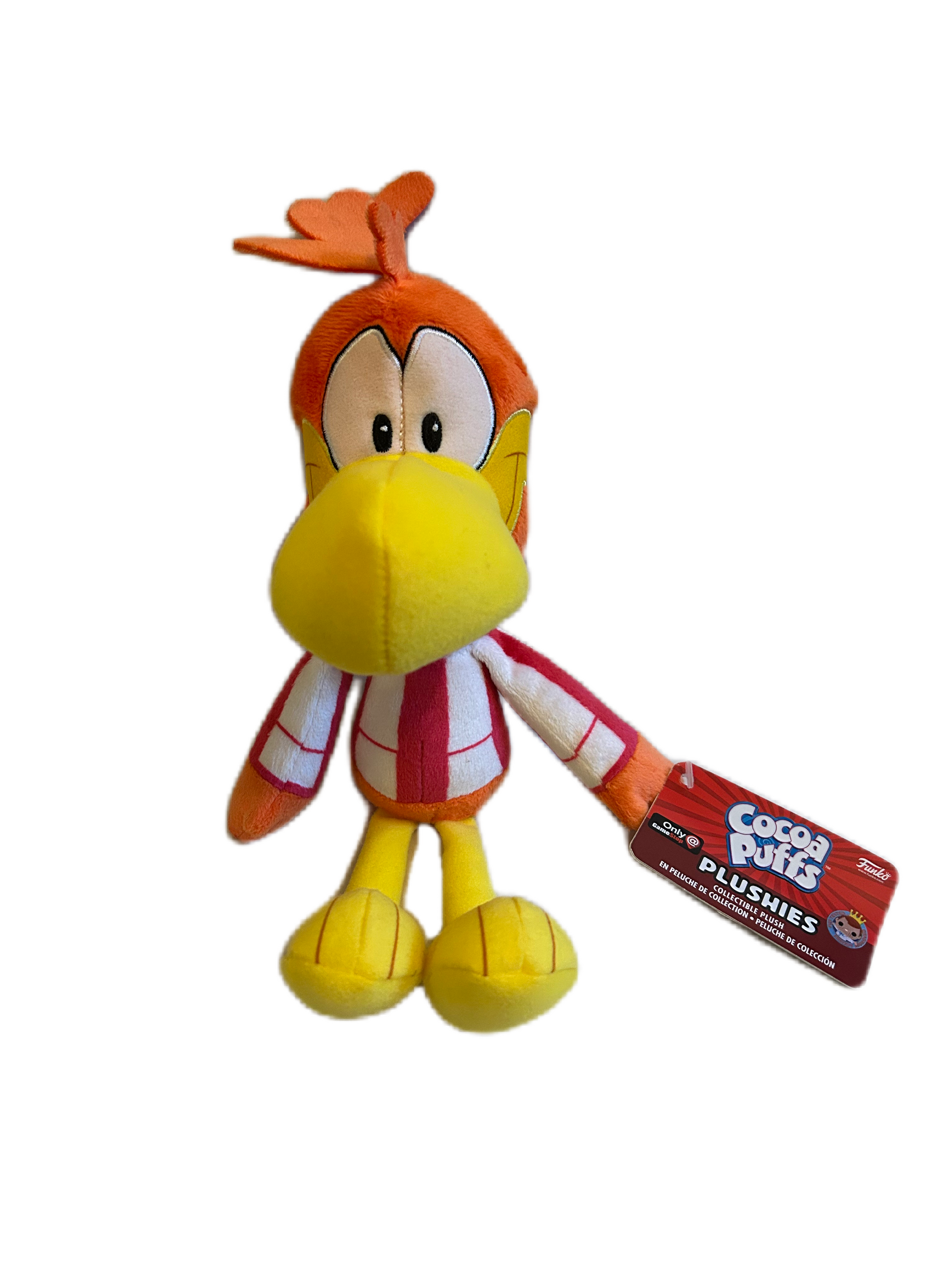
Sonny the Cuckoo Bird’s influence stretches far beyond cereal commercials. He has appeared in cartoons, merchandise, and even internet memes, proving his lasting appeal.
Many people grew up watching Sonny’s antics, which helped embed him into the collective memory of multiple generations. This shared experience creates a unique bond among fans and keeps the character relevant.
Think about how often you see nostalgic characters pop up in shows or social media. Sonny’s presence in pop culture highlights how a simple mascot can become a symbol of childhood and fun.
Experts’ Views On The Bird’s Species
Understanding the true species of the Cocoa Puffs bird has intrigued many, including experts from various fields. Their perspectives shed light on the bird’s origins and design, revealing more than just a cereal mascot. Let’s dive into what professionals have to say about this quirky character.
Opinions From Ornithologists
Ornithologists often approach the Cocoa Puffs bird with a mix of curiosity and skepticism. While the bird’s bright colors and exaggerated features don’t match any real species, some experts suggest it’s loosely inspired by a brown hawk or a kookaburra.
One ornithologist noted how the bird’s hooked beak resembles that of a raptor, designed for hunting, but the cartoonish size and expression lean heavily into fantasy. This blend makes it clear the bird is more symbolic than scientific, crafted to catch your eye rather than replicate nature.
Have you ever wondered why cartoon birds often borrow traits from powerful birds of prey? It’s a clever way to make mascots seem energetic and bold, even if they don’t exist in reality.
Insights From Cartoon Historians
Cartoon historians view the Cocoa Puffs bird as a product of creative branding rather than biological accuracy. They trace its design back to mid-20th-century animation styles, where exaggerated features and bright colors were key to grabbing attention on shelves.
One historian pointed out that the bird’s name, “Sonny,” and its playful personality reflect trends from classic cartoons aimed at kids. The species ambiguity adds to its charm, making it a memorable icon without tying it down to real-world limitations.
Think about your favorite cartoon characters—how many are based on real animals versus imaginative creations? The Cocoa Puffs bird fits perfectly into the latter category, designed to be fun and approachable, not scientifically classified.
Fan Theories And Speculations
The Cocoa Puffs bird has sparked many fan theories and speculations. People are curious about its true species and origins. These ideas show the creativity of fans and their eagerness to understand this character better.
Some theories focus on the bird’s design and behavior. Others explore possible inspirations from real animals. Fans enjoy discussing and sharing their unique views.
Popular Theories Circulating
- Some say the bird resembles a toucan due to its colorful beak.
- Others think it is a fictional hybrid made for the cereal brand.
- There is a theory that the bird is inspired by a parrot because of its bright feathers.
- Some fans believe it represents a tropical bird found in rainforests.
Creative Interpretations By Fans
- Fans create artwork imagining the bird in various environments.
- Some write stories giving the bird a backstory and personality.
- Others design new versions of the bird with different colors and styles.
- Many use the bird in memes and cartoons to add humor.

Credit: www.youtube.com
Frequently Asked Questions
What Species Is The Cocoa Puffs Bird Based On?
The Cocoa Puffs bird, known as Sonny the Cuckoo Bird, is modeled after a common cuckoo. This bird is famous for its distinctive call and egg-laying behavior in other birds’ nests.
Is The Cocoa Puffs Bird A Real Bird Species?
No, the Cocoa Puffs bird is a fictional character inspired by the common cuckoo species. It was created for advertising the breakfast cereal.
Why Is The Cocoa Puffs Bird Called “cuckoo Bird”?
It’s called “Cuckoo Bird” because it mimics the common cuckoo’s traits. Its crazy obsession with Cocoa Puffs resembles the cuckoo’s quirky behavior.
What Makes The Cocoa Puffs Bird Unique In Cartoons?
The Cocoa Puffs bird is unique for its crazy, hyperactive personality. It humorously represents the excitement kids feel about eating Cocoa Puffs cereal.
Conclusion
The Cocoa Puffs bird is actually a cartoon character, not a real species. It represents a fun, imaginary bird connected to a popular cereal brand. Knowing this helps clear up confusion about its origins. While it may look like a real bird, it lives only in ads and stories.
Understanding this shows how brands use animals for fun and marketing. Now, you can spot the difference between real birds and those made for fun.