

Have you ever wondered what makes a perfect home for birds? If you care about the birds in your backyard or nearby parks, understanding what they truly need in their habitat is key.
When you know what helps birds thrive, you can create or protect spaces that keep them happy and healthy. You’ll discover the essential elements that every bird looks for in its environment. Keep reading to learn how you can make a real difference for your feathered friends.

Credit: www.allaboutbirds.org
Food Sources
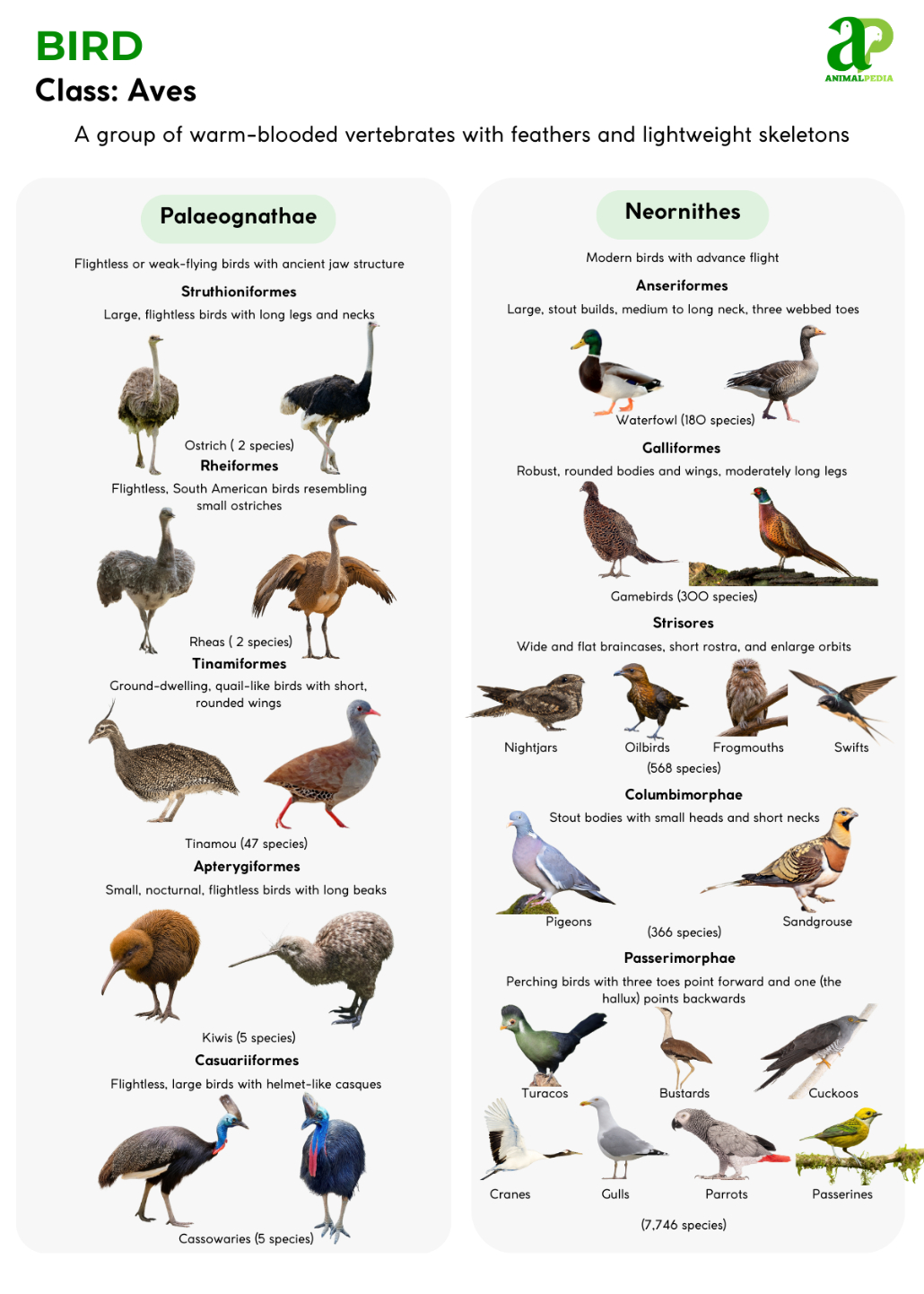
Birds need a variety of food sources like seeds, insects, and fruits to survive. A habitat rich in these helps them stay healthy and strong. Access to fresh water also supports their feeding habits.
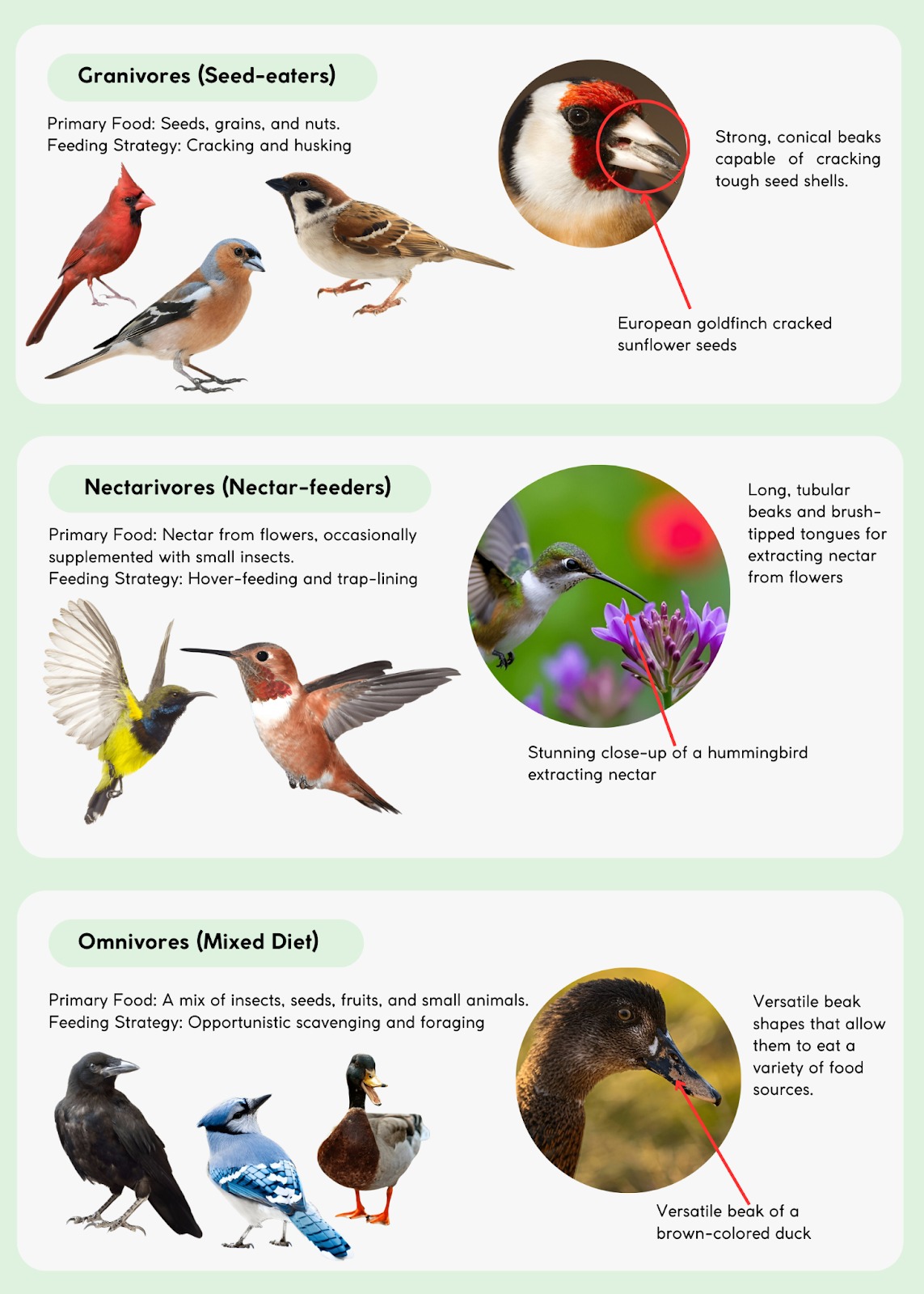
Understanding what birds need in their habitat is essential, especially when it comes to food sources. Birds are fascinating creatures, and their dietary needs vary widely. Some thrive on seeds, while others prefer insects or nectar. Knowing what they eat can help you create a more bird-friendly environment in your backyard or garden.Seeds And Fruits
Birds like sparrows, finches, and cardinals adore seeds and fruits. These are easy to incorporate into your garden or balcony with a simple feeder. Offer a mix of sunflower seeds, millet, and cracked corn for a balanced menu. Adding fruit-bearing plants can also be beneficial. Consider planting berry bushes or fruit trees that provide nourishment and attract a diverse range of birds. Remember, not all fruits are safe for birds, so choose wisely.Insects And Small Animals
Insects are a crucial food source for many bird species, particularly during the breeding season. Wrens, woodpeckers, and robins rely on insects like beetles, caterpillars, and spiders. Creating a habitat that attracts these insects can naturally boost your bird visitors. Consider letting a section of your garden grow wild. This encourages an insect-friendly environment that, in turn, attracts birds. Ever noticed how a neglected corner of the garden teems with life? It’s a buffet for birds!Nectar And Pollens
Hummingbirds and some other species thrive on nectar and pollen. Planting flowers like honeysuckle, trumpet vine, and bee balm can provide the nectar they need. These plants not only feed birds but also add vibrant color to your space. Think about installing a hummingbird feeder. Fill it with a simple sugar-water solution, and you’ll see these tiny marvels flitting about. What better way to enjoy your morning coffee than watching hummingbirds dance around your garden? Understanding and implementing these food sources in your habitat can transform your space into a bird paradise. So, what steps will you take to make your garden more bird-friendly?Water Availability
Water availability plays a crucial role in creating a bird-friendly habitat. Birds rely on water not just for drinking but also for bathing and cooling down. Without easy access to clean, safe water, many species will avoid an area, no matter how rich the food supply or shelter.
Natural Water Bodies
Ponds, lakes, streams, and rivers provide birds with reliable water sources. These natural bodies often support a variety of insects and plants that attract birds as well. If your space has a natural water source, protecting it from pollution and disturbance can help maintain a healthy bird population.
Have you noticed birds flocking to a quiet stream or pond in your neighborhood? Those places are often a hub of bird activity because they meet several needs at once.
Rainwater Collection
Setting up rainwater collection systems like birdbaths or shallow basins can offer an easy water source, especially during dry seasons. These systems are simple to maintain and can be refilled naturally by rain, reducing your effort.
Make sure the collection points have gentle slopes or perches so birds can land safely. Even a small container filled with rainwater can make a big difference in attracting birds to your garden.
Water Quality Importance
Clean water is essential for bird health. Polluted or stagnant water can spread diseases and deter birds from visiting. Regularly change water in birdbaths and avoid using chemicals that may harm wildlife.
- Remove debris and algae to keep water fresh.
- Place water sources in shaded areas to slow evaporation and algae growth.
- Consider adding small stones or pebbles so birds can grip easily while drinking or bathing.
Would you drink dirty water? Birds feel the same way. Ensuring good water quality is key to making your habitat a safe haven.
Shelter And Nesting Sites
Providing birds with proper shelter and nesting sites is essential for their survival and comfort. These spaces offer protection from predators and harsh weather while giving birds a safe place to raise their young. Understanding what types of shelter and nesting options suit different bird species can help you create a welcoming environment in your garden or local area.
Trees And Shrubs
Trees and shrubs act as natural shelters for many bird species. They provide hiding spots from predators and harsh weather conditions. Dense shrubs like hawthorn or holly offer excellent cover, while tall trees such as oaks and maples give birds places to perch and build nests.
Have you noticed how certain birds prefer thicker bushes, while others opt for high branches? Offering a mix of trees and shrubs can attract a wider variety of birds to your space.
Ground Cover
Some birds prefer nesting close to the ground, using grasses, fallen leaves, or low plants as cover. Dense ground cover protects nests from predators and sudden weather changes. Native plants like ferns or wild grasses create excellent habitats for these ground-nesting birds.
Consider leaving some leaf litter or planting native grasses to encourage ground-nesting species. Would you be surprised how many bird families rely on this often overlooked habitat?
Nest Materials
Birds need a variety of materials to build strong, comfortable nests. Twigs, dry grass, feathers, moss, and even spider silk can be essential components. You can support local birds by leaving natural materials around your garden or offering small bundles of soft fibers.
Have you ever watched a bird carefully selecting its nesting materials? Providing these resources can make your area more attractive and supportive for breeding birds.
Credit: animal-pedia.org
Safe Roosting Areas
Safe roosting areas are essential for birds to rest, sleep, and feel secure. These spots must offer more than just a place to perch—they need to protect birds from dangers and harsh conditions. Understanding what makes a roost safe can help you create or preserve ideal habitats for your feathered visitors.
Predator Protection
Birds need roosts that keep them out of reach from predators like cats, hawks, and snakes. Dense foliage, thorny branches, or high perches can serve as natural barriers. You might notice how birds choose thick evergreens or tall trees in your yard to stay safe at night.
Think about your own safety—would you feel secure sleeping in an open field or a hidden nook? Birds feel the same way. Providing cover and height can make a big difference in their comfort and survival.
Weather Shelter
Roosts must shield birds from wind, rain, and extreme temperatures. Branches that block cold drafts or leaves that catch rain help keep birds dry and warm. If you’ve ever experienced a chilly night without shelter, you know why this matters.
Adding natural elements like bushes or dense trees near feeding areas can offer quick access to shelter. Even small changes, like planting native shrubs, can create cozy spots that protect birds through storms.
Communal Roosting
Some bird species prefer to roost together in groups. This communal roosting offers safety in numbers and helps them conserve heat. Watching a flock settle together at dusk shows how they rely on each other for protection and warmth.
Encouraging communal roosts means providing enough space and resources to support multiple birds. You might notice that providing larger trees or hedges invites more birds to share a roost, creating a lively and secure neighborhood.
Suitable Climate
Birds thrive best in habitats where the climate matches their survival needs. The suitable climate influences their ability to find food, reproduce, and stay healthy. Understanding the climate factors helps you create or protect spaces where birds can flourish.
Temperature Range
Birds are sensitive to temperature extremes. Each species has an ideal temperature range that supports its daily activities and metabolic needs. For example, hummingbirds prefer warmer climates because their high metabolism demands constant energy.
If temperatures drop too low or rise too high, birds may struggle to regulate their body heat. This can affect their ability to forage and even lead to migration or death. Have you ever noticed how some birds disappear during cold months?
Seasonal Changes
Seasonal shifts play a crucial role in a bird’s life cycle. Changes in temperature and daylight often signal when to breed, migrate, or molt. Birds use these cues to time their activities perfectly with food availability and weather conditions.
For instance, many songbirds migrate to warmer areas during winter to find food and suitable nesting spots. Do you think your local birds adjust their routines as seasons change?
Microclimates
Microclimates are small areas within a habitat that have different climate conditions than the surrounding environment. These pockets can offer shelter from wind, extra warmth, or cooler shade. Birds often seek out microclimates to meet their specific needs during harsh weather.
Imagine a sunny south-facing slope or a dense thicket that stays warmer in winter. These spots become vital refuges for birds. Could your garden have such microclimates that help local birds survive tough times?
Space And Territory
Space and territory are fundamental for birds to thrive. Birds need enough room to find food, shelter, and mates while avoiding conflicts. Understanding their spatial needs helps you create or protect environments where they feel safe and can flourish.
Territorial Needs
Birds often stake out territories to secure resources like food, nesting sites, and mates. Some species are highly territorial, defending their space aggressively, while others tolerate neighbors. If you observe birds in your garden, notice how they chase intruders or sing to mark boundaries.
Providing ample space reduces stress and encourages natural behaviors. You can help by maintaining dense shrubs and trees spaced out enough for birds to claim their own spots. Have you noticed how some birds prefer isolated trees for nesting? That’s their way of ensuring privacy.
Migration Corridors
Many birds travel hundreds or thousands of miles between breeding and wintering grounds. They rely on migration corridors—safe paths with resting spots and food sources. Interrupting these routes with buildings or pollution can jeopardize their journeys.
Think about your local parks or green belts as pit stops for migrating birds. Supporting clean, connected habitats along these corridors can make a huge difference in their survival. What areas near you could serve as better waypoints for these travelers?
Habitat Connectivity
Connected habitats allow birds to move freely, find mates, and access diverse resources. Fragmented spaces trap birds in isolated pockets, limiting gene flow and increasing vulnerability. Creating green links between forests, wetlands, and urban gardens can help.
Simple steps like planting native trees and shrubs along fences or roads can improve connectivity. Imagine your backyard as a stepping stone in a larger network—how could you enhance its role? Small actions can build pathways that support bird populations long-term.
Credit: animal-pedia.org
Frequently Asked Questions
What Essential Elements Do Birds Need In Their Habitat?
Birds require food, water, shelter, and nesting sites to thrive. These elements support their survival and reproduction. Diverse habitats offer varied resources that meet these needs. Providing these essentials helps maintain healthy bird populations and biodiversity.
How Does Shelter Benefit Birds In Their Habitat?
Shelter protects birds from predators and harsh weather conditions. It offers safe places for resting and nesting. Vegetation, trees, and shrubs commonly provide this shelter. Adequate shelter is crucial for bird survival and raising young successfully.
Why Is Water Important For Birds’ Habitats?
Water is vital for drinking, bathing, and cooling. Birds rely on clean water sources to stay hydrated and healthy. Ponds, streams, and birdbaths serve as accessible water supplies. Consistent water availability supports bird activity and well-being.
What Types Of Food Do Birds Need In Their Habitat?
Birds eat seeds, insects, fruits, nectar, and small animals. Different species have varied dietary requirements based on their habitat. Availability of diverse food sources ensures birds receive proper nutrition. Balanced food supply helps sustain bird populations year-round.
Conclusion
Birds need safe places to live and find food. Trees, water, and shelter keep them healthy. Clean air and space to fly help them thrive. Protecting their homes helps birds survive and grow. We all share the planet with birds.
Caring for nature means caring for birds too. Small actions can make a big difference. Let’s keep bird habitats safe for future generations.