
Have you ever wondered where the kiwi bird calls home? Understanding the habitat of this unique and shy bird can give you a deeper connection to nature and the amazing creatures that share our planet.
If you’re curious about where kiwis live, what makes their environment special, and why their habitat matters, you’re in the right place. Keep reading to discover fascinating facts that will change the way you see these iconic birds forever. Your next adventure into the world of wildlife starts here!
Kiwi Bird Habitat Types
Kiwi birds live mainly in forests, scrublands, and grasslands of New Zealand. They prefer dense areas with plenty of cover and soft soil for digging. These habitats provide food and shelter needed for their survival.
Kiwi birds, with their distinct appearance and nocturnal lifestyle, thrive in diverse habitats across New Zealand. Understanding these habitat types provides insight into the survival and behavior of these unique creatures. Let’s explore where kiwi birds call home and what makes these places so vital for their existence.Native Forests
Kiwi birds are often found in the lush native forests of New Zealand. These forests offer dense cover and plenty of leaf litter for kiwi birds to forage for insects and worms. Have you ever walked through a dense forest and noticed the rich earthy smell? That’s exactly the kind of environment kiwis thrive in, using their sensitive nostrils to sniff out food hidden beneath the layers of foliage.Grasslands And Scrublands
While forests are a common home, kiwi birds also inhabit grasslands and scrublands. These open areas provide easy access to a variety of insects and grubs. Imagine walking through a vast, open field with the wind in your hair—kiwis enjoy this freedom too, using their long beaks to dig through the soil. Have you ever considered how these birds manage to find food in such open spaces?Wetlands And Riverbanks
Wetlands and riverbanks offer a unique habitat for kiwi birds. These areas are rich in aquatic insects and provide a reliable water source. Picture a kiwi quietly probing the soft, muddy banks of a river, looking for a tasty snack. It’s a serene image, isn’t it? These habitats not only offer sustenance but also a peaceful retreat from predators. Each of these habitats plays a crucial role in the survival of kiwi birds. Which of these environments would you find most intriguing to explore?
Credit: www.peckperk.com
Geographic Range Of Kiwis
Kiwis are unique birds native to New Zealand. Their geographic range is limited mainly to this island country. They live in various regions with dense forests and shrublands. These places provide safety and food sources for them. Different kiwi species inhabit different parts of New Zealand. Their range covers the North Island, South Island, and some offshore islands. Understanding where kiwis live helps in their protection.
North Island Locations
The North Island is home to several kiwi species. The North Island brown kiwi is the most common here. They live in forests, farmlands, and scrub areas. Places like the Waikato and Bay of Plenty have many kiwis. Protected reserves also support their populations. These areas offer plenty of cover and insects for food.
South Island Areas
The South Island hosts the great spotted kiwi and the rowi kiwi. The great spotted kiwi lives in the northwest forests. The rowi kiwi is found near the Okarito forest. These kiwis prefer dense, wet forests and remote locations. The South Island has large, rugged areas perfect for them. Conservation efforts focus on these habitats to help kiwis survive.
Offshore Islands
Several offshore islands act as safe havens for kiwis. Islands like Kapiti and Little Barrier have kiwi populations. These islands are free from predators, which helps kiwis thrive. Conservationists transfer kiwis to these islands to protect them. The islands provide a controlled environment for breeding and growth.
Habitat Features Kiwi Birds Need
Kiwi birds need specific habitat features to thrive. These birds rely on natural environments that offer safety, food, and shelter. Their habitat must support their unique lifestyle and protect them from predators. Understanding these features helps protect kiwi populations and maintain their natural homes.
Dense Vegetation
Kiwi birds prefer areas with thick, dense plants. These plants hide them from predators and harsh weather. Dense forests with ferns, shrubs, and trees create perfect cover. The thick leaves and branches also help kiwi stay calm during the day.
Ground Cover And Shelter
Kiwi spend most time on the ground. They need soft ground cover like fallen leaves and moss. This cover protects their nests and eggs. Hollow logs, roots, and burrows offer safe places to rest. Good shelter is essential for kiwi to feel secure.
Food Availability
Kiwi eat insects, worms, and small fruits. Their habitat must have rich soil with many bugs. Leaf litter and decaying wood attract the food they need. A healthy food supply keeps kiwi strong and active at night.
How Kiwis Adapt To Their Habitat
Kiwis live in dense forests and scrublands in New Zealand. Their survival depends on unique adaptations to these environments. These adaptations help kiwis find food, stay safe, and raise their young in the wild.
Nocturnal Behavior
Kiwis are active at night. This helps them avoid many predators. Their strong sense of smell guides them in the dark. Nighttime activity reduces competition for food with other animals.
Burrowing And Nesting
Kiwis dig burrows for shelter and nesting. These burrows protect them from weather and danger. Females lay eggs in hidden nests inside these burrows. The underground homes keep eggs and chicks safe.
Camouflage And Defense
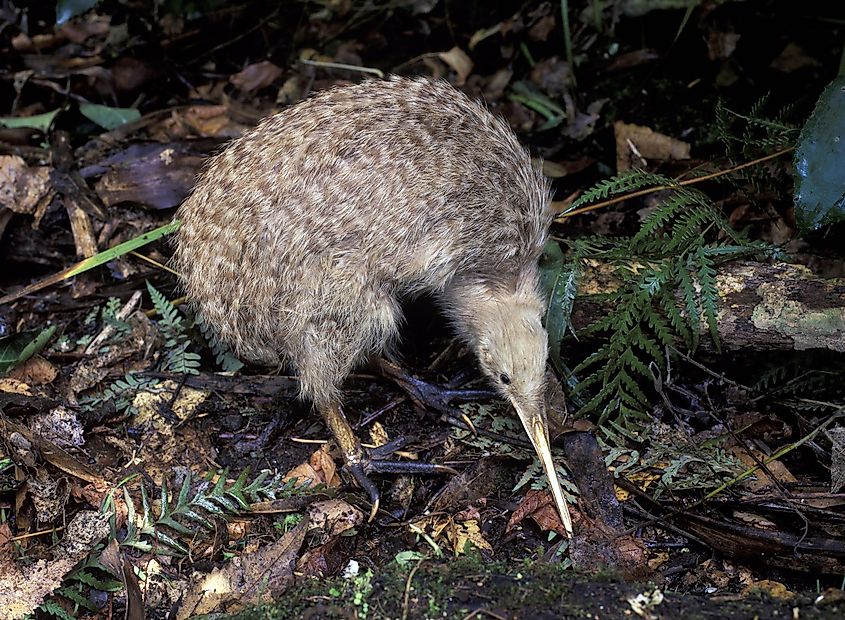
The kiwi’s feathers look like bark and leaves. This camouflage helps them blend into the forest floor. They stay still to avoid being seen. Sharp claws defend against threats if needed.
Threats To Kiwi Habitats
Kiwi birds face many dangers that harm their natural homes. These threats reduce safe spaces for kiwis to live and breed. Protecting kiwi habitats is key to their survival.
Habitat Destruction
Forests where kiwis live are often cut down for farms and towns. Trees fall, and ground cover disappears. Without shelter, kiwis become easy targets for predators.
Roads and buildings break up large forest areas. This forces kiwis into small, isolated patches. Limited space means fewer places to find food or raise chicks.
Invasive Species
Non-native animals like rats, stoats, and cats hunt kiwi eggs and chicks. These predators were not in New Zealand before humans arrived. Kiwis did not evolve defenses against them.
Invasive plants can also change the forest floor. They crowd out native plants kiwis use for food and cover. This makes the habitat less suitable for kiwis.
Climate Change Effects
Changing weather patterns affect kiwi habitats. Warmer temperatures can alter forest growth and insect populations. Kiwis depend on insects for food.
More frequent storms can damage nests and young birds. Drier conditions may reduce plant growth, lowering shelter and food availability.
Credit: www.worldatlas.com
Conservation Efforts For Kiwi Homes
Kiwi birds need safe and quiet places to live. Conservation efforts help protect their homes. These efforts focus on keeping kiwi habitats safe and healthy. People work together to give kiwis better chances to survive and grow.
Protected Reserves
Protected reserves are special areas where kiwi birds can live without danger. These places keep predators away. They also stop human activities that can harm the kiwi’s home. Reserves provide a safe space for kiwis to nest and find food.
Habitat Restoration
Habitat restoration means fixing damaged kiwi homes. This work includes planting native trees and plants. It also removes weeds and pests that hurt the environment. Restoring habitats helps bring back natural food and shelter for kiwis.
Community Involvement
Communities play a big role in saving kiwi habitats. People help by watching for threats and reporting problems. Volunteers join in planting trees and cleaning areas. Education programs teach everyone how to protect kiwi homes better.

Credit: wildbloo.com
Frequently Asked Questions
Where Do Kiwi Birds Naturally Live?
Kiwi birds are native to New Zealand. They prefer dense forests, scrublands, and grasslands. These areas provide shelter and food sources, essential for their survival in the wild.
What Type Of Habitat Suits Kiwi Birds Best?
Kiwi birds thrive in moist, dense forests with plenty of undergrowth. They need soft soil for digging and abundant insects for food. These habitats offer protection from predators and harsh weather.
How Does Habitat Affect Kiwi Bird Behavior?
The habitat influences kiwi bird foraging and nesting habits. Dense vegetation helps them hide from predators. Soft soil allows easy burrowing, which is crucial for their nesting and shelter.
Are Kiwi Birds Found In Urban Areas?
Kiwi birds are rarely found in urban areas. They prefer natural, undisturbed environments. Urbanization threatens their habitat, reducing safe spaces and increasing risks from predators.
Conclusion
Kiwi birds live mainly in New Zealand’s forests and grasslands. They prefer places with thick plants and soft soil. This helps them hide and find food like insects and worms. Protecting their homes is very important for their survival. People must keep these areas safe from dangers.
Understanding where kiwis live helps us care for them better. Their unique habitat shows how special these birds really are.