

Are you ready to create something amazing for your school project? Building a bird habitat is a fun and rewarding way to learn about nature.
Imagine watching birds visit the space you made with your own hands. In this guide, you’ll find simple steps to make a safe and inviting home for birds. Whether you have a big backyard or just a small balcony, you can help birds thrive.
Keep reading, and you’ll discover easy tips that make your project stand out and impress your teachers!

Credit: www.artisbasic.com
Choosing The Right Location
Pick a quiet spot with trees or bushes nearby to attract birds. Choose a place safe from strong winds and predators. Sunlight and shade balance helps birds feel comfortable.
Creating a bird habitat for a school project is an exciting and rewarding experience. The first step in making your project successful is choosing the right location. The placement of your bird habitat can significantly impact how many and what types of birds visit. Let’s dive into the key factors you should consider when selecting the perfect spot for your feathered friends.Assessing Sunlight And Shade
Birds love basking in the sun, but too much exposure can make them uneasy. Look for a location that offers a balance of sunlight and shade. A sunny spot with nearby trees or shrubs can provide the perfect environment for birds to enjoy the warmth and retreat to the shade when needed. Think about how the sun moves across your chosen area during the day. Does the spot get morning sun and afternoon shade? Observing these patterns ensures that your habitat remains comfortable throughout the day.Avoiding Predators
Safety is crucial for attracting birds to your habitat. Choose a location that minimizes the risk of predators like cats or large birds of prey. Positioning your habitat away from fences or rooftops can prevent unwanted visitors from lurking nearby. Consider adding elements like thorny bushes or small fences around the area to deter predators. These natural barriers can provide extra security, making your habitat a more inviting place for birds.Considering Bird Traffic
Your habitat’s success hinges on its accessibility to birds. Observe the current bird traffic around potential locations. Are there existing bird paths or nearby feeders that attract birds? An area with visible bird traffic increases the chances of birds discovering your habitat. If you’re unsure, spend some time watching the area. You might be surprised by how many birds already frequent the spot, making it an ideal location for your project.Selecting Materials
Selecting the right materials is key to building a bird habitat that is both inviting and safe. The materials you choose will affect how well birds can use the space and how long your project lasts. Thinking carefully about what to use helps you create a habitat that supports local wildlife effectively.
Natural Vs Synthetic Options
Natural materials like wood, twigs, and leaves blend well with the environment and attract birds more easily. They provide a familiar texture and scent that birds prefer. On the other hand, synthetic materials such as plastic or nylon can last longer but might not be as comfortable or safe for birds.
Which would you choose for a bird’s home: something natural that might wear out faster or something synthetic that lasts but feels artificial? Mixing both can sometimes give you the best of both worlds.
Safe And Non-toxic Choices
Birds are sensitive to chemicals, so avoid materials treated with pesticides or harsh paints. Using untreated wood and natural fibers keeps your habitat safe. If you want to add color, look for bird-safe, water-based paints or stains.
Think about what you would want in your own home. Would you live somewhere with toxic fumes? Birds feel the same. Ensuring safety means your project won’t harm the very creatures you want to help.
Recycling Materials
Using recycled materials is a smart way to save resources and teach others about sustainability. Old wooden crates, scraps of fabric, or even cleaned plastic bottles can become part of your bird habitat. Just make sure these items are clean and free of chemicals.
Have you ever noticed how birds use unexpected objects in nature for their nests? Recycling materials taps into that natural resourcefulness. It’s also a chance to get creative and give new life to things that might otherwise be thrown away.
Building The Habitat
Building a bird habitat for your school project is an exciting hands-on activity. It lets you create a safe and welcoming space where birds can thrive. Focus on three main parts: the base, nesting areas, and food and water stations. Each plays a key role in attracting birds and keeping them comfortable.
Constructing The Base
The base is the foundation of your bird habitat. Use sturdy materials like wood or thick cardboard to ensure it holds up outdoors. Make sure the size is big enough to support the other parts you’ll add later.
Try to place the base in a quiet spot, away from heavy foot traffic or predators. Think about stability—will it stay steady during wind or rain? Adding small legs or blocks under the base can help keep it off wet ground.
Adding Nesting Areas
Birds need cozy places to rest and lay eggs. You can create nesting spots by attaching small wooden boxes or hanging baskets filled with soft natural materials like dried grass or leaves. Avoid synthetic materials that might harm the birds.
Place the nesting areas at different heights to attract various species. Have you considered how shelter from rain and sun will protect the nests? Adding a small roof or overhang can make a big difference.
Installing Food And Water Stations
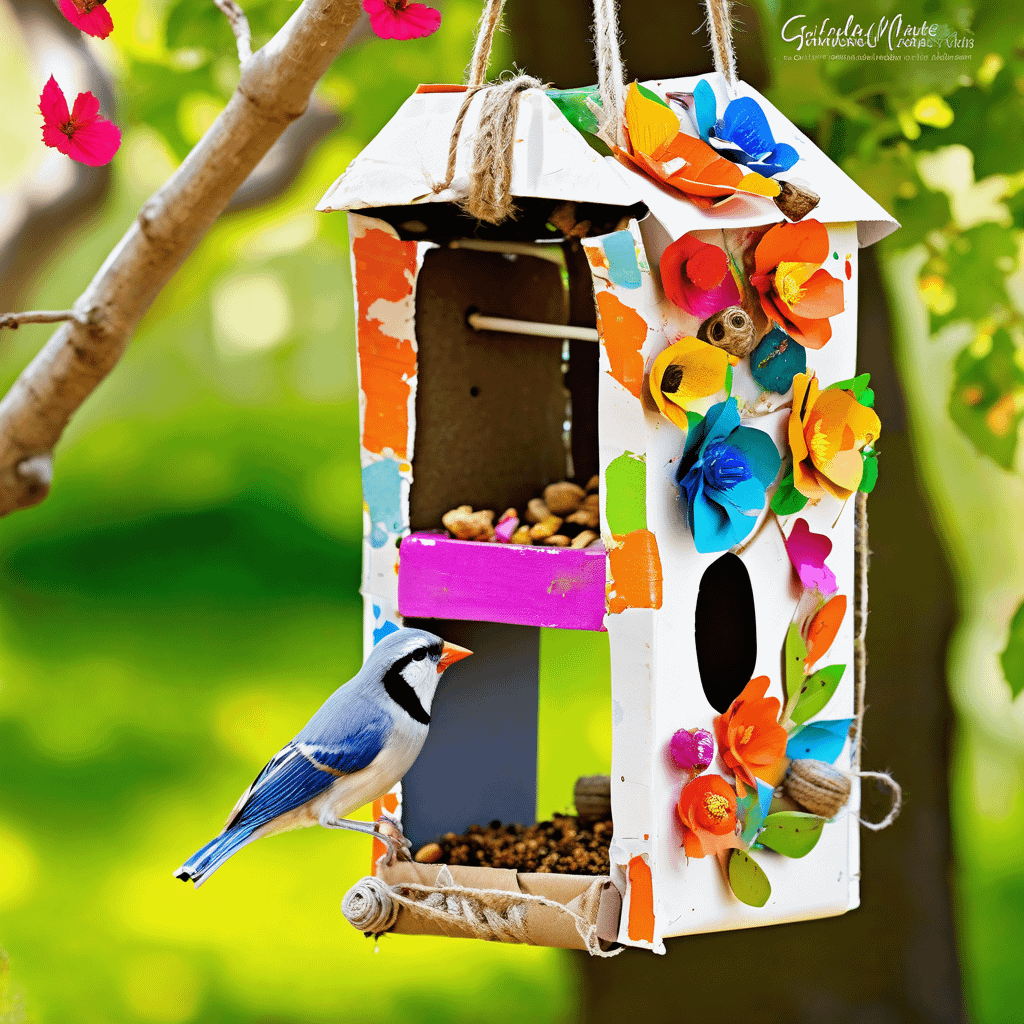
Food and water stations are essential for keeping birds happy and healthy. Use shallow dishes or bird feeders and refill them regularly with seeds, nuts, or fresh water. Keep the water clean to prevent the spread of disease.
Position these stations where birds can easily see and access them but are safe from predators. Have you thought about how often you can maintain these stations during your project timeline? Consistency is key to attracting and keeping visitors.
Credit: magickidslearning.com
Decorating And Camouflaging
Decorating and camouflaging your bird habitat helps it blend naturally into the surroundings. This makes birds feel safe and more likely to visit. Use simple materials from nature to keep the habitat inviting and secure.
Using Plants And Branches
Plants and branches create a natural look for the bird habitat. Choose local plants that birds know and like. Place branches inside or around the habitat for perches and hiding spots.
- Use small twigs to build natural walls or frames.
- Attach leaves or small plants to cover plain surfaces.
- Include flowering plants to attract birds with color and scent.
These elements offer shelter and food sources. They also help the habitat fit into the environment without standing out.
Blending With The Environment
Matching the habitat’s colors with nearby trees and soil helps camouflage it. Use earth tones like brown, green, and gray. Avoid bright colors that scare birds away.
- Paint the habitat with non-toxic, natural colors.
- Place it near bushes or under tree branches for shade.
- Cover exposed surfaces with moss or bark pieces.
Blending the habitat makes birds feel safe and hidden from predators. It creates a peaceful spot for them to rest and nest.
Maintaining The Habitat
Maintaining the bird habitat is key for a healthy environment. Birds need clean and safe spaces to thrive. Regular care helps keep the habitat inviting and supports bird health. Simple upkeep routines ensure the habitat stays attractive and functional throughout the year.
Regular Cleaning Tips
Clean the habitat every week to prevent disease. Remove old food and droppings. Use mild soap and water to wash feeders and water dishes. Avoid harsh chemicals that can harm birds. Rinse well and let everything dry before refilling. Clear away fallen leaves and debris from the ground.
Monitoring Bird Activity
Watch how birds use the habitat daily. Note which birds visit and their behavior. Check for signs of stress or illness in birds. Look for damaged nests or feeders. Keep a journal to track changes. Adjust food and water based on bird needs. This helps create a better environment for them.
Seasonal Adjustments
Change the habitat setup as seasons change. In winter, provide extra food and shelter. Use warmer water sources to prevent freezing. In spring, add fresh plants and nesting materials. Remove old and moldy items. Summer requires shade and plenty of water. Autumn calls for cleaning and preparing for cold weather. These changes keep birds comfortable year-round.
Engaging The School Community
Creating a bird habitat for a school project becomes more exciting with the help of the whole school community. Getting others involved boosts learning and teamwork. It also makes the project more fun and meaningful for everyone.
Involving Classmates
Invite classmates to help build and maintain the habitat. Assign simple tasks like gathering materials or planting seeds. Group work encourages sharing ideas and solving problems together. This way, everyone feels part of the project.
Documenting Observations
Keep a journal or create a poster to record what the birds do. Note the types of birds, their visits, and behaviors. Use drawings or photos to make the records clear. Sharing observations helps classmates learn and stay interested.
Presenting The Project
Prepare a short talk or display to explain the habitat and its importance. Use visuals like charts, pictures, or models to attract attention. Practice speaking clearly and confidently. A good presentation shows the hard work and teamwork involved.

Credit: www.artisbasic.com
Frequently Asked Questions
What Materials Are Needed To Build A Bird Habitat?
You need natural materials like wood, twigs, leaves, and pinecones. Add a shallow water source and birdseed. Avoid plastics and toxic substances to keep birds safe and healthy.
How Do You Choose The Best Location For A Bird Habitat?
Pick a quiet, sheltered spot away from predators and heavy foot traffic. Ensure it gets morning sunlight and is near trees or bushes for cover and food sources.
How Can You Attract Different Bird Species To Your Habitat?
Provide diverse food types like seeds, fruits, and nectar. Include water and nesting materials. Plant native flowers and shrubs to offer shelter and natural food sources.
How Do You Maintain A Bird Habitat For School Projects?
Clean feeders and water regularly to prevent disease. Replace old nesting materials and check for damage. Observe without disturbing to monitor bird activity and health.
Conclusion
Building a bird habitat can be fun and educational. It helps birds find food and shelter. You learn about nature and how birds live. Use simple materials and follow easy steps. Watch birds visit your habitat every day. This project teaches care and respect for wildlife.
Try adding different plants to attract more birds. Enjoy the process and share your experience with friends. Creating a bird habitat makes your school project special and meaningful.