

Have you ever stopped to wonder where birds make their homes? From the tallest trees to the smallest bushes, birds live in a variety of places that might surprise you.
Understanding these habitats can change the way you see the world outside your window. You’ll discover the different environments birds call home and why these places are so important for their survival. Keep reading, and you’ll find out how knowing about bird habitats can bring you closer to nature and make your outdoor experiences more exciting.
Forest Habitats
Forest habitats are among the most vital ecosystems for birds, providing shelter, food, and breeding grounds. These lush environments host a diverse array of bird species, each uniquely adapted to thrive in different forest types. From the vibrant canopies of tropical rainforests to the serene, snow-laden boreal forests, each woodland offers its own set of opportunities and challenges for avian life.
Tropical Rainforests
Tropical rainforests are bustling with life, and birds are no exception. The dense foliage and towering trees create a multi-layered habitat where birds can find refuge and food. Parrots, toucans, and hummingbirds are just a few examples of the vibrant species that call these forests home.
In these environments, birds often rely on the abundance of fruits and insects. Have you ever wondered how a toucan’s colorful beak aids its survival? It’s perfectly designed to reach fruit in hard-to-access spots. The constant chorus of bird calls in a rainforest is a testament to the rich biodiversity these forests support.
Temperate Woodlands
Temperate woodlands offer a contrasting setting with their seasonal changes and diverse flora. Here, you might spot woodpeckers drumming on tree trunks or owls nesting in hollow trees. These forests provide a varied diet for birds, from seeds and nuts to small mammals.
Birds in temperate woodlands often have to adapt to changing seasons. Why do some birds migrate while others stay? It’s all about finding the best conditions for survival. The adaptable nature of these birds is truly fascinating and highlights the dynamic interactions within these habitats.
Boreal Forests
Boreal forests, also known as taiga, are characterized by their cold climate and coniferous trees. Birds like crossbills and grouse thrive here, expertly navigating the dense, needle-covered branches. Despite the harsh conditions, these forests support a surprising amount of bird life.
Have you ever seen a bird with feathers adapted for warmth? In boreal forests, birds have thicker plumage to endure the freezing temperatures. The resilience of birds in such environments raises an interesting question: how do they manage to find food in the snow-covered landscape? The answers lie in their incredible foraging skills and ability to adapt.
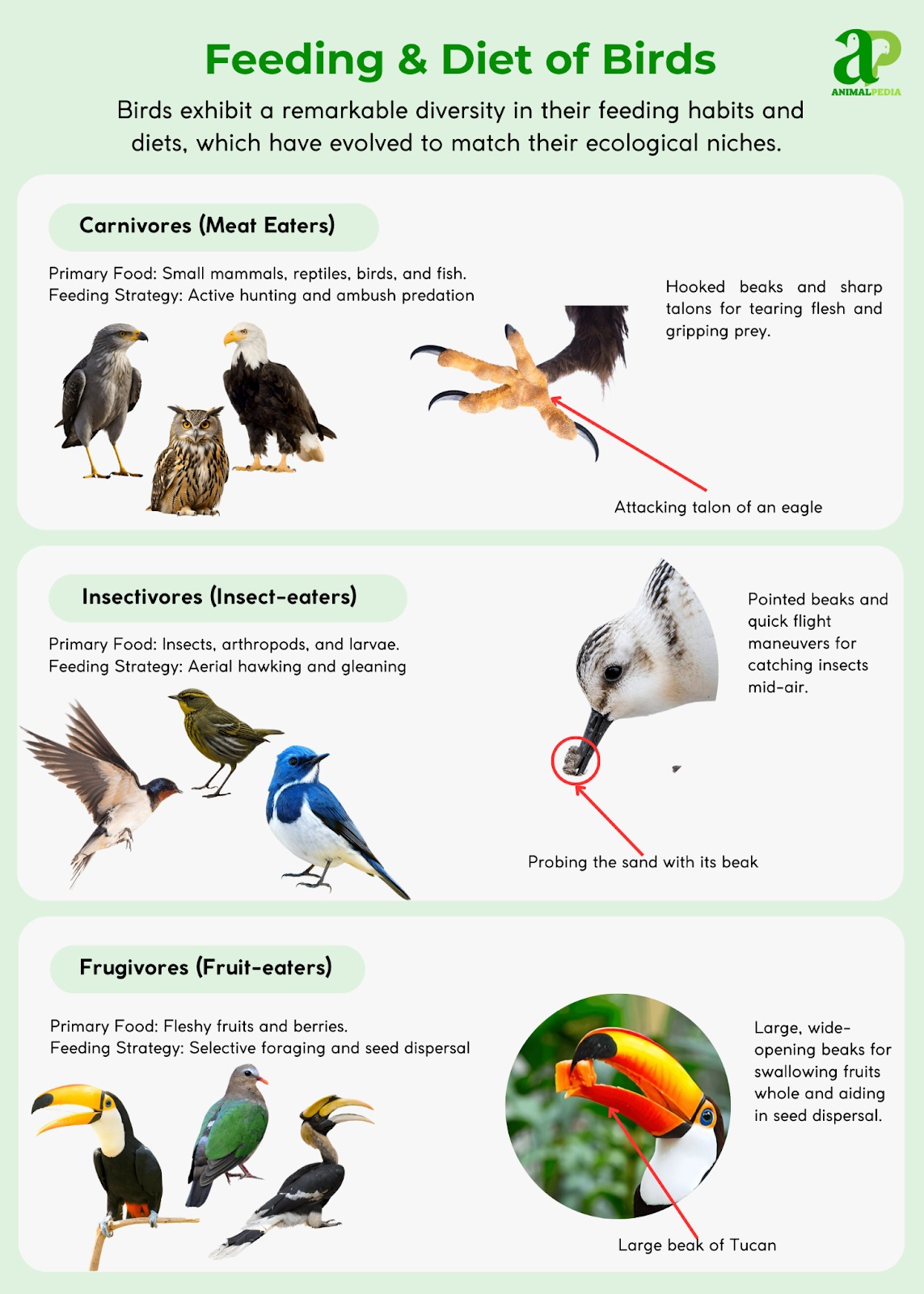
Credit: animal-pedia.org
Wetland Homes
Wetlands provide rich, diverse homes for many bird species. These areas hold water and plants, creating perfect spots for nesting and feeding. Birds find food, shelter, and safety in wetland habitats. Many birds rely on these watery environments throughout the year.
Marshes And Swamps
Marshes and swamps are wet areas filled with grasses, reeds, and trees. Birds like herons, egrets, and ducks live here. These birds hunt fish, insects, and small animals in shallow water. The thick plants offer great cover for nests and protection from predators.
Lakes And Ponds
Lakes and ponds have still or slow-moving water. Birds such as swans, geese, and kingfishers thrive here. They dive or swim to catch fish and insects. The calm water and nearby plants make safe places for raising young birds.
Mangrove Forests
Mangroves grow along tropical coasts with salty water. Many birds like pelicans, ospreys, and herons nest in mangroves. These forests provide food, shelter, and nesting spots above water. Mangroves protect birds from strong waves and predators.
Grassland And Savanna
Grasslands and savannas offer vast open spaces with tall grasses and few trees. Birds thrive here by adapting to the wide, grassy areas. These habitats provide food, shelter, and nesting sites for many bird species. The mix of grass and scattered trees creates unique environments. Birds in these areas often rely on insects, seeds, and small animals found in the grass. Both prairies and open savannas support diverse bird populations.
Prairies
Prairies are grasslands mostly found in North America. They have tall grasses and few shrubs or trees. Birds like meadowlarks, sparrows, and hawks live here. These birds use the tall grass for nesting and hiding from predators. Many ground-nesting birds find safety in the dense grass. Prairies also attract birds that hunt small rodents and insects. The open space helps birds spot danger early and find food easily.
Open Savannahs
Open savannahs are grasslands with scattered trees and bushes. They occur mainly in Africa and parts of Australia. Birds such as secretary birds, hornbills, and weavers are common here. The trees provide perches and nesting spots, while the grass offers food and cover. Many birds hunt insects and small animals on the ground. Open savannahs support both ground-dwelling and tree-nesting bird species. This mix of habitats encourages rich bird diversity.

Credit: www.wildlifenomads.com
Desert Dwellings
Deserts may seem harsh and empty, but many birds call them home. These birds have unique ways to survive extreme heat and scarce water. Desert dwellings showcase how life adapts to tough conditions.
Arid Deserts
Arid deserts have very little rain and high daytime temperatures. Birds here find food and water in tough spots. They often stay active during cooler parts of the day, like early morning or late evening.
- Many birds use burrows or rocky crevices to escape heat.
- Feathers reflect sunlight and help keep them cool.
- Some species get moisture from the food they eat.
Examples include roadrunners, cactus wrens, and some hawks. These birds are skilled at finding shade and conserving water.
Semi-desert Areas
Semi-desert areas have more plants and slightly more rain than arid deserts. These places support more insect and seed life. Birds here have more food options and water sources.
- Many birds nest in shrubs or small trees.
- They use plants for shelter and protection from predators.
- Seasonal rains increase insect availability, boosting bird activity.
Species like quails, sparrows, and some songbirds thrive in semi-deserts. These birds blend well with the mixed open and vegetated landscape.
Urban And Suburban Areas
Urban and suburban areas might not seem like typical bird habitats, but they host a surprising variety of bird species. These environments offer unique opportunities and challenges for birds trying to find food, shelter, and safety. Understanding how birds adapt to city life can change the way you see the wildlife around you.
City Parks And Gardens
City parks and gardens act as vital green spaces amid concrete and asphalt. They provide trees, shrubs, and water sources that attract birds searching for food and nesting spots. You might notice robins hopping on the grass, sparrows flitting between bushes, or even woodpeckers tapping on tree trunks.
Think about the last time you walked through a local park—did you hear bird songs or see nests hidden in branches? These pockets of nature support birds by offering insects, berries, and seeds, which are often scarce in urban settings.
By planting native flowers and maintaining bird feeders in your garden, you can create a welcoming haven for birds right in your backyard. Have you considered how your outdoor space might help local birds thrive?
Buildings And Structures
Birds don’t just stay in green spaces; many have adapted to live on and around buildings. Pigeons and swifts often nest in nooks and ledges on tall structures. These spots mimic the cliffs and caves their ancestors used in the wild.
Window ledges, balconies, and even rooftop gardens can become bird homes. Some birds, like house sparrows and starlings, use old nests or build new ones in vents and eaves. This adaptation shows how flexible birds can be in finding shelter.
Consider how your building’s design might affect local birds. Could adding bird-friendly features reduce collisions or provide safer nesting areas? Your awareness can make a real difference in urban bird survival.
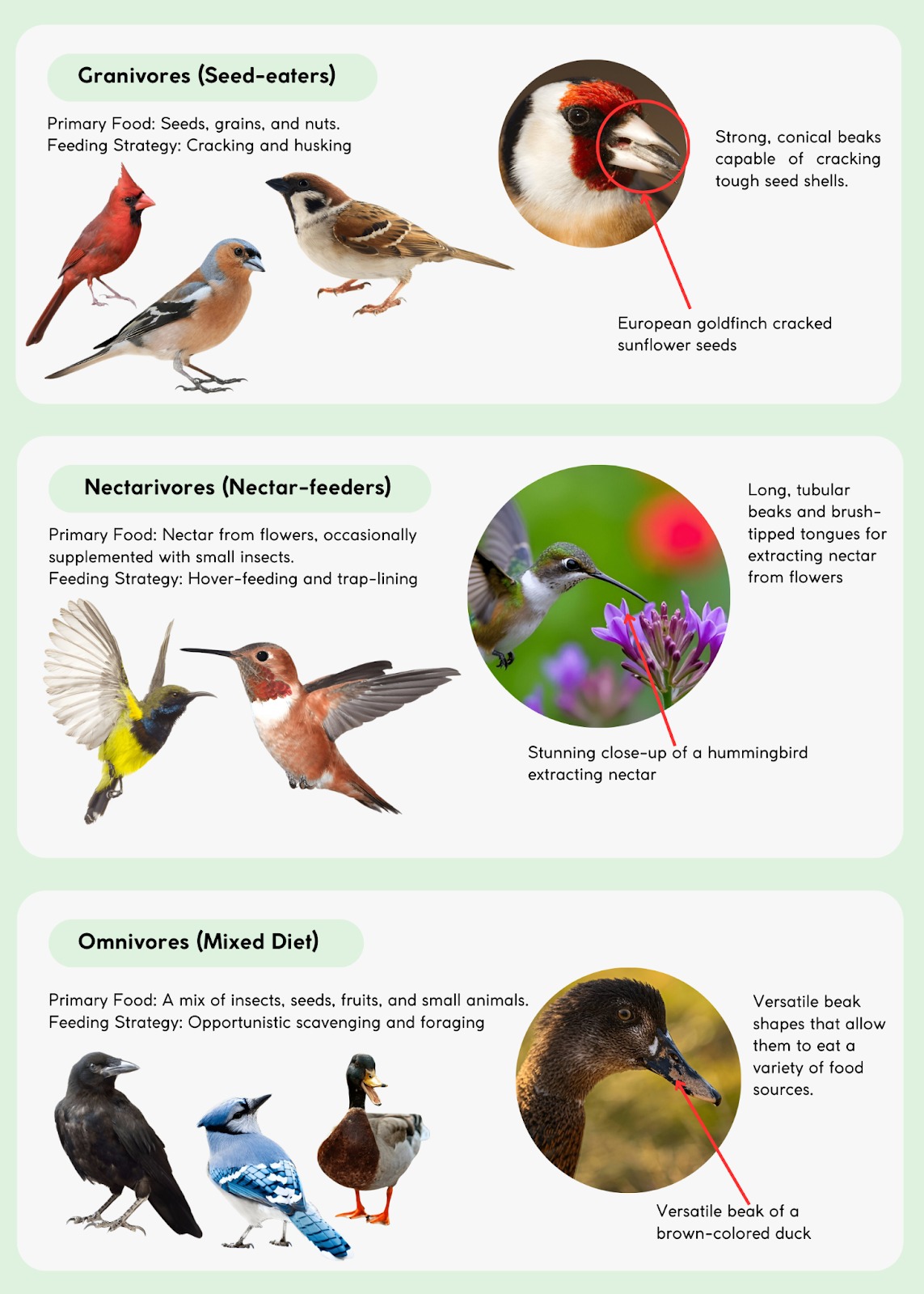
Credit: animal-pedia.org
Mountain Regions
Mountain regions offer unique and challenging habitats for birds. These areas have varying climates and vegetation types. Birds adapt to different altitudes, weather, and food sources. Many species thrive in mountain habitats that range from rocky peaks to dense forests. Understanding these habitats reveals how birds survive in tough conditions.
Alpine Zones
Alpine zones lie above the tree line on mountains. They are cold with strong winds and short summers. Plants are low and sparse here. Birds in alpine zones have special adaptations. They often have thick feathers for warmth. Many feed on insects, seeds, and small plants. Species like the Snow Finch and Ptarmigan live here. These birds nest in rocky crevices to avoid predators and harsh weather.
Subalpine Forests
Subalpine forests sit just below the alpine zone. They have dense trees like firs and spruces. This area provides shelter and food for many birds. Birds such as the Clark’s Nutcracker and various woodpeckers are common. These forests offer berries, seeds, and insects. Birds build nests in tree branches or cavities. The subalpine forest is a critical habitat for bird survival in mountains.
Coastal And Marine Areas
Coastal and marine areas host a fascinating variety of birds adapted to life by the water. These habitats provide rich feeding grounds and safe nesting spots, creating unique environments where birds thrive. Understanding these areas helps you appreciate the delicate balance birds maintain with their surroundings.
Beaches And Cliffs
Beaches and cliffs offer birds both shelter and abundant food sources. Shorebirds like sandpipers and plovers hunt for tiny crustaceans along the wet sand, while seabirds such as gulls and terns nest on rocky cliffs. Have you ever noticed how these birds seem perfectly at home balancing on narrow ledges or darting swiftly over waves?
Cliffs protect many birds from predators, giving them a safe place to raise their young. Meanwhile, beaches provide open space for feeding and resting during long migrations. Watching a flock of birds suddenly lift from the shoreline can be a reminder of how vital these coastal zones are for their survival.
Islands And Reefs
Islands and reefs act as natural bird sanctuaries surrounded by water. Species like puffins and boobies rely on these isolated spots to avoid land-based threats. Their ability to nest on remote islands shows how birds use geography to their advantage.
Reefs support fish and other marine life, attracting birds that dive for food beneath the surface. This interaction highlights a crucial food chain you might not see in inland habitats. Next time you visit a coastal island, think about the complex ecosystem supporting those birds you spot resting or nesting there.
Special Nesting Sites
Birds choose special places to build their nests. These spots protect their eggs and young chicks. The choice depends on the bird’s needs and the environment. Some nests are hidden, others are high or low. These special nesting sites help birds stay safe from predators and harsh weather.
Tree Cavities
Many birds nest inside holes in trees. These cavities offer shelter and safety. Woodpeckers often create these holes. Later, other birds use them too. Tree cavities keep nests hidden from many predators. They also protect against rain and wind.
Ground Nests
Some birds build nests right on the ground. They use grass, leaves, and small twigs. These nests blend into the environment. Birds like plovers and terns prefer this type. Ground nests are risky but quick to make. Birds stay alert to protect their eggs.
Cliff Ledges
Cliff ledges provide safe nesting spots high above ground. Birds like puffins and some hawks use these places. The steep cliffs stop most predators from reaching nests. These ledges also give a good view of the surroundings. Nesting here helps birds guard their young well.
Frequently Asked Questions
What Types Of Habitats Do Birds Prefer?
Birds live in diverse habitats like forests, wetlands, grasslands, deserts, and urban areas. Each species adapts to specific environments for food, shelter, and breeding.
How Do Birds Adapt To Different Habitats?
Birds adapt through physical traits, behaviors, and diets that suit their habitats. For example, webbed feet help aquatic birds swim, while camouflaged feathers protect forest birds.
Why Are Wetlands Important For Bird Habitats?
Wetlands provide food, nesting sites, and shelter for many bird species. They support rich biodiversity, making them critical for migratory and resident birds.
Can Birds Live In Urban Environments?
Yes, many birds thrive in cities by nesting in buildings and feeding on human scraps. Urban habitats offer new food sources and shelter opportunities.
Conclusion
Birds live in many different habitats around the world. Each habitat offers food, shelter, and safety for birds. Forests, wetlands, deserts, and cities all support bird life. Understanding these habitats helps us protect them better. Protecting bird homes means helping nature stay balanced.
Every bird, big or small, depends on its habitat to survive. Nature’s variety keeps birds strong and diverse. We can enjoy watching birds by caring for their homes. Simple actions can make a big difference for birds everywhere.