
Have you ever wondered what makes birds so unique in the animal kingdom? To truly understand birds, you need to know about their genus and species.
This might sound like a complicated science term, but it’s actually the key to unlocking fascinating details about the birds you see every day. You’ll discover how these classifications help identify different birds, reveal their habits, and explain why they look and behave the way they do.
Keep reading, and you’ll gain a clearer picture of the amazing variety of birds around you.
Classification Of Birds
Understanding the classification of birds helps you appreciate the incredible diversity in the avian world. Birds are sorted into groups based on shared features, from their physical traits to genetic information. This system makes it easier for you to identify and study different bird species, whether you’re a casual observer or a serious birdwatcher.
What Is Genus In Bird Classification?
The genus is a key category in the classification system. It groups together species that are closely related and share common characteristics. For example, the genus Corvusincludes crows and ravens, which are similar in behavior and appearance.
When you know a bird’s genus, you get clues about its habits and habitat. Have you ever noticed how birds in the same genus often look alike? This similarity helps scientists and bird lovers alike understand their connections.
What Does Species Mean In Birds?
Species is the most specific classification level, identifying individual types of birds that can breed with each other. Each species has unique traits that set it apart from others in the same genus. Take the species Corvus corax, which refers specifically to the common raven.
Knowing the species helps you spot subtle differences between birds that seem almost identical. Have you ever struggled to tell apart two birds that look very similar? Understanding species can clear up that confusion.
How Genus And Species Work Together
The combination of genus and species forms the scientific name of a bird, like Turdus migratoriusfor the American robin. This two-part name is called binomial nomenclature. It gives you a universal way to identify birds no matter where you are in the world.
Using genus and species names can improve your birdwatching skills. When you learn these names, you connect more deeply with each bird’s story and place in nature. What bird species will you discover next with this knowledge?
Understanding Genus And Species
Understanding genus and species helps us classify birds clearly. These terms form the foundation of biological naming. They tell us about a bird’s relatives and unique traits. This system makes studying birds easier and more organized.
What Is A Genus?
Genus is a group of species that share common features. It acts like a family name for birds. Birds in the same genus have similar body shapes or habits. For example, the genus Corvusincludes crows and ravens.
What Is A Species?
Species is the most specific classification level. It identifies individual birds that can breed together. Birds in the same species look alike and have similar behaviors. For example, the species Corvus coraxis the common raven.
How Genus And Species Work Together
The genus and species names form a bird’s scientific name. This name is always in Latin. The genus name comes first and is capitalized. The species name follows and is lowercase. For example, Haliaeetus leucocephalusis the bald eagle.
Why Genus And Species Matter
- They help scientists identify birds worldwide.
- They show evolutionary relationships between birds.
- They avoid confusion from local bird names.
- They assist in studying bird behavior and habitats.
Birds’ Place In The Animal Kingdom
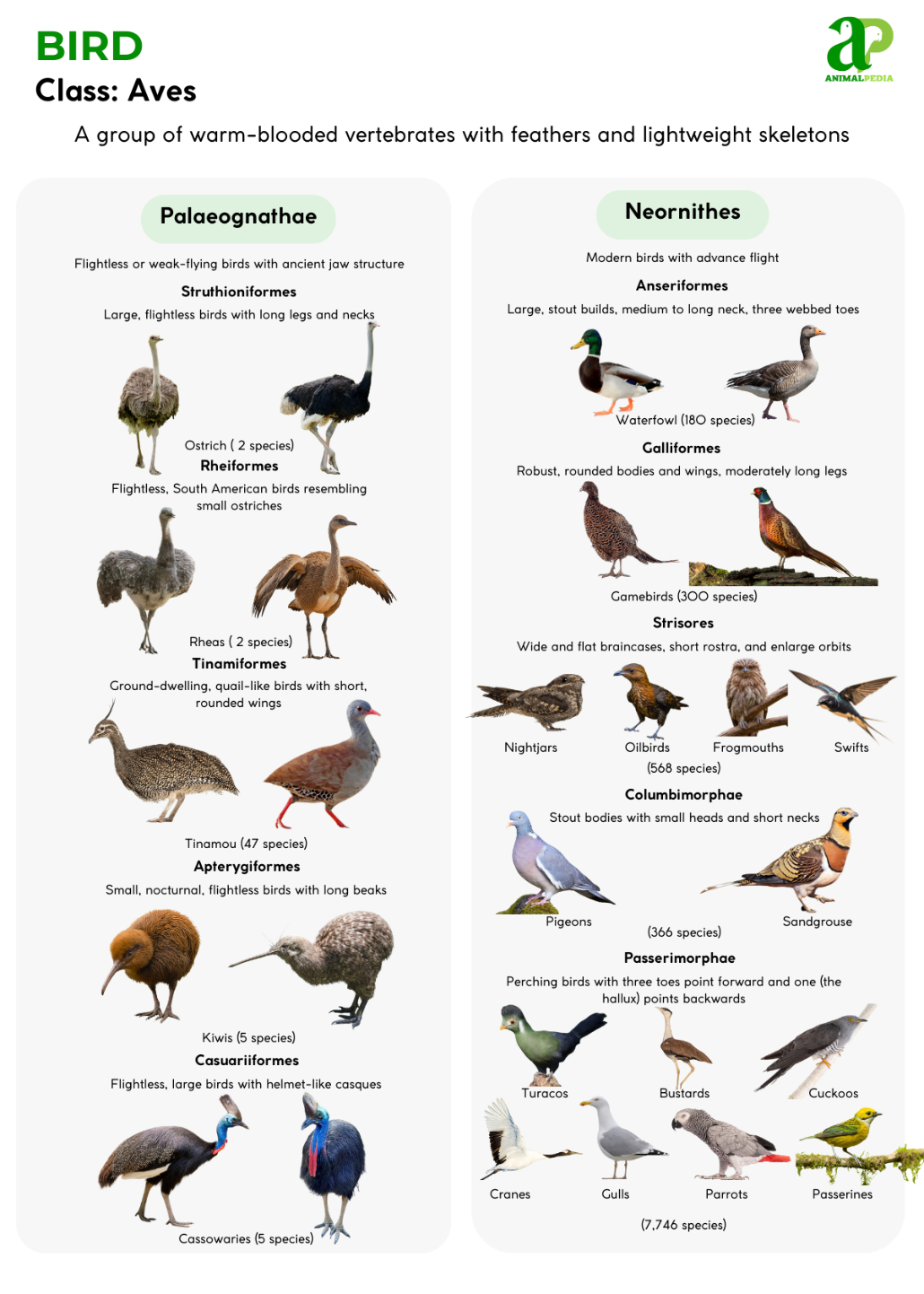
Birds hold a unique and fascinating position in the animal kingdom. They are warm-blooded creatures with feathers, wings, and beaks, distinguishing them from other groups of animals. Understanding their genus and species helps you appreciate how diverse and specialized birds really are.
Classification Of Birds In The Animal Kingdom
Birds belong to the class Aves, which sets them apart from mammals, reptiles, amphibians, and fish. Within this class, there are thousands of species grouped into various genera based on shared characteristics like body structure, behavior, and genetics.
Have you ever wondered why some birds can mimic sounds while others cannot? This diversity is a result of their evolutionary paths within the animal kingdom.
Genus And Species: The Building Blocks Of Bird Identification
The genus is a group of closely related species, while the species is the most specific classification level. For example, the common pigeon is known as Columba livia, where Columbais the genus and liviais the species.
Knowing this helps you identify birds accurately and understand their relationships with other animals. It’s like having a detailed family tree for every bird you encounter.
Birds’ Evolutionary Connections To Other Animals
Birds share a common ancestor with reptiles, especially dinosaurs. This connection explains why birds have scales on their legs and lay eggs, traits inherited from their reptilian relatives.
Recognizing these links can change how you see birds—not just as flying creatures, but as living representatives of ancient life forms.
Credit: animal-pedia.org
Major Bird Families
Birds belong to various families, each with unique traits and habits. Understanding major bird families helps identify their genus and species. These families group birds by shared features, behaviors, and habitats. Knowing these groups makes birdwatching and study easier.
Passerines
Passerines are the largest bird family. They include over half of all bird species. Known as perching birds, they have three toes forward and one back. Passerines are often small, with songs to attract mates. Sparrows, finches, and robins are common examples.
Raptors
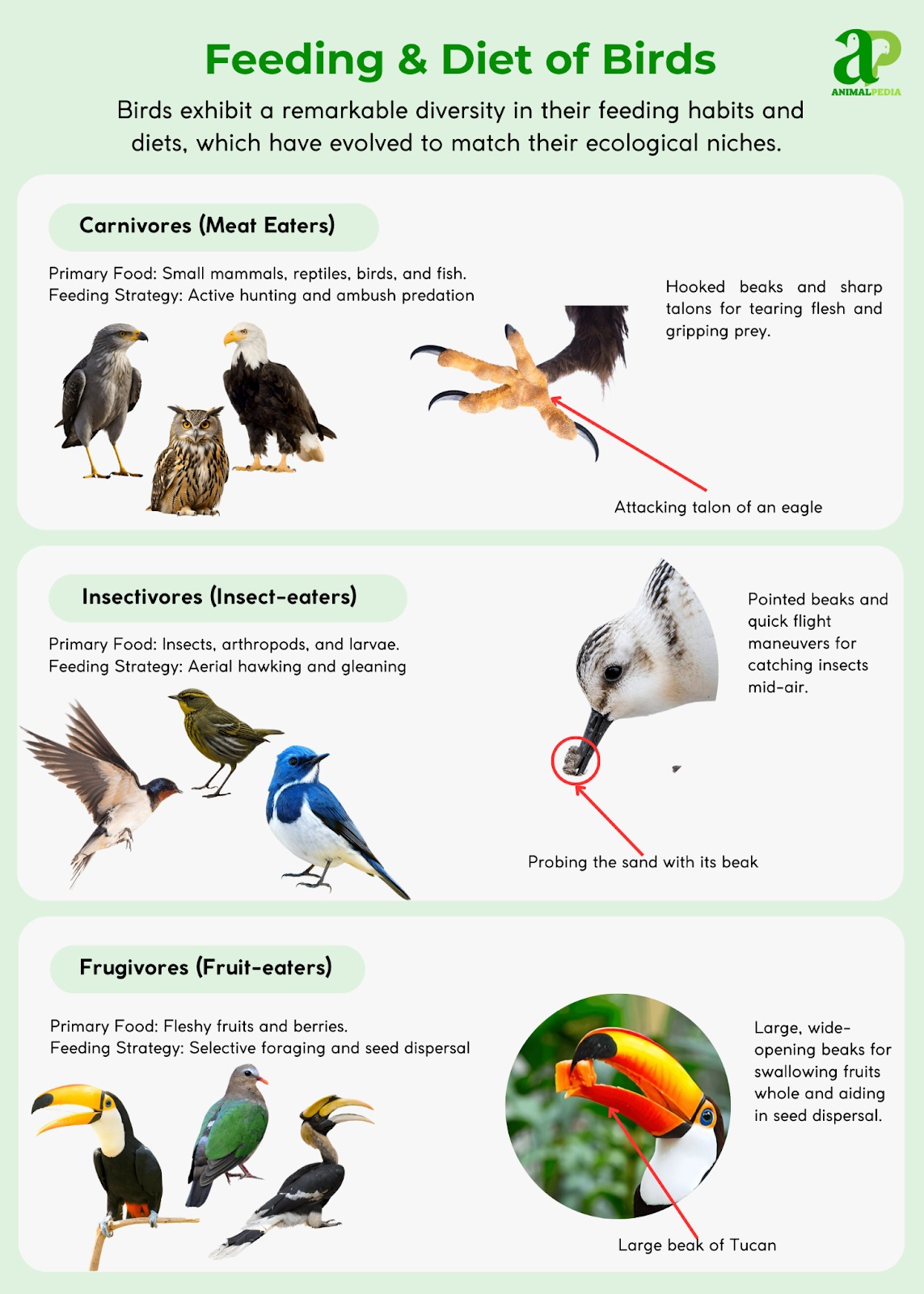
Raptors are birds of prey. They hunt for food using sharp talons and beaks. Eagles, hawks, and falcons belong to this family. Raptors have keen eyesight to spot prey from far away. They play a vital role in controlling animal populations.
Waterfowl
Waterfowl live near or on water. Ducks, geese, and swans are part of this group. They have webbed feet to swim efficiently. Waterfowl feed on plants, insects, and small fish. Many migrate long distances for breeding and feeding.
Common Bird Genus Examples
Understanding the genus of birds helps you identify their broader family traits and behaviors. Each genus groups species that share common features, making birdwatching more rewarding. Let’s look at some common bird genera that you might encounter in your backyard or local park.
Corvus
The genus Corvusincludes crows, ravens, and rooks—birds known for their intelligence. These birds are often black and have a strong, sharp beak. Have you noticed how crows use tools or solve puzzles? Their problem-solving skills are impressive and set them apart from many other birds.
Sturnus
Sturnusmainly covers starlings, famous for their striking iridescent feathers and social behavior. Starlings often gather in large flocks, creating mesmerizing patterns in the sky. If you’ve watched a murmuration, you’ve seen the magic of Sturnusin action—how do you think thousands of birds coordinate so perfectly?
Parus
The genus Parusfeatures small, lively birds like tits and chickadees. These birds are easy to spot due to their distinct markings and curious nature. Next time you see a chickadee, watch closely—they’re quick learners and adapt fast to new feeders or environments.
Notable Bird Species
Birds belong to many different genera and species across the world. Some species stand out due to their unique features and roles in ecosystems. These notable bird species help us understand bird diversity better. They also show how birds adapt to various environments.
American Robin
The American Robin, Turdus migratorius, is a common bird in North America. It has a bright orange chest and a cheerful song. This species often appears in backyards and parks. It feeds mainly on worms and berries. The American Robin signals the arrival of spring for many people.
Bald Eagle
The Bald Eagle, Haliaeetus leucocephalus, is a powerful bird of prey. It is the national bird of the United States. This eagle has a white head and tail with a dark brown body. Bald Eagles hunt fish and small animals near water. They build large nests high in trees or cliffs.
Mallard Duck
The Mallard Duck, Anas platyrhynchos, is a familiar waterfowl worldwide. Males have a glossy green head and gray body. Females are brown with a mottled pattern for camouflage. Mallards live near lakes, rivers, and wetlands. They eat plants, insects, and small fish.
Factors Influencing Bird Classification
Bird classification depends on many factors. Scientists study different traits to group birds into genus and species. These factors help identify similarities and differences among birds. Understanding them makes bird classification clear and organized.
Genetic Makeup And Dna Analysis
Bird classification relies heavily on genetic information. DNA analysis shows how closely related birds are. Small differences in genes can separate species or place birds in the same genus. This method is more accurate than just looking at appearance.
Physical Characteristics
Birds are sorted by their shape, size, and color. Features like beak shape, feather patterns, and wing structure matter. These traits often reflect their lifestyle and habitat. Physical traits help quickly identify genus and species.
Behavioral Traits
Bird behaviors also influence classification. How birds build nests, their feeding habits, and mating calls are important. Similar behaviors often indicate close relationships. Scientists use these clues alongside physical and genetic data.
Geographical Distribution
Where birds live affects their classification. Birds from the same region may share a genus. Isolated populations can evolve into separate species. Location helps track bird evolution and diversity.
Ecological Roles
Birds’ roles in their ecosystems guide classification. Some birds are predators, others are seed dispersers. Ecological roles often relate to physical and behavioral traits. This factor helps understand birds’ place in nature.
Role Of Evolution In Bird Diversity
Evolution plays a central role in shaping the incredible variety of bird species we see today. It drives changes in their physical traits, behaviors, and habitats, allowing birds to adapt to different environments over millions of years. Understanding how evolution influences bird diversity can deepen your appreciation for each species’ unique characteristics.
How Natural Selection Shapes Bird Species
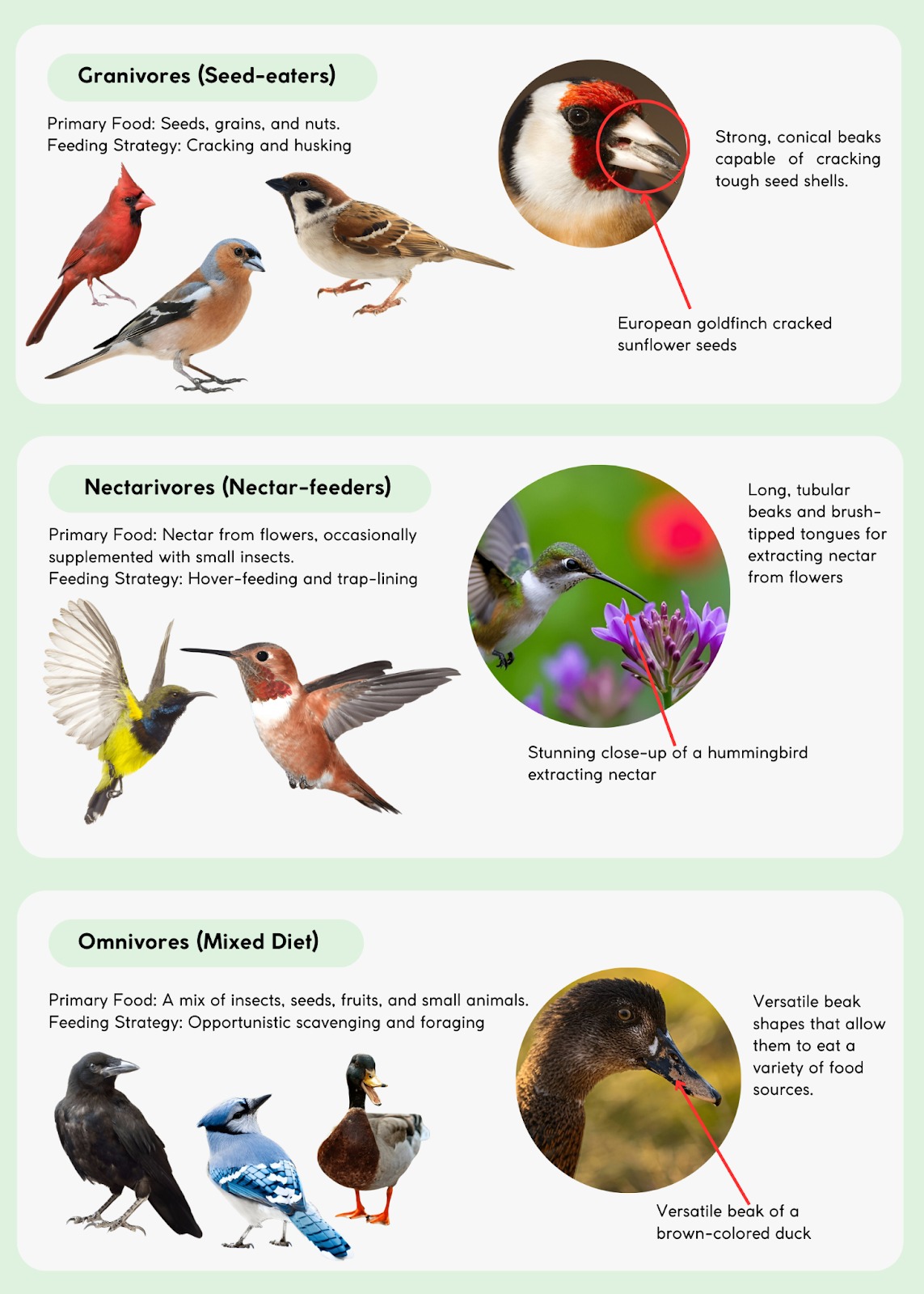
Natural selection acts like a filter, favoring traits that help birds survive and reproduce. For instance, finches on the Galápagos Islands developed different beak shapes to access various food sources. This adaptation led to the emergence of multiple species from a common ancestor.
Think about your local birds: have you noticed how some have longer beaks or brighter feathers? These differences often arise because of natural selection responding to environmental challenges.
Role Of Genetic Mutations In Bird Evolution
Genetic mutations introduce new traits in bird populations. While many mutations have little effect, some can provide advantages like better camouflage or improved flight. Over time, beneficial mutations accumulate and help create new species.
Imagine if a mutation gave a bird a stronger wing muscle; it might travel farther to find food, increasing its survival chances. This small change can spark a chain of evolutionary events.
Environmental Factors Driving Bird Diversity
Birds adapt not only to food availability but also to climate, predators, and competition. Diverse environments create opportunities for birds to evolve differently. Mountains, forests, and wetlands each encourage unique bird adaptations.
Have you ever wondered why some birds migrate while others stay put? Environmental pressures like seasonal changes push species to develop strategies that fit their specific habitats.
Speciation: How New Bird Species Form
Speciation happens when populations of the same species become isolated and evolve independently. Over generations, these groups accumulate enough differences to be considered separate species. Geographic barriers like rivers or mountains often cause this separation.
Consider how island birds often differ dramatically from their mainland relatives. Isolation creates a natural laboratory for evolution to work its magic, producing new species adapted to local conditions.
Conservation Efforts And Bird Species
Conservation efforts play a key role in protecting bird species worldwide. Birds belong to many genus and species, each with unique traits. Some species face threats like habitat loss, pollution, and climate change. Protecting them helps maintain nature’s balance. Conservation actions include habitat restoration, legal protection, and public awareness. These efforts aim to save endangered birds and support healthy populations.
Understanding Bird Species And Their Risks
Each bird species has different needs and risks. Some birds live only in small areas. These species face higher danger from habitat destruction. Others migrate long distances and need safe routes. Knowing these details guides conservation plans. Scientists study bird genus and species to track their status. This data helps focus efforts on the most vulnerable birds.
Habitat Protection And Restoration
Protecting natural habitats is vital for bird survival. Forests, wetlands, and grasslands offer food and shelter. Many conservation projects focus on preserving these areas. Restoration work repairs damaged environments. Planting native trees and cleaning wetlands bring birds back. These habitats support breeding and feeding for many species.
Legal Measures For Bird Conservation
Laws protect many bird species from hunting and trade. International agreements like CITES help stop illegal trafficking. National laws create bird sanctuaries and reserves. These legal tools reduce human threats to birds. Enforcement ensures people follow these rules to protect wildlife.
Community Involvement And Education
People play a big role in bird conservation. Education programs teach about bird importance and threats. Communities join in habitat cleanups and monitoring. Birdwatching groups raise awareness and funds for projects. Involving locals helps create lasting support for birds. Everyone can contribute to saving bird species.
Credit: animal-pedia.org
Birdwatching And Citizen Science
Birdwatching and citizen science bring people closer to nature. Watching birds helps identify their genus and species. Many bird lovers join citizen science projects to share their sightings. This collaboration supports research and protects bird habitats.
How Birdwatching Helps Identify Genus And Species
Birdwatching sharpens observation skills. Watching birds closely reveals key features. Shape, size, color, and behavior guide identification. Knowing the genus groups similar birds together. Species shows exact type within that genus.
Field guides and apps assist in matching birds to names. Learning scientific names deepens understanding of birds’ roles in nature.
Citizen Science Projects For Bird Lovers
Citizen science invites everyone to report bird sightings. Projects like eBird collect data worldwide. Participants submit details such as location, time, and bird type.
This data helps track migration patterns and population changes. It also highlights areas where birds need protection.
Benefits Of Joining Birdwatching And Citizen Science
- Enhances bird identification skills
- Contributes to scientific research
- Supports conservation efforts
- Connects with a community of bird enthusiasts
- Promotes outdoor activity and learning
Credit: animal-pedia.org
Frequently Asked Questions
What Genus Do Most Common Birds Belong To?
Most common birds belong to various genera, but the genus Turdus includes many familiar species like thrushes. Bird genera vary widely depending on species and family, reflecting diverse evolutionary paths in the avian world.
What Is The Species Classification Of Birds?
Birds are classified into thousands of species, each with unique traits. Species names follow genus names in scientific classification, for example, Corvus corax for the common raven.
How Is Bird Genus And Species Determined?
Genus and species are determined by physical traits, genetics, and behavior. Scientists analyze these factors to classify birds accurately in taxonomy.
Are All Birds In The Same Genus?
No, birds are divided into many genera based on differences. Genus groups species that share closer evolutionary relationships within the bird class.
Conclusion
Birds belong to many genus and species, showing great variety. Each genus groups birds with shared traits. Species identify exact types within those groups. Understanding these helps us know birds better. It makes watching and studying birds more fun. Nature’s diversity is clearer through this system.
Keep exploring to discover new bird kinds. This knowledge connects us to the natural world. Simple, clear, and useful for every bird lover.