
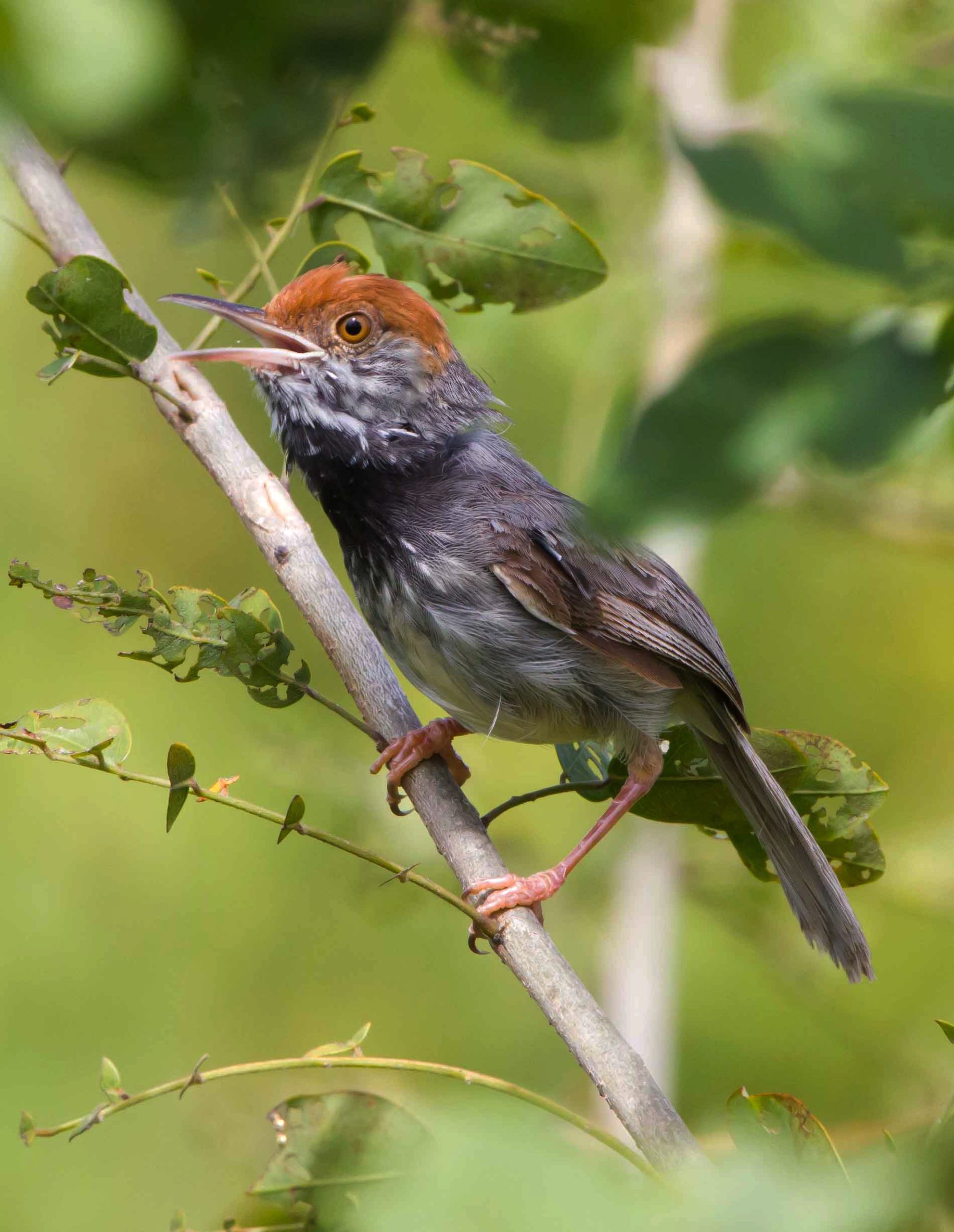
Have you ever wondered where new bird species are hiding, waiting to be discovered? Imagine spotting a bird no one has seen before—exciting, right?
New bird species aren’t just myths; they are being found in surprising places around the world. If you’re curious about where these amazing discoveries happen and why they matter, keep reading. This article will take you straight to the heart of the wild, revealing the hotspots where new birds come to light and what you can do to be part of this thrilling adventure.
Your next birdwatching trip might just change everything.
Global Birding Hotspots
Global birding hotspots are places where new bird species often appear. These areas have rich environments that support many unique birds. Bird watchers and scientists visit these spots to discover and study new species. The diversity of plants and climates in these regions creates ideal homes for birds not found elsewhere.
Tropical Rainforests
Tropical rainforests are full of life and color. They have many layers of trees and plants. This creates shelter and food for many birds. New species are often found here because the forests are vast and less explored. Countries like Brazil, Indonesia, and Congo have famous rainforests rich in bird diversity.
Remote Islands
Isolated islands have birds that evolve differently. These places have fewer predators and unique environments. Birds on remote islands develop special traits over time. This leads to new species not seen anywhere else. Examples include the Galápagos Islands and Madagascar, both known for unique birdlife.
Mountainous Regions
Mountains create different climates and habitats at various heights. Birds adapt to these changing conditions in many ways. High altitudes can shelter rare and unknown bird species. The Andes, Himalayas, and Rockies are important mountain ranges for bird discovery. These regions attract bird watchers searching for rare species.
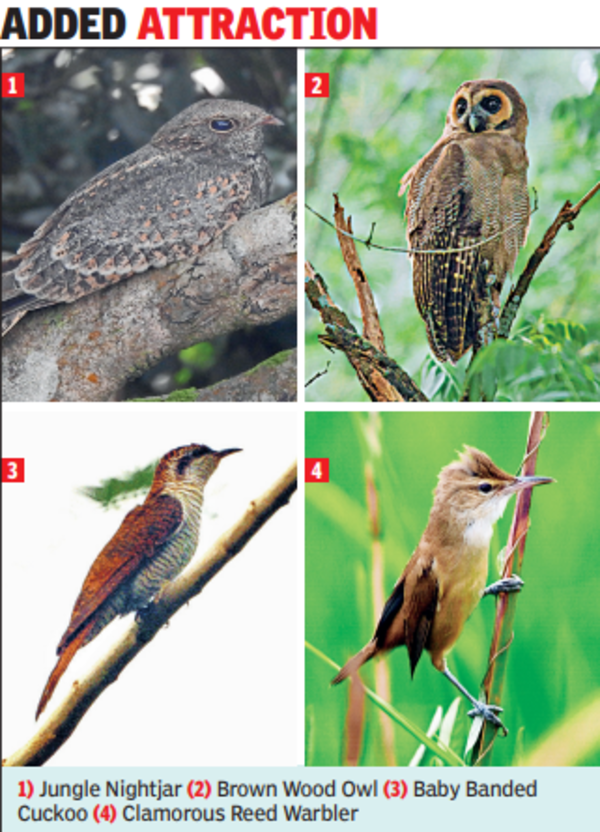
Credit: timesofindia.indiatimes.com
Challenges In Bird Discovery
Discovering new bird species is exciting but comes with many challenges. Birds often live in places hard to explore. These obstacles slow down finding and studying unknown birds. Understanding these challenges helps explain why bird discovery takes time and effort.
Dense Habitats
Many new birds live in thick forests or jungles. These areas have many trees and plants close together. It is hard to see or hear birds in such places. Dense habitats hide birds well, making discovery difficult. Researchers need special tools and skills to work here.
Climate Change Impact
Climate change changes bird habitats and behavior. Some birds move to new areas or change their patterns. This movement makes tracking birds harder. Changing weather also affects where birds can live and breed. Scientists must adapt quickly to these shifts.
Limited Access To Remote Areas
Many new bird species live in faraway places. Mountains, islands, and deep forests are hard to reach. Travel to these spots is costly and dangerous. Sometimes, political or safety issues block access. These limits slow down bird research and discovery.
Innovative Birding Techniques
Finding new bird species today goes beyond just watching through binoculars in the forest. Innovative birding techniques are changing the game, helping you spot birds that were once nearly invisible to the naked eye. These methods combine technology, community effort, and science to make birdwatching more precise and exciting.
Advanced Birdwatching Equipment
Modern birdwatchers use more than just binoculars and field guides. High-resolution spotting scopes and digital cameras capture detailed images and sounds from far away. Thermal imaging and drones allow you to observe birds in hard-to-reach places without disturbing them.
Imagine scanning a dense canopy with a drone’s camera, suddenly spotting a tiny bird species never recorded before. This equipment lets you document every detail, making identification easier and more accurate. Have you tried using apps that recognize bird calls in real-time? They can alert you to species you might otherwise miss.
Citizen Science Contributions
You don’t have to be a professional ornithologist to help discover new bird species. Citizen science platforms enable birders worldwide to share sightings and photos instantly. This collective data helps track bird populations and uncover species in unexpected places.
Take eBird, for example—a tool that allows you to log your bird observations and see what others have found nearby. Your next walk in the park could contribute to identifying a rare or undiscovered species. How often do you share your birding finds with others?
Genetic Analysis And Dna Barcoding
Sometimes birds look very similar, making visual identification tricky. Genetic analysis and DNA barcoding provide a way to confirm species with scientific accuracy. By collecting feather or blood samples, researchers can detect subtle differences that reveal new species.
This technique has uncovered several species that were hiding in plain sight, grouped under known ones. It’s like reading the bird’s unique barcode, showing you exactly what it is. Could your next birdwatching adventure involve a bit of DNA sampling?
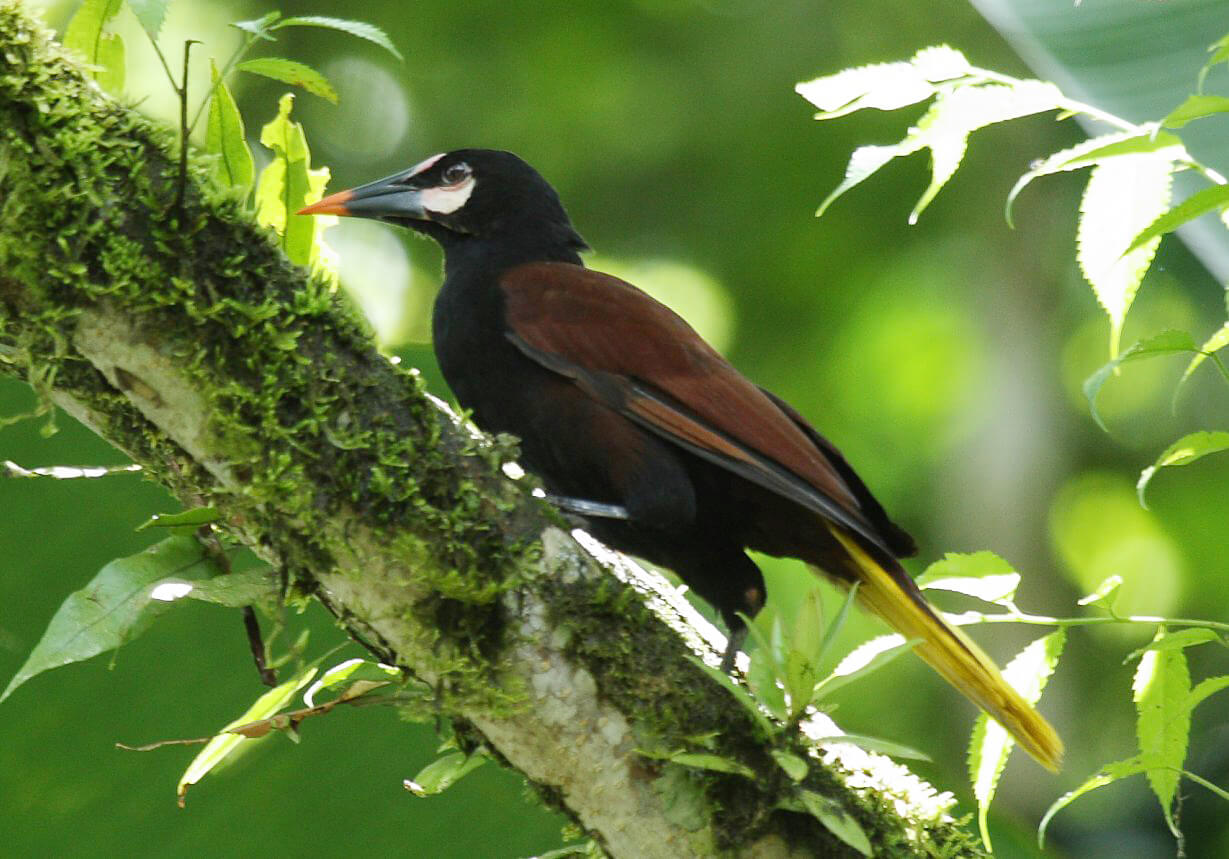
Credit: abcbirds.org
Role Of Conservation Efforts
Conservation efforts play a key role in discovering and protecting new bird species. These efforts help preserve the natural environments where birds live. Without conservation, many species may disappear before we even find them. Protecting birds requires teamwork, knowledge sharing, and public support. These efforts improve the chances of finding new birds and saving them for the future.
Protecting Habitats
Birds need safe places to live and breed. Protecting forests, wetlands, and grasslands keeps bird populations healthy. Many new species are found in untouched or remote habitats. Conservation stops habitat loss caused by farming, logging, and building. It also creates reserves and parks where birds can thrive.
Collaborative Research Initiatives
Scientists, governments, and organizations work together to study birds. Sharing data and resources helps identify new species faster. Research includes field surveys, genetic tests, and tracking bird movements. Collaboration across countries improves understanding of bird diversity worldwide.
Raising Awareness And Education
Educating people about birds encourages support for conservation. Awareness campaigns teach why birds and their habitats matter. Local communities learn how to protect birds and report sightings. Schools and media help spread knowledge, inspiring future conservationists.
Recent Discoveries
Discovering new bird species excites scientists and nature lovers worldwide. These discoveries show how much of our planet remains unexplored. Birds often live in remote or hidden places, making new finds possible even today.
Recent discoveries highlight the diversity of bird life on Earth. Many new species have unique features. They help us understand how birds adapt and survive in different environments.
Notable New Species
- The Wakatobi Flowerpecker, found in Indonesia, amazes with its bright colors.
- The Himalayan Forest Thrush was discovered in dense mountain forests.
- The Sky Island Tanager, spotted in Central America, shows vivid plumage.
Unique Adaptations
- Some birds have special beaks to eat unique foods.
- Others use unusual calls to communicate in thick forests.
- Camouflage helps many new species hide from predators.
Implications For Biodiversity
Each new species adds to the planet’s biodiversity. It shows ecosystems are rich and complex. Protecting these habitats is crucial for bird survival. New finds can guide conservation efforts. They remind us how much we still need to learn about nature.
Future Prospects In Bird Discovery
Discovering new bird species continues to excite scientists and bird lovers. The future holds great promise for finding birds that remain hidden. Advances in science and exploration open new doors. These prospects fuel hope for more discoveries in the coming years.
Emerging Technologies
New tools help researchers find birds in hard-to-reach places. Drones capture images from high above forests and mountains. Bioacoustic devices record bird calls, identifying species without seeing them. DNA analysis reveals differences in species that look alike. These technologies speed up discoveries and reduce human impact on habitats.
Potential New Regions
Remote areas still hide many unknown birds. Dense tropical forests in South America and Southeast Asia are top spots. Mountain ranges and islands also offer fresh possibilities. Some wetlands and deep caves remain poorly studied. Scientists plan to explore these regions more intensively soon.
Importance Of Continued Exploration
Ongoing fieldwork is vital for bird discovery. Each expedition adds to knowledge of bird diversity. Protecting habitats becomes easier with more species known. Local communities often help by sharing knowledge. Continuous exploration supports conservation and science growth.

Credit: www.npr.org
Frequently Asked Questions
Where Are New Bird Species Commonly Discovered?
New bird species are often found in remote forests, mountain ranges, and islands. Tropical rainforests and unexplored regions are hotspots for discoveries. These habitats have rich biodiversity and limited human access, making them ideal for finding new bird species.
Which Continents Have The Most New Bird Species?
South America, Asia, and Africa lead in new bird species discoveries. The Amazon rainforest and Southeast Asian jungles are especially rich. These regions offer diverse ecosystems and many unexplored areas, contributing to frequent findings of new birds.
How Do Scientists Find New Bird Species?
Scientists use field surveys, audio recordings, and DNA analysis to find new species. They explore remote habitats and study bird calls carefully. Advances in technology help identify subtle differences that distinguish new species from known ones.
Why Are New Bird Species Still Being Found Today?
Many habitats remain unexplored or difficult to access, preserving unknown species. Ongoing environmental changes and improved research methods also reveal hidden diversity. Scientists continuously update classifications as they gather new evidence.
Conclusion
New bird species mostly hide in remote forests and islands. These places have less human contact and rich nature. Scientists keep discovering birds in tropical rainforests and mountain regions. Wetlands and coastal areas also surprise us with new birds. Protecting these habitats helps more species survive and thrive.
Bird watchers and nature lovers can help by supporting conservation efforts. Each new discovery reminds us how much nature still holds secrets. The search for new birds continues, inspiring curiosity and care for our planet.