
Have you ever stopped to wonder where birds feel most at home? Understanding what habitat birds live in can change the way you see the world around you.
Whether you’re a nature lover, a curious learner, or someone who simply enjoys watching birds, knowing their favorite places to live can bring your outdoor experiences to life. You’ll discover the surprising variety of homes birds choose and why these habitats matter not just to them, but to you as well.
Keep reading to unlock the secrets of bird habitats and see your backyard in a whole new light.
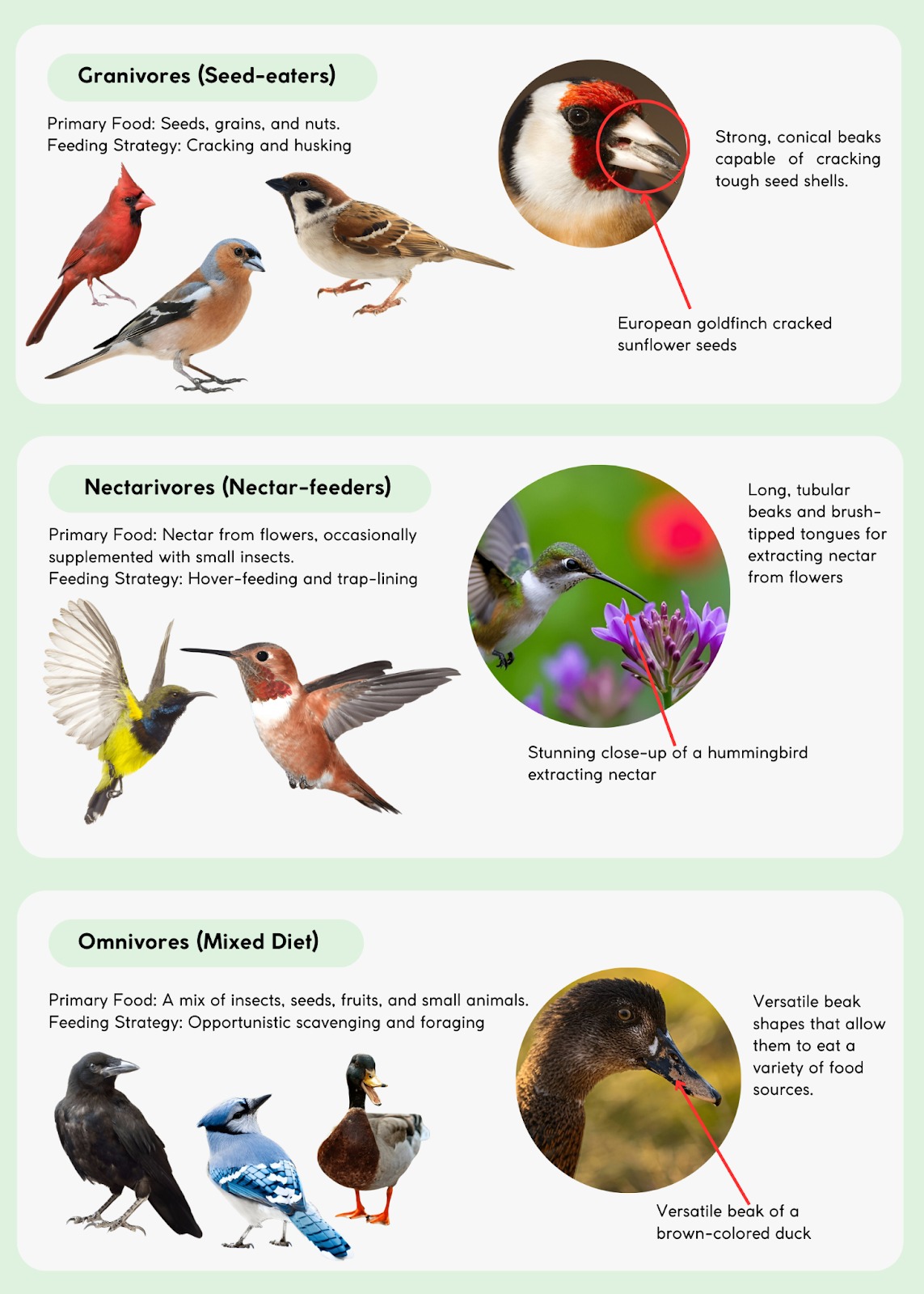
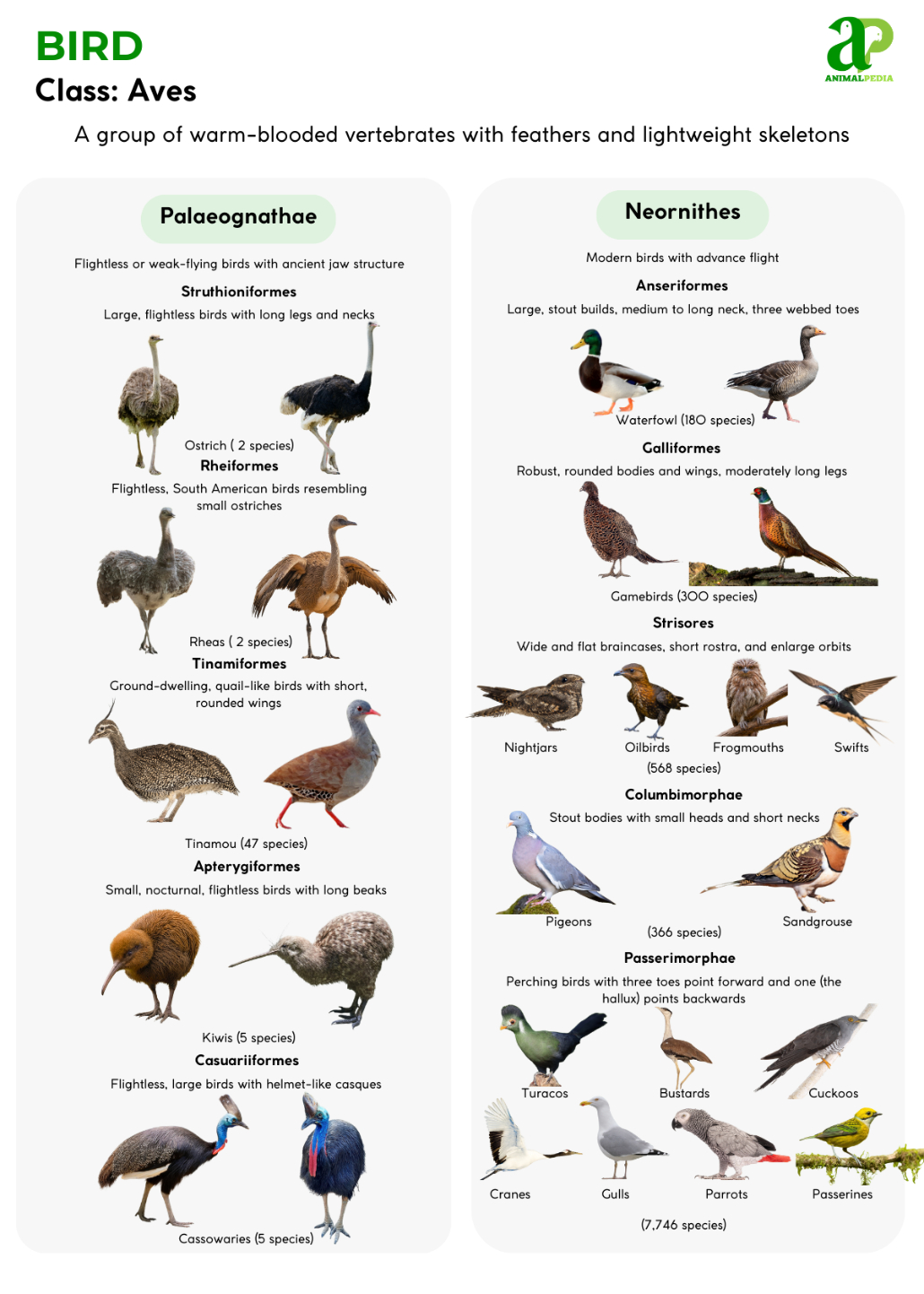
Credit: animal-pedia.org
Bird Habitats Around The World
Birds inhabit a wide range of environments worldwide. Each habitat offers unique resources and challenges for survival. Let’s explore the diverse habitats where birds thrive across the globe.
Forests And Woodlands
Forests and woodlands offer rich habitats for birds. Trees provide shelter and nesting sites. Birds like woodpeckers and owls prefer these dense environments. The canopy supports diverse species, each adapted to different forest levels.
Wetlands And Marshes
Wetlands and marshes are crucial for many bird species. These areas offer abundant food sources like fish and insects. Birds like herons and ducks thrive here. Wetlands serve as breeding grounds for many migratory birds.
Grasslands And Savannas
Grasslands and savannas support a wide range of birdlife. Open spaces make it easier for ground-nesting birds. Birds of prey like eagles and hawks hunt in these regions. Small birds find insects and seeds plentiful here.
Deserts And Arid Regions
Deserts and arid regions host birds adapted to dry conditions. These birds have special adaptations to conserve water. Cactus wrens and roadrunners are common desert dwellers. They thrive in extreme temperatures and sparse vegetation.
Urban And Suburban Areas
Urban and suburban areas now host various bird species. Cities offer food and nesting sites like buildings and trees. Birds like pigeons and sparrows are common in these areas. Urban environments create new challenges and opportunities for birds.
Nest Types And Locations
Birds build nests in many places. The type and location of their nests depend on their species and environment. Nests protect eggs and chicks from weather and predators. Different birds choose different spots and materials for their nests. Some build in trees, others on the ground, cliffs, or even water. Understanding nest types helps us learn about bird behavior and habitats.
Tree Nests
Many birds build nests in trees. They use twigs, leaves, and moss to create a safe place. Tree nests are often high off the ground. This height keeps eggs away from many predators. Birds like robins, eagles, and finches prefer tree nests. Some weave their nests tightly to hold eggs securely. Others build large platforms for their young.
Ground Nests
Some birds lay eggs directly on the ground. They make shallow scrapes or small cups in dirt or sand. Ground nests are common in open fields or beaches. Birds like plovers and quails use this method. They rely on camouflage to hide their nests. Sometimes, they gather grasses to line the nest. Ground nests face risks from predators and weather.
Cliff And Rock Nests
Birds also nest on cliffs and rocky ledges. These places offer safety from many animals. Seabirds like gulls and puffins often choose rocky coasts. They build simple nests or use natural crevices. These nests protect eggs from waves and wind. Cliff nests may be hard to spot but are very secure.
Cavity And Hole Nests
Cavity nests are inside tree holes or rock crevices. Birds like woodpeckers and owls use these spaces. They may find natural holes or make their own. Cavity nests protect eggs from weather and predators. Some birds line the cavity with feathers or soft materials. These nests offer good shelter and warmth.
Floating And Water Nests
Some birds build nests on water or floating plants. They use reeds, grasses, or twigs tied together. Birds like grebes and jacanas create floating nests. These nests move with water but stay stable. Water nests protect from land predators. They also keep eggs cool in hot weather.
Adaptations To Different Environments
Birds live in many habitats, from dense forests to open deserts. They have special features that help them survive in different places. These adaptations help birds find food, stay safe, and raise their young in various environments.
Camouflage And Coloration
Birds use colors and patterns to blend with their surroundings. Some have feathers that match tree bark or leaves. This makes it hard for predators to see them. Bright colors can also warn others or attract mates. Color changes help birds stay safe or find partners.
Nesting Materials And Construction
Birds build nests using materials from their habitat. Forest birds use twigs and leaves. Birds near water use reeds and mud. Some create nests in trees, others on the ground or cliffs. The nest design protects eggs from weather and predators.
Migration And Seasonal Habitat Changes
Many birds move to new places with the seasons. They leave cold areas before winter. Migration helps them find food and warm weather. Some travel thousands of miles to breed or rest. Seasonal moves are key for survival and reproduction.
Behavioral Adaptations
Birds change how they act to live in different habitats. Some hunt at night, others during the day. They may change diets based on food availability. Birds use calls to warn or attract mates. These behaviors help them adapt and thrive.
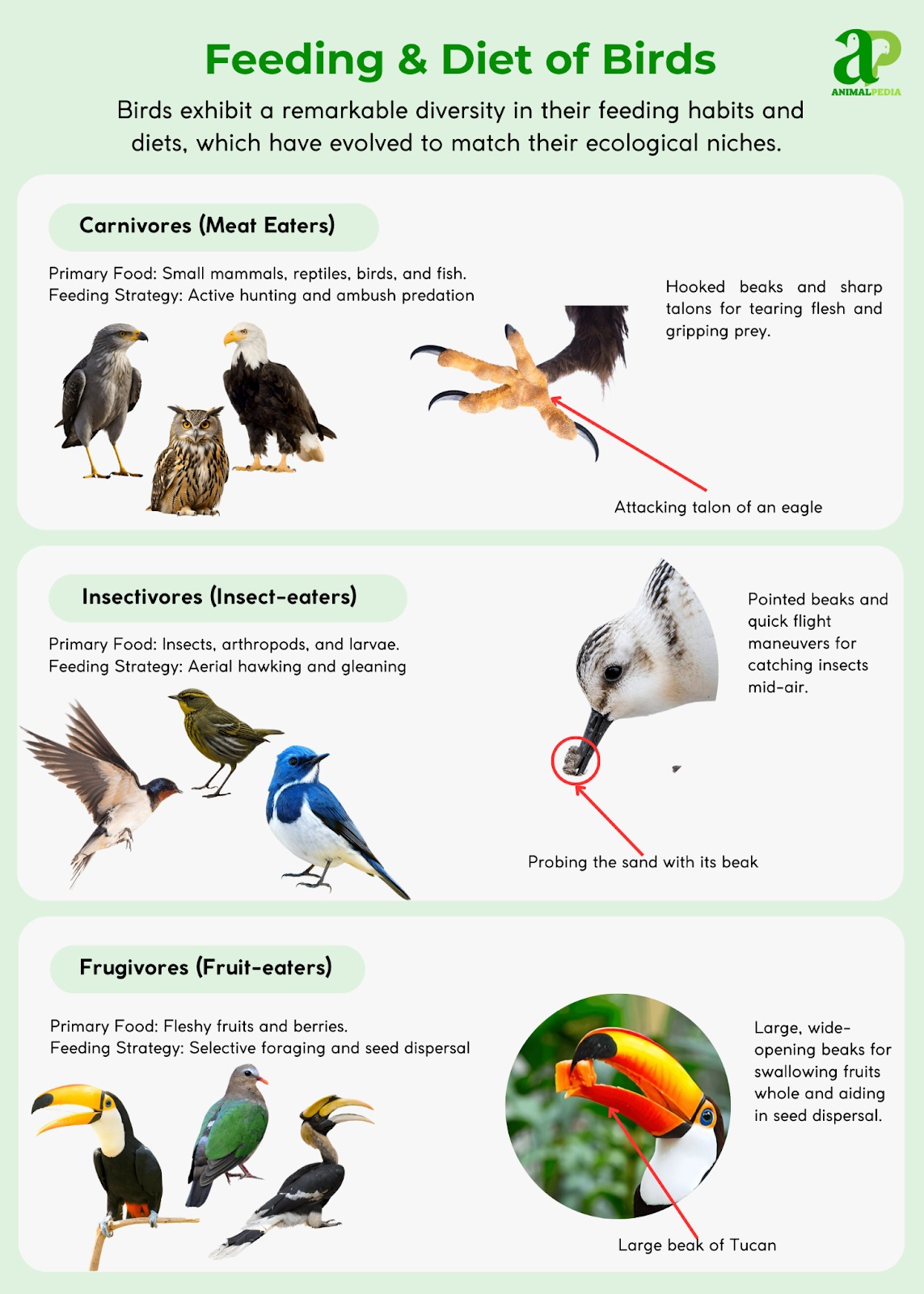
Credit: animal-pedia.org
Threats To Bird Habitats
Bird habitats face numerous threats that directly impact their survival. These challenges reduce the places where birds can live, find food, and breed. Understanding these threats helps you see the importance of protecting bird environments.
Deforestation And Habitat Loss
Cutting down forests removes vital homes for many bird species. Without trees, birds lose nesting sites and food sources. You might notice fewer birds around areas where forests have been cleared recently.
Imagine a dense forest you once visited, now replaced by open land. Birds that relied on that forest struggle to adapt or move far away. Protecting remaining forests is essential to keep bird populations healthy.
Pollution And Climate Change
Pollution poisons the air and water birds depend on. Chemicals and plastics can harm their health or reduce their food supply. Have you seen birds struggling near polluted lakes or rivers?
Climate change shifts weather patterns and seasons, confusing birds’ migration and breeding. Some birds arrive too early or late to find food or safe nesting spots. This mismatch can lower their chances of survival.
Invasive Species
Non-native animals and plants can disrupt bird habitats. Predators like rats or cats may eat eggs and young birds. Invasive plants can take over areas, reducing the variety of native plants birds need for food and shelter.
Think about how a single invasive species can change an entire ecosystem. Controlling these species helps maintain balance and protects native birds.
Human Disturbance
Human activities such as construction, noise, and recreational use can scare birds away. Even small changes in their environment can cause stress and reduce breeding success. Have you noticed birds flying off when people get too close?
Simple actions like keeping a respectful distance and minimizing noise can make a big difference. You have the power to help birds feel safe in their habitats.
Conservation Efforts For Bird Homes
Bird habitats face many threats from human activities and natural changes. Protecting these homes is vital for bird survival. Conservation efforts help keep bird populations healthy and habitats safe. These efforts work on many levels, from preserving land to educating people.
Protected Areas And Reserves
Setting aside land as protected areas helps birds live without disturbance. Reserves provide safe places for nesting and feeding. Governments and organizations create these areas to stop habitat loss. Strict rules limit human activity and protect wildlife. Many bird species thrive in these safe zones.
Habitat Restoration Projects
Restoring damaged habitats brings birds back to areas they once lived. Projects may plant native trees and remove invasive plants. Wetlands and forests get repaired to support bird life. These efforts improve food and shelter for birds. Restoration can turn empty spaces into vibrant homes again.
Community Involvement And Education
Local people play a big role in saving bird habitats. Education teaches why birds and their homes matter. Communities learn to protect nests and avoid harm. Volunteers help with cleanups and monitoring bird populations. Awareness leads to better care and respect for nature.
Sustainable Urban Planning
Urban areas can include bird-friendly spaces. Planning parks and green roofs helps birds find food and shelter. Avoiding destruction of natural areas reduces habitat loss. Cities can balance growth and nature by designing with birds in mind. This makes urban life better for people and birds.
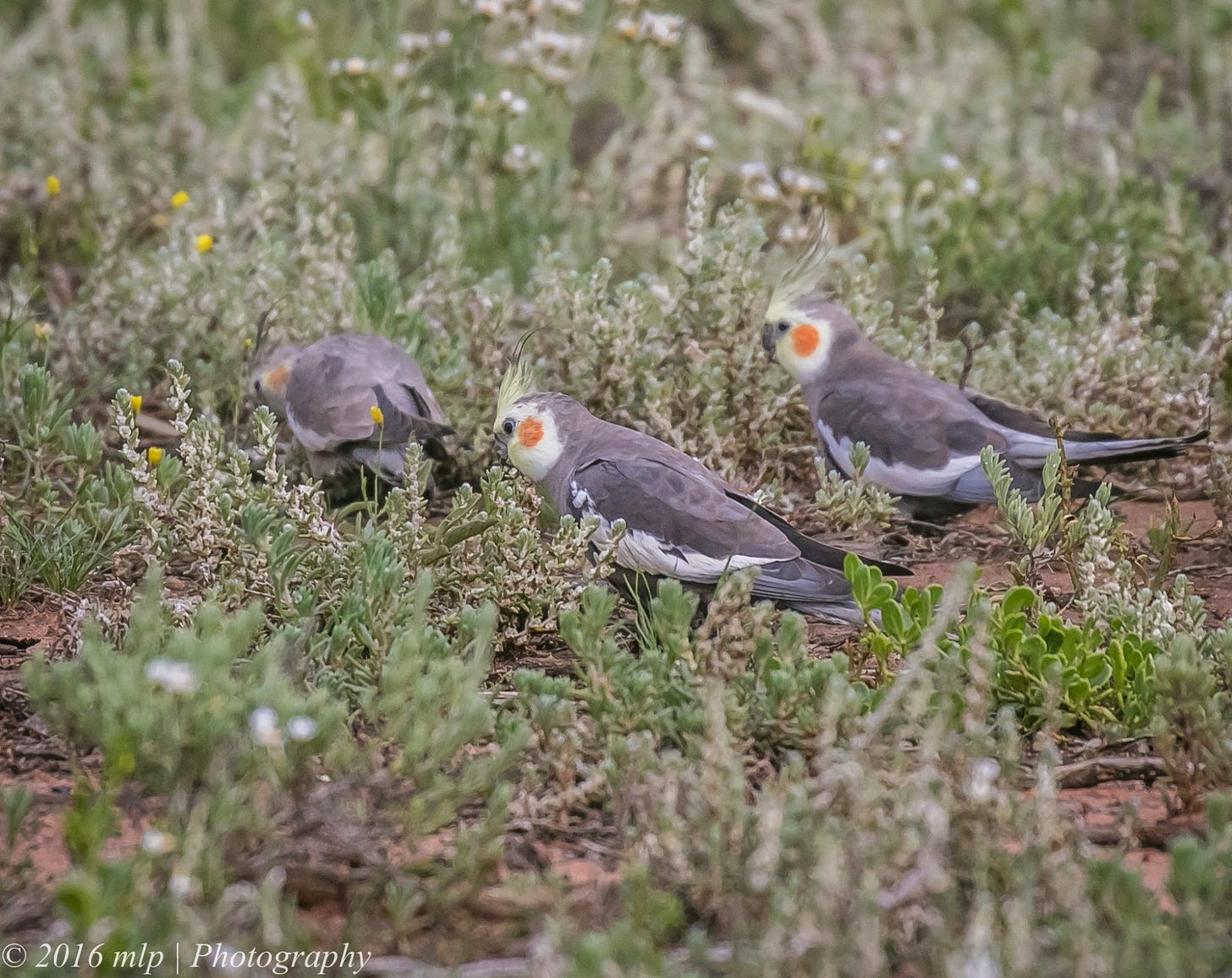
Credit: freerangeparrots.org
Frequently Asked Questions
What Types Of Habitats Do Birds Commonly Live In?
Birds live in diverse habitats like forests, wetlands, grasslands, deserts, and urban areas. Each species adapts to its environment to find food, shelter, and nesting sites, ensuring survival and reproduction.
How Do Birds Adapt To Different Habitats?
Birds adapt by developing specific behaviors, diets, and physical traits. For example, waterfowl have webbed feet for swimming, while desert birds conserve water and avoid heat.
Why Is Habitat Important For Bird Survival?
Habitat provides essential resources like food, water, and nesting sites. Without suitable habitats, birds struggle to feed, reproduce, and avoid predators, risking population decline.
Can Birds Live In Urban Habitats?
Yes, many birds thrive in cities by nesting in buildings, feeding on human scraps, and using parks as green spaces. Urban habitats offer unique challenges and opportunities for birds.
Conclusion
Birds live in many different habitats around the world. Forests, wetlands, deserts, and cities all provide homes. Each bird species chooses a place that fits its needs. Food, shelter, and safety guide their choices. Protecting these habitats helps keep birds safe.
Watching birds can teach us about nature’s balance. Every habitat plays a role in their survival. Understanding where birds live helps us care for them better. Nature depends on healthy homes for all creatures. Let’s appreciate and protect the places birds call home.