

Have you ever wondered where the dodo bird once lived? Understanding its habitat can reveal surprising facts about why this unique creature disappeared forever.
You’re about to discover the hidden world of the dodo’s home—an island environment unlike any other. Keep reading to uncover how its surroundings shaped its life and fate, and what lessons we can learn from it today. Your curiosity is about to be rewarded with fascinating insights.
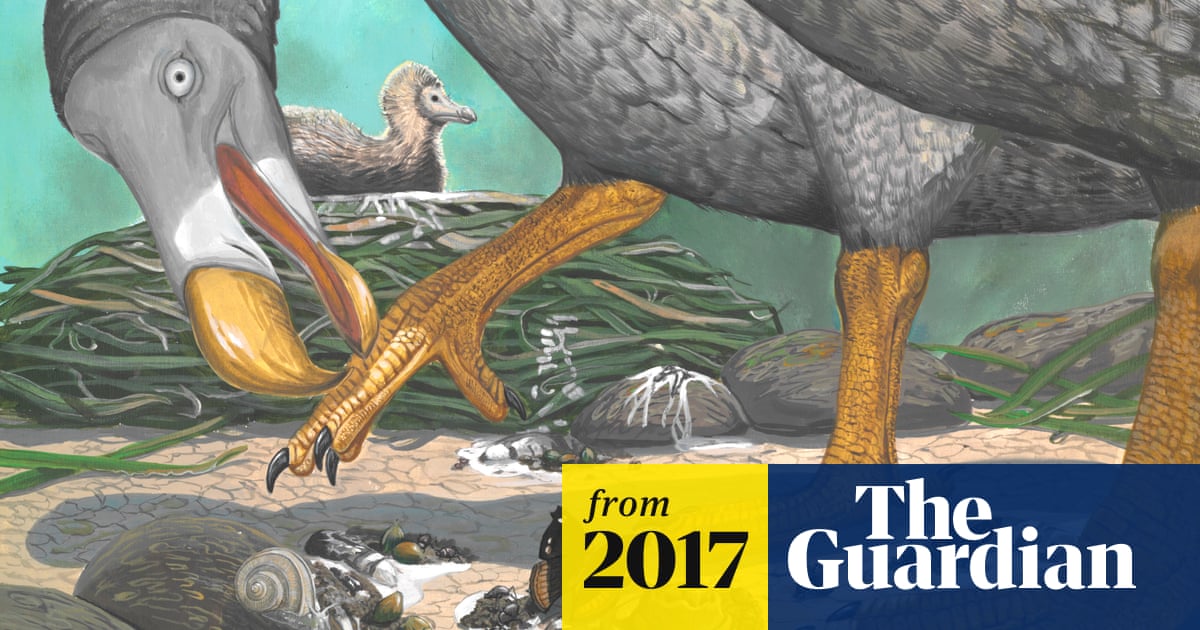
Credit: www.theguardian.com
Dodo Bird Origins
The Dodo bird, an iconic symbol of extinction, fascinates many. This flightless bird once thrived on a remote island. Its origins tell a story of evolution and isolation.
Evolutionary Background
The Dodo bird evolved from pigeons. It adapted to life without predators. Over time, it lost the ability to fly. Its wings became small and weak. This change happened over thousands of years. The Dodo’s size increased as it no longer needed to escape threats. Its beak became large and hooked, perfect for its diet.
Geographical Roots
The Dodo bird lived on Mauritius, an island in the Indian Ocean. This isolated habitat had no natural predators. The island’s dense forests provided food and shelter. The Dodo’s environment was rich in fruits and seeds. Its habitat supported a unique ecosystem. The arrival of humans disrupted this balance. Deforestation and introduced species led to the Dodo’s extinction.

Credit: theorkneynews.scot
Mauritius Island Environment
Mauritius Island was the exclusive home of the dodo bird. This island in the Indian Ocean had a unique environment. It shaped the life and habits of the dodo in many ways. The island’s nature was diverse and rich. It provided food and shelter to the dodo and other creatures. Understanding the island’s environment helps us learn about the dodo’s habitat and lifestyle.
Climate And Terrain
Mauritius has a tropical climate. It is warm and humid most of the year. Rainfall is common, especially in summer. The island’s terrain is varied. There are mountains, forests, and flat coastal areas. Volcanic soil makes the land fertile. This variety created many different habitats. The dodo lived mainly in forests and lowlands. These areas offered food and safety from predators.
Flora And Fauna
The island had many unique plants. Tall trees, shrubs, and fruit-bearing plants grew in the forests. These plants provided food for the dodo. The dodo ate fruits, seeds, and roots. Other animals lived on the island too. Some were birds, reptiles, and insects. The dodo had no natural predators at first. This allowed it to evolve without fear. The rich plant life and few predators made Mauritius a perfect home for the dodo.
Dodo’s Natural Habitat
The dodo bird lived in a unique environment on Mauritius Island in the Indian Ocean. This habitat shaped the dodo’s lifestyle and survival. The natural surroundings offered the right conditions for feeding, nesting, and shelter. Understanding the dodo’s habitat helps us learn about this extinct bird’s life.
Forest Types
The dodo lived mainly in dense tropical forests. These forests had tall trees and thick undergrowth. They provided shade and protection from strong winds. The forest floor was covered with plants and fallen fruits. This environment was ideal for a flightless bird like the dodo.
Food Sources
The dodo fed on fruits, seeds, and roots found in the forest. It also ate small land animals and insects. The island’s forests supplied many types of food all year. The dodo’s strong beak helped it crush hard seeds and fruits easily.
Shelter And Nesting Areas
The dodo built nests on the ground, hidden in thick bushes. Dense forest areas kept the nests safe from predators. The bird preferred spots near food sources and water. This made it easier to feed chicks and survive in its habitat.
Ecosystem Role
The dodo bird’s habitat on Mauritius was not just a home but a complex ecosystem where it played a unique role. Understanding its place in this environment helps you appreciate how the loss of a single species can ripple through an entire system. The dodo was more than a curious creature; it was a key player in maintaining the balance of its ecosystem.
Interactions With Other Species
The dodo had important relationships with many species around it. It shared the forest floor with giant tortoises and various birds, creating a network of interactions that affected survival and reproduction.
One of the most fascinating connections was with certain tree species. The dodo helped spread seeds by eating fruit and then moving to different areas before excreting them. This seed dispersal was crucial for the growth of native plants.
Think about how your actions might support or disrupt natural partnerships in your own environment. What small role could you play to help maintain balance?
Impact On Vegetation
The dodo influenced the plant life around it in several ways. By feeding on fruits and seeds, it controlled which plants grew more abundantly. This selective feeding shaped the forest composition over time.
Its absence caused noticeable changes. After the dodo disappeared, some trees struggled to reproduce because their seeds were no longer spread effectively. This shows how a single species can directly impact vegetation health.
Consider the plants in your area—how might the animals you see affect their growth and survival? What happens if those animals disappear?
Human Arrival Effects
The arrival of humans on Mauritius marked a turning point for the dodo bird’s habitat. This sudden change brought intense pressure on the ecosystem that had remained undisturbed for centuries. Understanding these effects helps us see how delicate island habitats can be and why protecting them matters.
Habitat Disruption
Humans quickly altered the dodo’s natural environment by clearing forests for settlements and farming. This destruction reduced the dense woodland areas where dodos found food and shelter.
Imagine losing your home and pantry all at once. That’s what happened to the dodo as trees fell and the landscape changed drastically. The loss of habitat made it harder for them to survive and reproduce.
Introduction Of Invasive Species
Along with habitat loss, humans unintentionally introduced animals like rats, pigs, and monkeys to Mauritius. These invaders preyed on dodo eggs and competed for food resources.
Have you ever seen how a new species can upset a balanced ecosystem? The dodo had no defenses against these newcomers, making their chances of survival even slimmer.
These combined effects show how human presence can disrupt an ecosystem in multiple, interconnected ways. What lessons can you take from this to protect vulnerable species today?

Credit: medium.com
Lost Paradise Today
The dodo bird once thrived in a lush, untouched habitat that now exists only in memories and history books. This lost paradise was a unique environment, rich in biodiversity and untouched by humans for centuries. Understanding what happened to this habitat can help you appreciate the fragile balance of ecosystems today and inspire you to protect the natural world around you.
Environmental Changes
The dodo lived on Mauritius, an island with dense forests and abundant food sources. Over time, human arrival brought drastic environmental changes. Forests were cleared for settlements and agriculture, destroying the dodo’s natural home.
Introduced animals like rats, pigs, and monkeys disturbed the ecosystem. These invasive species ate dodo eggs and competed for food, making survival impossible for the dodo. Have you ever noticed how small changes in your local environment affect wildlife? This is a clear example of how fragile ecosystems can be.
Conservation Efforts
Today, conservationists work hard to restore and protect what remains of the dodo’s habitat. Efforts include replanting native trees and controlling invasive species on islands like Mauritius. These actions aim to bring back the balance that once supported unique creatures, including the dodo.
You can support these efforts by learning about local wildlife and advocating for habitat protection. Even small steps, like reducing waste or supporting conservation groups, contribute to preserving natural habitats. What changes can you make in your daily life to protect the lost paradises still existing around the world?
Frequently Asked Questions
Where Did The Dodo Bird Live Originally?
The dodo bird lived exclusively on Mauritius Island in the Indian Ocean. This isolated habitat provided a unique environment with dense forests and abundant food sources, ideal for the dodo’s survival before human arrival.
What Type Of Habitat Did Dodo Birds Prefer?
Dodos preferred dense forest habitats with plenty of fruit-bearing trees. These environments offered shelter and food, supporting their diet of fruits, seeds, and roots in Mauritius’s tropical climate.
Why Was Mauritius Ideal For The Dodo Bird?
Mauritius had no natural predators, dense forests, and a warm climate. This made it a safe, resource-rich habitat, allowing the dodo to thrive until human activities disrupted the ecosystem.
How Did Habitat Affect The Dodo’s Extinction?
Habitat destruction by humans and introduced animals destroyed forests. This loss of habitat led to food shortages and vulnerability, directly contributing to the dodo’s extinction by the late 1600s.
Conclusion
The dodo bird lived only on Mauritius Island. It enjoyed forests and coastal areas. This habitat gave it food and shelter. Sadly, humans changed the land quickly. The dodo could not survive these changes. Learning about its home helps us protect wildlife today.
Nature’s balance is very fragile. Remembering the dodo’s story teaches us to care. Small actions can save many species. The dodo’s habitat shows how important nature is.