
Have you ever wondered what makes a bird unique from all the others you see? Understanding what a species of bird really means can change the way you look at the birds around you.
It’s not just about feathers or colors—it’s about how these amazing creatures live, behave, and survive. By knowing what defines a bird species, you’ll start to notice details you never saw before. Keep reading, and you’ll discover fascinating facts that will make your next birdwatching experience more exciting and meaningful.
Bird Classification Basics
Understanding bird classification is your first step toward identifying and appreciating the incredible variety of birds around you. Birds are grouped based on shared features, behaviors, and genetics, helping us make sense of their diversity. This basic framework lets you spot patterns and connect with birds on a deeper level.
Taxonomy: The Science Behind Bird Grouping
Taxonomy organizes birds into categories like order, family, genus, and species. Each level narrows down characteristics, making identification easier. Think of it as sorting your music collection by genre, artist, and album—you quickly find what you want.
For example, all hawks belong to the order Falconiformes, but the red-tailed hawk is a specific species within this group. Knowing this helps you recognize a bird’s relatives and understand its habits.
Physical Traits Used In Classification
Birds are often classified by their size, beak shape, plumage color, and wing structure. These traits reflect their lifestyle, like what they eat or how they fly. When you spot a bird with a strong, hooked beak, you might guess it’s a bird of prey.
Next time you watch birds, pay attention to these features. They provide clues that link one species to another and reveal how birds adapt to their environments.
Behavioral Characteristics That Matter
How a bird behaves can tell you a lot about its classification. Feeding habits, mating rituals, and migratory patterns are all important. For instance, woodpeckers have unique drumming behavior that sets them apart from other birds.
Ask yourself: What is this bird doing? Is it hunting, singing, or building a nest? Your observations help you place it in the right group and understand its role in nature.
Understanding Species
Understanding what makes a group of birds a species helps us learn about nature. Birds that belong to the same species share many traits. They can usually mate and have young ones that can also reproduce. Scientists use different clues to decide if birds belong to one species or more.
Defining A Species
A species is a group of animals that can breed with each other. Their babies must be able to grow and have babies too. Birds in a species look alike and behave in similar ways. They live in similar areas and have common calls or songs.
Sometimes, birds look very close but are different species. Scientists study their DNA, behavior, and habitat. These details help tell species apart. The goal is to understand how birds evolve and adapt to their world.
Species Vs. Subspecies
Subspecies are smaller groups within a species. They have small differences like color or size. These differences happen because they live in different places. Subspecies can still mate with each other and make healthy babies.
Think of subspecies as branches of the same tree. Each branch looks a bit different but belongs to one tree. Knowing about subspecies helps protect bird diversity. It shows how birds change over time but stay connected.
Taxonomy And Hierarchy
Understanding the taxonomy and hierarchy of bird species helps you grasp how scientists organize the vast diversity of avian life. Taxonomy provides a structured system to classify birds based on shared characteristics and evolutionary relationships. This system not only makes identification easier but also reveals how different birds are connected.
Taxonomic Ranks
Taxonomy sorts birds into several levels, known as taxonomic ranks. These ranks start broad and become more specific as you move down the hierarchy. The main ranks are:
- Kingdom:The highest level, grouping all animals.
- Phylum:Groups animals with similar body plans, such as chordates that include all birds.
- Class:For birds, this is Aves, distinguishing them from mammals or reptiles.
- Order:Divides birds into groups like Passeriformes, which includes songbirds.
- Family:Narrows down to related genera, for instance, Corvidae, the crow family.
- Genus:A closer grouping of species sharing common traits.
- Species:The most specific rank, identifying individual types of birds capable of interbreeding.
Have you noticed how this hierarchy mirrors a family tree? Each rank helps you understand a bird’s place in the natural world.
Importance Of Binomial Nomenclature
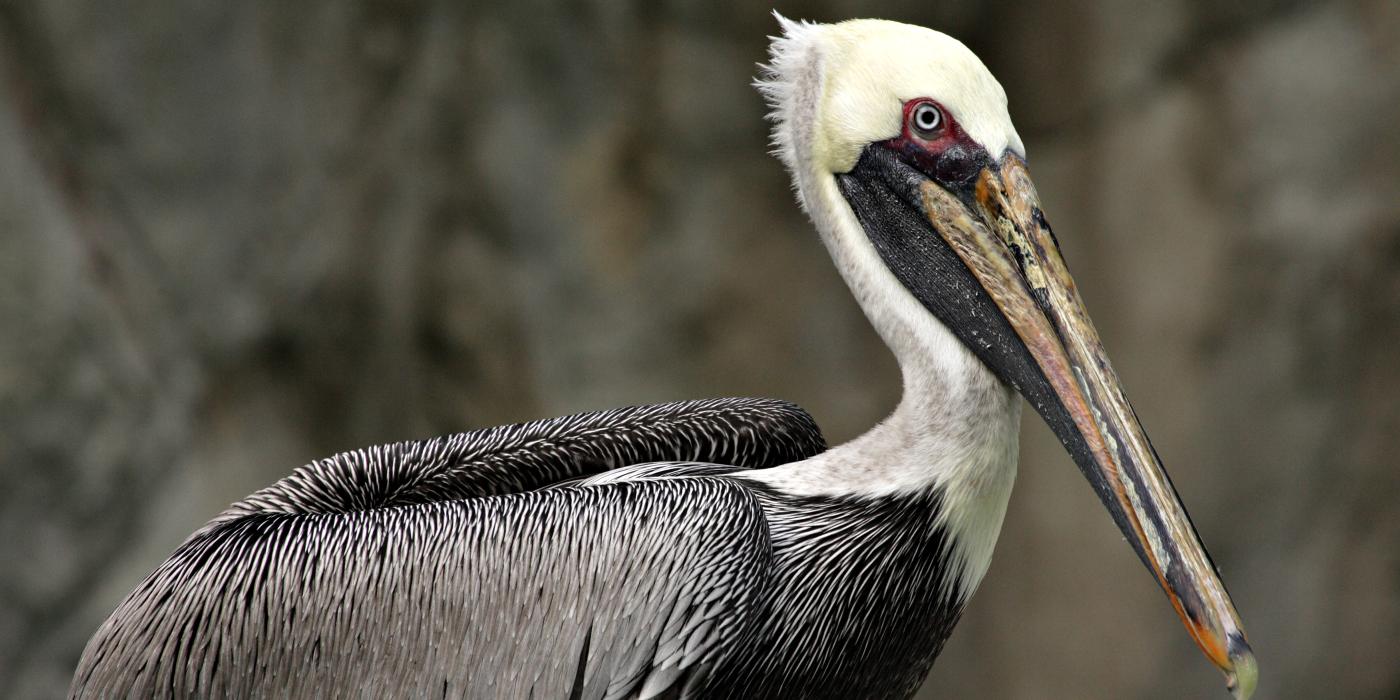
Binomial nomenclature gives each bird species a unique two-part Latin name. This system avoids confusion by providing a universal language for scientists everywhere. The first part is the genus name, and the second is the species identifier.
For example, the common pigeon is called Columba livia. This tells you it belongs to the genus Columba and the species livia. You might find local names vary widely, but binomial names stay consistent globally.
Using binomial nomenclature allows you to communicate precisely about birds, whether you are in a remote forest or reading a scientific paper. It’s a simple but powerful tool that connects bird enthusiasts and researchers worldwide.
Credit: nationalzoo.si.edu
Characteristics Of Bird Species
Bird species are incredibly diverse, and understanding their characteristics helps you appreciate their unique roles in nature. These traits are often what set one species apart from another and influence how they survive and interact with their environment.
Physical Traits
Physical traits are the most noticeable features that identify a bird species. These include size, shape, color patterns, beak type, and feather arrangement.
For example, woodpeckers have strong, chisel-like beaks designed for drilling into wood. On the other hand, hummingbirds have long, slender beaks perfect for reaching deep into flowers. Have you ever noticed how these physical differences reflect the bird’s feeding habits?
Other physical traits to watch for are wing shape and feet type. Birds that soar, like eagles, have broad wings, while fast flyers, like swifts, have narrow ones. Feet can be adapted for perching, swimming, or hunting, showing how species fit their habitats.
Behavioral Patterns
Behavioral patterns reveal a lot about how bird species live and survive. These include feeding habits, mating rituals, migration routes, and social interactions.
Think about the migratory behavior of Arctic terns, which travel thousands of miles annually. This behavior is a clear survival strategy to exploit different climates and food sources throughout the year. Does your local bird show seasonal changes in behavior?
Social behavior also varies widely. Some birds, like crows, are highly social and form complex groups, while others are solitary hunters. Recognizing these patterns can help you predict where and when to observe certain species in the wild.
Evolutionary Adaptations
Evolutionary adaptations shape the incredible diversity you see among bird species today. These adaptations help birds survive, reproduce, and thrive in various environments. Understanding how these changes occur reveals the fascinating story behind each species’ unique traits.
Natural Selection
Natural selection acts as nature’s filter, favoring traits that improve a bird’s chance of survival and reproduction. Imagine a bird with a slightly longer beak that helps it reach food others can’t access. Over time, more birds inherit this trait, making it common in the population.
This process isn’t random; it’s about which traits fit best with the environment. Have you noticed how birds in colder climates often have thicker feathers? That’s natural selection at work, shaping species to suit their habitats perfectly.
Adaptive Radiation
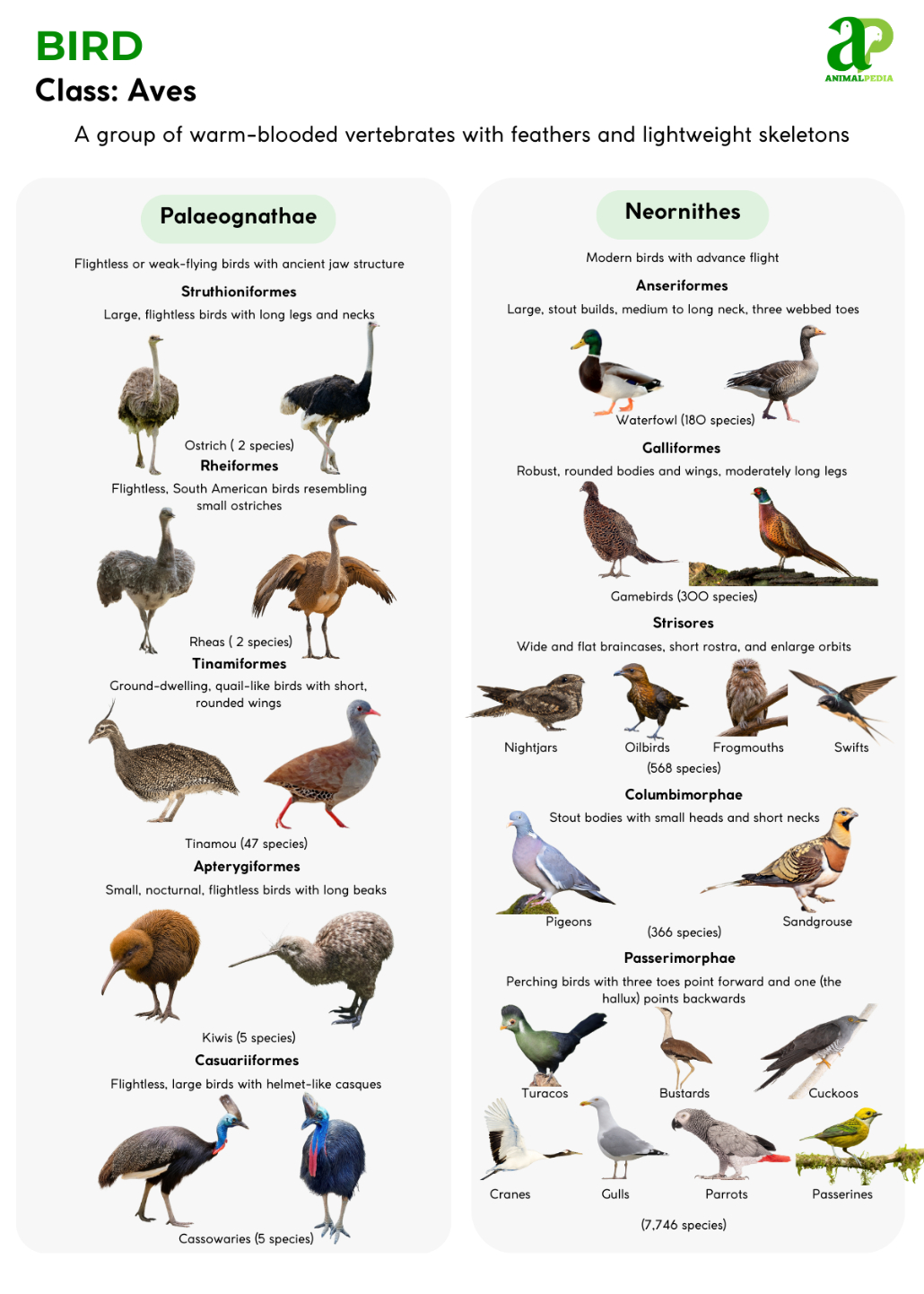
Adaptive radiation happens when a single bird species evolves into many different types, each adapted to a unique niche. Picture a group of birds landing on an island with various food sources. Some develop strong beaks for cracking nuts, while others grow slender beaks for catching insects.
This branching out creates a variety of species from a common ancestor. It’s like nature’s way of experimenting with new ways to survive. Can you think of other examples where one species splits into many specialized forms?
Credit: animal-pedia.org
Global Bird Diversity
Birds are among the most diverse creatures on Earth, with thousands of species filling our skies, forests, and oceans. This global variety reflects millions of years of evolution, adapting birds to nearly every environment. Understanding the broad spectrum of bird species can deepen your appreciation for nature’s complexity and the delicate balance of ecosystems.
Major Bird Families
Bird species group into families based on shared characteristics and evolutionary history. Some families are incredibly diverse, containing hundreds of species, while others are much smaller but equally fascinating.
- Passerines: Often called perching birds or songbirds, this family includes sparrows, finches, and crows. They make up over half of all bird species worldwide.
- Raptors: Birds of prey like eagles, hawks, and owls belong here. Their sharp talons and keen eyesight make them skilled hunters.
- Waterfowl: Ducks, geese, and swans are part of this family. They thrive in freshwater and coastal habitats.
- Parrots: Known for their bright colors and intelligence, parrots are mainly found in tropical regions.
Have you noticed how some bird families dominate in certain areas but are almost absent in others? This leads us to where birds live around the world.
Geographical Distribution
Bird species do not spread evenly across the globe. Their presence depends on climate, food availability, and habitat types.
Tropical rainforests, like the Amazon and Congo basins, host the greatest number of bird species. Here, you can find colorful toucans, hummingbirds, and countless songbirds. Contrast this with polar regions, where only a few hardy species like penguins and gulls survive the cold.
Islands often have unique bird species found nowhere else on Earth. The Galápagos finches, for example, helped Charles Darwin understand how species evolve. This makes you wonder—how many undiscovered bird species might still be out there?
Conservation And Threats
Bird species face many risks that threaten their survival. Habitat loss, climate change, and pollution reduce their numbers. Some species struggle to find food or safe places to nest. Human activities often disrupt their natural lives. Conservation is vital to protect these birds and keep ecosystems balanced.
Endangered Species
Endangered bird species have very low populations. They risk extinction if threats continue. Many live in small areas, making them more vulnerable. Some well-known endangered birds include the California condor and the Kakapo. Protecting these species helps preserve biodiversity and nature’s beauty.
Conservation Efforts
Conservation programs work to save threatened birds. Efforts include habitat restoration, legal protection, and breeding programs. People also track bird populations to understand their needs. Local communities join projects to protect nests and reduce dangers. Education raises awareness about the importance of bird conservation.

Credit: www.notesfromtheroad.com
Role Of Birds In Ecosystems
Birds play a vital role in maintaining the balance of ecosystems. They contribute in various ways that affect both plants and animals around them. Understanding these roles can help you appreciate the importance of protecting bird species in your local environment.
Ecological Functions
Birds act as pollinators, spreading pollen from flower to flower as they feed on nectar. This helps plants reproduce and ensures healthy plant populations.
Many birds control insect populations by feeding on pests, which benefits farmers and gardeners alike. Without birds, pest outbreaks could become more frequent, causing damage to crops.
Birds also disperse seeds through their droppings. This natural seed dispersal helps plants grow in new areas, supporting forest regeneration and diverse habitats.
Indicator Species
Birds often reflect the health of their environment. When you notice changes in bird populations, it might signal shifts in air or water quality, or habitat conditions.
For example, a decline in certain bird species can warn you about pollution or habitat destruction before it affects other wildlife. Paying attention to these signals can guide conservation efforts.
Have you ever observed fewer birds in your area? This could be a sign to investigate local environmental changes and take action to protect your ecosystem.
Birdwatching And Citizen Science
Birdwatching connects people with nature and helps study bird species worldwide. It offers a fun way to learn about birds and their habitats. Citizen science invites everyone to join in and share bird observations. This teamwork supports bird research and conservation efforts.
Birdwatching Basics
Birdwatching involves observing birds in their natural places. Beginners use simple tools like binoculars and field guides. Watching bird behavior helps identify different species. It builds patience and sharpens attention to details. Birdwatching can happen in parks, forests, or even backyards.
Impact Of Citizen Science
Citizen science uses public help to gather bird data. Volunteers report sightings through apps and websites. This data tracks bird numbers, migration, and health trends. Scientists analyze information to protect birds and habitats. Citizen science creates a large, valuable data pool quickly. It raises awareness about bird conservation worldwide.
Frequently Asked Questions
What Defines A Species Of Bird?
A species of bird is defined by shared traits and the ability to interbreed. They have common genetics, behavior, and physical characteristics that distinguish them from other birds.
How Many Bird Species Exist Worldwide?
There are approximately 10,000 bird species worldwide. This number changes with discoveries and taxonomic revisions.
Why Is Identifying Bird Species Important?
Identifying bird species helps in studying biodiversity, conservation, and ecosystem health. It aids birdwatchers and scientists in tracking populations and behaviors.
What Criteria Separate Bird Species?
Bird species differ by physical features, song patterns, habitat, and genetic makeup. These criteria help distinguish one species from another accurately.
Conclusion
Bird species show us the amazing variety of life in nature. Each species has its own shape, color, and sound. Knowing what makes a bird species helps us protect them better. Birds play important roles in the environment every day.
Watching and learning about birds can be fun and relaxing. Understanding species helps us see how nature works. It reminds us to care for animals and their homes. Birds connect us to the world outside our doors. They bring beauty and life to our skies.