

Are you a bird enthusiast eager to capture the mesmerizing beauty of your feathered friends? Choosing the right camera can transform your bird photography from ordinary to extraordinary.
Imagine freezing the vibrant flutter of wings or the curious gaze of a rare species with stunning clarity. You want every photo to tell a story, to be a moment frozen in time. In this guide, we’ll explore the best camera options that will help you achieve just that.
Whether you’re a seasoned photographer or just starting out, finding the perfect camera will elevate your bird photography to new heights. Ready to discover which camera will become your trusted companion in the wild? Let’s dive in and find the one that suits your needs!
Key Features For Bird Cameras
Choosing the right camera for bird photography depends on several key features. These features help capture clear, sharp, and detailed images of birds in flight or perched. Understanding these features makes selecting a camera easier and improves your bird photos.
Sensor Size And Resolution
A large sensor captures more light and detail. Full-frame sensors often perform best in low light. High resolution helps to crop images without losing quality. Aim for at least 20 megapixels for crisp bird photos.
Autofocus Speed And Accuracy
Birds move quickly. A fast autofocus system locks focus on birds in motion. Accuracy ensures the bird is sharp, not the background. Look for cameras with advanced tracking autofocus features.
Lens Compatibility
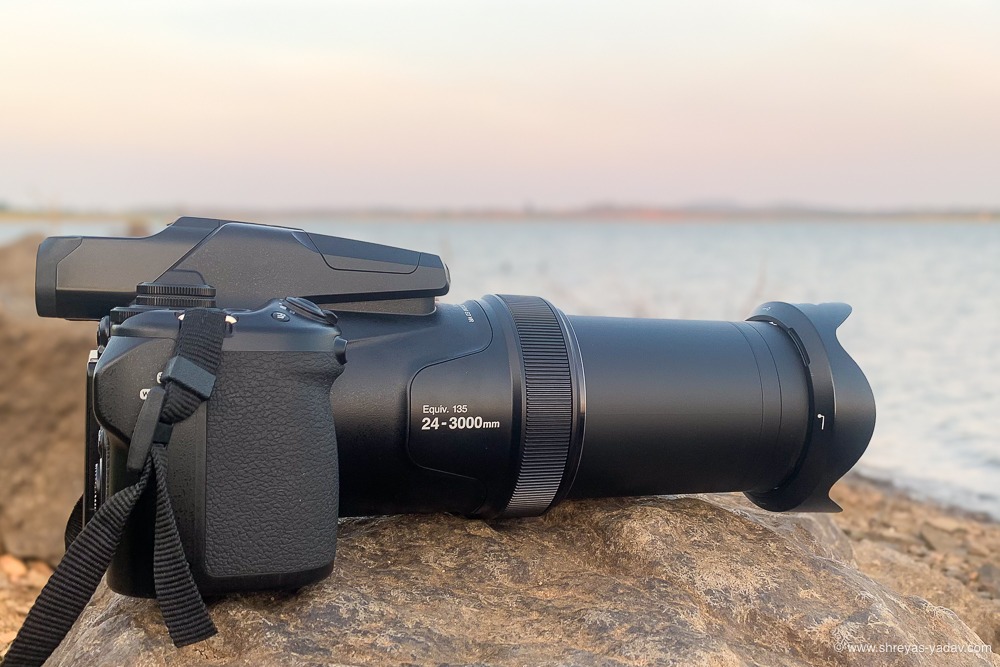
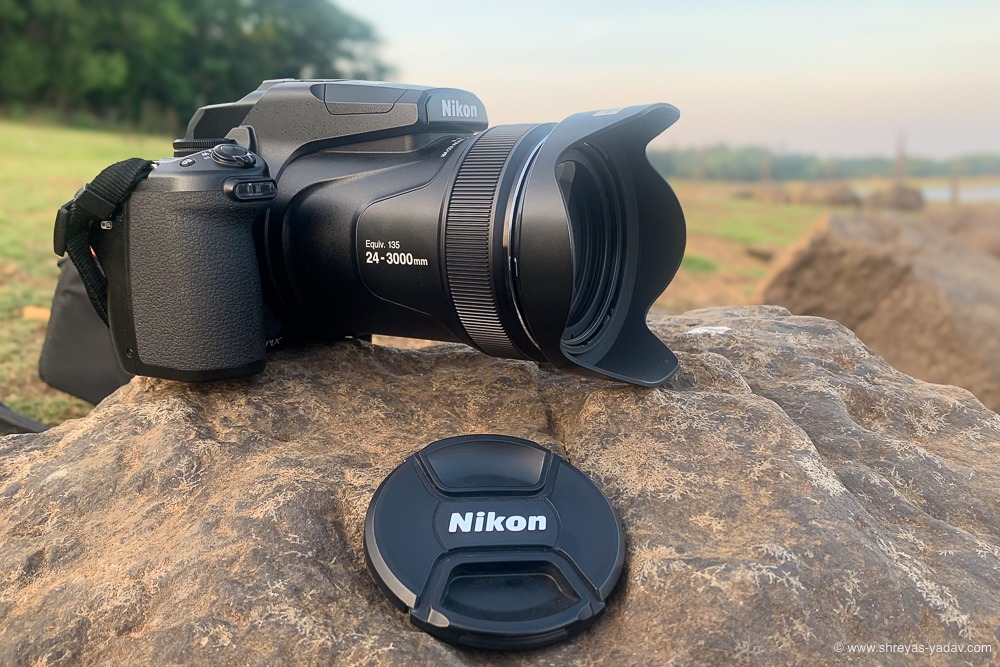
Telephoto lenses are essential for bird photography. Check if the camera supports long lenses with good image quality. Lens options affect how close you can get without disturbing the bird.
Image Stabilization
Image stabilization reduces blur from hand movement. This feature helps when shooting handheld or in windy conditions. Both in-body and lens stabilization improve photo sharpness.
Weather Sealing
Bird photography often happens outdoors in different weather. Cameras with weather sealing resist dust, rain, and moisture. This durability protects your gear during long shoots in nature.
Credit: shreyas-yadav.com
Top Dslr Cameras For Birding
Choosing the right DSLR camera can make a huge difference in your bird photography. Birds are fast, often distant, and unpredictable subjects. You need a camera that captures sharp details, fast movements, and vibrant colors to bring your bird photos to life.
High-end Models
If you want the best performance and don’t mind investing, high-end DSLR cameras offer incredible features. Cameras like the Nikon D500and Canon EOS 7D Mark IIare popular among serious birders. They have fast autofocus systems that lock onto birds in flight and high frame rates to capture every moment.
These models also handle low light well, which is crucial during early morning or late afternoon shoots. Their robust build means they can handle harsh outdoor conditions, so you don’t have to worry about weather. Have you ever missed a perfect shot because your camera was too slow? These high-end options will reduce those moments.
Budget-friendly Options
Not everyone can afford top-tier models, but that doesn’t mean you can’t take great bird photos. Cameras like the Nikon D3500or Canon EOS Rebel T7offer solid performance at a fraction of the cost. They are lighter, easier to handle, and still provide good image quality and decent autofocus speed.
For beginners or hobbyists, these cameras are a great starting point. Pair them with a good telephoto lens, and you’ll be surprised how much you can capture. What features matter most to you if you are balancing budget with quality?
Best Mirrorless Cameras For Birds
Mirrorless cameras have changed bird photography with their light bodies and fast focus. They capture sharp images of birds in flight or perched quietly. These cameras offer great image quality without the heavy weight of traditional DSLRs. Many models come with excellent autofocus systems and fast shooting speeds. Perfect for bird lovers who want sharp photos in a compact camera.
Lightweight And Portable Choices
Small mirrorless cameras make it easy to carry gear during long birdwatching trips. These models are light, so you can move quickly and quietly. They often have in-body image stabilization to reduce blur. Good zoom lenses fit well on these bodies, giving close-up shots of birds from afar. These cameras are ideal for beginners or travelers who want simple, effective gear.
- Compact size for easy handling
- Fast autofocus for quick shots
- Good battery life for long outings
- Compatible with lightweight telephoto lenses
Professional-grade Options
Professional mirrorless cameras deliver top image quality and speed. They feature large sensors that capture fine details and vibrant colors. The autofocus systems track fast-moving birds with precision. These cameras shoot many frames per second to catch perfect moments. They often support high-end telephoto lenses for distant bird photography. Professionals choose these for sharpness, speed, and rugged build quality.
- Full-frame sensors for best image detail
- Advanced tracking autofocus systems
- High burst rates for action shots
- Weather-sealed bodies for outdoor use
Credit: suryatara.com
Essential Lenses For Bird Photography
Choosing the right lenses is crucial for bird photography. Your lens impacts how close you can get to the subject, the clarity of details, and how well you capture fast movement. Knowing what lens features to look for helps you get sharp, vibrant shots that show off the bird’s character and environment.
Telephoto Lenses
Telephoto lenses bring distant birds closer without disturbing them. These lenses typically range from 300mm to 600mm or more, allowing you to photograph shy or flying birds with ease.
Many photographers prefer a 400mm lens as a versatile option, balancing size and reach. However, if you want to capture small birds or fine details, consider lenses with longer focal lengths like 500mm or 600mm.
Have you noticed how much more detail you capture when you don’t have to crop heavily? Telephoto lenses give you that advantage right from the start.
Prime Vs Zoom Lenses
Prime lenses have a fixed focal length and usually offer sharper images and wider apertures. They are lighter and often faster, making them great for low light and quick shots.
Zoom lenses cover a range of focal lengths, giving you flexibility when birds move unpredictably. A 100-400mm zoom, for example, lets you quickly adjust your framing without changing lenses.
Think about your shooting style: do you prefer the sharpness and speed of a prime lens, or the convenience and versatility of a zoom? Sometimes carrying both can cover all your bases.
Lens Aperture Considerations
The aperture size affects how much light your lens lets in and how blurry the background will be. A wider aperture (like f/2.8 or f/4) helps isolate the bird from distracting surroundings and improves low-light performance.
Birds are often found in shaded or early morning conditions, so a lens with a wide aperture can be a game-changer. But wider apertures usually mean heavier and more expensive lenses.
Would you rather have a lighter setup or the ability to shoot in dim light with sharp focus? Balancing aperture size with weight and cost is key to finding the right lens for your needs.
Accessories To Enhance Bird Shots
Accessories play a key role in improving bird photography. They help capture sharp, clear images and get closer without disturbing birds. Using the right tools increases your chances of getting stunning shots.
Tripods And Monopods
Tripods provide stable support for heavy lenses. They reduce camera shake, especially during long exposures. Monopods offer more mobility while still adding stability. Both help keep your camera steady in the field.
Remote Shutter Releases
Remote shutter releases let you take photos without touching the camera. This prevents vibrations that cause blurry images. Wireless or cable options allow you to capture birds from a distance quietly.
Camouflage Gear
Camouflage gear helps you blend into natural surroundings. Using blinds, covers, or clothing reduces the chance of scaring birds. Staying hidden allows you to photograph natural behaviors up close.
Tips For Choosing Your Bird Camera
Choosing the right camera for bird photography can be overwhelming. You want gear that fits your style, budget, and future plans. Considering a few key factors will help you make a smarter choice and enjoy shooting more.
Budget And Usage
Decide how much you’re willing to spend before diving into the specs. Are you a weekend birdwatcher or a serious enthusiast? A mid-range DSLR or mirrorless camera with a good zoom lens might be perfect if you shoot occasionally.
If you plan to photograph birds frequently, investing in a higher-end model with faster autofocus and better image quality pays off. Remember, lenses often cost more than the camera body, so budget for a quality telephoto lens too.
Portability Needs
Think about where you’ll be shooting. Will you hike long distances or stay in one spot? Lightweight and compact cameras make long hikes easier and let you react quickly to fast-moving birds.
On the other hand, larger cameras with bigger lenses provide better zoom and image quality but can weigh you down. Ask yourself: is carrying extra weight worth the improved performance for your style?
Future-proofing Your Gear
Technology evolves fast, and your camera should keep up. Look for models with upgradeable features or strong support from the manufacturer. This way, you won’t feel stuck with outdated gear in a year or two.
Consider lenses and accessories that fit multiple camera bodies or brands. This flexibility can save money and hassle later. How often do you want to upgrade your setup? Planning ahead helps avoid buyer’s remorse.
Credit: shreyas-yadav.com
Frequently Asked Questions
What Camera Features Matter For Bird Photography?
Key features include fast autofocus, high frame rate, and good image stabilization. A telephoto lens and excellent low-light performance also help capture sharp, detailed bird photos in various conditions.
Which Camera Brand Is Best For Bird Photography?
Canon, Nikon, and Sony are top brands for bird photography. They offer cameras with fast autofocus, high resolution, and great lens options to capture distant and fast-moving birds effectively.
Is A Dslr Or Mirrorless Camera Better For Birds?
Mirrorless cameras are preferred for bird photography due to faster autofocus and lighter weight. However, high-end DSLRs still provide excellent image quality and longer battery life for extended shoots.
What Lens Is Ideal For Bird Photography?
A telephoto lens between 300mm and 600mm is ideal. It allows capturing distant birds without disturbing them, offering sharp details and good background separation for stunning photos.
Conclusion
Choosing the best camera for bird photography depends on your needs. A good camera helps capture sharp, clear bird images. Consider factors like zoom, speed, and ease of use. Don’t forget battery life and weight for long trips. Test different models to find what feels right.
With the right camera, your bird photos will improve. Enjoy capturing nature’s beauty in every shot. Keep practicing, and watch your skills grow. Happy bird photography!