
Have you ever wondered why birds fly thousands of miles every year, leaving their homes behind? What drives them to take such a long and risky trip?
Understanding the most likely reason a bird species migrates can change the way you see these incredible creatures. You’ll discover the key forces behind migration and how they impact not just birds, but the world around you. Keep reading—you might be surprised by what you learn.
Credit: timesofindia.indiatimes.com
Migration Patterns
Migration patterns reveal how birds move through the seasons and across vast distances. These patterns help birds survive by finding better food, shelter, and breeding spots. Understanding these movements sheds light on why species travel so far and return each year.
Seasonal Movements
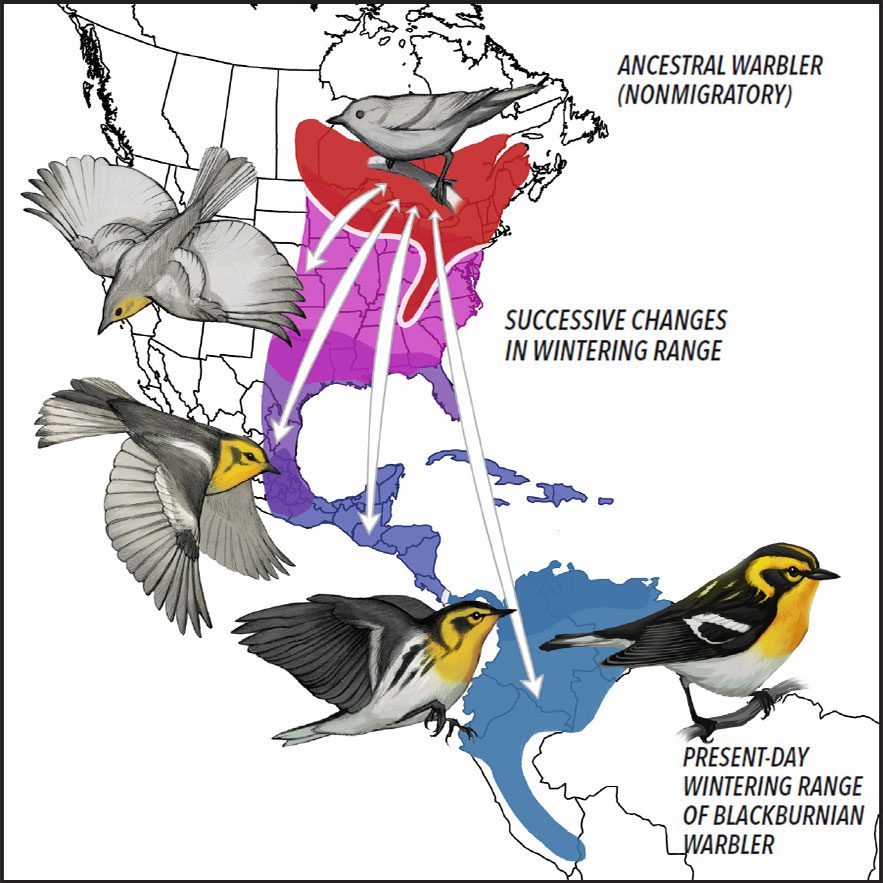
Many birds change locations with the seasons. They leave cold areas during winter. They fly to warmer places where food is more available. This movement helps them avoid harsh weather and scarce resources. Birds often return to the same breeding grounds in spring. This cycle repeats every year and keeps their populations stable.
Long-distance Journeys
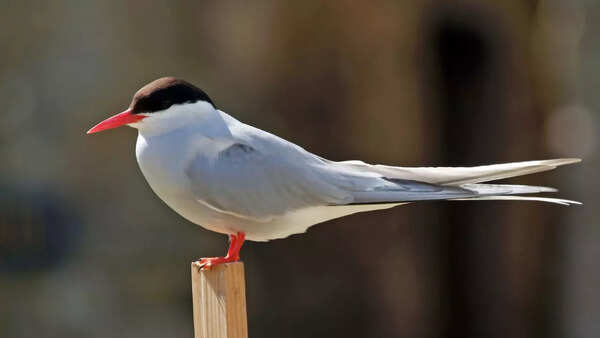
Some birds travel thousands of miles between continents. These long journeys are challenging and require strong navigation skills. Birds use the sun, stars, and Earth’s magnetic field to find their way. They often stop at safe spots to rest and eat. These trips allow birds to access different habitats for breeding and feeding. Long-distance migration is a key survival strategy for many species.
Environmental Triggers
Environmental triggers play a crucial role in why birds decide to migrate. These triggers signal changes in the surroundings that tell birds it’s time to move. Understanding these cues can help you appreciate the precision behind bird migration.
Temperature Changes
Temperature shifts are one of the strongest signals for birds to start their journey. As the air cools, food sources like insects and plants become scarce. Birds sense this drop and begin migrating to warmer areas where survival is easier.
Think about your own habits—how do you change your routine when the weather drops? Birds react similarly but with life-or-death urgency. Have you noticed certain birds disappearing as the cold sets in near your home? That’s temperature guiding their path.
Daylight Variation
The length of daylight, or photoperiod, is another powerful environmental cue. Birds are sensitive to the amount of daylight they get each day. When days start getting shorter, it triggers hormonal changes that prepare them for migration.
This shift isn’t random. Your body clock changes with the seasons too, affecting your sleep and energy. Birds use daylight as a reliable calendar, adjusting their behavior well before harsh weather arrives. What changes do you notice in your local birds as days grow shorter?
Food Availability
Food availability plays a crucial role in why many bird species decide to migrate. When the seasons change, the abundance of food sources can shift dramatically. This change forces birds to move to areas where they can find enough nourishment to survive and thrive.
Resource Scarcity
Birds often leave their breeding grounds because food becomes scarce. Imagine you rely on berries, insects, or fish, and suddenly these resources disappear with colder weather. Birds don’t just tolerate hunger—they actively seek environments where food is plentiful.
During winter, many insects go dormant or die off, and plants stop producing seeds and fruits. This scarcity pushes birds to travel thousands of miles to find places rich in food. Have you noticed how birds gather near water bodies or warm regions during colder months? That’s no coincidence—it’s all about food.
Nutritional Needs
Different bird species have unique dietary requirements that influence their migration patterns. Some need high-energy foods like nuts and seeds, while others depend on aquatic life or nectar. When these needs aren’t met in one area, birds are compelled to move to locations that fulfill their nutritional demands.
Consider hummingbirds, which migrate to find flowers blooming with nectar. Without this energy source, their survival is at risk. Understanding these specific needs helps explain why migration routes vary so widely among species.
Breeding And Nesting
Bird migration often revolves around breeding and nesting needs. Birds travel to find the best places for raising their young. These journeys help them secure safe environments with enough food and shelter. The right habitat ensures their offspring have the best chance to survive and grow strong.
Finding Suitable Habitats
Birds seek habitats that offer safety from predators. They look for places with enough food to feed their chicks. Some birds prefer dense trees, while others choose open fields or wetlands. The climate must be mild enough for eggs and young birds. Moving to these habitats increases their chances of successful breeding.
Reproductive Success
Migration helps birds time their breeding with favorable conditions. Arriving early gives them the first pick of nesting sites. This timing means more food and fewer threats for their young. Birds that migrate tend to have higher reproductive success. Their young have better survival rates in safe, resource-rich areas.
Predator Avoidance
Predator avoidance is a key reason many bird species migrate. Birds face constant danger from predators in their habitats. Migration helps them move to safer areas. This move reduces the risk of being hunted or attacked.
By migrating, birds can find places with fewer predators. This increases their chances of survival. Avoiding predators also helps birds protect their young. Safe environments allow chicks to grow and develop.
Escape From Threats
Birds escape threats by leaving areas with many predators. They travel to regions where predators are less active. This escape lowers the chance of attacks. Birds often choose migration routes that avoid known danger zones.
Some birds time their migration to avoid predator seasons. For example, they leave before predators become active. Others use speed and distance to outrun threats. Migration becomes a way to stay one step ahead of danger.
Survival Strategies
Migration acts as a survival strategy against predators. Birds seek safer habitats with better food and shelter. This strategy helps maintain their population numbers. It ensures that more birds survive to breed.
- Moving to predator-free zones
- Choosing safer nesting sites
- Timing migration to avoid predator peaks
- Traveling in flocks for protection
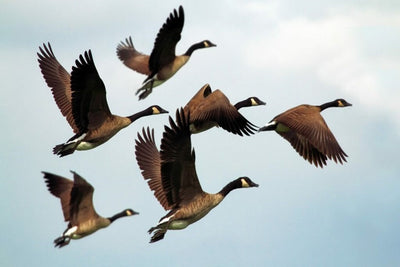
Flying in groups confuses predators and reduces individual risk. This teamwork during migration increases survival chances. Birds use these strategies to protect themselves and their offspring.
Credit: www.birdfy.com
Genetic Instincts
Bird migration is a natural behavior shaped by genetic instincts. These instincts guide birds on when and where to travel. The urge to migrate is deeply embedded in their DNA. It helps birds survive harsh weather and find food. This section explores how genetic instincts influence migration through inherited behaviors and navigation skills.
Inherited Behaviors
Birds inherit migration patterns from their parents. These patterns include timing, routes, and destinations. Even young birds that have never flown before know when to migrate. Their genes carry this vital information. This inheritance ensures that migration continues across generations. It helps birds avoid dangers and find safe places to live.
Navigation Skills
Birds use built-in navigation skills to find their way. Their genes provide a natural sense of direction. They can detect the Earth’s magnetic field, helping them orient. Many birds also use the sun and stars as guides. These skills work together to keep birds on the right path. Genetic instincts give birds the tools to migrate successfully.
Climate Change Impact
Climate change is reshaping the natural world in ways that directly affect bird migration. Rising temperatures and unpredictable weather patterns force birds to adjust their behavior and routes. This shift challenges their survival and tests their ability to adapt in real time.
Altered Routes
Birds rely on traditional migration paths that offer food, shelter, and safe stopovers. Climate change disrupts these routes by altering habitats along the way. Wetlands dry up, forests shift, and food sources become scarce.
Imagine planning a trip but finding your usual rest stops closed or unsafe. Birds face this reality every year. Some species now travel longer distances or take entirely new routes.
- Warmer temperatures push birds to higher latitudes or elevations.
- Storm frequency and intensity make some paths riskier.
- Changing plant bloom times affect food availability during migration.
Adaptation Challenges
Adapting to these changes is not easy. Birds must adjust their timing, breeding cycles, and energy use. But evolutionary changes take time, and rapid climate shifts often outpace their ability to cope.
Have you noticed how some bird species arrive earlier in spring or later in fall? These shifts reflect attempts to match new climate realities. Yet, mismatches between arrival times and food peak can lead to lower survival rates.
To help, you can:
- Support local conservation efforts that protect critical habitats.
- Create bird-friendly environments in your community.
- Stay informed about migration changes through citizen science projects.
What role can you play in helping birds navigate the challenges posed by climate change?

Credit: www.cbc.ca
Human Influence
Human activities have a strong impact on bird migration patterns. Changes in the environment caused by people can force birds to move differently. These changes often alter habitats, food sources, and safety for birds. Understanding human influence helps explain why many species migrate.
Urbanization Effects
Urban areas expand quickly, taking over natural habitats. Birds lose their nesting sites and food sources. Bright city lights can confuse migrating birds, causing them to stray off course.
- Buildings block flight paths
- Pollution harms bird health
- Noise disturbs feeding and breeding
Some birds adapt by using parks and gardens. Others move to less crowded areas. Urbanization changes the routes and timing of migration.
Conservation Efforts
People work to protect bird species and their habitats. Creating safe zones and reserves helps birds rest during migration. Planting native trees and flowers supports food availability.
- Protect wetlands and forests
- Reduce light pollution
- Monitor bird populations
These efforts aim to reduce negative human impact. Conservation can help restore natural migration patterns. It also improves survival chances for many species.
Frequently Asked Questions
Why Do Bird Species Migrate Seasonally?
Bird species migrate to find better food and breeding conditions. Seasonal changes reduce resources in their habitat. Migration helps them survive by moving to warmer areas with abundant food and safe nesting sites.
How Does Climate Affect Bird Migration Patterns?
Climate impacts food availability and breeding timing. Birds migrate to avoid harsh winters and exploit favorable climates. Changing weather patterns can alter traditional routes, making migration essential for survival.
What Triggers Birds To Start Migrating?
Birds respond to changes in daylight and temperature. These environmental cues signal when to begin migration. Hormonal changes prepare them physically for the long journey ahead.
Do All Bird Species Migrate Every Year?
No, only some species migrate regularly. Migration depends on species, habitat, and food needs. Some birds stay year-round if conditions remain stable and resources are sufficient.
Conclusion
Bird migration happens mainly to find food and better weather. Birds move to places where they can survive and raise their young. This journey helps them avoid cold winters and stay safe. Migration is a natural behavior built into many bird species.
It shows how animals adapt to their environment. Understanding why birds migrate helps us protect them better. Watching migration can also teach us about nature’s balance. Migration is a fascinating and important part of bird life.