
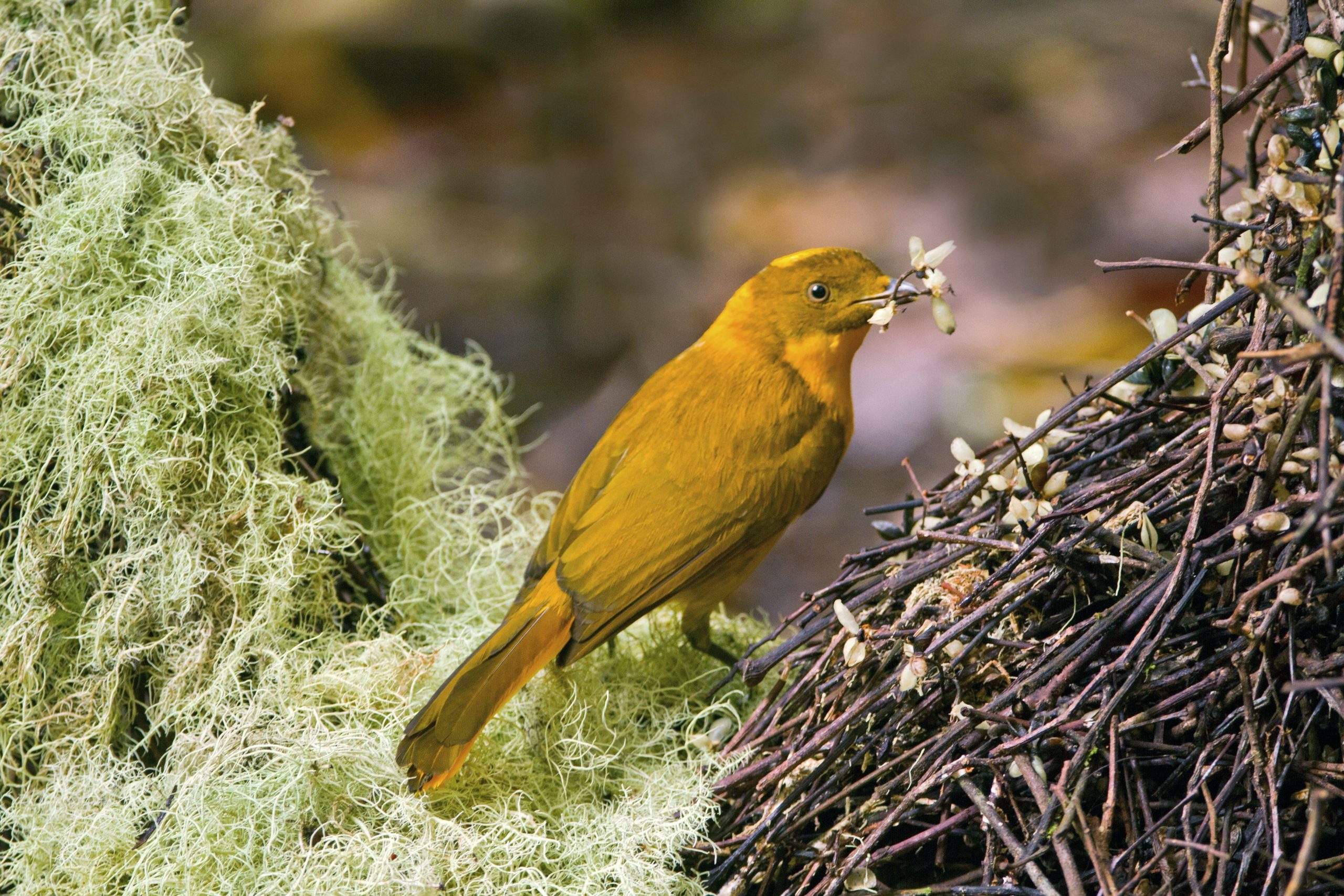
Have you ever wondered why the tropical regions of our planet are home to so many unique bird species you won’t find anywhere else? If you love nature or are curious about the secrets behind this amazing diversity, you’re about to discover some fascinating reasons.
Understanding why more endemic birds thrive in the tropics can change the way you see the world and inspire you to protect these special places. Keep reading, and you’ll uncover the hidden factors that make the tropics a bird lover’s paradise.
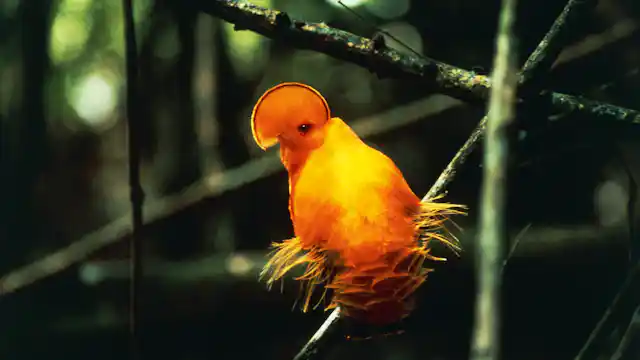
Credit: theconversation.com
Tropical Climate And Biodiversity
The tropical climate plays a key role in supporting rich biodiversity. Warm temperatures and consistent rainfall create ideal conditions for many species. Birds thrive in this environment, leading to a high number of endemic species found only in the tropics. The stability and resources of the tropical climate allow birds to adapt and evolve uniquely.
Stable Weather Patterns
Tropical regions have steady temperatures throughout the year. This stability reduces the stress of adapting to extreme weather changes. Birds can focus on breeding and feeding without seasonal disruptions. Stable weather also supports year-round food availability. These factors help birds develop specialized traits suited to their habitats.
Abundant Resources
Tropics offer plentiful food such as fruits, insects, and nectar. Diverse plant life creates many niches for birds to explore. Ample resources reduce competition and allow more species to coexist. Birds can specialize in feeding habits and habitats, encouraging unique evolutionary paths. This abundance supports a wide variety of bird species found nowhere else.
Geographical Isolation
Geographical isolation plays a key role in creating more endemic bird species in tropical regions. Isolation limits movement between populations. This allows birds to evolve independently over time. Unique environments and separated habitats increase species diversity. The tropics have many natural features that isolate bird populations.
Natural Barriers
Mountains, rivers, and dense forests act as natural barriers. These barriers block birds from moving freely between areas. Birds stuck in one isolated spot adapt to local conditions. This leads to new species over many generations.
For example, tall mountain ranges in tropical areas separate bird groups. Each group faces different climates and food sources. Over time, these differences cause genetic changes. Birds become distinct species found only in one place.
Island Biogeography
Islands in tropical oceans are hotspots for endemic birds. Water surrounds islands, preventing birds from flying to other lands. This isolation creates unique evolutionary paths.
Small islands have limited resources and space. Birds must adjust to these challenges. They develop special traits to survive. Many island bird species exist nowhere else on Earth.
Island biogeography explains why islands host many unique birds. Isolation combined with diverse environments creates perfect conditions for new species.
Evolutionary Processes
The tropics host a rich variety of bird species found nowhere else. This high number of endemic birds arises from unique evolutionary processes. These processes shape how birds adapt and evolve over time. They create new species that fit specific niches in tropical environments.
Adaptive Radiation
Adaptive radiation is a key process in tropical bird diversity. It happens when one species evolves into many different forms. Each new species adapts to a different habitat or food source. Tropical forests offer many niches for birds to explore.
For example, some birds evolve to eat insects, others to eat fruits or seeds. This variety reduces competition and allows many species to live together. The stable climate and complex habitats in the tropics encourage this branching out.
Speciation Rates
Speciation, the formation of new species, happens faster in the tropics. Warm temperatures and abundant resources support larger populations. Large populations increase genetic diversity, which fuels evolution.
Also, the tropics have many physical barriers like mountains and rivers. These barriers separate bird groups, causing them to evolve independently. Over time, isolated groups become new species.
The high speciation rates in the tropics create a steady flow of new, unique bird species. This process maintains and grows the rich biodiversity seen in these regions.
/https://tf-cmsv2-smithsonianmag-media.s3.amazonaws.com/filer_public/2c/74/2c74a43f-f969-4fbf-9165-2b8227ec68a6/gettyimages-898596862.jpg)
Credit: www.smithsonianmag.com
Habitat Diversity
Habitat diversity plays a major role in why tropical regions have many unique bird species. Different environments offer many places for birds to live and find food. This variety supports the survival of species that cannot live anywhere else. The tropical areas have many habitats closely packed together. These habitats create safe spaces for birds to evolve separately and become distinct species.
Rainforests And Wetlands
Rainforests are thick with trees and plants. They provide many layers for birds to build nests and hide from predators. Wetlands in the tropics are rich in water and plants. They attract different kinds of insects and fish, which birds eat. This wide range of food sources helps many bird species survive. Birds adapt to specific parts of the rainforest or wetland, leading to many unique species.
Mountains And Valleys
Mountains and valleys in tropical zones create isolated areas. These places have different temperatures and weather. Birds living on mountain tops face different conditions than those in valleys. This separation causes birds to develop unique traits. Each valley or mountain acts like a small island. Such isolation encourages the rise of new, endemic bird species over time.
Human Impact And Conservation
Human activities have a huge effect on tropical birds, especially those found only in specific regions. These birds face many risks that threaten their survival. But there’s also hope through conservation efforts that can protect these unique species and their habitats.
Threats To Tropical Birds
Many tropical birds lose their homes because of deforestation. When forests are cleared for farming or cities, birds lose nesting sites and food sources.
Pollution and climate change also disrupt their delicate environments. You might not realize how sensitive these birds are to small changes in temperature or air quality.
Illegal pet trade is another big problem. Exotic tropical birds are often captured and sold, reducing their wild populations dramatically.
Conservation Efforts
Local communities play a key role in protecting tropical birds. In some areas, villagers work together to create bird-friendly zones that limit hunting and land clearing.
Protected reserves are also vital. These areas keep critical habitats safe and allow birds to thrive without human disturbance.
Technology helps too. Satellite tracking and camera traps give scientists real-time data on bird movements, helping to plan better conservation strategies.
What can you do to support tropical bird conservation? Start by learning about species in your area and support organizations that protect their habitats. Your choices can make a difference for these irreplaceable birds.

Credit: www.ctvnews.ca
Research And Discoveries
Research and discoveries play a crucial role in understanding why there are more endemic bird species in the tropics. Scientists have spent decades studying tropical ecosystems, uncovering patterns and factors that explain this rich biodiversity. The combination of dedicated fieldwork and modern technology has opened new doors to insights that were once out of reach.
Field Studies
Field studies in tropical regions allow researchers to observe birds in their natural habitats. These hands-on experiences reveal how species adapt to specific environmental conditions, leading to unique evolutionary paths. You might be surprised to learn that many endemic birds have very small ranges, sometimes limited to a single mountain or island.
Spending time in the field also helps scientists notice subtle behaviors and interactions. For example, some tropical birds have developed specialized feeding techniques that keep them isolated from other species. Have you ever wondered how these tiny differences can lead to so many new species?
Technological Advancements
Technology has transformed the study of endemic birds in the tropics. Tools like GPS tracking and drone surveys let researchers map habitats and migration routes with precision. This data helps explain why some birds remain isolated, which contributes to their endemism.
Genetic analysis is another game changer. By examining DNA, scientists can trace evolutionary histories and identify new species that look very similar to others. This means the number of known endemic species keeps growing as technology advances.
Imagine what you could discover by combining traditional fieldwork with these cutting-edge tools. How might your perspective on tropical biodiversity change if you could see the unseen connections between species?
Frequently Asked Questions
Why Do Tropics Have More Endemic Bird Species?
Tropics offer stable climates and diverse habitats, promoting species specialization. This leads to high endemism as birds adapt to unique local conditions.
How Does Climate Affect Bird Endemism In Tropics?
Stable, warm climates in tropics reduce seasonal stress. This supports continuous breeding and survival, encouraging species to evolve uniquely in these areas.
What Role Do Habitats Play In Tropical Bird Diversity?
Complex tropical habitats provide varied niches. Birds exploit these niches, resulting in specialized species that exist only in specific tropical environments.
Are Tropical Birds More Isolated Than Temperate Birds?
Yes, geographic barriers like mountains and rivers isolate tropical bird populations. This limits gene flow, fostering the development of endemic species.
Conclusion
Tropical regions offer warm climates and diverse habitats. These conditions help many bird species live and evolve. Birds adapt to unique environments, creating many special types. Rich food sources support different bird lifestyles. Isolation of areas leads to species developing alone.
This explains why the tropics have so many endemic birds. Protecting these habitats is vital for their survival. Every bird plays a role in the ecosystem’s balance. Understanding this helps us appreciate nature’s variety better. The tropics remain a treasure for bird lovers worldwide.