

Have you ever wondered which bird shares the same home as the vibrant California poppy? If you love nature and want to learn more about the wildlife around you, this question might spark your curiosity.
Knowing which birds live among these bright orange flowers can help you appreciate your local environment even more. Keep reading, and you’ll discover surprising connections that make your outdoor experiences richer and more exciting. Your next walk in nature will never feel the same again.
California Poppy Habitat
The California Poppy thrives in dry, open areas with plenty of sunlight. The Western Meadowlark shares this habitat, often seen in grassy fields and prairies where these poppies grow. Both enjoy similar conditions for nesting and feeding.
The California Poppy, with its vibrant orange blooms, is a delightful sight in its native habitat. Understanding where this beautiful flower thrives can also help us identify which birds share its environment. The habitat of the California Poppy is a reflection of its resilience and adaptability, as it flourishes in specific geographic ranges and under certain climatic conditions.Geographic Range
The California Poppy primarily grows along the western coast of the United States. It is predominantly found in California, but you can also spot it in Oregon, Washington, and parts of Nevada. The plant’s ability to thrive in these regions makes it a common sight along highways and open fields.Climate And Soil Preferences
California Poppies prefer a Mediterranean climate with mild, wet winters and hot, dry summers. They flourish in well-drained soils and can often be found in sandy or rocky areas. Their adaptability to these conditions allows them to grow in various terrains, from coastal bluffs to inland valleys.Common Ecosystems
These poppies often grow in grasslands, chaparral, and desert ecosystems. They are frequently seen in areas with sparse vegetation, sharing their habitat with drought-resistant plants like sagebrush and lupines. This coexistence with other hardy plants creates a unique ecosystem that attracts certain bird species. Have you ever wondered which birds enjoy the same environment as the California Poppy? Birds such as the Western Meadowlark and the California Quail are often found in these regions. Their presence adds a melodious symphony to the poppy-covered landscapes, making it a true haven for nature lovers.
Credit: blog.nwf.org
Birds Sharing California Poppy Habitat
California poppies thrive in unique habitats across the state. Birds that share these areas have adapted to the same climate and conditions. These birds contribute to the ecosystem by pollinating plants and controlling insects. Understanding which birds live alongside California poppies helps appreciate the natural balance in these environments.
Criteria For Habitat Overlap
Habitat overlap depends on climate, vegetation, and food sources. Birds must find suitable nesting sites and enough food. California poppies prefer dry, sunny areas with well-drained soil. Birds sharing this habitat often live in open spaces with low shrubs or grass. Seasonal changes also affect which birds appear in these zones.
Birds In Coastal Chaparral
The coastal chaparral is a dense shrubland near the ocean. It offers shelter and food for many bird species. California towhee and wrentit are common residents here. These birds eat insects and seeds found among the shrubs. Their presence helps control insect populations around the poppies.
Birds In Grasslands And Meadows
Grasslands and meadows feature open spaces with wildflowers and tall grasses. Western meadowlark and horned lark often nest here. These birds rely on insects and seeds for food. Their songs add life to the quiet fields where California poppies bloom. They help keep the ecosystem in balance by spreading seeds and eating pests.
Top Bird Matches
The California poppy thrives in sunny, open areas with well-drained soils, often painting hillsides with its vibrant orange blooms. You might wonder which birds share this lively landscape. Identifying these feathered neighbors can deepen your appreciation of the ecosystem and even guide your birdwatching adventures.
California Towhee
The California Towhee favors dry scrublands and open woodlands, habitats that overlap with the California poppy’s range. These birds often forage on the ground, scratching leaf litter in search of seeds and insects. Spotting one near your poppy patch is common, especially since they thrive in gardens and parks where poppies grow.
Western Bluebird
Bright and cheerful, the Western Bluebird inhabits open fields and oak woodlands, places where California poppies flourish. They nest in tree cavities or nest boxes, often near open grassy areas filled with wildflowers. Watching their vibrant blue feathers against the orange of the poppies is a sight that many nature lovers treasure.
Anna’s Hummingbird
Anna’s Hummingbird is a year-round resident in California’s gardens and coastal scrub, frequently visiting flowering plants like the poppy for nectar. Their rapid wing beats and iridescent plumage create a mesmerizing contrast with the soft petals. If you place a feeder or plant more flowers nearby, you might attract these tiny, energetic visitors to your space.
Nuttall’s Woodpecker
Found in oak woodlands and riparian areas, Nuttall’s Woodpecker shares the same habitat as the California poppy. They feed on insects hidden under tree bark but are also seen around flowering plants during nesting season. Their distinctive drumming sound adds an auditory layer to the colorful scene created by poppies and other wildflowers.

Credit: m.yelp.com
Bird Adaptations For Shared Habitat
Birds that share habitat with the California poppy adapt in many ways. These adaptations help them live well among the dry, sunny fields and open spaces. Birds change their nesting, diet, and seasonal actions to match this environment. These traits help them survive and thrive alongside the vibrant poppies.
Nesting Habits
Birds build nests in low bushes or on the ground. They use grasses and twigs to blend with the dry surroundings. Many choose hidden spots to protect eggs from predators. Some even nest in small cavities in nearby shrubs or trees. This helps them stay safe in the open habitat.
Diet And Foraging
Birds eat seeds, insects, and small plants found near California poppies. They often forage on the ground or in low vegetation. Some catch flying insects during warm days. Their beaks and feet adapt to pick small seeds and insects easily. This variety in diet suits the poppy’s habitat well.
Seasonal Behavior
Many birds adjust their behavior with the changing seasons. They breed in spring when poppies bloom and food is abundant. Some migrate to warmer areas in colder months. Others stay but reduce activity to save energy. These seasonal changes match the life cycle of the California poppy.
Conservation And Coexistence
The California poppy thrives in open, sunny fields and grasslands, sharing its habitat with various bird species. Understanding how these plants and birds coexist can help you appreciate the delicate balance of nature. Conservation efforts play a key role in maintaining this harmony.
Impact Of Habitat Changes
Habitat changes, like urban development or agriculture, directly affect both the California poppy and the birds that live nearby. When natural areas shrink, birds such as the California towhee lose nesting sites and food sources. Have you noticed fewer birds or wildflowers in your area recently?
Even small changes can disrupt pollination and seed dispersal, which are crucial for the poppy’s survival. Protecting these habitats means protecting the entire ecosystem they support.
Protecting Native Species
Native birds and plants are adapted to live together, supporting each other’s survival. You can help by planting native species like the California poppy in your garden to provide food and shelter for local birds. This simple action supports their natural behaviors and encourages coexistence.
Conservation groups often focus on protecting native species because they maintain the health of local ecosystems better than non-native plants or birds. Supporting such initiatives can make a real difference in your community.
Promoting Biodiversity
Biodiversity strengthens ecosystems and helps them recover from disturbances. When you promote a variety of native plants and birds, you create a resilient environment that benefits everyone. Have you ever considered how a single poppy or bird species fits into the bigger picture of your local ecosystem?
Encouraging diverse habitats invites more species, creating natural pest control and improving soil health. Your efforts to protect and plant native species contribute directly to this positive cycle.
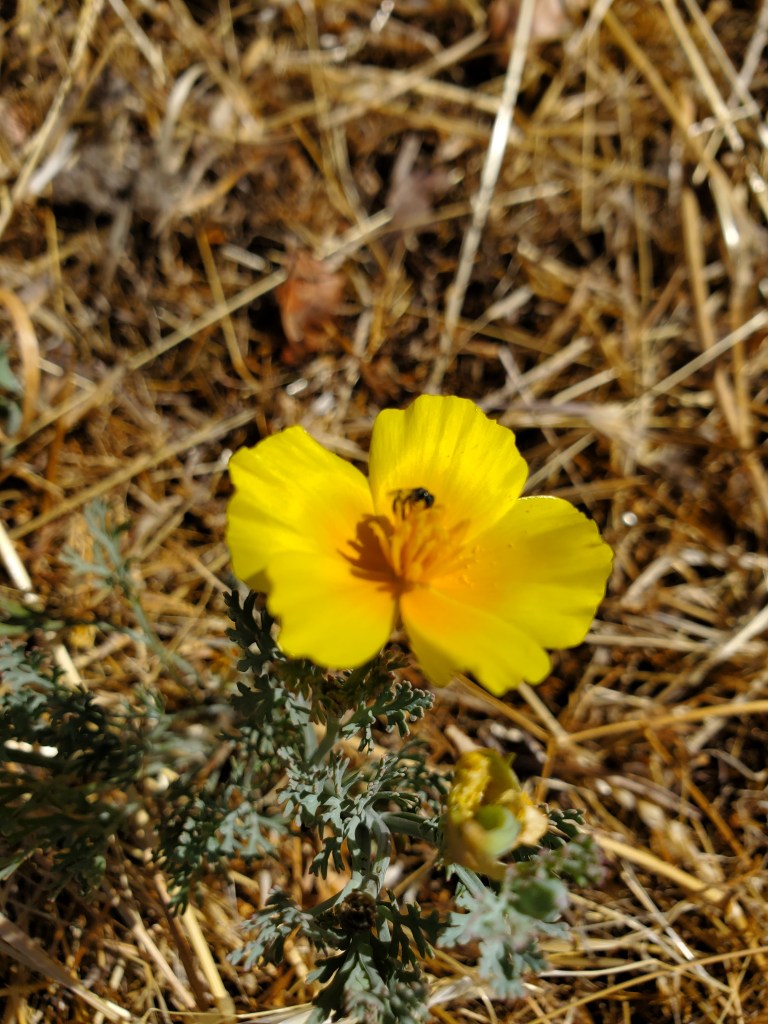
Credit: pollinative.blog
Frequently Asked Questions
Which Bird Shares Habitat With California Poppy?
The California quail shares the same habitat as the California poppy. Both thrive in open grasslands and chaparral regions of California, benefiting from similar climate and vegetation.
Where Do California Poppies And Birds Commonly Live?
California poppies and birds like the California quail live in dry, sunny areas. They prefer open fields, coastal scrub, and foothills, where native plants and wildlife flourish together.
Why Do Birds Favor Habitats With California Poppies?
Birds favor habitats with California poppies because these areas offer food, shelter, and nesting sites. The poppy’s presence supports insects, which attract birds and promote a balanced ecosystem.
Are There Other Birds In California Poppy Habitats?
Yes, besides the California quail, birds like the Western meadowlark and Anna’s hummingbird also inhabit California poppy regions. These species adapt well to dry, open landscapes with native flora.
Conclusion
The California poppy shares its home with many birds. One common bird is the California quail. They both thrive in sunny, dry areas. These habitats offer food, shelter, and space to grow. Watching these birds near poppies feels like a peaceful moment.
Nature’s balance shows clearly here. This connection helps us appreciate the beauty around us. Protecting these habitats keeps both plants and birds safe. It also supports the whole ecosystem. Small efforts can make a big difference. Nature’s harmony depends on each living part.