
Have you ever wondered what happens to migrating birds when their homes are broken into smaller pieces? Habitat fragmentation can change the way birds travel, find food, and stay safe.
This isn’t just about trees or land—it’s about the survival of the birds you might see flying overhead. Understanding how habitat fragmentation affects migrating bird populations can help you see the world from their perspective. Keep reading to discover why this matters and what it means for the future of these amazing travelers.
Habitat Fragmentation And Migration
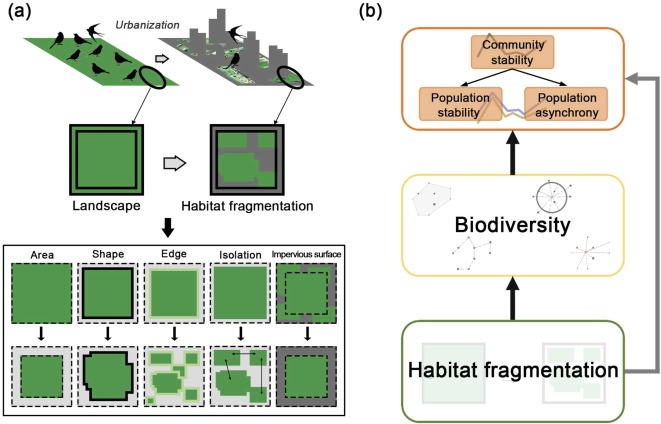
Habitat fragmentation breaks large areas into smaller patches, making it hard for migrating birds to find food and shelter. This change can slow their journey and reduce survival rates during migration. Birds may also face more dangers from predators and human activity.
Habitat fragmentation impacts migrating birds significantly. Birds rely on large areas of habitat for survival. When these habitats break into smaller patches, birds face challenges. They struggle to find food and shelter. Migration paths become interrupted. Fragmentation changes the landscape, affecting bird behavior and survival.Key Features Of Habitat Fragmentation
- Loss of large, continuous habitats
- Creation of smaller, isolated patches
- Increased edge areas with different environmental conditions
- Altered ecosystems affecting plant and animal interactions
Migration Routes And Stopover Sites
Birds need safe migration routes. These routes include stopover sites. Stopover sites offer rest and refueling opportunities. Fragmentation reduces the number of these sites. Birds travel longer distances without rest. This increases energy use and reduces survival rates. Protecting stopover sites is crucial. Without them, birds can’t complete their journeys. Fragmentation changes these sites, making them less suitable. This poses a threat to migrating birds. Habitat fragmentation and migration are closely linked. Addressing fragmentation can help preserve bird populations.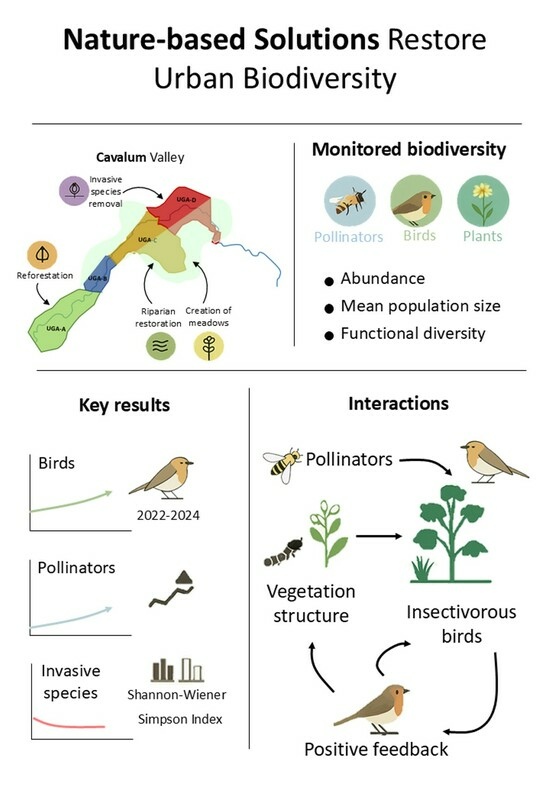
Credit: www.mdpi.com
Impact On Bird Behavior
Migrating birds face many challenges from habitat fragmentation. These changes affect their natural behavior deeply. Birds must adapt quickly to survive and complete their long journeys. Their flight and feeding habits often shift due to smaller, broken habitats. These behavioral changes can impact their energy, safety, and success during migration.
Changes In Flight Patterns
Fragmented habitats create gaps birds must cross. Birds often fly longer distances between safe resting spots. This increases their energy use and risk of exhaustion. Some birds change their usual routes to avoid open or dangerous areas. Others fly at different heights to find shelter or better winds. These changes may make migration slower and more dangerous.
Altered Foraging Habits
Smaller patches mean fewer food sources are available. Birds spend more time searching for food during migration. They may eat different types of insects or plants than usual. Some birds visit new areas that offer better feeding options. This shift can affect their nutrition and energy levels. Poor food availability may reduce their chances of reaching breeding grounds.
Effects On Population Dynamics
Habitat fragmentation reshapes the landscape for migrating bird populations, directly influencing their population dynamics. This disruption changes how birds breed, survive, and move across regions. Understanding these effects can help you appreciate the delicate balance these species depend on and what might happen if their habitats continue to shrink.
Reduced Breeding Success
Fragmented habitats often isolate bird populations into smaller patches. This isolation limits access to quality nesting sites and reduces the availability of mates.
With fewer safe places to raise their young, birds face higher risks of nest failure. Predators find it easier to target nests in fragmented areas, leading to lower chick survival rates.
Have you noticed fewer birds singing or nesting in your local park? That could be a sign of reduced breeding success due to habitat changes nearby.
Increased Mortality Rates
When habitats break into smaller pieces, birds must cross dangerous open areas to reach feeding or breeding grounds. This exposes them to predators and harsh weather.
Fragmentation also increases competition for limited resources, weakening birds and making them more vulnerable to disease.
Think about the last time you saw a flock struggling to find food in a patchy landscape—these challenges directly raise their mortality rates.

Credit: www.sciencedirect.com
Genetic Consequences
Habitat fragmentation doesn’t just split the land—it splits the genetic fabric of migrating bird populations. This separation can profoundly affect their ability to survive and adapt. Understanding the genetic consequences helps you see why preserving continuous habitats matters beyond just space.
Loss Of Genetic Diversity
When bird populations become isolated by fragmented habitats, their gene flow is limited. This means fewer new genes enter the population, reducing overall genetic diversity. Without enough diversity, birds struggle to adapt to diseases, climate changes, or new predators.
Think about a flock that used to travel freely across a large forest but now is trapped in isolated patches. Their genetic pool shrinks over time, making them more vulnerable to extinction. Can you imagine how a single disease could wipe out such a genetically uniform group?
Risks Of Inbreeding
Fragmented habitats often force birds to mate within a small group, increasing the chances of inbreeding. Inbreeding can lead to harmful genetic traits becoming more common, weakening the population’s health.
Birds with reduced genetic health may show lower fertility, weaker immune systems, or developmental issues. These problems reduce the chances that young birds will survive to adulthood. How might your local birdwatching experience change if these birds disappear due to inbreeding?
Challenges In Conservation
Conserving migrating bird populations faces tough challenges due to habitat fragmentation. Birds rely on continuous habitats to rest, feed, and breed during their long journeys. When these habitats break into smaller, isolated patches, the risks to bird survival increase dramatically.
Identifying Critical Habitats
You need to pinpoint which habitats are vital for migrating birds. These areas act as essential stopover points where birds can regain energy. Without clear identification, conservation efforts might miss the spots that truly matter.
Tracking technologies, like GPS tagging, help reveal these critical habitats. Data from these tools show not only where birds stop but also how long they stay. This information guides you in protecting the most impactful areas.
Mitigation Strategies
Once critical habitats are identified, you can apply strategies to reduce fragmentation effects. Creating wildlife corridors is one practical step. These corridors connect isolated patches, allowing birds to move safely between them.
Another approach is restoring degraded habitats. Planting native trees and shrubs can rebuild the resources birds need. You might also engage local communities to promote land-use practices that support bird-friendly environments.
Are your conservation plans flexible enough to adapt as new data emerges? The success of these strategies depends on continuous monitoring and adjustment. This ensures that migrating birds keep having safe routes year after year.
Technological Advances In Research
Technological advances have transformed how researchers study the impact of habitat fragmentation on migrating bird populations. These tools allow you to gather detailed information about bird movement and behavior that was once impossible to track. They provide a clearer picture of how fragmentation disrupts migration routes and breeding patterns.
Tracking And Monitoring Tools
GPS trackers and lightweight radio transmitters have become game changers in bird research. You can now follow individual birds across continents, seeing exactly where they stop, rest, and face obstacles caused by fragmented habitats.
Drones equipped with cameras offer a bird’s-eye view of fragmented landscapes. They help identify critical habitats and migration corridors that need protection.
Acoustic monitoring devices pick up bird calls even in dense forests or urban areas. This technology helps monitor species presence without disturbing them, providing real-time data on migration timing and habitat use.
Data Analysis Techniques
Advanced software analyzes vast amounts of tracking data to reveal patterns you might miss otherwise. Machine learning algorithms can predict how birds might respond to future habitat changes, guiding conservation efforts.
Geographic Information Systems (GIS) map habitat fragmentation with precision. By overlaying bird movement data, you can see exactly where fragmentation creates barriers or safe passages.
These tools also enable collaboration, letting researchers share data worldwide and build comprehensive models of migration. Have you considered how combining different data sources might improve your understanding of bird migration challenges?
Case Studies
Case studies reveal real impacts of habitat fragmentation on migrating birds. They show how birds adapt or struggle in broken environments. These examples help us understand what works and what fails in protecting bird populations. Learning from both success and decline guides future conservation efforts.
Successful Habitat Restoration
One case in the Pacific Northwest shows habitat restoration helping songbirds return. Conservationists planted native trees along migration routes. This created safe stopover spots for rest and feeding. Bird counts rose by over 40% within five years. Restored habitats also improved insect populations, vital food for many birds.
Another example is in the Netherlands. Here, wetlands were reconnected after fragmentation. Migratory waterfowl found new breeding grounds. This increased local bird diversity and improved survival rates. These projects prove small habitat patches can support large bird numbers if connected well.
Lessons From Declining Populations
In the Amazon, fragmentation caused severe declines in several migratory species. Isolated forest patches were too small for safe shelter. Birds faced higher risks from predators and harsh weather. Food sources became scarce as plants and insects suffered from habitat loss.
In the eastern U.S., studies showed that roads and urban sprawl disrupted migration paths. Birds often avoid crossing busy areas, limiting access to key sites. This isolation reduces breeding success and genetic diversity. These declines highlight the need for continuous habitats and wildlife corridors.

Credit: www.sciencedirect.com
Frequently Asked Questions
What Is Habitat Fragmentation In Bird Migration?
Habitat fragmentation occurs when large habitats break into smaller patches. This disrupts migration routes and reduces available resources for birds. It limits safe stopover sites and nesting areas, impacting bird survival and reproduction during migration.
How Does Fragmentation Impact Migrating Bird Populations?
Fragmentation reduces food availability and shelter. It increases exposure to predators and human disturbances. This leads to lower survival rates and decreased breeding success, ultimately threatening migrating bird populations.
Can Habitat Fragmentation Cause Migration Route Changes?
Yes, birds may alter routes to avoid fragmented areas. This can lead to longer journeys, increased energy use, and reduced chances of successful migration. Some species may fail to reach breeding or wintering grounds.
What Conservation Efforts Help Fragmented Habitats?
Creating wildlife corridors and protecting key stopover sites help reconnect habitats. Reforestation and limiting urban sprawl also reduce fragmentation. These efforts support safe migration and improve bird population resilience.
Conclusion
Habitat fragmentation breaks large areas into smaller patches. Migrating birds struggle to find food and shelter. This change can slow migration or cause harm. Birds may face more predators or harsh weather. Protecting habitats helps keep bird populations healthy. Small steps can make a big difference.
People must work together to save these birds. Nature depends on their safe journeys. Ending habitat loss supports all life on Earth.