
Have you ever wondered why some birds seem to flock to certain places while others stay far away? It’s not random—many bird species actually prefer one type of habitat over another.
Understanding these preferences can change the way you see your backyard, park, or local forest. You’ll discover why birds choose their homes the way they do and how this affects their survival. Keep reading to unlock fascinating secrets about your feathered neighbors and learn how you can spot these patterns yourself.

Credit: www.npr.org
Bird Habitat Preferences
Certain bird species choose specific habitats that best suit their needs for food, shelter, and breeding. Forests, wetlands, and grasslands each attract different birds depending on their preferences and survival strategies. Habitat choice affects their behavior and chances of thriving.
Birds are fascinating creatures, and their habitat preferences are just as intriguing. Just like humans choose homes based on personal needs and lifestyle, birds pick habitats that best support their survival and reproduction. Some birds are picky about their environment, while others are more adaptable. Have you ever wondered why certain bird species are found in specific habitats? This curiosity can lead us to explore the various factors that influence bird habitat choices.Factors Influencing Habitat Choice
Birds consider several factors when selecting their habitats. Availability of food is a primary concern. Birds will flock to areas rich in their preferred diet, whether it be insects, seeds, or nectar. Protection from predators is another critical factor. Dense foliage or high tree canopies can offer much-needed refuge and safety for birds. Climate and weather conditions also play a role in habitat selection. Some species thrive in warmer climates, while others are adapted to colder regions.Common Habitat Types
Birds are found in diverse habitats, each offering unique benefits. Forests are a popular choice for many species, providing ample food, shelter, and nesting sites. Wetlands attract waterfowl and waders, thanks to their abundant aquatic food sources and nesting grounds. Grasslands and savannas are home to birds that prefer open spaces, where they can easily spot predators and forage for seeds and insects. Consider this: What kind of habitat do you think your favorite bird species prefers? Understanding these preferences can deepen your appreciation for these incredible creatures and their place in the natural world.
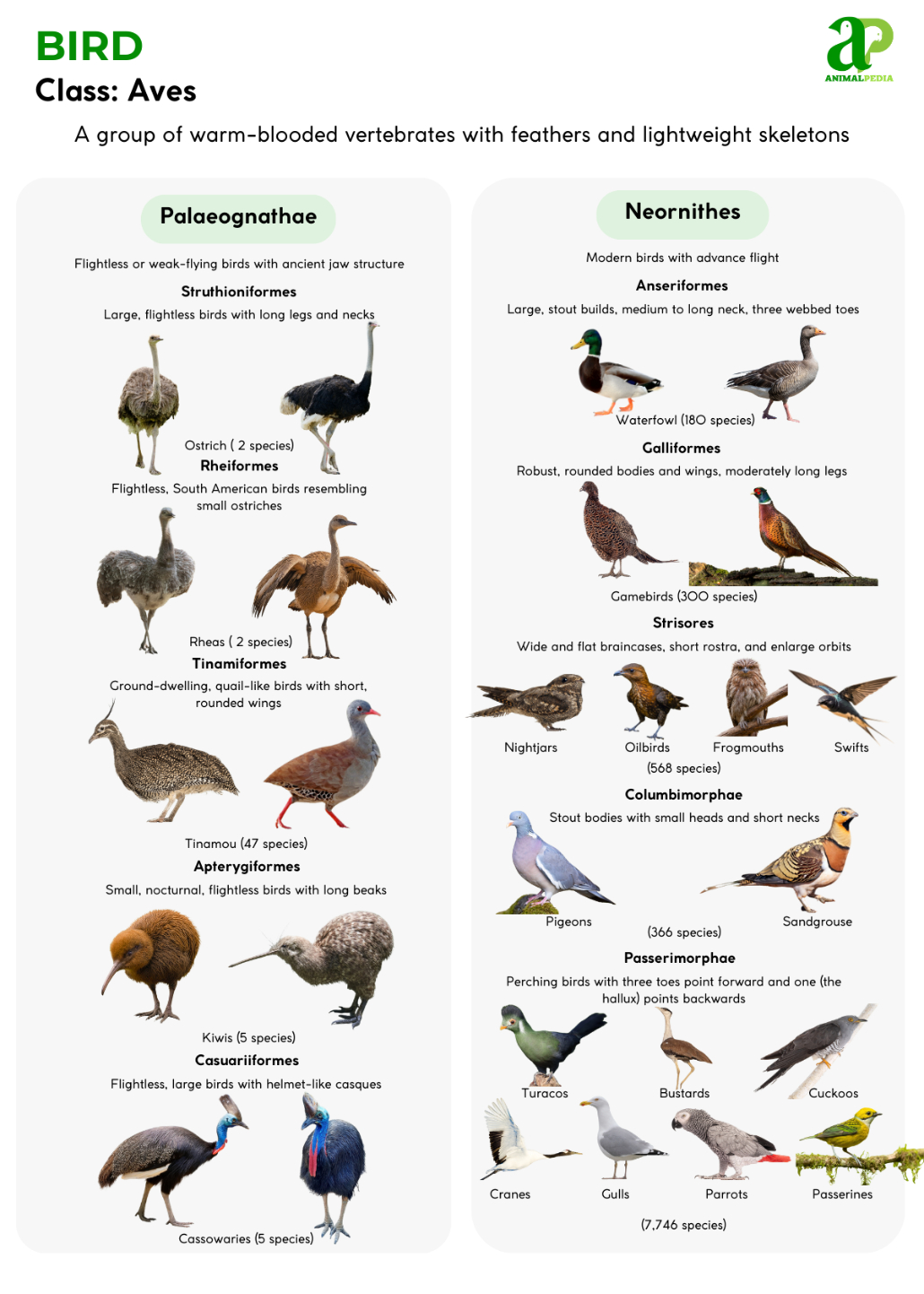
Credit: animal-pedia.org
Forest-dwelling Birds
Forest-dwelling birds thrive in rich, green environments filled with tall trees and thick undergrowth. These habitats offer shelter, food, and nesting spots that many bird species need. The dense woods create a unique world where birds adapt to survive and flourish. Their behavior, diet, and physical traits often reflect the challenges and benefits of living among trees.
Species Found In Dense Woods
Many bird species prefer dense forests due to the protection and resources available. Some common forest dwellers include:
- Woodpeckers – known for drilling into tree bark for insects.
- Owls – masters of silent flight and nighttime hunting.
- Warblers – small, colorful birds that feed on insects in the leaves.
- Thrushes – famous for their melodious songs and ground feeding.
- Trogons – bright birds that live in tropical forest canopies.
Each species finds its own niche within the forest, using different layers of the woods to meet its needs.
Adaptations For Forest Living
Forest birds have special traits to help them survive. Their bodies and behaviors suit the complex forest environment. Key adaptations include:
- Strong claws and feet for gripping branches tightly.
- Camouflaged feathers that blend with tree bark and leaves.
- Sharp beaks for catching insects or pecking wood.
- Excellent hearing and eyesight for spotting prey in dim light.
- Quiet flight to sneak up on insects or avoid predators.
These adaptations allow forest birds to thrive in shadows and dense foliage. They move skillfully through the trees and find food others might miss.
Wetland Birds
Wetland birds have a special connection to their watery homes. These habitats offer rich food sources and safe nesting spots that many other environments can’t provide. If you’ve ever stood near a marsh or swamp, you might have noticed the diverse birdlife thriving there, each species perfectly adapted to its niche.
Birds Thriving In Marshes And Swamps
Marshes and swamps attract a variety of birds that rely on wetland conditions. Species like herons, bitterns, and rails are common visitors. Their long legs and sharp bills help them hunt in shallow waters where fish and insects abound.
Wading birds such as the great egret use marshes to stalk prey quietly. Swamp dwellers like the wood duck find dense vegetation ideal for hiding and breeding. Have you ever noticed how these birds seem almost part of the landscape, blending in perfectly with reeds and cattails?
Feeding And Nesting Habits
Wetland birds have unique feeding habits shaped by their environment. Many feed on aquatic insects, small fish, and amphibians that thrive in wetlands. For example, kingfishers dive swiftly to catch fish, while sandpipers probe mud for invertebrates.
Nesting varies widely too. Some birds build nests above water on sturdy plants, protecting eggs from predators. Others, like marsh wrens, weave intricate nests hidden deep in the reeds. This diversity in nesting shows how wetland birds have adapted to maximize safety and resource availability.
Grassland Birds
Grassland birds are a unique group that thrives in open fields and prairies. These birds depend on wide, treeless spaces filled with grasses and wildflowers. Their survival and behavior are closely tied to the characteristics of these habitats.
Species Suited To Open Fields
Many bird species prefer grasslands because these areas provide abundant food and nesting spots. The Eastern Meadowlark, with its bright yellow chest, is a classic grassland bird known for singing from fence posts. Another is the Grasshopper Sparrow, which blends perfectly with the dry grasses, making it hard to spot.
Have you noticed how some birds stand out while others seem invisible in these open spaces? This difference is a survival tactic. Birds like the Bobolink use their striking colors to attract mates, while others rely on camouflage.
Survival Strategies In Grasslands
Grassland birds use clever tactics to avoid predators and harsh weather. Many build nests on the ground, hidden among thick grasses. This low profile helps protect eggs and chicks from being seen.
Some species, like the Killdeer, perform distraction displays, pretending to have a broken wing to lure predators away. Others, such as the Horned Lark, dig small depressions in the soil to create a shelter against wind and rain.
What survival tricks do you think your local grassland birds use? Observing these behaviors can deepen your appreciation and help protect these special birds and their habitats.
Urban Birds
Urban birds have carved out a unique niche in the bustling environments of cities. Unlike their forest or wetland counterparts, these birds thrive amidst concrete and glass. They adjust their habits, diets, and even nesting choices to fit the urban landscape.
Birds Adapting To City Life
Many bird species show remarkable flexibility in city settings. Pigeons, sparrows, and crows are common urban residents because they exploit human food waste and find shelter in buildings. Some birds even change their singing patterns to be heard over city noise.
You might notice that urban birds often appear less shy than rural ones. This behavior helps them take advantage of food sources from people and avoid predators that are less common in cities. Have you ever watched a bird cleverly grabbing crumbs from a busy sidewalk? That’s adaptation in action.
Challenges And Advantages Of Urban Habitats
City life poses real challenges for birds. Limited green spaces and pollution can affect their health and breeding success. However, cities also provide steady food supplies and fewer natural predators.
- Challenges:Noise pollution disrupts communication.
- Challenges:Glass windows cause fatal collisions.
- Advantages:Abundant food from human activities.
- Advantages:Warm microclimates that extend breeding seasons.
What can you do to support urban birds? Simple actions like putting out clean water or installing bird feeders can make a difference. Observing how these birds navigate your neighborhood might reveal surprising stories of survival and adaptation.

Credit: www.wildlifenomads.com
Migratory Patterns And Habitat Use
Birds often change their habitats based on the seasons. Migratory patterns influence where birds live and feed throughout the year. These movements help birds find food, suitable weather, and safe places to raise their young. Understanding these patterns shows how certain bird species choose one habitat over another.
Seasonal Habitat Changes
Many birds move between habitats as seasons change. In spring and summer, they often prefer breeding areas with plenty of food and shelter. During fall and winter, they seek warmer places with reliable food sources.
For example, waterfowl may breed in northern lakes but spend winter in southern wetlands. Songbirds might nest in forests but migrate to open fields or gardens in colder months. These shifts help birds survive by adapting to seasonal resource availability.
Impact On Bird Distribution
Migratory patterns affect where bird species are found at different times. Some species show strong habitat preferences during migration stopovers. They rest and feed in specific habitats that support their energy needs.
Bird distribution also changes because of habitat quality and climate. Changes in temperature or food supply can alter migratory routes and habitat use. This can lead to shifts in bird populations across regions.
Conservation efforts must consider these patterns to protect critical habitats year-round. Protecting both breeding and wintering areas is vital for many migratory birds.
Human Impact On Bird Habitats
Human activities have dramatically reshaped bird habitats across the globe. This impact influences where certain bird species can thrive, pushing some to adapt while others face severe challenges. Understanding these effects helps you appreciate the delicate balance between birds and their environment.
Habitat Loss And Fragmentation
Urban expansion and agriculture often replace forests, wetlands, and grasslands, causing habitat loss. Birds that depend on large, continuous areas struggle when their homes are divided into smaller patches.
Imagine a forest-dwelling bird that needs a wide territory for food and nesting. When trees are cut down for housing or farming, this bird loses vital space and may decline in numbers. You might notice fewer songbirds in your neighborhood as green spaces shrink.
Fragmentation also isolates bird populations, making it harder for them to find mates and leading to reduced genetic diversity. Have you ever thought about how a single road or fence might block a bird’s path?
Conservation Efforts
Protecting and restoring habitats is key to helping birds survive. Many organizations plant native trees, create bird-friendly parks, and protect wetlands to provide safe havens.
You can support these efforts by planting native plants in your garden or advocating for local green spaces. Small actions can connect fragmented habitats, creating corridors for birds to move freely.
Some projects even involve monitoring bird populations to track which habitats are most critical. By staying informed and involved, you become part of the solution, helping ensure that birds have the homes they need for generations to come.
Research Methods In Habitat Preference
Studying bird species’ habitat preferences requires careful research methods. Researchers use different tools and techniques to observe birds and record data. These methods help identify which habitats birds choose and why. Understanding these preferences supports conservation and habitat protection efforts.
Tracking And Observation Techniques
Tracking birds involves following their movements and behaviors in various habitats. Researchers use GPS trackers to collect precise location data. These devices provide insights into daily routes and preferred areas.
Observation is also vital. Scientists watch birds directly to note their activities and habitat use. Binoculars and spotting scopes help see birds from a distance without disturbing them. Field notes record behaviors, feeding spots, and nesting sites.
- Radio telemetry tracks bird movements over time
- Camera traps capture bird presence in hard-to-reach places
- Point counts and transect walks estimate bird abundance in habitats
Data Analysis Approaches
Collected data needs careful analysis to reveal habitat preferences. Researchers use statistical tools to compare bird activity across different environments. This helps identify patterns and habitat choices clearly.
GIS (Geographic Information Systems) maps bird locations against habitat types. It shows how birds use landscapes at large scales. Habitat quality and availability are also measured to understand preferences better.
| Analysis Type | Purpose | Example |
|---|---|---|
| Statistical Modeling | Identify significant habitat features | Logistic regression to link presence with habitat traits |
| Spatial Analysis | Map bird distribution and movement | GIS heat maps of bird sightings |
| Behavioral Analysis | Understand habitat use patterns | Time spent feeding or nesting in areas |
Frequently Asked Questions
Do Certain Bird Species Prefer Specific Habitats?
Yes, many bird species choose habitats that best meet their needs. Habitat preference depends on food, shelter, and breeding requirements. For example, waterfowl prefer wetlands, while raptors often inhabit open fields or forests.
How Do Habitats Affect Bird Species Diversity?
Habitats provide unique resources and conditions, influencing bird diversity. Rich habitats support more species by offering varied food and nesting sites. Habitat loss or change can reduce bird diversity significantly.
Can Birds Adapt To Multiple Habitat Types?
Some bird species are highly adaptable and thrive in various habitats. Others have specialized needs and prefer a single habitat. Adaptability depends on diet flexibility, nesting habits, and environmental tolerance.
Why Do Forest Birds Differ From Grassland Birds?
Forest birds rely on trees for nesting and food, like insects and fruits. Grassland birds depend on open spaces with grasses for feeding and breeding. Each habitat offers distinct resources, shaping bird species differently.
Conclusion
Bird species often choose habitats that best meet their needs. Some prefer forests, others wetlands or grasslands. Habitat affects their food, safety, and breeding chances. Understanding these preferences helps protect birds and their homes. Preserving diverse habitats supports many bird species.
Each habitat plays a unique role in nature’s balance. Protecting these areas ensures birds continue to thrive. Nature’s variety keeps ecosystems strong and healthy. So, habitat matters a lot for bird survival.