
Have you ever wondered where birds feel most at home? Understanding the habitat of a bird is key to knowing how they live, find food, and raise their young.
Your curiosity about these amazing creatures can take you closer to nature in ways you might not expect. You’ll discover what makes a perfect bird habitat and why it matters to both birds and you. Keep reading to unlock the secrets of where birds thrive and how you can spot them in their natural surroundings.
Credit: learn.birdscanada.org
Bird Habitats Around The World
Birds live in many places like forests, wetlands, and deserts. Their habitat provides food, shelter, and safety for survival. Each bird species adapts to its environment to thrive.
Birds are remarkable creatures that inhabit diverse environments across the globe. Each species has adapted to thrive in a specific habitat, offering them food, shelter, and breeding grounds. From dense forests to bustling cities, bird habitats are as varied as the birds themselves. This variety ensures the survival and flourishing of countless bird species. Let’s explore these fascinating habitats.Forests And Woodlands
Forests and woodlands are home to a vast array of bird species. These areas provide ample food and nesting opportunities. Birds like woodpeckers and owls find shelter among the trees. The dense canopy offers protection from predators. Forests house both migratory and resident birds.Wetlands And Marshes
Wetlands and marshes are rich in biodiversity. They attract birds like herons and ducks. These areas offer abundant food sources. The shallow waters and tall grasses provide ideal nesting sites. Wetlands are crucial for waterfowl during migration.Grasslands And Savannas
Grasslands and savannas support birds adapted to open spaces. Here, species like sparrows and larks thrive. The wide-open areas allow for easy foraging. Birds in these regions often nest on the ground. This habitat suits birds needing expansive views to spot predators.Deserts And Arid Regions
Deserts challenge birds with their harsh climates. Birds like the roadrunner have adapted to these conditions. They find shelter in sparse vegetation. Deserts offer unique opportunities for species adapted to scarce water. Birds here often have special adaptations to conserve moisture.Urban And Suburban Areas
Urban and suburban areas have become significant bird habitats. Many birds, like pigeons and sparrows, adapt to city life. These areas provide food and nesting sites in abundance. Birds in urban areas often exploit man-made structures. They play a role in controlling pest populations in cities.How Habitats Shape Bird Behavior
Bird behavior is deeply influenced by the habitat they live in. The environment shapes how birds build nests, find food, and even when they decide to migrate. Understanding these connections helps you appreciate the complexity of bird life and what different habitats offer.
Nesting And Breeding Sites
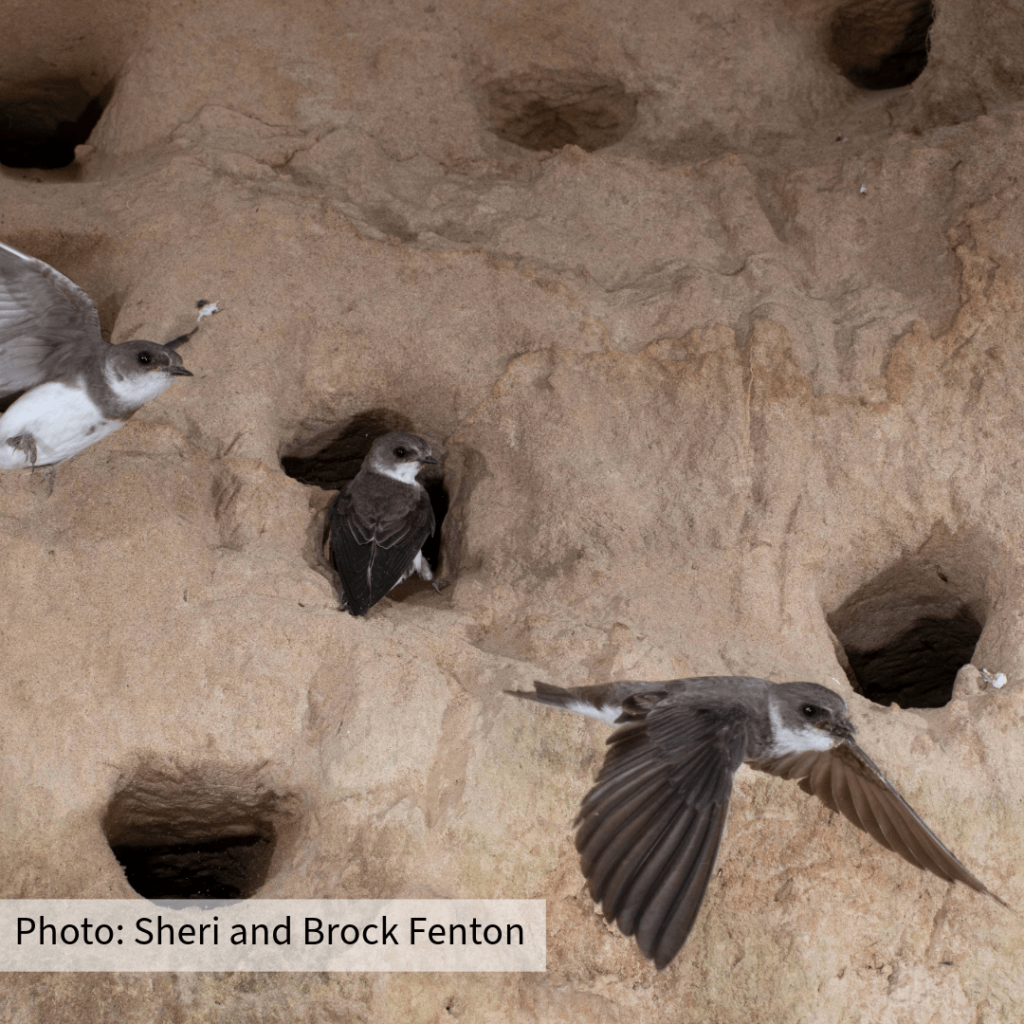
Birds choose nesting sites based on safety, food availability, and climate. Some prefer tall trees to protect from predators, while others nest on cliffs or even the ground. Your local habitat could determine if you see cavity nesters like woodpeckers or open nesters like robins.
Have you noticed birds using different materials for their nests depending on where they live? In urban areas, twigs mix with plastic bits, showing how birds adapt their nesting behavior to their surroundings.
Feeding Patterns
What birds eat and how they find food changes with their habitat. Wetlands support wading birds that hunt fish, while forests provide seeds and insects for others. Your backyard might attract hummingbirds because of nearby flowers rich in nectar.
Feeding times can also vary. In dense forests, birds may feed at dawn to avoid predators, while open habitats allow feeding throughout the day. This shift in behavior helps them survive and thrive.
Migration And Seasonal Changes
Migration decisions often depend on habitat conditions. Birds leave when food becomes scarce or the weather turns harsh. The availability of resting spots and safe routes along their path is crucial for their journey.
Seasonal changes in habitat also trigger behaviors like molting or flocking. Have you ever wondered why some birds disappear for months? Their habitat’s seasonal rhythm guides these movements, ensuring they find the best places to live year-round.
Adaptations To Different Environments
Birds live in many places, from forests to deserts. Each environment asks for special changes in their bodies and behavior. These changes help birds survive, find food, and avoid danger. Adaptations shape how birds look and move, letting them fit well into their homes.
Camouflage And Coloration
Birds use colors to blend into their surroundings. This helps them hide from predators or sneak up on prey. Forest birds often have green or brown feathers. Birds in snowy places have white feathers to match the snow. Bright colors can also warn others or attract mates.
Beak And Foot Variations
Birds have many types of beaks and feet. These parts help them eat and live in their habitats. Sharp, hooked beaks catch and tear meat. Long, thin beaks reach nectar from flowers. Strong feet with claws help birds grip branches or catch fish. Webbed feet make swimming easy for water birds.
Flight And Mobility
Flight styles differ based on where birds live. Some birds soar high using wide wings to save energy. Others flap fast to move quickly through trees. Some birds cannot fly but run or swim well. Flight changes help birds find food, escape enemies, and travel between places.

Credit: smallfarms.cornell.edu
Threats To Bird Habitats
Bird habitats face many dangers that threaten their survival. Birds depend on safe and stable environments for food, shelter, and breeding. Damage to these habitats can reduce bird populations and endanger species worldwide.
Deforestation And Habitat Loss
Cutting down trees removes homes for many bird species. Forests shrink, leaving birds with fewer places to nest. Loss of plants and insects also reduces bird food sources. Birds must move or face starvation and decline.
Pollution Effects
Pollution poisons air, water, and soil in bird habitats. Chemicals can harm birds directly or reduce their food supply. Plastic waste entangles birds or is mistaken for food. Polluted habitats become unsafe and less suitable for bird life.
Climate Change Impact
Rising temperatures change habitats and bird behaviors. Migration patterns shift, causing mismatches in food availability. Some birds lose their breeding grounds as weather becomes extreme. Changing climates force birds to adapt or move to survive.
Urban Expansion
Growing cities replace natural habitats with concrete and roads. Noise and light pollution disturb bird communication and rest. Buildings and traffic increase risks of collisions and deaths. Urban areas reduce safe spaces where birds can live and breed.
Conservation Efforts For Bird Habitats
Protecting bird habitats is essential for keeping bird populations healthy and thriving. Conservation efforts focus on preserving the natural spaces where birds live, feed, and breed. These efforts involve a mix of strategies that you can support or even participate in, helping ensure birds have safe homes for generations to come.
Protected Areas And Reserves
Setting aside land as protected areas or reserves is one of the most effective ways to conserve bird habitats. These areas limit human activity that could harm the environment, such as logging or construction.
National parks and wildlife reserves often serve as safe havens for many bird species. Have you ever visited a bird sanctuary? Seeing birds in their natural habitat can inspire you to support these protected spaces.
Restoration Projects
Restoration projects aim to bring damaged habitats back to life. This can mean planting native trees, cleaning polluted waters, or rebuilding wetlands.
Even small restoration efforts can make a big difference. Imagine a wetland restored near your community—how many birds could return to nest there? Your involvement in local projects can create real change.
Community Involvement
Communities play a vital role in protecting bird habitats. Local groups can organize cleanups, monitor bird populations, and educate others about the importance of conservation.
Getting involved in community efforts helps you connect with nature and other like-minded people. What local actions can you take to protect the birds around you?
Sustainable Practices
Using land and resources in ways that do not harm bird habitats supports long-term conservation. Sustainable farming, responsible forestry, and mindful urban planning help balance human needs with nature.
Simple choices, like planting native plants in your garden or reducing pesticide use, create safer spaces for birds. How can your daily habits promote a healthier environment for birds?

Credit: www.callnorthwest.com
Frequently Asked Questions
What Is A Bird’s Natural Habitat?
A bird’s natural habitat is the environment where it lives and thrives. It provides food, shelter, and breeding grounds essential for survival. Habitats vary widely, including forests, wetlands, deserts, and urban areas, depending on the bird species and its adaptations.
How Do Habitats Affect Bird Behavior?
Habitats influence bird behavior by shaping feeding, mating, and nesting habits. Birds adapt their activities to suit available resources and climate. Changes in habitat can lead to altered migration patterns, diet, and social interactions, ensuring their survival and reproduction.
Why Is Habitat Conservation Important For Birds?
Habitat conservation is crucial to protect bird populations and biodiversity. It prevents habitat loss and fragmentation, which threaten species survival. Maintaining healthy habitats supports food availability, breeding sites, and safe migration routes, helping birds thrive in their natural environments.
What Types Of Habitats Do Birds Prefer?
Birds prefer diverse habitats like forests, grasslands, wetlands, and coastal areas. Each species has specific needs, such as tree cover, water access, or open fields. These habitats provide essential resources like food, shelter, and nesting sites for different bird species.
Conclusion
Bird habitats vary widely, from forests to wetlands and cities. Each bird species chooses a home that fits its needs. Safe places with food and shelter help birds survive and thrive. Protecting these habitats is key to saving many bird species.
Understanding where birds live helps us appreciate nature more. Let’s care for bird habitats to keep their songs alive.